
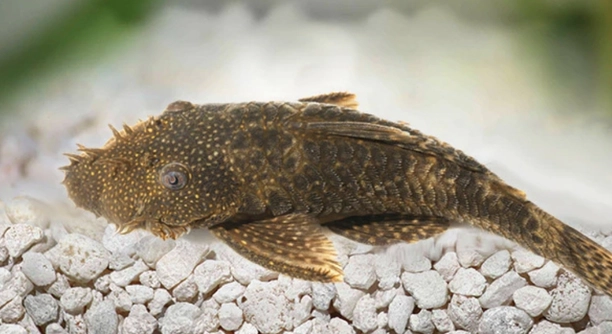
Plecos are fascinating fish that bring life to home aquariums. Their unique behaviors often reveal subtle differences between species, making it easier for enthusiasts to identify them accurately. Observing these traits can deepen your appreciation for each fish.
Plecos can be distinguished by specific behaviors such as feeding patterns, swimming habits, resting locations, and interactions with tank mates. Careful observation of these behavioral cues provides reliable indicators for differentiating species without relying solely on physical characteristics.
Recognizing these behavioral patterns allows aquarists to better care for their fish while appreciating the subtle uniqueness of each pleco in the tank.
Feeding Habits
Plecos often show clear differences in how they eat. Some species graze constantly on algae, scraping surfaces for long periods. Others prefer to feed at specific times or target floating food pellets. Observing their feeding patterns can help you distinguish species, especially when their physical features are similar. Some plecos are more aggressive during feeding, chasing others away from favored spots. Conversely, certain species are more passive, sharing food without conflict. Feeding behavior can also indicate comfort levels in the tank. A pleco that hides during feeding may feel stressed or threatened. Noticing whether a pleco feeds near the surface, mid-level, or at the bottom can provide additional clues. Each species has preferred foods, which may range from vegetables to protein-based pellets. By carefully watching what, when, and how plecos eat, it becomes easier to identify them correctly. Feeding habits are subtle but reliable markers in distinguishing pleco species in an aquarium setting.
Feeding habits reveal much about a pleco’s behavior and species-specific traits. Constant observation highlights these differences clearly.
Understanding how plecos feed helps in planning tank layout and food distribution. It also ensures proper nutrition, reduces stress, and minimizes aggressive interactions, improving overall health. Monitoring these patterns consistently allows for more accurate identification and insight into natural instincts.
Swimming Patterns
Swimming styles can vary greatly among plecos. Some glide slowly across surfaces, while others dart quickly between hiding spots.
Observing movement helps differentiate species. Some prefer open water, while others cling to rocks or driftwood. Depth preferences and activity levels are key indicators, reflecting natural tendencies and environmental comfort within the tank.
Swimming patterns reveal more than activity levels. Bottom-dwelling species often hover near substrates, using their fins to maneuver with precision. Mid-water swimmers may display more playful or exploratory behavior. Fast swimmers might chase food or inspect new objects, while slower species conserve energy and remain near hiding spots. Daytime activity varies too; some plecos are nocturnal, becoming more active at night, while others are visibly busy during the day. By noting these behaviors, it becomes easier to predict interactions, feeding schedules, and tank arrangements. Swimming patterns also hint at species-specific personality traits, helping to understand individual fish preferences and tendencies. Accurate observation enhances care routines and strengthens the ability to identify plecos confidently.
Resting Spots
Plecos choose resting spots based on comfort and safety. Some prefer hiding under driftwood or rocks, while others linger near tank corners or cling to vertical surfaces.
Resting behavior is a strong identifier. Species that spend time in tight spaces are often more reclusive, while those resting in open areas tend to be bolder. Some plecos attach to smooth surfaces using suction, whereas others settle on textured surfaces for grip. Observing where a pleco rests during the day helps determine its species, as habits remain consistent across individuals. Resting locations also indicate comfort levels in the tank, reflecting stress, health, or preference for light and current conditions. Over time, these behaviors become predictable, giving insight into their natural instincts and personality traits. Tracking rest spots can also guide placement of decorations and shelters to match species-specific tendencies.
Understanding resting preferences is important for tank design. Providing appropriate hiding spots enhances comfort, reduces stress, and encourages natural behavior, improving overall well-being and clarity in species identification.
Interaction with Tank Mates
Plecos display varying interaction levels with other fish. Some are solitary, while others tolerate or even engage with tank mates regularly.
Species differences show in aggression, tolerance, and curiosity. Aggressive plecos may chase or nip, while peaceful ones coexist quietly. Social tendencies reflect natural instincts and can guide tank arrangement choices.
Observing how plecos interact reveals personality and species traits. Certain species defend territories, especially around preferred hiding spots or feeding areas. Others show interest in neighboring fish, swimming alongside or exploring the same areas without confrontation. Timid species may retreat when approached, while bolder plecos assert dominance or investigate new arrivals. Interactions vary based on tank density, food availability, and environmental structure. Keeping a record of these behaviors over time helps in anticipating conflicts and maintaining harmony. Social tendencies also offer insight into environmental enrichment needs, ensuring plecos remain healthy and comfortable. Recognizing interaction patterns allows for better tank management and accurate species differentiation.
Nocturnal Activity
Plecos show different levels of nocturnal activity. Some species become more active after lights go out, exploring the tank and feeding. Others maintain consistent behavior throughout the day, staying near resting spots.
Tracking night behavior can reveal species traits. Observing movement and feeding patterns after dark helps distinguish between active and more sedentary plecos.
Territorial Behavior
Certain plecos establish clear territories. They defend specific areas, especially around hiding spots or favorite feeding zones. Territorial displays include chasing, nudging, or posturing. These behaviors vary in intensity depending on species, tank size, and population density, offering clear indicators of individual tendencies and natural instincts.
Breeding Behavior
Breeding behavior differs among pleco species. Some clean caves or surfaces for egg laying, while others guard eggs and fry. Observing these habits can help identify species and indicate readiness to reproduce.
FAQ
How can I tell if my pleco is nocturnal or active during the day?
Observing your pleco over several days is the most reliable way. Nocturnal species will hide during daylight hours, resting under driftwood, rocks, or in caves. Once the lights go out, they become more active, swimming across the tank, grazing on algae, and inspecting hiding spots. Daytime activity is minimal. Diurnal or less strictly nocturnal species, on the other hand, may move around during the day, feeding alongside other fish and exploring the tank. Keeping a small log of movement patterns and feeding times can help clarify whether your pleco is primarily nocturnal.
Do plecos always stay in the same hiding spots?
Not always. Plecos choose resting spots based on comfort, safety, and environmental conditions. While some species are very particular, returning to the same spot consistently, others may rotate between multiple hiding places. Changes in tank layout, water flow, or lighting can influence resting behavior. Observing these patterns helps identify species-specific preferences.
Why does my pleco chase other fish during feeding?
Aggressive feeding behavior is often territorial. Certain pleco species defend their space or favored food sources, nudging or chasing other fish away. Less aggressive plecos tend to share food without confrontation. Observing interactions over time reveals whether chasing is occasional or a consistent trait, helping identify species tendencies.
Can plecos recognize their owners?
Plecos do not recognize people like mammals, but they can associate movement or activity near the tank with feeding. Over time, they may swim toward a familiar location when someone approaches. This behavior is linked to learning routines rather than individual recognition.
Why does my pleco cling to surfaces instead of swimming freely?
Clinging is natural for many species. Suction helps plecos stabilize themselves in currents, graze on algae, or rest without expending energy. Textured surfaces like driftwood or rocks provide better grip, while smooth glass can be slippery. Surface choice often reflects species habits and tank adaptation.
How do I tell if my pleco is stressed?
Signs of stress include prolonged hiding, rapid breathing, loss of appetite, or unusual aggression. Inconsistent resting spots, excessive movement, or color changes may also indicate discomfort. Stress often results from water quality issues, overcrowding, or improper tank setup. Monitoring behavior daily helps detect problems early.
Do all plecos guard their eggs?
Not all. Some species exhibit strong parental care, cleaning a surface or cave and defending eggs and fry. Others deposit eggs and leave them unattended. Observing egg-laying and guarding behaviors can help determine species and breeding readiness.
Can plecos live with other fish peacefully?
Many species coexist well if there is sufficient space, hiding spots, and food. Territorial species may require separate zones to prevent aggression. Understanding the social tendencies of your pleco helps maintain harmony and reduces stress for all tank inhabitants.
Why does my pleco scrape algae constantly?
Algae scraping is a natural feeding behavior. Some species graze constantly to meet dietary needs, while others may do so sporadically. Watching the scraping patterns, locations, and intensity provides clues about species, diet, and energy levels.
How can I encourage natural behavior in my pleco?
Providing hiding spots, varied surfaces, proper tank lighting, and consistent feeding routines promotes natural behavior. Observing how your pleco explores, feeds, and interacts allows adjustments to the tank environment, ensuring comfort and showcasing species-specific traits.
Do plecos interact with each other?
Interaction varies by species. Some are solitary, avoiding other fish except for feeding or breeding. Others show curiosity or tolerance, swimming alongside tank mates. Noting these social tendencies is useful for proper tank arrangement and species identification.
Why does my pleco hover in mid-water instead of staying at the bottom?
Some species prefer mid-water zones due to feeding habits, comfort, or natural tendencies. This behavior is a reliable indicator of species-specific patterns and energy levels, distinguishing them from strictly bottom-dwelling plecos.
How long do plecos typically rest each day?
Rest periods depend on species and environmental conditions. Many plecos rest during daylight hours, often totaling 12–16 hours. Monitoring these patterns can provide insight into nocturnal habits, comfort levels, and overall health.
What behaviors indicate a healthy pleco?
Active swimming, regular feeding, consistent resting spots, clear interaction patterns, and bright coloration are signs of a healthy pleco. Unusual lethargy, erratic movement, or loss of appetite may indicate illness or stress. Daily observation ensures timely intervention when needed.
Can observing behavior help identify pleco species better than physical traits?
Yes. Behavioral cues like feeding patterns, swimming styles, resting spots, territoriality, and interaction tendencies often provide more reliable species differentiation than physical features alone. Careful, consistent observation reveals natural habits unique to each species.
How can I track pleco behavior effectively?
Keep a simple log noting feeding times, activity levels, resting spots, interactions, and unusual behaviors. Recording these observations over weeks helps identify patterns, distinguish species, and ensure optimal care. Behavioral tracking is an invaluable tool for any aquarist managing multiple plecos.
Are plecos affected by tank size in their behavior?
Yes. Small tanks can increase stress and territorial aggression, while larger tanks allow for natural swimming, hiding, and feeding behaviors. Observing how a pleco adapts to space provides insight into comfort levels and behavioral tendencies.
Why do some plecos prefer certain decorations over others?
Surface texture, shape, and location influence pleco preference. Driftwood, caves, and rocks mimic natural habitats, encouraging grazing, resting, and territorial behavior. Observing these preferences reveals species-specific tendencies and supports a healthier environment.
Do plecos show signs of aging in their behavior?
Older plecos may become less active, feed more slowly, or choose more sheltered resting spots. Recognizing these changes helps adjust care routines to match energy levels and ensures continued health and comfort.
How often should I observe my pleco to understand its behavior?
Daily observation is ideal. Short, consistent checks during day and night reveal activity patterns, feeding habits, resting preferences, and social interactions. Over time, this routine builds a detailed understanding of species-specific behavior and well-being.
Can plecos adapt to new tank mates or environments?
Many plecos adjust gradually if introduced carefully. Providing hiding spots, consistent routines, and monitoring interactions reduces stress. Observing initial behaviors helps anticipate conflicts and ensures smoother adaptation to new tank conditions.
Does water flow affect pleco behavior?
Yes. Strong currents may favor species that cling to surfaces, while gentle flow encourages free swimming and grazing. Observing responses to water movement helps identify natural habits and optimize tank conditions.
How do I know when a pleco is ready to breed?
Breeding readiness shows through behavior: cleaning or preparing surfaces, guarding areas, increased activity, and mating displays. Observing these subtle changes allows anticipation of reproduction and helps distinguish species-specific breeding patterns.
Is it normal for plecos to hide for days at a time?
Yes, especially for shy or nocturnal species. Extended hiding is natural but should be monitored. Prolonged inactivity, combined with poor feeding, could signal stress or illness rather than normal behavior.
How can I tell if plecos are stressed by tank mates?
Signs include retreating, rapid movement, color changes, or refusal to eat. Aggressive or territorial interactions may indicate incompatibility. Observing how plecos react in different situations helps manage tank dynamics effectively.
Do plecos communicate with each other?
Communication is subtle, mostly through posturing, nudging, or fin movements. Observing these interactions reveals social structure, territorial behavior, and species-specific tendencies without relying on vocalization.
Can behavior indicate a pleco’s diet preferences?
Yes. Grazing frequency, scraping intensity, and interest in certain foods reflect dietary preferences. Monitoring these habits helps ensure proper nutrition and supports species-specific identification.
How do lighting conditions affect pleco behavior?
Lighting influences activity levels, feeding, and hiding. Bright light may encourage retreat, while dimmed or natural lighting promotes normal exploration. Observing changes in behavior under different lighting provides insight into species comfort and natural rhythms.
Are plecos more active in groups or alone?
Activity levels depend on species. Some show increased curiosity or movement in groups, while solitary species remain consistent regardless of companions. Noting these tendencies helps plan tank populations and minimize stress.
Can I use behavior to predict health problems early?
Yes. Changes in feeding, swimming, hiding, or interaction patterns often signal health issues before physical symptoms appear. Daily observation ensures timely interventions and maintains long-term well-being.
Does temperature impact pleco behavior?
Yes. Lower temperatures may slow movement and feeding, while higher temperatures increase activity. Observing behavioral changes with temperature shifts helps maintain optimal conditions for each species.
How long does it take to reliably identify a pleco by behavior?
Consistent observation over weeks is usually sufficient. Tracking feeding, swimming, resting, interaction, and territorial patterns allows for confident species differentiation without relying solely on physical traits.
Can behavior indicate compatibility between pleco species?
Yes. Watching interactions, aggression levels, and territoriality shows which species can coexist peacefully. Proper observation helps reduce conflict and maintain a stable tank environment.
Do plecos show preferences for tank zones?
Yes. Bottom dwellers, mid-water swimmers, and surface grazers display distinct patterns. Recognizing these preferences assists with species identification and tank arrangement, supporting natural behavior.
How important is routine observation for pleco care?
Routine observation is crucial. It ensures early detection of stress, illness, or aggression, and provides consistent insight into feeding, swimming, resting, and social behavior. Accurate tracking enhances health, comfort, and species understanding.
Can plecos change behavior as they age?
Yes. Activity levels, resting habits, and social tolerance may shift with age. Monitoring these changes helps adjust care, diet, and tank setup to match the pleco’s evolving needs.
How do I differentiate similar-looking plecos by behavior?
Focus on feeding style, swimming patterns, resting spots, territoriality, nocturnal activity, and interactions. Consistent observation of these behavioral cues provides clearer species identification than appearance alone.
Is it normal for plecos to explore constantly?
Exploration is natural for most species, especially during feeding or at night. Limited movement or avoidance can indicate stress, poor water conditions, or illness. Monitoring exploration behavior ensures proper health assessment.
Do plecos respond to water changes or cleaning?
Yes. Many species become more active, hide, or inspect the tank during changes. Observing reactions helps assess stress levels and adaptability. Proper timing and gentle adjustments minimize disturbance.
Can behavior indicate a pleco’s mood?
Subtle signs such as fin posture, swimming speed, and interaction intensity reflect comfort, curiosity, or stress. Daily observation helps interpret these signals accurately and maintain a healthy environment.
How do I encourage natural grazing behavior?
Providing algae-covered surfaces, driftwood, and vegetables encourages grazing. Observing which surfaces and foods plecos favor reveals species-specific feeding patterns and ensures proper nutrition.
Are there signs that plecos are not adapting well to a tank?
Signs include hiding constantly, refusing food, abnormal swimming, or aggression. Observing these behaviors early allows intervention, such as adjusting tank size, water conditions, or decor.
Do plecos prefer light or shaded areas?
Many prefer shaded zones or areas under cover. Some species tolerate brighter light but often choose hiding spots during the day. Observing preferences informs tank layout and stress reduction.
Can behavioral observation replace physical identification completely?
Not completely, but it provides highly reliable information. Feeding, swimming, resting, territorial, and social behaviors often reveal species differences that are difficult to detect through appearance alone. Consistent observation improves accuracy in identification.
How much time should I spend observing plecos daily?
Short, focused sessions multiple times a day are sufficient. Monitoring feeding, resting, and interactions, along with periodic night checks, allows accurate assessment of behavior and species traits.
Can plecos become habituated to human presence?
Yes. They may learn to associate movement near the tank with feeding, approaching specific areas at regular times. This behavior reflects learned patterns rather than recognition of individuals.
Do plecos change behavior in community tanks versus species-specific tanks?
Yes. Behavior may vary with tank mates, population density, and available space. Territoriality, aggression, and exploration can shift depending on tank composition. Observing these differences helps manage mixed-species tanks effectively.
Are there signs that plecos are stressed by water parameters?
Rapid gill movement, hiding, erratic swimming, or refusal to eat often indicate stress from improper temperature, pH, or hardness. Observing subtle changes ensures timely adjustments for health and comfort.
Can observing pleco behavior help with breeding success?
Yes. Watching courtship, nesting, guarding, and egg-laying behaviors allows anticipation of breeding readiness and improves chances of successful reproduction. Identifying species-specific patterns is key.
How do I document pleco behavior efficiently?
Use a simple notebook or digital log. Record feeding times, resting spots, swimming patterns, interactions, and reactions to tank changes. Over time, this documentation creates a detailed behavioral profile for each pleco.
Can behavior indicate illness before physical symptoms appear?
Yes. Changes in activity, feeding, resting, or interaction often precede visible signs of disease. Daily observation provides early warnings, enabling preventive care and reducing health risks.
How long does it take to notice consistent behavior patterns?
Consistent patterns typically emerge over several weeks of observation. Tracking feeding, resting, swimming, social interactions, and responses to changes allows accurate identification of species traits and preferences.
Do plecos respond differently to each other based on size or age?
Yes. Larger or more dominant plecos may assert control, while younger or smaller ones may hide or retreat. Observing these dynamics aids in understanding social hierarchy and maintaining harmony.
Are plecos affected by seasonal changes in behavior?
Temperature, lighting, and water conditions can shift seasonally, influencing activity, feeding, and resting. Observing changes over time ensures comfort and helps distinguish natural adaptations from stress responses.
How do I tell if my pleco is comfortable in its environment?
Regular feeding, consistent resting spots, normal swimming, and calm interactions indicate comfort. Sudden changes or erratic behavior suggest stress, poor conditions, or illness. Daily observation helps maintain a suitable habitat.
Do plecos prefer specific substrates?
Yes. Sand, gravel, or smooth surfaces can influence resting and feeding habits. Observing substrate preferences helps match species’ natural tendencies and supports health and comfort.
Can plecos learn routines over time?
Yes. Plecos quickly associate feeding schedules, water changes, and activity patterns with predictable outcomes. Observing learning behavior can help manage tank care efficiently and reduce stress.
How do I distinguish shy versus bold plecos by behavior?
Shy plecos hide, avoid interactions, and remain near shelter. Bold plecos explore freely, investigate tank mates, and assert themselves during feeding or territorial displays. Tracking these tendencies clarifies personality and species-specific behavior.
Are all plecos territorial?
No. Territoriality varies by species. Some defend specific areas aggressively, while others coexist peacefully without defending zones. Observing interactions over time shows which plecos require separate spaces.
Can pleco behavior indicate water quality issues?
Yes. Lethargy, erratic swimming, frequent hiding, or reduced feeding may signal poor water quality. Daily behavioral observation complements water testing for optimal health maintenance.
Do plecos respond differently to live versus artificial plants?
Yes. Some species use plants for cover or grazing, while others ignore them. Observing preferences provides insight into habitat needs and species tendencies.
How do plecos react to sudden changes in their tank?
Reactions include increased hiding, rapid movement, or heightened aggression. Gradual adjustments and observation help minimize stress and monitor behavior accurately.
Can plecos recognize specific feeding tools or locations?
Yes. Plecos learn to associate feeding areas or tools with food. This is a learned behavior reflecting routine rather than individual recognition.
Do plecos show preferences for current strength?
Yes. Strong currents favor species adapted to cling to surfaces, while gentle flow encourages free swimming. Observing reactions ensures tank conditions match natural tendencies.
How do I tell if plecos are interacting positively?
Positive interactions include swimming together calmly, sharing food, and exploring the same areas without conflict. Observing these behaviors supports compatibility and healthy social dynamics.
Can behavior change after introducing new tank mates?
Yes. Territorial or aggressive responses may appear, while timid species may hide. Observing adjustments helps manage introductions and maintain a peaceful environment.
Do plecos respond to reflections in the tank glass?
Some may react to reflections, perceiving them as rivals. Behavior may include chasing, posturing, or ignoring, depending on species and temperament.
How does diet influence behavior?
Nutritional intake affects activity, energy, and social interactions. Observing feeding patterns and preferences ensures proper diet, promoting natural behavior and overall health.
Can plecos show boredom?
Yes. Repetitive swimming in circles, constant hiding, or disinterest in food may indicate insufficient stimulation. Providing enrichment supports natural behavior and reduces stress.
Are all plecos nocturnal feeders?
No. Feeding times vary by species. Some are strictly nocturnal, while others graze or feed intermittently throughout the day. Observation determines their preferred feeding schedule.
Do plecos respond to human voice or vibration?
Some may notice vibrations near the tank and respond with movement or hiding. This behavior reflects sensitivity to environmental changes rather than recognition.
How can behavior help in planning tank layout?
Observation of resting spots, swimming patterns, territoriality, and grazing habits informs placement of decorations, hiding spots, and feeding zones, ensuring a comfortable environment and natural behavior expression.
Can plecos adapt their behavior to crowded tanks?
Adaptation is possible, but stress, hiding, and aggression may increase. Observing changes helps adjust population density and maintain harmony.
Do plecos prefer vertical or horizontal surfaces?
Species differ. Some cling to vertical surfaces for feeding or resting, while others favor horizontal areas. Observing preferences supports natural behavior and species identification.
Can plecos recognize feeding times by cues other than light?
Yes. Movement, vibrations, and routine actions signal feeding time. Plecos learn these cues and adjust behavior accordingly.
Are plecos more active in cooler or warmer water?
Activity generally increases in warmer water within species-specific ranges. Cooler temperatures slow movement, feeding, and exploration. Observing responses ensures proper thermal conditions.
How do I know if plecos are comfortable sharing a tank?
Calm interactions, consistent feeding, minimal chasing, and normal resting patterns indicate comfort. Behavioral observation ensures compatibility and reduces stress.
Do plecos exhibit individual personalities?
Yes. Boldness, curiosity, aggression, and resting preferences
Final Thoughts
Observing plecos carefully provides valuable insight into their unique behaviors and species traits. Each pleco displays a combination of feeding habits, resting spots, swimming patterns, and social interactions that help differentiate them. Paying attention to these patterns over time allows you to better understand the subtle differences between species. Small details, like whether a pleco prefers the bottom of the tank or mid-water, or whether it grazes constantly or only at certain times, can be reliable indicators for identification. By tracking these behaviors consistently, it becomes easier to recognize what is typical for each fish, reducing confusion when multiple species share the same tank. This approach also helps you provide an environment that matches their natural tendencies, ensuring they are comfortable, healthy, and active. The more time spent observing, the more familiar their individual quirks and habits become, and this familiarity makes it possible to anticipate behavior, plan feeding schedules, and set up tank decorations in a way that benefits each species.
Behavioral observation is not only helpful for identifying plecos but also for maintaining their overall well-being. Knowing which species are territorial or shy allows you to organize the tank to reduce stress and aggression. Understanding feeding patterns helps ensure that each pleco receives proper nutrition without competition or overfeeding. Resting preferences indicate comfort and stress levels, guiding placement of hiding spots and shelters to meet the fish’s needs. Even subtle cues, like changes in activity levels or interactions with tank mates, can signal health issues early, allowing for prompt adjustments in care. Observing behavior also supports natural enrichment, giving plecos the opportunity to express instincts such as grazing, exploring, and claiming territories. Over time, these observations build a detailed picture of each species, which improves both identification and the quality of life for the fish. Maintaining a calm, predictable environment that accommodates the specific behaviors of your plecos fosters trust and security, and encourages natural activity.
Taking the time to watch and understand plecos makes caring for them more rewarding and precise. Each behavior, from nocturnal activity to territorial displays, adds a piece to the puzzle of their species identity. While physical characteristics are useful, behavior often provides clearer and more consistent clues. Consistency in observation allows for accurate tracking of habits, interaction styles, and feeding patterns. This knowledge enhances tank management, improves compatibility with other fish, and supports breeding efforts when applicable. By focusing on behavior, you create a more informed approach to care that respects the natural tendencies of each pleco. The process also strengthens your connection with the fish, as you learn to notice small but meaningful differences between individuals. Over time, these insights help create a balanced, healthy aquarium where plecos can thrive and exhibit behaviors that reflect their species’ true nature. Attentive observation is the key to understanding plecos fully, ensuring both proper identification and the best possible environment for their long-term health and happiness.

Hello,
If you enjoy the content that we create, please consider saying a "Thank You!" by leaving a tip.
Every little bit helps us continue crafting quality advice that supports the health, happiness, and well-being of pets around the world, for pets of all shapes, sizes, and species.
We really appreciate the kindness and support that you show us!