
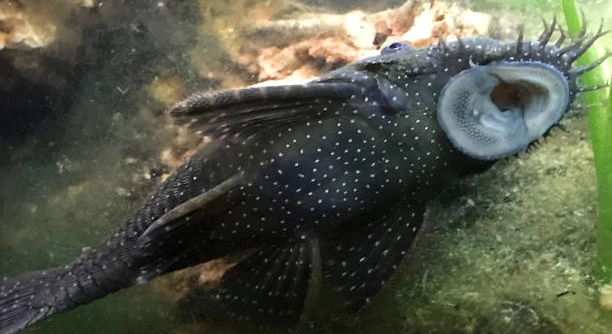
Are your Bristlenose Plecos showing unusual behavior during the night? Many fish owners notice subtle changes when the tank temperature drops. Understanding how these nocturnal shifts affect your Plecos is essential for their overall well-being.
Bristlenose Plecos are sensitive to sudden temperature drops, especially at night. Maintaining a stable water temperature between 74°F and 80°F helps prevent stress, illness, and reduced activity, ensuring their health and normal behavior patterns.
Knowing how temperature affects your Plecos is crucial for a healthy tank environment. Proper care helps them thrive quietly and comfortably throughout the night.
Understanding Bristlenose Plecos’ Temperature Needs
Bristlenose Plecos thrive in stable, warm water. Sudden drops in temperature, especially at night, can stress them. Their natural habitat is tropical rivers, where nighttime temperatures rarely fluctuate drastically. Even small shifts in your tank can impact their activity levels, feeding habits, and immune system. Observing your Plecos closely will help you notice when the water gets too cold. Adjusting heaters, checking thermometer readings, and avoiding drafts near the tank can make a big difference. Cold nights may cause Plecos to hide more, reduce movement, or show slower breathing. These signs are subtle but important for owners to recognize. Ensuring consistent conditions not only protects their health but also encourages normal behavior and reduces the risk of disease. A well-maintained tank helps your Plecos remain active, feed properly, and maintain their natural coloring. Temperature control is a key part of responsible aquarium care for these delicate fish species.
Monitoring water temperature regularly is essential. Small fluctuations can cause long-term health problems if left unchecked.
Providing a steady, warm environment ensures your Plecos feel secure and continue their normal routines. Temperature stability improves their overall health and longevity.
Preventing Nighttime Temperature Drops
Heaters and insulated tanks help maintain warmth at night. Keeping a consistent environment prevents stress and promotes activity.
Nighttime temperature drops can be managed by using reliable heaters, adjusting room placement, and covering the tank to reduce heat loss. Tanks in rooms with drafts or near windows often experience fluctuations that affect fish behavior. Consistent water temperatures reduce stress and help prevent diseases like ich or fungal infections. Monitoring at different times, especially late evenings, ensures your Plecos remain comfortable. Supplemental heating options, like under-tank heaters or thermostats, provide extra stability during colder months. Regular maintenance, including checking heater functionality and replacing faulty equipment, is vital. A small change in water temperature can impact feeding schedules and activity, so proactive steps prevent health problems. By addressing nighttime cooling, owners can provide a stable, safe environment that supports growth, natural behaviors, and vibrant coloration. Taking these measures creates a secure habitat that mirrors the Plecos’ natural conditions and reduces unnecessary stress.
Signs Your Pleco is Feeling Cold
Cold-stressed Plecos often hide more than usual. Reduced movement, slow breathing, and less interest in food are common indicators of discomfort. Observing these behaviors early helps prevent long-term health issues.
When Bristlenose Plecos experience lower temperatures, their metabolism slows. They may become sluggish and spend most of the night in hiding spots. Feeding may decrease, and they may appear lethargic, making it harder for them to maintain normal bodily functions. Over time, this stress can weaken their immune system, leaving them more susceptible to illnesses. Watching their activity patterns closely and checking water temperature regularly allows you to catch these issues before they become serious. Small adjustments, like adding a heater or insulating the tank, can make a noticeable difference.
Behavioral changes caused by cold are subtle but telling. Signs like decreased algae grazing or fewer interactions with tank decorations indicate discomfort. Addressing temperature drops promptly keeps your Pleco active and healthy, preventing complications and ensuring a stable environment for all tank inhabitants.
Maintaining Nighttime Warmth
Using heaters and insulating the tank minimizes temperature fluctuations. Proper equipment reduces stress and encourages consistent behavior in Plecos.
Even slight nighttime cooling can impact Plecos over time. Strategically placing the tank away from drafts, using reliable heaters, and adding insulation materials prevents water temperature from dropping too low. Monitoring with a thermometer ensures the temperature stays within the ideal 74°F–80°F range. During colder months, supplemental heating options like under-tank heaters or small ceramic heaters provide additional stability. Maintaining consistent warmth not only supports normal feeding and movement but also protects immune health. A stable environment allows Plecos to follow natural nocturnal patterns without unnecessary stress, keeping them comfortable and active throughout the night.
Adjusting Tank Setup for Temperature Control
Placing the tank away from windows and vents prevents sudden temperature changes. Using a reliable heater keeps water stable through the night.
Adding floating plants or a tank cover helps retain warmth. These small adjustments reduce stress and protect Plecos from cold shocks.
Feeding Considerations at Night
Cold temperatures can reduce Plecos’ appetite. Feeding smaller portions in the evening ensures they still get proper nutrition. Avoid overfeeding, as uneaten food can pollute the tank.
Monitoring how your Plecos respond to nighttime feeding helps you adjust schedules and portions. Maintaining a balanced diet supports their health even when metabolism slows due to cooler water.
Watching for Stress Signals
Lethargy, clamped fins, or hiding excessively are signs your Pleco may be stressed from cold.
Regular observation lets you act quickly to restore comfort and maintain a healthy, stable environment for your fish.
FAQ
Can Bristlenose Plecos survive brief cold nights?
Bristlenose Plecos can tolerate slight drops in temperature for short periods, but prolonged exposure can be harmful. Even minor cold stress slows metabolism, reduces feeding, and weakens the immune system. Quick interventions, such as adjusting heaters or insulating the tank, help prevent long-term health issues.
What is the ideal nighttime temperature for Plecos?
Maintaining water between 74°F and 80°F is ideal. Temperatures below 72°F can start to stress them, while consistent warmth supports normal activity, feeding patterns, and immune health. Thermometers placed at different tank spots help monitor any uneven cooling.
How can I tell if my Pleco is stressed from the cold?
Stress signs include lethargy, hiding more than usual, clamped fins, slow breathing, and reduced interest in food. Observing changes in algae grazing or nocturnal activity also indicates discomfort. Early detection prevents illness and ensures your Pleco remains healthy.
Should I feed my Pleco at night if it’s cold?
Feeding smaller portions in the evening is recommended. Cold water slows metabolism, so Plecos may not eat as much. Remove uneaten food promptly to prevent water quality issues. Adjust feeding based on activity levels to avoid overfeeding.
Do Plecos need a heater in every tank?
Yes, a reliable heater is important for tanks in cooler rooms or climates. Even mild nighttime drops can stress Plecos. A thermostat-controlled heater ensures stable temperatures, reducing the risk of illness and maintaining normal behavior patterns.
Can a tank cover help maintain warmth?
A tank cover or floating plants helps retain heat by reducing surface evaporation. Covers also limit drafts and keep temperatures more consistent overnight. Combined with a heater, this prevents sudden cold exposure that can stress your Pleco.
Is it harmful if the water drops to 70°F at night?
Short-term drops to around 70°F are generally tolerable, but repeated exposure can cause stress, reduced activity, and increased susceptibility to disease. Monitoring nighttime temperatures and making adjustments prevents prolonged cold stress.
How often should I check the temperature?
Check temperatures daily, especially in colder months or rooms with fluctuating conditions. Thermometers at different tank locations reveal uneven heating. Consistent monitoring helps you catch problems before they affect your Pleco’s health.
What can I do if my Pleco shows signs of cold stress?
Increase heater output, add insulation, and remove drafts immediately. Ensure water parameters are stable, and avoid sudden temperature swings. Adjust feeding to smaller portions, and monitor behavior until activity returns to normal.
Are there any signs that indicate long-term cold stress?
Long-term cold stress may show as stunted growth, faded coloration, frequent hiding, and reduced appetite. Fish may become more prone to infections like fin rot or ich. Maintaining steady warmth and monitoring closely prevents these chronic issues.
Can multiple Plecos affect temperature management?
Larger fish populations generate some heat, but they also produce more waste, which can affect water quality. Proper filtration, heating, and tank coverage ensure all Plecos stay comfortable and healthy during cold nights.
What’s the best way to gradually adjust tank temperature?
Raise or lower water temperature slowly, around 1–2°F per hour, to avoid shocking your Plecos. Sudden changes can cause stress or illness. Using a thermostat and monitoring with a thermometer helps maintain a safe, gradual adjustment.
Does tank location in the room matter?
Yes, placement near windows, vents, or air conditioners can cause temperature fluctuations. Positioning the tank in a stable, draft-free area ensures more consistent warmth and reduces cold stress for Plecos.
Are there signs that indicate a Pleco is comfortable at night?
Active movement, normal breathing, feeding, and routine algae grazing indicate comfort. A Pleco that explores the tank and hides less during the night is likely healthy and unstressed. Regular observation helps you confirm they are thriving.
Can water heaters fail, and how does that affect Plecos?
Heater failure can lead to rapid temperature drops, stressing fish. Using a backup heater or thermostat reduces risk. Monitoring water temperature daily ensures quick response to any malfunction before it affects your Plecos.
Is insulation necessary in tropical climates?
Even in warmer regions, nighttime temperatures can occasionally drop. Insulating the tank or using a tank cover prevents sudden cooling and helps maintain a stable environment for Plecos year-round.
Do Plecos adjust naturally to colder water over time?
They can tolerate mild fluctuations, but prolonged exposure to lower temperatures slows metabolism and increases stress. Gradual adjustments and stable heating are always safer than relying on natural acclimation.
Can cold nights affect breeding behavior?
Yes, cooler water can delay or stop spawning. Plecos require stable, warm conditions to reproduce successfully. Maintaining nighttime warmth supports reproductive behavior and overall health.
How long can Plecos go without feeding in cooler temperatures?
Cold-stressed Plecos may eat less for several days. Their slowed metabolism allows them to survive short periods without food, but prolonged fasting weakens them. Regular temperature monitoring and small evening feedings prevent extended fasting.
What is the best setup for preventing nighttime cold stress?
A reliable heater, insulated tank, stable room placement, tank cover, and regular temperature checks create an optimal environment. Small adjustments, like floating plants or evening feeding, further support Plecos’ health and comfort throughout the night.
Bristlenose Plecos are hardy fish, but their well-being depends heavily on stable water temperatures. Nighttime temperature drops, even small ones, can stress them and affect their overall health. Plecos are naturally adapted to tropical environments where temperatures remain fairly consistent, so sudden changes in their tank can disrupt normal behavior. Signs like hiding more, moving sluggishly, or eating less are subtle indicators that the water may be too cold. Paying attention to these cues is important for maintaining a healthy aquarium. Regular observation of your Plecos’ activity, feeding habits, and breathing patterns can help you catch temperature-related issues early. Even small steps, like monitoring the thermometer at night or making sure heaters are functioning properly, can prevent more serious problems from developing. A stable and warm environment allows your Plecos to remain active, healthy, and comfortable, following their natural nocturnal routines without unnecessary stress.
Maintaining proper temperature is not only about comfort but also about preventing disease and supporting long-term health. When water drops too low, Plecos’ immune systems weaken, making them more susceptible to infections like fin rot, ich, or fungal issues. Consistently keeping the water within the ideal range of 74°F to 80°F helps prevent these problems. Using reliable heaters with thermostats, insulating the tank, and keeping it away from drafts or windows are practical ways to maintain stability. Supplementary measures, such as floating plants or a tank cover, can also reduce heat loss overnight. Feeding adjustments are sometimes necessary during cooler periods because their metabolism slows down. Offering smaller portions in the evening ensures they get enough nutrition without overfeeding, which can harm water quality. Overall, proper temperature management creates a secure environment that supports both physical health and natural behaviors, allowing Plecos to thrive as they would in the wild.
Taking care of your Bristlenose Plecos involves attention to detail and consistent monitoring, but the results are worth it. Observing their habits, adjusting the tank setup, and preventing nighttime temperature drops ensures your fish remain active, feed properly, and maintain healthy coloration. These small efforts contribute significantly to their overall quality of life and longevity. Consistency is key—regular checks, functioning equipment, and an awareness of temperature fluctuations make a noticeable difference in the behavior and health of your Plecos. Over time, creating a stable, warm environment becomes second nature, and your Plecos will respond positively. They may hide less, explore more, and show normal nocturnal activity, which reflects both comfort and health. Ensuring your Plecos are not exposed to stressful cold nights is a critical part of responsible aquarium care, allowing you to enjoy a vibrant, thriving aquatic habitat while giving your fish the best chance to live happily and healthily for many years.

Hello,
If you enjoy the content that we create, please consider saying a "Thank You!" by leaving a tip.
Every little bit helps us continue crafting quality advice that supports the health, happiness, and well-being of pets around the world, for pets of all shapes, sizes, and species.
We really appreciate the kindness and support that you show us!