
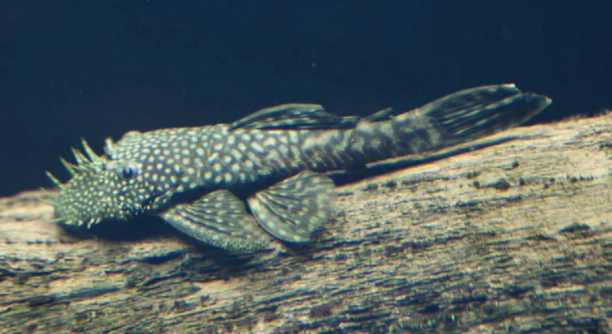
Plecos are fascinating fish that bring life to home aquariums. Their unique habits and care needs make it important to consider the environment in which they thrive, including the type of substrate they live on.
Selecting the right substrate for plecos involves more than aesthetics. Gravel, sand, and specialized materials each affect their health, feeding, and natural behaviors. Choosing substrates that mimic natural habitats ensures their comfort, reduces stress, and supports overall well-being in captivity.
Exploring these substrate options will help you create a healthier, more enjoyable environment for your plecos and enhance their daily activity.
Fine Sand Substrate
Fine sand is one of the most comfortable substrates for plecos. Its smooth texture allows them to glide along the bottom without damaging their sensitive barbels or fins. Many plecos prefer sand because it mimics the soft riverbeds they naturally inhabit. When choosing sand, opt for aquarium-safe types that are free from sharp edges. Avoid colored or treated sands, as they can leach harmful chemicals into the water. Sand also helps in preventing food from getting trapped, making cleaning easier. It supports the growth of beneficial bacteria, which are essential for maintaining water quality. A sand substrate can encourage natural behaviors, such as burrowing and sifting, which keeps plecos active and healthy. Mixing sand with small amounts of other materials can create a more dynamic environment, but it’s important to maintain consistency to avoid disturbing the pleco’s comfort. Overall, sand is a reliable and safe choice for most pleco species.
Fine sand allows plecos to move freely and dig naturally, reducing stress and supporting their overall well-being in the tank environment.
Using fine sand also enhances the tank visually, giving a clean and natural look. It requires careful maintenance to prevent compacting, but regular gentle stirring keeps the substrate aerated. Some plecos enjoy small burrows or creating patterns as they move through the sand. Over time, sand accumulates waste differently than gravel, so monitoring water quality remains important. Choosing sand not only benefits the fish physically but also encourages natural behaviors, making the aquarium more engaging to observe. It pairs well with driftwood and plants, creating a complete habitat that mimics a riverbed ecosystem. Sand can also help prevent injuries from rough surfaces, particularly for bottom-dwelling species. Overall, maintaining fine sand in a pleco tank combines aesthetics, health, and behavioral enrichment for the fish.
Smooth Gravel Options
Smooth gravel is another suitable option for plecos, as it reduces the risk of scratches while providing structure for hiding spots.
Gravel creates a varied environment, allowing plecos to explore and interact with their surroundings.
Smooth gravel comes in different sizes, which can influence how plecos feed and move. Larger gravel pieces provide more gaps for natural detritus accumulation, which plecos may sift through while searching for food. Smaller gravel is easier to clean but may shift more easily, affecting tank layout. Combining gravel with sand layers can offer the benefits of both substrates. The color and shape of gravel also impact water chemistry minimally if aquarium-safe types are used. Smooth gravel can be paired with decorations, rocks, and plants, giving plecos both hiding spots and open areas for activity. Regular maintenance prevents trapped waste from accumulating, keeping the tank healthy. For many species, gravel is versatile, durable, and visually appealing, making it a practical choice for long-term pleco care.
Driftwood Substrate
Driftwood adds both texture and nutrients to a pleco tank. It gives fish hiding spots and surfaces to graze on, helping them feel secure and supporting natural behavior.
Driftwood releases beneficial tannins into the water, slightly lowering pH and softening water, which many pleco species prefer. It also provides a natural surface for biofilm and algae growth, which plecos feed on. Different types of driftwood vary in hardness and decomposition rate, so it’s important to select pieces that won’t break down too quickly. Anchoring driftwood prevents floating and ensures stability in the tank. Combining driftwood with sand or gravel enhances both functionality and aesthetic appeal, creating a more natural environment. Properly prepared driftwood should be boiled or soaked to remove contaminants and reduce tannin release to manageable levels, maintaining water clarity and safety for all tank inhabitants.
Using driftwood alongside other substrates can create a more engaging habitat. Plecos may carve small grooves or rest beneath overhangs, mimicking natural hiding and foraging behaviors, and enhancing overall tank dynamics.
Driftwood interacts with other elements in the aquarium. It can be paired with live plants, rocks, or sand to form diverse textures and microhabitats. Plecos enjoy grazing on the surfaces while hiding from stronger fish, reducing stress. Over time, biofilm growth on driftwood encourages feeding activity and supports a balanced tank ecosystem. Tannins from driftwood can slightly tint the water, creating a more natural river-like appearance, which plecos respond to positively. Proper placement and care of driftwood improve both fish health and the tank’s visual appeal.
Leaf Litter Substrate
Leaf litter provides shelter and nutrients while encouraging natural behaviors. Plecos often graze on decomposing leaves, benefiting from the biofilm that grows on them.
Leaf litter slowly breaks down, releasing beneficial compounds into the water and supporting microfauna that plecos consume. It creates a soft, irregular layer on the tank floor, offering protection and mimicry of riverbeds. Different leaves, like Indian almond or oak, vary in decomposition speed and tannin levels, so selecting suitable types is key. Leaves can be layered over sand or gravel to combine softness and structure, making cleaning easier while providing feeding areas. They also help maintain slightly acidic water, which many pleco species prefer. Regular replacement of decayed leaves prevents water quality issues while keeping the substrate functional and healthy. Leaf litter adds depth, natural texture, and encourages more active and content fish behavior.
Using leaf litter encourages plecos to explore, sift, and graze naturally. The gradual decay supports microorganisms that supplement the fish diet. It also provides a soft layer for resting or hiding. Pairing leaves with driftwood or rocks increases hiding spots and complexity, reducing stress. This substrate is particularly effective in creating a more dynamic and self-sustaining ecosystem. The organic matter interacts with water chemistry subtly, benefiting plecos that thrive in slightly tannin-rich, soft water conditions. Proper management ensures the litter supports health and activity without compromising cleanliness or aesthetics.
Pebble Substrate
Pebbles create a stable surface for plecos to move across while adding texture to the tank. They are easy to rinse and maintain, reducing trapped debris and making cleaning straightforward.
Small, smooth pebbles prevent injury to plecos’ sensitive barbels and fins. They can be arranged to form pathways or small hiding areas, encouraging exploration.
Aquarium Soil
Aquarium soil supports plant growth while providing a soft, nutrient-rich base for plecos. It helps maintain stable water parameters and can gently buffer pH. Soil substrates create a more natural environment that plecos enjoy, combining comfort with functional benefits for the overall tank ecosystem.
Ceramic Tiles
Ceramic tiles are a simple, durable substrate option that is easy to clean. Plecos can glide along them without risk of abrasion.
FAQ
What is the best substrate for plecos?
The best substrate depends on the pleco species and tank setup. Fine sand is ideal for most plecos because it is soft, allows natural digging, and prevents damage to barbels and fins. Gravel can work if it is smooth and rounded, providing structure without sharp edges. Driftwood and leaf litter complement other substrates by offering surfaces for grazing and hiding. Aquarium soil is useful if live plants are included, as it provides nutrients and maintains stable water conditions. Choosing a substrate that balances comfort, safety, and natural behaviors ensures plecos stay healthy and active.
Can plecos live on gravel alone?
Yes, plecos can live on smooth gravel alone, but it may limit their natural behaviors. Gravel provides a firm base for movement and foraging, but it does not allow digging or sifting as sand does. Including driftwood or leaf litter can offset this limitation by giving plecos surfaces for grazing and hiding. Regular cleaning is necessary because food and waste can get trapped between pebbles. Smooth gravel reduces the risk of injury, making it safer than coarse or sharp gravel. Combining gravel with other substrates creates a more dynamic environment and better supports the pleco’s well-being.
How often should I clean pleco substrates?
Cleaning frequency depends on substrate type and tank population. Sand and gravel benefit from weekly gentle vacuuming to remove excess food and debris without disturbing beneficial bacteria. Leaf litter and driftwood should be inspected regularly, replacing decayed pieces before they affect water quality. Over-cleaning can remove biofilm, which plecos feed on, so balance is key. Proper substrate maintenance ensures the tank remains healthy and minimizes harmful buildup. Monitoring water parameters alongside substrate cleaning helps maintain a stable environment for plecos. Regular care keeps both the fish and tank looking well-kept and thriving.
Are there substrates to avoid for plecos?
Avoid sharp or coarse substrates that can injure plecos’ barbels or fins. Colored or chemically treated sands and gravels may leach harmful substances into the water. Some dense or rough rocks can also pose risks if plecos rub against them frequently. Avoid substrates that compact easily, as they can trap waste and cause water quality issues. Substrates that release excessive tannins or alter pH dramatically may stress certain species. Always select materials labeled as aquarium-safe and suited for bottom-dwelling fish. Testing new substrates in a quarantine tank first can prevent potential problems in the main aquarium.
Do substrates affect pleco health?
Yes, substrates play a significant role in pleco health. Soft, smooth substrates like sand prevent abrasions, while rough or sharp substrates can cause injuries or infections. Substrates that allow natural behaviors, such as digging and grazing, reduce stress and promote activity. Leaf litter, driftwood, and aquarium soil also contribute to water chemistry stability, supporting overall well-being. Poor substrate choices can lead to unnatural behaviors, increased stress, and susceptibility to disease. A carefully chosen substrate creates a safe, functional environment that supports both physical health and mental stimulation for plecos.
Can I mix different substrates for plecos?
Mixing substrates can create a more engaging and natural environment. Combining sand with smooth gravel offers both digging opportunities and structural stability. Adding driftwood, leaf litter, or small rocks enhances hiding and grazing areas. Care should be taken to prevent uneven layering that could trap waste. Mixed substrates encourage natural behaviors, reduce stress, and mimic riverbed habitats. Observation is necessary to ensure plecos are comfortable and that water parameters remain stable. Properly combining substrates can improve tank aesthetics while maximizing the functional benefits for plecos.
How do substrates impact tank maintenance?
Substrate choice directly affects cleaning and water quality management. Sand requires gentle vacuuming to avoid compaction, while gravel traps debris between particles and needs more careful cleaning. Leaf litter and driftwood slowly decompose, so they require replacement over time to prevent excess organic buildup. Soil substrates can affect pH and nutrient levels, influencing plant growth and filtration needs. Choosing substrates that balance ease of cleaning with natural benefits reduces maintenance effort while keeping plecos healthy. Monitoring water quality alongside substrate care ensures a stable and thriving environment.
Are there substrates suitable for all pleco species?
No single substrate suits all pleco species. Some prefer soft sand, others benefit from leaf litter or driftwood for grazing. Large species may need sturdier substrates to support their weight without shifting, while smaller species favor softer surfaces to prevent injury. Understanding species-specific habits and natural habitats helps determine the best substrate. Testing different substrates gradually can identify what your pleco prefers while maintaining water quality. A combination of safe, natural materials often provides the most suitable environment for diverse pleco species, balancing comfort, activity, and tank aesthetics.
How does substrate influence feeding behavior?
Substrates affect how plecos search for and consume food. Sand allows them to sift naturally, while gravel may trap uneaten food. Driftwood and leaf litter provide surfaces for biofilm and algae growth, which plecos graze on regularly. Substrate type influences feeding patterns, encouraging natural foraging and reducing stress. Proper substrate ensures plecos access food safely while supporting healthy digestion and activity levels. Observing how plecos interact with different substrates can help optimize feeding strategies and maintain a clean, balanced aquarium.
Can changing substrate stress plecos?
Yes, sudden substrate changes can stress plecos. They rely on familiar textures for movement, grazing, and hiding. Gradual transitions, such as adding new layers over existing substrate, minimize disruption. Maintaining water parameters during changes prevents additional stress. Observation is important to ensure plecos adapt and continue natural behaviors. A thoughtful approach reduces risk of stress-related illness or behavioral issues.
Is substrate important for breeding plecos?
Substrate plays a key role in breeding. Many species prefer soft, natural substrates like sand, leaf litter, or smooth gravel to lay eggs and protect fry. Driftwood provides surfaces for attachment and hiding. Proper substrate encourages spawning behavior and increases survival rates. Ensuring safety, comfort, and access to food for adults and fry supports successful breeding outcomes.
What are affordable substrate options for plecos?
Sand, smooth gravel, and dried leaf litter are affordable yet effective options. Driftwood can be collected carefully from safe sources or purchased at moderate cost. Aquarium soil varies in price but provides long-term benefits, especially for planted tanks. Combining inexpensive substrates with minimal but functional decor can create a safe, healthy environment without excessive spending. Affordable choices still require proper preparation and maintenance to ensure water quality and pleco well-being.
Final Thoughts
Selecting the right substrate for plecos is more than a decorative choice. It directly impacts their comfort, health, and natural behaviors. Soft substrates like fine sand allow plecos to move, dig, and forage without risking injuries to their sensitive barbels and fins. Smooth gravel provides structure while still being safe for bottom-dwelling movement, although it does not allow the same digging opportunities. Adding elements like driftwood or leaf litter further supports natural behaviors, giving plecos surfaces to graze on and places to hide. Aquarium soil, particularly in planted tanks, offers nutrients and stability that improve both fish and plant health. Each substrate type interacts with the tank ecosystem differently, influencing water quality, bacterial growth, and feeding patterns. Understanding the needs of your specific pleco species is essential to choosing substrates that will foster a healthy and active environment. The goal is to replicate elements of their natural habitat as closely as possible, while maintaining a manageable and safe tank setup.
Proper substrate management is equally important. Substrates can trap food, waste, and debris, which can affect water quality if left unchecked. Regular cleaning and monitoring of the substrate help prevent problems such as bacterial overgrowth, ammonia spikes, or stress-related issues in plecos. Soft substrates like sand need gentle stirring to prevent compaction, while gravel requires occasional vacuuming between particles to remove trapped matter. Organic additions like leaf litter or driftwood should be inspected and replaced as they decompose to maintain safety and cleanliness. Even when choosing the best substrate, neglecting maintenance can reduce the benefits for plecos. A balance between natural comfort and practical upkeep ensures that the fish remain healthy and the tank remains visually appealing. Observing plecos regularly provides insight into how well they are interacting with their substrate, allowing adjustments if they seem stressed or inactive. Substrate care is part of creating a stable and thriving aquatic environment.
When considering substrates, it’s also helpful to think about long-term tank health. Substrates affect not only plecos but also water chemistry, plant growth, and filtration efficiency. Driftwood and leaf litter can release tannins, slightly altering pH, which benefits many pleco species but requires monitoring to prevent drastic changes. Soil substrates contribute nutrients but can influence water hardness and clarity. Combining substrates thoughtfully can create a dynamic and natural environment that supports both fish and plants. Plecos respond positively to spaces where they can forage, hide, and rest comfortably, which reduces stress and encourages activity. By choosing suitable substrates and maintaining them properly, you ensure a stable, functional habitat that supports the overall well-being of your plecos. A carefully planned substrate setup is not only beneficial for the fish but also enhances the aquarium visually and functionally, creating a balanced ecosystem that can thrive over time.

Hello,
If you enjoy the content that we create, please consider saying a "Thank You!" by leaving a tip.
Every little bit helps us continue crafting quality advice that supports the health, happiness, and well-being of pets around the world, for pets of all shapes, sizes, and species.
We really appreciate the kindness and support that you show us!