
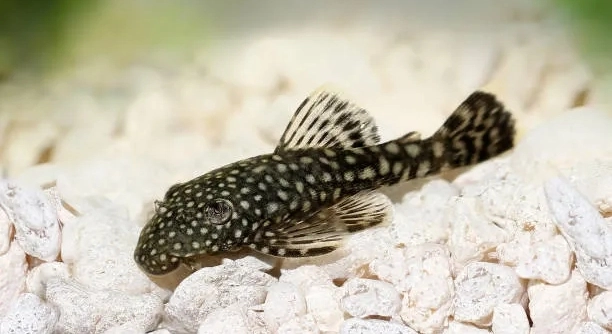
Bristlenose plecos are small, peaceful fish that bring life to freshwater tanks. They spend much of their time exploring surfaces, hiding in caves, and grazing on algae, creating a lively and active environment for aquarists.
Bristlenose plecos can recognize tank boundaries through visual cues, spatial memory, and tactile feedback. They adjust their movements based on obstacles and tank walls, demonstrating an awareness of their environment that supports both their feeding behavior and general navigation.
Observing their movements can reveal surprising insights into how they interact with their surroundings and use their habitat efficiently.
How Bristlenose Plecos Explore Their Tanks
Bristlenose plecos move carefully around their tanks, often inspecting corners, surfaces, and decorations. They rely heavily on touch and sight to gauge distances and navigate obstacles. Watching them, I notice how methodical their movements are, pausing frequently to test surfaces or adjust direction. Algae scraping is not just feeding; it also helps them map out areas they have already visited. Lighting, water flow, and the placement of rocks or driftwood affect how freely they move. Some plecos prefer open spaces, while others stick close to hiding spots. Over time, they seem to remember where decorations are and avoid bumping into them. Tank size influences activity levels; smaller tanks may make them appear more cautious. Observing this behavior can be surprisingly engaging. It highlights the complexity of even small fish and reminds me how adaptable they are in confined spaces. Their movements are subtle yet purposeful, making them interesting to watch daily.
Their exploration habits ensure they cover most of their tank efficiently, maintaining algae control and interacting with their environment consistently.
Bristlenose plecos have an innate sense of boundaries that develops with experience. They recognize walls and obstacles, adjusting their speed and direction accordingly. While they may bump occasionally, repeated exposure helps refine their spatial awareness. Decorations, plants, and hiding spots influence how they move, sometimes creating preferred pathways. Understanding these patterns can help aquarists place items strategically, ensuring fish safety and promoting natural behavior. Plecos may favor certain areas based on comfort, water flow, or feeding zones. Tracking their movement over time shows a pattern of daily routines, including algae grazing, resting in shelters, and patrolling open spaces. By observing these routines, owners can make informed decisions about tank layout, lighting, and feeding strategies, supporting both fish well-being and tank cleanliness. Adaptation to boundaries is gradual but evident, demonstrating intelligence and environmental awareness.
Signs That Your Pleco Recognizes Its Tank
Bristlenose plecos adjust their swimming when approaching walls or obstacles, showing awareness of their environment.
Plecos demonstrate boundary recognition through repeated patterns and avoidance behaviors. They often return to the same hiding spots, move efficiently around decorations, and react to changes in tank layout. A noticeable sign is their ability to graze algae without repeatedly hitting surfaces, indicating spatial memory. They also exhibit cautious movements near glass edges and corners, adjusting their fins to navigate tight spaces. Introducing new structures or rearranging the tank can temporarily disrupt these patterns, but most plecos adapt quickly, finding new paths and safe zones. Understanding these behaviors helps aquarists maintain a layout that supports natural activity and reduces stress. By observing their routine, one can identify which areas are preferred, which zones are avoided, and how environmental factors like lighting or current influence movement. This awareness ensures that plecos remain comfortable, active, and healthy in a contained habitat, while also enhancing overall tank management and design.
Tank Size and Pleco Behavior
Smaller tanks make plecos more cautious, while larger tanks allow freer movement. Space affects how often they graze, rest, and explore. Tank decorations create paths they learn to navigate over time, shaping their daily activity patterns.
Plecos in confined spaces often move slower, frequently pausing to inspect obstacles. They rely on walls and objects for orientation, making each exploration deliberate. Larger tanks provide room to swim more naturally, reducing stress and encouraging full-body exercise. Observing plecos, I notice how they adapt to different layouts, sometimes memorizing routes around rocks or driftwood. Proper tank size ensures they remain active without feeling confined, supporting health and longevity. Environmental enrichment, like caves and plants, further encourages natural behaviors, making them more confident and efficient in their movements.
Over time, plecos in well-sized tanks display consistent routines. They graze algae systematically, return to preferred hiding spots, and patrol open areas confidently. Adjusting tank layout or adding new decorations temporarily alters movement, but most quickly adapt. Patterns of exploration show spatial awareness, revealing how plecos learn boundaries and interact with surroundings. Adequate space enhances both activity and comfort, while overcrowding can lead to stress, reduced grazing efficiency, and potential health issues. Observing these adaptations is fascinating, highlighting their intelligence and capacity to navigate complex environments.
Environmental Factors Affecting Navigation
Lighting and water flow strongly influence pleco movement. Bright lights may make them more cautious, while gentle flow encourages swimming along paths. Plants and rocks create familiar zones they use repeatedly.
Plecos adjust their activity depending on environmental conditions. Strong currents can alter grazing habits, making them stick to sheltered areas. Dim lighting encourages exploration without stress, while intense brightness may drive them to hide. Decorations, plants, and substrate textures provide tactile feedback, helping them detect obstacles and maintain orientation. Observing my pleco, I notice how even small changes in flow or layout shift their routine. Consistent conditions support confident navigation, whereas sudden changes require adjustment time. Providing varied hiding spots and predictable currents allows plecos to feel secure while exercising natural behaviors throughout the tank.
Pleco Interaction With Tank Decor
Plecos often use decorations as reference points, moving around rocks, caves, and driftwood. These structures help them feel secure and navigate efficiently, creating familiar pathways that they repeatedly follow throughout the day.
Over time, they memorize object positions, adjusting movements to avoid collisions. Even small changes in decor can temporarily disrupt their routine, but most quickly adapt to new arrangements.
Feeding and Boundary Awareness
Bristlenose plecos link feeding zones to tank boundaries. They graze algae systematically, often starting near corners or edges, demonstrating spatial awareness while efficiently covering available surfaces.
Signs of Stress Related to Boundaries
Bumping frequently into walls or hiding excessively can indicate stress. Plecos under stress may avoid open areas, reduce grazing, or linger in shelters, signaling discomfort with their environment.
FAQ
Do bristlenose plecos always recognize their tank boundaries?
Most bristlenose plecos learn their tank layout over time. They rely on visual landmarks, tactile feedback, and memory to navigate. While they generally avoid repeatedly bumping into walls, new decorations or sudden changes in tank layout can temporarily confuse them. Observing them over days shows they adapt quickly and resume efficient movement patterns.
How do decorations affect their movement?
Rocks, caves, and plants create familiar reference points. Plecos memorize these locations and use them to navigate safely. Rearranging decor can initially slow movement, but plecos adjust within a few days, establishing new pathways. Consistent decor supports confident grazing and exploration.
Can tank size change their behavior?
Yes. Smaller tanks make plecos cautious and slow, limiting swimming space. Larger tanks allow freer movement, more grazing, and longer exploration. Adequate space reduces stress and supports natural behaviors like patrolling and resting in multiple areas.
Do they prefer corners or open spaces?
Plecos often favor corners and hiding spots for security, especially during bright lighting or strong currents. Open areas are used for grazing and swimming, but they typically return to shelters after activity. Providing multiple hiding spots ensures comfort and encourages natural movement patterns.
How quickly do plecos adapt to changes?
Adaptation is gradual. Minor rearrangements or new decorations may temporarily disrupt routines. Most plecos adjust within a few days, learning new paths and updating spatial memory. Stress is usually minimal if changes are moderate and hiding spots remain accessible.
Does water flow influence their navigation?
Strong currents can alter how plecos move, making them stay near sheltered areas or slow their grazing. Gentle, consistent flow encourages movement along predictable paths. Plecos use flow patterns to determine where to swim, rest, or feed. Observing their response helps in optimizing tank setup.
How can I tell if my pleco is stressed by boundaries?
Frequent wall collisions, hiding excessively, reduced grazing, or minimal swimming are signs of stress. These behaviors indicate discomfort or difficulty adjusting to the environment. Adjusting tank layout, providing more hiding spots, or reducing strong currents can help them regain confidence.
Do plecos remember feeding areas?
Yes. They often associate specific zones with food sources and return to these areas consistently. This behavior demonstrates spatial memory and awareness of their environment. Rotating feeding spots occasionally can encourage exploration without causing stress.
Are younger plecos less aware of boundaries?
Juvenile plecos may be more cautious and bump more often as they learn the tank layout. Over time, they develop better spatial awareness, and their movement becomes more deliberate and efficient. Observation helps track their learning and comfort level.
Do lighting conditions affect their behavior?
Bright lights can make plecos more cautious, driving them toward hiding spots. Dimmer, consistent lighting encourages exploration and grazing. Adjusting light gradually helps plecos navigate confidently without sudden stress.
Can multiple plecos share the same tank without confusion?
Yes, as long as there is enough space and hiding spots. They often establish personal zones, patrolling specific areas while respecting boundaries. Overcrowding can increase stress, so careful observation ensures harmonious cohabitation.
Do plecos use tactile feedback to navigate?
Absolutely. Their fins, barbels, and body contact surfaces help them detect obstacles and maintain orientation. This sense complements vision and memory, allowing precise movement even in complex layouts.
Is boundary awareness linked to intelligence?
Bristlenose plecos demonstrate problem-solving and memory through spatial navigation. Recognizing boundaries, adjusting to changes, and establishing efficient routines reflect their ability to learn and adapt in their environment.
How can I encourage confident navigation?
Provide consistent decor, moderate currents, sufficient space, and predictable feeding zones. Multiple hiding spots reduce stress, while observation ensures adjustments meet their comfort needs. Gradual environmental changes promote learning without overwhelming them.
Do they explore the entire tank daily?
Yes, they usually cover most areas while grazing and patrolling. Some regions may be preferred due to comfort or food availability, but repeated observation shows a systematic approach to exploring boundaries and familiar zones.
How long does it take for plecos to fully understand a new tank?
It varies, but most plecos establish efficient navigation and routines within a few weeks. Complexity of the layout, tank size, and environmental stability influence the learning period, with consistent patterns emerging as they adapt.
Can boundary awareness prevent injuries?
Mostly, yes. Recognizing walls and obstacles reduces collisions and helps plecos use hiding spots safely. Adequate space and familiar decor further lower the risk of stress or injury.
Does tank cleanliness affect their movement?
Yes. A clean, well-maintained tank encourages regular grazing and activity. Excess algae overgrowth or debris may distract or hinder movement, while consistent maintenance supports comfort and confident navigation.
Do plecos change movement habits at night?
They tend to be less active at night, resting in shelters or slow grazing. Reduced light encourages hiding, but spatial memory still guides safe navigation, even during lower activity periods.
Are plecos’ boundaries influenced by tank mates?
Yes. Other fish can alter movement patterns, creating temporary detours or avoidance behaviors. Proper spacing and observation help ensure plecos maintain confidence navigating their usual areas without stress.
Final Thoughts
Bristlenose plecos are more aware of their surroundings than many people realize. Observing them over time reveals that they are deliberate in how they move, graze, and interact with their tank environment. They use visual cues, tactile feedback, and memory to navigate, which allows them to recognize tank boundaries and move efficiently without constant collisions. Their movements are purposeful, whether they are patrolling open areas, grazing algae, or resting in preferred hiding spots. For anyone keeping these fish, understanding that plecos are actively learning their environment can change how the tank is designed and maintained. A well-thought-out setup with adequate space, hiding spots, and clear pathways encourages natural behaviors and reduces stress. Over time, watching a pleco move through a tank becomes an exercise in noticing small details, from the way they adjust their fins near obstacles to how they systematically clean surfaces, demonstrating intelligence and environmental awareness that is often underestimated.
Tank size and decor play significant roles in boundary recognition and overall activity. Smaller tanks tend to make plecos more cautious, limiting swimming space and slowing movement, while larger tanks allow freer exploration and more dynamic grazing patterns. Decorations, plants, and rocks provide reference points that plecos quickly learn to navigate, creating familiar pathways they use repeatedly. Changes in layout can temporarily disrupt movement, but most plecos adapt within a few days, showing impressive spatial memory. Water flow and lighting also influence behavior. Strong currents may force plecos to stick to sheltered areas, while gentle, consistent flow encourages swimming along predictable paths. Bright lighting can make them more cautious, while dim or moderate light promotes confidence and activity. By observing these responses, aquarists can create environments that support natural behavior while also maintaining tank health and cleanliness.
Feeding habits further illustrate plecos’ awareness of boundaries. They often associate specific areas with food sources and return to these spots consistently. Juvenile plecos may take longer to learn tank layouts, often bumping into walls or obstacles as they explore, but over time they develop a strong sense of spatial awareness. Signs of stress related to boundaries, such as excessive hiding, reduced grazing, or frequent collisions, indicate that environmental adjustments may be necessary. Providing sufficient space, stable decorations, multiple hiding spots, and predictable feeding zones helps plecos feel secure while supporting confident movement. Observing these behaviors closely allows for adjustments that improve comfort and health, making the tank a more harmonious space. Overall, bristlenose plecos demonstrate intelligence, adaptability, and sensitivity to their environment, highlighting the importance of thoughtful tank design and consistent care. Their ability to learn boundaries and navigate efficiently is a reminder that even small fish respond meaningfully to their surroundings and benefit from an environment designed with attention to their needs.

Hello,
If you enjoy the content that we create, please consider saying a "Thank You!" by leaving a tip.
Every little bit helps us continue crafting quality advice that supports the health, happiness, and well-being of pets around the world, for pets of all shapes, sizes, and species.
We really appreciate the kindness and support that you show us!