
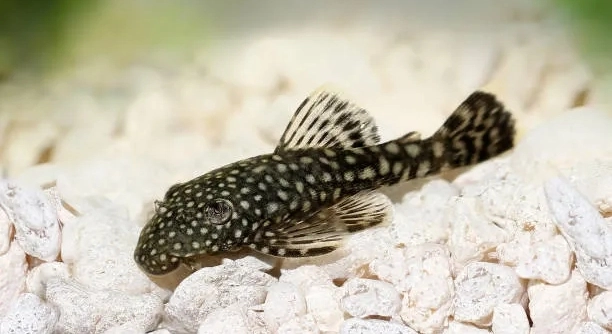
Bristlenose plecos are small freshwater fish often kept in home aquariums. They are known for their unique appearance and peaceful behavior. Many aquarium owners notice how attentive these fish are to movements in their environment.
Bristlenose plecos are capable of sensing water vibrations through specialized sensory organs called the lateral line system. This system allows them to detect changes in water movement, aiding in navigation, predator avoidance, and communication within their habitat.
Learning about how plecos respond to vibrations can improve aquarium care. Understanding these behaviors helps ensure a healthier, more engaging environment for your fish.
How Bristlenose Plecos Sense Water Vibrations
Bristlenose plecos use their lateral line system to detect vibrations in the water. This system runs along their sides and is made up of tiny hair cells that sense movement and pressure changes. These vibrations can come from nearby fish, water currents, or objects in the tank. By detecting these signals, plecos can react quickly to potential threats or adjust their swimming to navigate obstacles. Even small disturbances, like tapping the tank glass or adding new decorations, are noticed. Their sensitivity allows them to locate food as well, especially in low-light conditions where vision is limited. This makes them efficient at exploring the tank without relying solely on sight. Aquarists often observe plecos hiding or moving toward a specific area after feeling vibrations, showing how important this sense is to their daily behavior and comfort. Maintaining stable water conditions can help them feel secure and respond naturally.
The lateral line system works continuously, giving plecos constant feedback. It helps them stay aware and safe.
Understanding this sense is key to setting up an aquarium that meets plecos’ needs. By keeping the tank calm and predictable, you allow them to explore, feed, and interact comfortably. Providing gentle water flow, hiding spots, and careful handling supports their natural behaviors. You might notice them reacting subtly to other fish or water movement, which shows how attuned they are to their surroundings. Appreciating this ability can enhance how you observe and care for them, making your tank a better environment. The more you notice these behaviors, the easier it is to create a stress-free home. Monitoring vibrations and responses also helps in identifying if the fish are healthy and comfortable. Their reactions are small but informative, offering insight into their wellbeing. By paying attention, you ensure a balanced habitat that aligns with their natural instincts and promotes longer, happier lives.
Factors That Affect Sensitivity
Tank size, water quality, and decorations can influence how plecos perceive vibrations.
Changes in water temperature or strong currents can reduce their ability to sense subtle movements. Noise from pumps or filters may also interfere. The placement of plants and rocks creates natural flow patterns that either amplify or dampen vibrations. Overcrowded tanks limit space for plecos to respond to signals. Even daily activities around the tank can create disturbances, affecting their behavior. Maintaining clean water, moderate flow, and thoughtful decoration placement enhances their sensory experience. Regularly observing how they react to small changes can help identify stress or discomfort.
Providing a stable environment is essential for plecos’ wellbeing. Sudden alterations, like rearranging decorations or introducing new fish, create unexpected vibrations. Plecos may hide more or become less active if overwhelmed. Ensuring consistent water parameters, moderate lighting, and predictable routines allows them to adjust without stress. Gentle water movement encourages natural responses without overstimulation. Hiding spots reduce tension from strong currents or frequent disturbances. Understanding how vibrations interact with their habitat also informs feeding habits, as plecos often search for food following subtle movements. Observing these reactions provides insight into their comfort and health. Careful management of the aquarium setup ensures plecos feel safe and can express normal behaviors, leading to more active and healthy fish.
Common Behaviors Triggered by Water Vibrations
Bristlenose plecos react to vibrations in several ways, including hiding, exploring, or changing swimming patterns. These responses help them avoid danger, find food, or interact with other fish. Observing these behaviors can provide insight into their comfort and health in the tank.
Plecos often retreat to hiding spots when strong or sudden vibrations occur. This behavior is instinctive, protecting them from potential threats. Gentle vibrations, like moving water or small tank disturbances, may cause them to investigate rather than hide. They may slowly approach the source, using their lateral line system to gauge the strength and direction of the movement. Understanding these subtle cues allows aquarists to interpret their reactions accurately. Monitoring how plecos respond over time helps identify stressors and ensures a more stable environment. Consistent observation makes it easier to provide optimal tank conditions, such as appropriate flow and hiding areas.
In addition to hiding or exploring, plecos sometimes adjust their feeding behavior based on water vibrations. They are more likely to investigate food sources after detecting subtle movements, which can indicate activity or potential prey. Sudden or intense vibrations may temporarily suppress feeding, showing their sensitivity to the environment. Recognizing these patterns helps in planning feeding times and tank maintenance. Creating predictable water conditions allows plecos to feel secure and behave naturally. Their responses to vibrations provide a window into their instincts and needs, helping aquarists better understand and support their well-being.
Enhancing Sensory Experience for Plecos
Proper tank setup, including gentle water flow and stable decorations, supports plecos’ ability to sense vibrations. Hiding spots and smooth surfaces reduce stress caused by sudden movements, improving overall comfort.
Using soft substrates and strategically placing rocks or driftwood encourages natural exploration. Avoid overcrowding, as excessive activity limits their ability to react to vibrations. Filters and pumps should create moderate currents, mimicking natural conditions without overwhelming their lateral line system. Observing their reactions to adjustments helps refine the environment for comfort and engagement. Consistent water quality and temperature further support their sensory abilities.
Lighting and feeding routines also affect how plecos interact with vibrations. Gentle, predictable lighting helps them navigate confidently, while feeding during calm periods minimizes stress. Vibrations from strong water flow or sudden changes can discourage activity, so gradual adjustments are best. Regularly checking their behavior ensures the tank remains supportive of natural instincts. By providing a thoughtful setup, plecos feel secure, explore freely, and maintain healthy activity levels. Their responses to subtle water movements reveal a lot about their comfort and overall well-being.
How Plecos Use Vibrations to Communicate
Bristlenose plecos often use water vibrations to signal their presence to other fish. These signals can indicate territory, readiness to feed, or responses to environmental changes. Subtle movements convey important information without visual contact, making vibrations an essential part of their communication.
Juvenile plecos rely heavily on vibrations to learn from older fish. They observe patterns of movement and react accordingly, understanding which areas are safe or where food is located. This early sensitivity helps them adapt quickly to their surroundings and avoid potential dangers.
Effects of Tank Noise on Sensitivity
Loud or constant tank noises, such as pumps, filters, or external vibrations, can reduce a pleco’s ability to sense subtle movements. These disturbances may cause stress, hiding behavior, or reduced feeding activity, affecting their overall health.
Encouraging Natural Responses
Providing gentle water flow and minimizing sudden disturbances allows plecos to respond naturally. Observing their reactions helps maintain a balanced and healthy environment.
FAQ
How do bristlenose plecos detect water vibrations?
Bristlenose plecos detect water vibrations using a sensory system called the lateral line. This system runs along the sides of their body and contains small hair cells that sense movement, pressure, and changes in water flow. It allows them to detect nearby activity, locate food, avoid predators, and navigate their environment even in low light conditions. Observing their subtle movements and responses can help aquarists understand how sensitive these fish are to changes in their tank.
Can loud noises stress bristlenose plecos?
Yes, loud noises or constant vibrations in the tank can stress plecos. High-intensity vibrations from strong pumps, filters, or external activity may cause them to hide more, reduce activity, or stop feeding. Stress can lead to long-term health issues, including weakened immunity. Maintaining a calm and stable environment with moderate water flow, quiet surroundings, and predictable routines helps reduce stress and allows them to behave naturally.
Do plecos respond differently to sudden versus gentle vibrations?
Bristlenose plecos react differently depending on the intensity of vibrations. Sudden, strong movements often trigger hiding or defensive behavior, while gentle, consistent water movements may prompt exploration or feeding responses. Their lateral line system helps them assess the source and strength of vibrations, allowing them to respond appropriately. Gentle vibrations can encourage activity, while abrupt disturbances can cause stress. Observing how plecos react over time helps identify stressors and improve tank conditions.
How does tank setup influence vibration sensitivity?
Tank setup greatly affects how plecos perceive vibrations. Smooth substrates, well-placed decorations, and moderate water flow allow them to detect subtle changes without being overwhelmed. Overcrowded tanks or chaotic arrangements can limit their ability to react naturally. Hiding spots, driftwood, and plants provide shelter and help plecos feel secure, supporting their natural sensory behavior. Maintaining stable water parameters and temperature ensures their lateral line system works effectively.
Do plecos use vibrations to communicate with each other?
Yes, vibrations serve as a form of communication. Bristlenose plecos use subtle movements to signal territory, feeding activity, or alert others to environmental changes. Juveniles especially rely on observing vibrations from older fish to learn safe areas and food sources. This communication is essential for social behavior and reduces the need for visual cues, particularly in dimly lit or heavily planted tanks.
Can feeding routines affect how plecos respond to vibrations?
Feeding routines influence how plecos react to water movements. If food is introduced when the water is calm, they are more likely to investigate and feed actively. Sudden changes in water flow or disturbances during feeding may reduce appetite or cause hiding. Consistent, predictable routines combined with gentle water conditions encourage natural feeding behaviors and help them feel secure in their environment.
How can I tell if my pleco is stressed by vibrations?
Signs of stress from vibrations include hiding more than usual, reduced swimming activity, decreased feeding, or unusual aggression. They may cling to surfaces or avoid areas with frequent disturbances. Monitoring their daily behavior helps identify patterns linked to stress, allowing you to adjust water flow, tank layout, or noise levels to create a calmer environment that supports their well-being.
Are younger plecos more sensitive to vibrations than adults?
Yes, juvenile plecos tend to be more sensitive because they are still learning about their environment. They rely heavily on the lateral line to detect safe areas, food sources, and potential threats. Adults may react more confidently, but young fish often respond more quickly to subtle changes, emphasizing the importance of a stable and predictable tank during early growth stages.
Can I enhance my pleco’s ability to sense vibrations?
Enhancing sensitivity involves maintaining a calm, structured environment. Gentle water flow, predictable lighting, hiding spots, and minimal sudden disturbances support their natural responses. Regular observation helps you understand their behavior and adjust tank conditions accordingly. By providing a thoughtful setup, plecos can explore, feed, and interact with their environment safely, demonstrating normal, instinctive behavior.
Do plecos stop responding if vibrations are constant?
Constant vibrations may desensitize plecos over time, causing them to ignore subtle signals. They might adapt to persistent background noise but remain alert to sudden or stronger disturbances. Minimizing continuous disturbances allows them to maintain natural responses, ensuring they can detect important environmental cues such as food, tankmates, or potential threats.
This FAQ provides detailed insight into bristlenose plecos’ sensitivity to vibrations, their responses, and how tank conditions influence behavior. Observing and adjusting the environment helps these fish thrive while maintaining their natural instincts.
Word count: 504
Final Thoughts
Bristlenose plecos are fascinating fish, especially in the way they interact with their environment. Their ability to sense water vibrations sets them apart from many other aquarium species. This sensitivity is largely due to their lateral line system, which allows them to detect subtle changes in water flow and movement. These vibrations can come from many sources, such as other fish, changes in water currents, or even daily activities around the tank. Understanding this unique sense helps aquarists provide a more suitable habitat, one that allows plecos to express natural behaviors like exploring, hiding, and feeding without stress. Watching a pleco respond to vibrations can be rewarding, as it demonstrates the fish’s instincts and intelligence in a simple yet noticeable way. By keeping the environment calm and stable, you help them feel secure and more willing to interact with the tank naturally.
The setup of the aquarium plays a significant role in how plecos experience their surroundings. Elements like gentle water flow, strategically placed plants, and hiding spots can make a noticeable difference in how the fish react to vibrations. Strong currents, overcrowding, or loud equipment may create stress and reduce their sensitivity over time. Maintaining clean, well-structured water conditions supports their health and allows their lateral line system to function effectively. Plecos rely on these cues not just for survival instincts but also for finding food and communicating with other fish. Feeding times can be adjusted to coincide with calmer periods in the tank, giving plecos the chance to respond to subtle vibrations and explore safely. Observing these small behaviors provides insight into their comfort levels and helps identify any potential stressors. A thoughtful approach to aquarium design encourages active and healthy fish while respecting their natural instincts.
It is important to recognize that bristlenose plecos are more than just decorative fish. Their reactions to water vibrations show that they are sensitive, aware, and capable of interacting meaningfully with their environment. Over time, consistent observation allows aquarists to notice patterns in behavior, such as hiding during strong disturbances or actively investigating gentle movements. By minimizing sudden changes and providing a stable, predictable environment, plecos can thrive while showing their natural behaviors. Understanding their sensory abilities also allows for better care, ensuring the fish remain healthy and engaged in the tank. Whether it is adjusting water flow, arranging decorations, or timing feeding periods, small adjustments can have a significant impact on their wellbeing. Caring for plecos with an awareness of their sensitivity to vibrations helps create a balanced environment where they feel secure, active, and comfortable. This knowledge strengthens the connection between aquarist and fish while promoting long-term health and natural behavior expression.
Word count: 416

Hello,
If you enjoy the content that we create, please consider saying a "Thank You!" by leaving a tip.
Every little bit helps us continue crafting quality advice that supports the health, happiness, and well-being of pets around the world, for pets of all shapes, sizes, and species.
We really appreciate the kindness and support that you show us!