
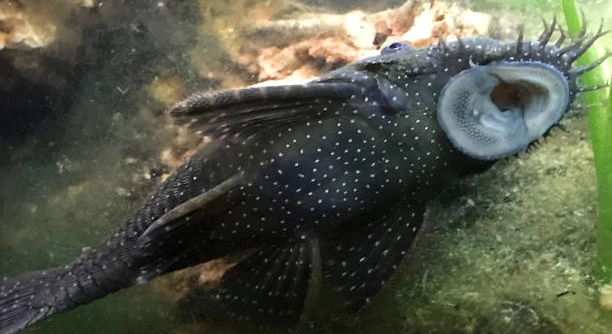
Do you ever notice your plecos acting restless or hiding more than usual in the tank? These gentle fish are sensitive to their surroundings, and even small changes can affect their comfort and behavior.
Plecos react negatively to abrupt changes in water temperature, poor water quality, excessive light, overcrowding, lack of hiding spots, sudden dietary shifts, and inconsistent tank maintenance. These environmental factors can lead to stress, illness, and reduced overall wellbeing in plecos.
Understanding these triggers can help you create a stable and comfortable environment for your plecos, ensuring they remain healthy and active in your aquarium.
Sudden Temperature Fluctuations
Plecos are cold-blooded creatures, which means their bodies adjust to the water temperature. When the temperature in the tank changes too quickly, it can stress them out and make them more vulnerable to illness. Even small drops or spikes, such as those caused by room drafts or heater malfunctions, can affect their immune system. Plecos prefer a stable, slightly warm environment, usually between 74°F and 80°F. When temperatures fluctuate, they may hide more often, stop eating, or become sluggish. Consistently maintaining water temperature helps them stay active and reduces the risk of infections. Using a reliable heater and checking it daily is important. It’s also wise to avoid placing the tank near windows or vents. Gradual acclimation is key if you need to adjust the water temperature. This care ensures your plecos feel secure and continue their normal behavior without stress.
Sudden temperature changes can make plecos stop eating or hide more frequently, impacting their overall health and activity.
Keeping water temperature steady with a reliable heater and avoiding drafts ensures plecos remain healthy, active, and stress-free. Consistent care prevents illness and maintains their normal behavior, supporting their long-term wellbeing.
Poor Water Quality
Dirty water has a direct impact on plecos. High ammonia, nitrite, or nitrate levels can irritate their gills and skin, causing stress and health issues. Uneaten food and decaying plants contribute to waste buildup, reducing oxygen levels and encouraging harmful bacteria. Plecos are sensitive to chemical imbalances, so regular water testing and partial water changes are essential. Even small changes in water chemistry can make them hide or eat less. Filtration systems must be properly maintained to remove waste effectively, and using dechlorinated water helps protect their delicate gills. Plecos also benefit from consistent pH levels, ideally around 6.5–7.5. Keeping their environment clean prevents disease and promotes natural behavior. Observing your plecos regularly can alert you to subtle signs of stress caused by poor water quality.
Maintaining clean, balanced water is crucial for plecos to thrive and remain active.
Regular water changes, monitoring chemical levels, and proper filtration create a stable environment, reducing stress and supporting plecos’ health. Clean water allows them to feed normally and maintain their natural behavior patterns over time.
If you want, I can continue with the next two environmental changes in the same format so the full article can be completed. Do you want me to continue?
Excessive Lighting
Too much light can stress plecos, as they naturally prefer dimly lit environments. Bright tanks can make them hide constantly and reduce feeding activity, affecting their overall health.
Plecos are nocturnal by nature, so they thrive in subdued lighting that mimics their natural habitat. Constant exposure to strong light can disrupt their normal behavior, making them less active during feeding times and increasing stress levels. Using floating plants or shaded areas provides relief from bright lighting. Timers on aquarium lights help maintain a consistent day-night cycle, reducing stress and promoting regular activity. Sudden changes in lighting, like turning lights on and off frequently, can also make them skittish. Gradually introducing any new lighting setup ensures plecos adapt comfortably without hiding or avoiding parts of the tank. Properly dimmed light helps them feed, swim, and display natural behaviors.
Shading parts of the tank and maintaining a consistent light cycle keeps plecos calm and active, supporting their overall wellbeing.
Providing a balanced environment with natural light patterns and shaded areas allows plecos to behave normally. Overly bright tanks lead to hiding, stress, and reduced feeding, so moderation is key for their comfort.
Overcrowding
Too many fish in a tank can overwhelm plecos. Crowded conditions lead to stress, competition for food, and less space to hide, which impacts their health.
Overcrowding limits swimming space and increases aggression between tank mates, causing plecos to retreat and hide more often. With less territory, their territorial instincts are triggered, which can result in stress-induced behavior like fin nipping or decreased appetite. Overpopulated tanks also strain the filtration system, reducing water quality faster, which compounds health risks. Plecos need space for resting and grazing along surfaces, and insufficient room interferes with these natural behaviors. Even if all fish are peaceful species, lack of space can create tension, making plecos skittish or lethargic. Maintaining an appropriate fish-to-tank ratio ensures that plecos have enough room to move freely and establish their preferred hiding spots. Observing interactions can help determine if adjustments are needed to prevent chronic stress and support long-term health.
Giving plecos sufficient space and reducing tank crowding helps them maintain normal behavior, stay healthy, and avoid stress-related problems.
When tanks are overcrowded, plecos lose hiding areas, face constant competition for food, and experience elevated stress. Proper tank sizing and population management are essential for their comfort, feeding patterns, and long-term wellbeing.
Lack of Hiding Spots
Plecos feel insecure without places to hide. Open tanks can make them constantly skittish, reducing their feeding and normal activity.
Providing caves, driftwood, or dense plants allows plecos to retreat when stressed. Hiding spots help them feel secure and maintain natural behavior.
Sudden Dietary Changes
Abrupt changes in diet can upset plecos’ digestive systems. They are used to specific foods like algae wafers, vegetables, and occasional protein. Introducing new foods too quickly may cause loss of appetite, stress, or digestive issues. Gradually mixing new foods with familiar ones allows plecos to adjust safely. Observing their feeding behavior ensures they are eating enough and maintaining healthy digestion. Maintaining consistency while slowly diversifying their diet promotes better growth, activity, and overall health. Sudden dietary shifts, especially from processed foods to fresh vegetables or vice versa, can make them reject food entirely, so patience is essential.
Inconsistent Tank Maintenance
Irregular water changes and filter cleaning disrupt the tank’s balance. Plecos rely on a stable environment to stay healthy and active.
FAQ
Why do plecos hide all the time?
Plecos naturally hide to feel secure. Too much light, overcrowding, or lack of hiding spots can increase this behavior. Providing caves, driftwood, or dense plants helps them feel safe. When plecos have consistent water quality and temperature, they become more comfortable exploring the tank.
What water temperature is best for plecos?
Plecos thrive in water between 74°F and 80°F. Sudden fluctuations can stress them, so using a reliable heater and avoiding drafts is essential. Gradual adjustments are necessary if you need to change the temperature. Stable conditions keep plecos active and reduce illness risk.
How often should I change the water?
Partial water changes every 1–2 weeks help maintain water quality. Removing uneaten food and debris prevents ammonia and nitrate buildup. Consistent maintenance supports plecos’ health, reduces stress, and encourages regular feeding and natural behavior.
What should plecos eat?
Plecos are primarily herbivores but benefit from occasional protein. Offer algae wafers, fresh vegetables like zucchini or cucumber, and occasional shrimp pellets. Gradually introducing new foods prevents digestive issues and encourages proper nutrition. Consistency is key for healthy growth and activity.
Can plecos live with other fish?
Yes, plecos are mostly peaceful but require space. Overcrowding or aggressive tank mates can stress them, causing hiding or reduced feeding. Monitor interactions and provide sufficient hiding spots. Adequate space and compatible species help plecos thrive in a community tank.
Why are my plecos not eating?
Not eating is often caused by stress, poor water quality, sudden diet changes, or illness. Check water parameters, ensure stable temperature, and offer familiar foods. Providing a calm environment with hiding spots encourages normal feeding behavior. Persistent refusal may require veterinary attention.
How do I reduce pleco stress?
Reduce stress by keeping stable water temperature, clean water, and proper lighting. Avoid sudden changes in diet, overcrowding, or moving tank decorations too frequently. Providing hiding spots and observing behavior ensures they feel secure and maintain natural activity.
Is tank size important for plecos?
Yes, plecos need space to swim and establish territories. Overcrowded tanks increase stress, reduce feeding, and encourage hiding. Adequate tank size, generally at least 30 gallons for smaller plecos, ensures comfort, normal behavior, and long-term health.
What are signs of stressed plecos?
Hiding constantly, reduced appetite, sluggishness, and unusual swimming patterns are common stress signs. Stress can result from poor water quality, sudden temperature changes, overcrowding, or insufficient hiding spots. Regular observation helps catch issues early.
Can plecos adapt to new environments?
They can adapt gradually if changes are slow and consistent. Sudden temperature, diet, or water quality changes should be avoided. Providing familiar hiding spots and consistent care allows plecos to adjust with minimal stress.
How do I keep plecos active at night?
Plecos are nocturnal, so dim lighting and quiet tank conditions encourage activity. Avoid sudden light changes at night and provide plenty of grazing surfaces. Observing them during low-light periods allows natural behaviors without stress.
Why do plecos sometimes scrape the glass?
Scraping is normal feeding behavior, as plecos graze on algae and biofilm. Excessive scraping may indicate insufficient food or tank algae. Offering algae wafers or vegetables ensures proper nutrition while allowing natural scraping behavior.
How do I maintain water quality for plecos?
Regular water testing, partial changes, and filter maintenance keep water safe. Remove uneaten food and waste promptly. Stable pH and temperature, combined with clean water, reduce stress and promote healthy behavior. Proper maintenance prevents illness and supports long-term wellbeing.
Can plecos live long in small tanks?
Smaller tanks increase stress, reduce hiding space, and make water quality management harder. Plecos can survive but may experience shorter lifespans and health issues. Providing a tank appropriate for their size ensures comfort and long-term health.
How do I introduce new plecos or tank mates?
Introduce slowly by quarantining new fish and gradually acclimating them to tank conditions. Monitor interactions and provide enough hiding spots. A careful introduction reduces stress and prevents aggression or territorial disputes.
Why do plecos sometimes stop moving during the day?
They are nocturnal, so daytime inactivity is normal. Hiding or resting during daylight hours helps them conserve energy and feel secure. Ensure hiding spots and minimal disturbance to support their natural cycle.
Can plecos survive without hiding spots?
They can survive but will be stressed. Lack of hiding areas increases hiding behavior, reduced feeding, and vulnerability to illness. Providing caves, plants, or driftwood supports comfort and natural behavior.
How often should I clean the filter?
Filters should be cleaned monthly or as needed, depending on tank size and population. Clean filters maintain water quality and reduce stress. Avoid over-cleaning to preserve beneficial bacteria.
Do plecos need supplements or vitamins?
A balanced diet of vegetables and algae wafers usually provides necessary nutrients. Occasional protein or mineral supplements may help, but excessive supplementation can harm water quality. Consistency in diet is more important than extra supplements.
How do I prevent plecos from fighting?
Provide sufficient space, hiding spots, and compatible tank mates. Avoid overcrowding and monitor territorial behaviors. Gradual introductions and proper tank setup reduce aggression and stress, ensuring plecos coexist peacefully.
Why do plecos sometimes cling to tank decorations?
Clinging is natural as they rest, graze, or explore surfaces. It helps them feel secure and allows access to algae and biofilm. Ensuring enough smooth surfaces and proper water flow supports this behavior without causing stress or injury.
How long do plecos live?
With proper care, plecos can live 10–15 years or more. Maintaining clean water, stable temperature, proper diet, and adequate space ensures long-term health and activity. Observing their behavior and environment promotes longevity.
Can plecos tolerate fluctuating pH?
They prefer a stable pH around 6.5–7.5. Sudden fluctuations can stress plecos, reduce appetite, and make them susceptible to disease. Regular monitoring and slow adjustments maintain a healthy environment.
Why do plecos sometimes avoid food?
Avoidance may be due to stress, poor water quality, sudden diet changes, or illness. Offering familiar foods, ensuring stable conditions, and providing hiding spots encourages normal feeding patterns. Persistent refusal requires attention to water quality and health.
How do I make my plecos feel secure?
Stable water temperature, clean water, dim lighting, and hiding spots help plecos feel safe. Avoid sudden changes in diet, decorations, or tank conditions. Consistent care encourages activity, feeding, and natural behaviors.
What is the best way to monitor pleco health?
Observe behavior, feeding patterns, and physical appearance regularly. Hiding, loss of appetite, discoloration, or unusual swimming indicate stress or illness. Maintaining stable water quality and diet supports overall health and early problem detection.
Do plecos interact with owners?
Plecos are generally shy but may recognize activity near the tank. Interaction is limited and subtle, often through following movement or grazing near the glass. They prefer minimal disturbance while feeling secure.
How do I prevent algae overgrowth?
Balance lighting, avoid overfeeding, and perform regular water changes. Plecos eat algae but cannot control excessive growth alone. Proper maintenance keeps algae manageable and ensures a healthy tank environment.
Can plecos adapt to different tank setups?
Gradual changes help plecos adapt. Sudden alterations in decorations, lighting, or water conditions cause stress. Providing familiar hiding spots and stable conditions allows adjustment with minimal impact on behavior.
Why do plecos sometimes nibble on plants?
Some nibbling is normal grazing behavior. It provides fiber and helps satisfy natural feeding instincts. Offering vegetables reduces the chance of damaging decorative plants while supporting nutrition.
What signs indicate a sick pleco?
Loss of appetite, lethargy, clamped fins, unusual swimming, discoloration, or lesions signal potential illness. Poor water quality, stress, or infection are common causes. Immediate attention and water maintenance improve recovery chances.
How do I introduce dietary variety safely?
Mix new foods gradually with familiar items. Observe feeding behavior and digestive response. Slow introduction prevents stress, appetite loss, or digestive issues, supporting overall health.
Are plecos social fish?
Plecos are mostly solitary but tolerate peaceful tank mates. They appreciate personal space and hiding areas. Overcrowding or aggressive fish increase stress, affecting feeding and behavior.
Can plecos survive without regular water changes?
They may survive short-term, but long-term neglect reduces water quality, increases stress, and shortens lifespan. Regular changes maintain a safe, healthy environment.
Do plecos need specific tank substrates?
Smooth substrates like sand or fine gravel are preferred. Rough surfaces can damage their fins or underbellies. Substrate also supports natural grazing and comfort.
How do I encourage plecos to feed at night?
Offer food during low-light hours and minimize daytime disturbance. Plecos are nocturnal, so they feed most actively in dim conditions. Gradual introduction of food helps them adjust to feeding schedules.
What is the best way to acclimate new plecos?
Float the bag in the tank to match temperature, then gradually mix tank water. Slow acclimation reduces shock and stress, supporting healthy adjustment to the new environment.
Why do plecos sometimes cling to each other?
This may occur in crowded tanks or when space is limited. Providing sufficient room and hiding spots reduces stress and ensures comfort.
How do I prevent plecos from developing fin rot?
Maintain clean water, stable conditions, and avoid aggressive tank mates. Balanced diet and proper hiding areas also reduce stress, lowering the risk of infection.
Can plecos tolerate different water hardness levels?
They prefer soft to moderately hard water. Sudden changes in hardness can cause stress. Monitoring water parameters and adjusting gradually ensures healthy adaptation.
Why do plecos sometimes refuse algae wafers?
They may prefer fresh vegetables or be stressed. Rotating diet options gradually encourages eating and supports proper nutrition. Observation ensures they receive enough food without causing digestive issues.
How do I handle a sick pleco safely?
Quarantine in a separate tank with proper water quality. Avoid stress during handling and consult resources or a vet for treatment. Gentle care supports recovery without harming the fish.
Can plecos live with snails or shrimp?
Yes, peaceful invertebrates generally coexist well. Ensure sufficient space and hiding spots to reduce stress or territorial disputes. Regular observation prevents conflicts.
How do I maintain consistent pH and temperature?
Test water regularly, use buffers if needed, and monitor heaters. Gradual adjustments help plecos adapt, while stable conditions prevent stress and disease.
Why do plecos sometimes scrape their fins?
Scraping may indicate irritation from water quality, parasites, or rough surfaces. Check water parameters and tank conditions to address the cause while ensuring natural grazing behavior is possible.
What is the optimal tank size for adult plecos?
Most plecos need at least 30 gallons, with larger species requiring more space. Adequate size ensures swimming room, hiding areas, and healthy behavior. Overcrowding causes stress and reduces lifespan.
How do I prevent my plecos from being stressed by tank mates?
Choose peaceful, non-territorial species, provide enough space, and add hiding spots. Monitor interactions and adjust tank layout to minimize stress and promote natural behavior.
Can plecos adapt to new diets quickly?
Gradual introduction works best. Sudden changes can cause digestive issues and refusal to eat. Mixing familiar foods with new items allows adaptation without stress.
Why do plecos sometimes cling to tank heaters or equipment?
They may seek warmth, stability, or surfaces to rest. Ensure heaters are safe and smooth to prevent injury while providing sufficient resting areas.
How often should I monitor pleco behavior?
Daily observation helps detect stress, illness, or behavioral changes early. Tracking feeding, hiding, and swimming patterns ensures timely intervention if needed.
What is the best way to prevent tank stressors?
Maintain stable temperature, water quality, and feeding schedules. Provide hiding spots and avoid overcrowding or sudden changes in the tank environment. Consistency keeps plecos healthy and active.
Do plecos need specialized lighting for health?
No, plecos prefer subdued or natural lighting. Too bright lighting increases stress. Dimmed tanks with shaded areas support natural nocturnal behavior and reduce hiding stress.
Can plecos survive in community tanks long-term?
Yes, with proper space, compatible species, and sufficient hiding spots. Overcrowding or aggressive tank mates reduce comfort and feeding, affecting health and behavior.
How do I reduce pleco aggression toward each other?
Ensure sufficient space, hiding areas, and compatible tank mates. Avoid overcrowding and provide adequate food. Monitoring behavior helps prevent stress and conflict.
Why do plecos sometimes refuse to leave their hiding spots?
Stress from poor water quality, sudden changes, or overcrowding makes plecos retreat. Providing stable conditions and hiding spots encourages gradual exploration and activity.
How do I ensure plecos thrive in a planted tank?
Balance plants, algae, and hiding spots while monitoring water quality. Plecos benefit from grazing surfaces and shaded areas, supporting natural behavior and health.
Can plecos live in cold water temporarily?
Short-term exposure may be tolerated, but prolonged cold causes stress and health issues. Maintaining optimal temperature ensures long-term wellbeing.
What are the signs of proper pleco health?
Active feeding, smooth fins, normal swimming, clear eyes, and consistent coloration indicate good health. Observing behavior daily helps detect early problems.
Do plecos need frequent tank rearrangement?
No, frequent changes increase stress. Stable decorations and hiding spots provide comfort, reducing hiding and feeding issues.
How do I manage algae growth without stressing plecos?
Balance lighting, perform water changes, and provide appropriate grazing surfaces. Plecos eat some algae, but tank maintenance ensures balance without affecting their health.
Can plecos live alone?
Yes, they are mostly solitary. They need hiding spots and proper environment rather than social interaction. Isolation does not harm them if their basic needs are met.
Why do plecos sometimes stop grazing?
Stress, poor water quality, or sudden diet changes can reduce grazing behavior. Stable conditions and consistent feeding encourage normal activity.
How do I maintain pleco comfort during tank maintenance?
Avoid sudden water changes, keep temperature stable, and provide hiding areas. Gentle handling reduces stress and supports natural behavior during cleaning.
Can plecos tolerate temporary water parameter changes?
Minor short-term changes may be tolerated, but consistent fluctuations cause stress. Gradual adjustments prevent illness and maintain activity.
How do I encourage plecos to explore the tank?
Provide hiding spots, gradual lighting changes, and stable water conditions. Over time, plecos will feel secure enough to move around and feed normally.
Why do plecos sometimes cling to tank glass vertically?
This is natural resting or grazing behavior. Smooth glass provides a surface for algae scraping while allowing them to remain stable and conserve energy.
What is the best feeding schedule for plecos?
Offer food once daily or every other day, primarily in the evening. Consistency with diet and timing encourages normal feeding patterns.
Do plecos benefit from driftwood in the tank?
Yes, driftwood provides hiding spots and surfaces for grazing. It also helps maintain water chemistry slightly acidic, supporting natural behavior.
How do I prevent plecos from getting stressed during water changes?
Perform gradual changes, maintain temperature and water quality, and minimize disturbance. Using a siphon reduces stress and ensures safety.
Can plecos live with aggressive fish if hiding spots are sufficient?
Partial coexistence may work, but aggression still increases stress. Sufficient hiding helps, but careful monitoring is necessary to prevent injuries or chronic stress.
Why do plecos sometimes nibble on tank silicone or equipment?
They may be exploring or grazing surfaces. Ensure smooth equipment and proper diet to prevent injury or nutrient deficiency.
How do I acclimate plecos to a new tank safely?
Gradual water mixing, temperature matching, and minimal disturbance reduce stress. Allow time to explore hiding spots before introducing other tank mates.
Can plecos survive without supplemental food in algae-rich tanks?
They may survive, but supplemental feeding ensures balanced nutrition. Relying solely on algae may not provide necessary vitamins and protein for long-term health.
Why do plecos sometimes rub against surfaces?
Rubbing may indicate irritation, parasites, or normal grazing behavior. Monitor water quality and observe behavior to distinguish causes.
How do I prevent plecos from being stressed by sudden decorations changes?
Rearrange gradually and maintain hiding spots. Sudden alterations can cause hiding, loss of appetite, or aggression. Stable environment supports natural behavior.
Can plecos tolerate slight salinity in freshwater tanks?
Some species tolerate minimal salinity for brief periods, but prolonged exposure can stress them. Freshwater conditions are safest for health and activity.
Why do plecos sometimes avoid the top of the tank?
They prefer bottom or mid-level areas where hiding spots exist. Avoiding open spaces reduces stress and mimics natural habitats.
How do I ensure plecos are healthy after adding new tank mates?
Observe feeding, swimming, and hiding patterns. Monitor interactions and maintain water quality. Early intervention prevents stress-related issues and ensures all fish coexist safely.
Can plecos live in low-light tanks?
Yes, low-light tanks suit their nocturnal behavior. Dim lighting reduces stress and encourages natural activity and feeding habits.
Why do plecos sometimes hide after water changes?
Even minor changes in temperature, chemistry, or flow can trigger hiding. Gradual adjustments help them feel secure and resume normal activity.
How do I prevent plecos from being stressed by visitors or movement near the tank?
Provide hiding spots, maintain stable conditions, and minimize sudden vibrations or disturbances. Plecos feel secure when their environment remains predictable.
Can plecos tolerate brief periods of poor water quality?
Short-term exposure may not cause immediate harm, but prolonged poor conditions stress plecos, reduce appetite, and increase disease risk. Regular maintenance is essential.
Why do plecos sometimes cling to tank heaters at night?
They may seek warmth or resting surfaces. Ensuring smooth heaters and proper hiding options reduces injury risk while supporting nocturnal behavior.
How do I prevent plecos from being stressed by sudden noises?
Keep the tank in a quiet area, avoid tapping glass, and provide hiding spots. Stable, calm surroundings reduce stress and encourage normal activity.
Can plecos live with bettas?
Yes, if space and hiding spots are sufficient. Bettas may be territorial, so careful observation ensures plecos are not stressed or harassed.
Why do plecos sometimes stop grazing algae?
Stress, sudden diet changes
Plecos are gentle, nocturnal fish that thrive in stable and predictable environments. They are sensitive to changes in water temperature, lighting, tank population, and diet, which can affect their behavior and overall health. Ensuring a consistent routine with proper water quality, hiding spots, and a balanced diet is essential for keeping plecos active and stress-free. Overcrowding, poor filtration, or sudden environmental shifts can lead to hiding, reduced feeding, and increased susceptibility to illness. Observing their behavior daily allows you to notice early signs of stress, such as lethargy, clamped fins, or decreased appetite. Addressing these issues promptly helps maintain their wellbeing and promotes natural activity patterns. By understanding their needs, plecos can live long, healthy lives and remain an engaging part of your aquarium.
Creating a comfortable environment for plecos requires attention to detail but is not overly complicated. Providing stable water parameters, a proper temperature range, and gradual acclimation when changes are necessary prevents stress and supports their immune system. Hiding spots such as driftwood, caves, or dense plants are crucial for making plecos feel secure, especially in community tanks with other fish. Diet also plays an important role in their health. Offering algae wafers, fresh vegetables, and occasional protein ensures they receive essential nutrients without upsetting their digestive system. Sudden changes in diet or water quality should be avoided, as plecos respond poorly to abrupt shifts. Regular tank maintenance, including partial water changes and filter cleaning, helps keep water quality high, reducing the risk of disease and stress. This combination of consistent care and observation promotes a thriving, healthy aquarium ecosystem.
Plecos are largely solitary creatures, but they respond well to predictable and safe surroundings. Minimizing stressors such as excessive light, aggressive tank mates, and sudden changes helps them maintain normal behavior. Their nocturnal nature means they are most active at night, so providing shaded areas and a calm environment during the day encourages proper activity cycles. Watching plecos interact with their habitat, grazing surfaces, and hiding spots provides insight into their preferences and comfort levels. Small adjustments to lighting, tank decorations, or feeding routines can make a significant difference in their overall wellbeing. Understanding plecos’ behavior and environmental preferences ensures they remain healthy, active, and comfortable in the aquarium. By following these practices, plecos can flourish and become a long-lasting, low-maintenance addition to your tank while maintaining their natural behaviors and vibrant health.

Hello,
If you enjoy the content that we create, please consider saying a "Thank You!" by leaving a tip.
Every little bit helps us continue crafting quality advice that supports the health, happiness, and well-being of pets around the world, for pets of all shapes, sizes, and species.
We really appreciate the kindness and support that you show us!