
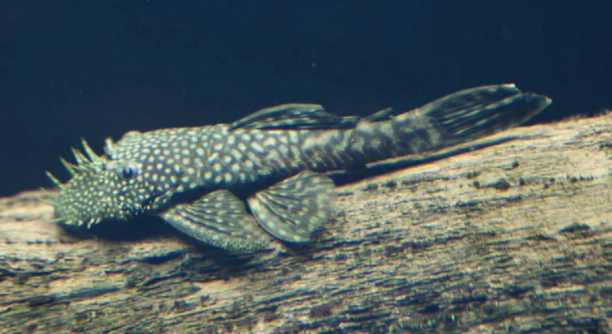
Do you ever rearrange your fish tank and notice your pleco acting differently? Many hobbyists change decorations or filters, then wonder if their plecos remember the old layout. These changes can affect behavior in subtle ways.
Plecos do have a memory of their tank environment. They recognize familiar hiding spots, feeding areas, and territorial boundaries. Changes to the layout can trigger stress or exploration as they adjust, but they generally adapt over time with consistent conditions.
Observing how your pleco reacts to a new setup can give insight into its memory and comfort. Adjustments in the tank are more than just aesthetic choices.
How Plecos Recognize Their Environment
Plecos rely heavily on visual and spatial cues to understand their surroundings. They often remember the placement of rocks, caves, and plants, which gives them a sense of security. When a tank layout changes, plecos may swim cautiously, checking each area as if mapping the new setup. Some plecos may hide more than usual, while others explore actively, testing how safe the tank feels. Regular feeding spots also play a role in memory. If a food source is moved, plecos quickly notice and adjust their behavior. Over time, their repeated movements around familiar spots reinforce memory, making them confident in navigating the tank. Observing these behaviors can help you determine how well your pleco adapts and whether further changes are necessary. Understanding this memory capacity allows tank owners to plan adjustments carefully without causing unnecessary stress.
Plecos can remember locations for several weeks, especially areas they use frequently. Consistent patterns strengthen their recall and confidence in the tank.
Plecos use both memory and instinct to navigate their habitat. Hiding spots and feeding areas are key markers. Changes in layout may initially confuse them, but repeated exposure allows them to form new routines. Stress can occur if changes are sudden or drastic, but gentle modifications let them adjust while maintaining health. Watching how they interact with the new layout provides insight into their memory and behavior patterns, helping owners make informed choices for the tank’s design and daily care.
Signs Your Pleco Notices Changes
Plecos show subtle signs when a tank layout has been altered. They may explore more, hide more, or shift positions frequently to assess safety.
Stress and curiosity are natural responses to change. Plecos may stay closer to hiding spots at first or become more active at feeding times, as they relearn the tank’s layout. Some may even test new areas repeatedly, ensuring it is safe to settle in. Gentle, gradual changes reduce anxiety, while sudden rearrangements can cause prolonged stress. Keeping favorite hiding spots or feeding zones consistent during adjustments helps plecos feel secure and encourages faster adaptation. Observing these behaviors is a practical way to monitor how well your pleco is coping with modifications and to guide further tank management. Over time, your pleco will learn the new layout, balancing exploration with established routines, which supports both comfort and health in the aquarium.
Adjusting to New Tank Layouts
Plecos take time to adjust when their tank changes. They often test new hiding spots and swim cautiously. Over a few days, most plecos settle into new patterns while still checking familiar areas for safety.
Memory and routine guide plecos during transitions. When decorations or substrates move, they explore cautiously, using scent, touch, and sight to re-map the tank. Plecos often return to previous favorite spots even if relocated, showing spatial memory. Feeding areas become reference points, helping them feel secure despite the changes. Gradual adjustments reduce stress, while sudden shifts may trigger prolonged hiding or restlessness. Observation helps owners understand how plecos adapt.
Environmental cues are essential for pleco confidence. Rocks, caves, and plants act as markers, helping plecos feel grounded. Even minor changes can disrupt their routine, prompting careful exploration. Over time, repeated exposure helps them rebuild familiarity, combining memory and instinct. Monitoring their behavior during this period is crucial for maintaining health and minimizing stress, ensuring a smooth adaptation to the altered tank environment.
Tips for Smooth Transitions
Keep some familiar spots unchanged to ease adjustment. Gradual rearrangements reduce stress and help plecos feel secure.
Introducing changes slowly gives plecos time to adapt. Start with minor adjustments like moving a single decoration or slightly shifting a cave. Observe their response over several days, ensuring they still access hiding spots and feeding areas comfortably. Repeating small modifications allows them to explore without feeling threatened, while keeping certain familiar features provides stability. Patience is key, as plecos form new routines steadily. Monitoring interactions with the new layout ensures their health, confidence, and comfort throughout the transition.
Observing Behavior Changes
Plecos may hide more often after a layout change. Increased activity around new decorations is common as they explore cautiously.
They sometimes pause near old favorite spots, testing if the area is still safe. Subtle changes in swimming patterns indicate they are learning the new environment.
Supporting Memory and Comfort
Plecos benefit from stable routines and familiar cues. Keeping feeding times consistent and maintaining a few unchanged hiding spots helps them remember the layout. Using natural decorations like driftwood and smooth rocks provides recognizable landmarks. Gradual changes let plecos build confidence, reducing stress while encouraging healthy exploration.
Handling Sudden Changes
Rapid rearrangements can stress plecos, leading to hiding or reduced feeding. Introducing adjustments slowly helps maintain comfort and promotes smooth adaptation.
FAQ
Do plecos get stressed when their tank layout changes?
Yes, plecos can experience stress when familiar hiding spots or decorations are moved. They rely on consistent environmental cues to feel safe. Stress may show as prolonged hiding, erratic swimming, or reduced feeding. Gradual adjustments to the tank can help reduce stress and give plecos time to adapt comfortably.
How long does it take for plecos to adjust to new layouts?
Adjustment time varies depending on the pleco and the extent of changes. Minor shifts may take a few days, while major rearrangements could require one to two weeks. Providing familiar hiding spots and consistent feeding areas can speed up adaptation. Observing behavior daily helps track progress.
Can plecos remember previous tank layouts?
Yes, plecos have spatial memory. They remember the placement of rocks, caves, and plants, as well as feeding areas. Even after changes, they often return to previous favorite spots when possible. Memory helps them feel secure and navigate their environment efficiently.
Should I move all decorations at once?
It is better to move decorations gradually rather than all at once. Sudden changes can cause stress and confusion. Start with one or two items, observe your pleco’s response, and then adjust more over time. Maintaining a few familiar spots provides stability.
Do plecos react differently to natural versus artificial decorations?
Plecos often feel more comfortable with natural elements like driftwood, rocks, and live plants because these mimic their natural habitat. Artificial decorations are also navigable but may not provide the same sense of familiarity. Combining both types can help plecos adjust without feeling insecure.
Can plecos get lost in large tanks after a layout change?
Not exactly “lost,” but they may explore cautiously in unfamiliar areas. Plecos use landmarks, hiding spots, and feeding locations to navigate. Larger tanks may increase exploration time, but plecos generally learn the new layout if changes are gradual and consistent.
Does changing substrate affect plecos’ memory?
Yes, substrate changes can be significant. Plecos often associate certain textures with hiding or feeding. Sudden changes to gravel or sand may cause hesitation or stress. Introducing new substrate gradually or keeping familiar areas intact helps them adjust more easily.
Are plecos more active after rearrangements?
Increased activity is common as plecos investigate new spaces. They may swim more frequently or test hiding spots. Over time, activity usually stabilizes as they learn the new layout. Consistent feeding schedules and familiar cues help them regain confidence.
Can plecos remember multiple tank layouts?
Plecos show the ability to remember multiple arrangements, especially if they experience them over time. However, frequent drastic changes can increase stress and slow adaptation. Gradual and consistent modifications support memory and comfort, allowing plecos to navigate efficiently in a changing environment.
How can I support plecos’ memory during changes?
Maintain a few unchanged hiding spots, consistent feeding areas, and gradual adjustments. Natural landmarks like driftwood or rocks help reinforce spatial memory. Observing behavior closely allows you to notice stress signs and guide changes in a way that supports both memory and overall well-being.
Do plecos interact with new decorations immediately?
Many plecos approach new decorations cautiously at first. They may inspect by touching or circling the item before settling nearby. Some may ignore new items for a while, while others explore quickly. Patience is important to let them become familiar at their own pace.
Is it necessary to revert changes if a pleco seems stressed?
Not always. Temporary stress is normal during adaptation. However, if stress continues for several days or affects feeding, it may help to restore some familiar elements or reduce the scale of changes. Monitoring behavior guides decisions to ensure comfort.
Do plecos learn from observing other fish?
Plecos can notice other fish interacting with the environment, but their primary navigation relies on memory and personal exploration. Observing others may provide cues, but individual experience with hiding spots and feeding areas is most important.
How often can I safely rearrange a pleco tank?
Frequent, drastic changes can cause stress and slow adaptation. Small, gradual adjustments every few weeks are generally safe. Maintaining a balance between stability and enrichment ensures plecos remain healthy, confident, and mentally stimulated in their habitat.
What signs indicate a pleco has fully adapted to a new layout?
A pleco that explores confidently, returns to feeding areas, and uses hiding spots regularly has likely adapted. Calm swimming, normal feeding, and reduced erratic movements are good indicators that memory has integrated the new layout. Observation over a week or more confirms comfort and adjustment.
Final Thoughts
Plecos are more aware of their environment than many people realize. They rely on memory to navigate the tank, find hiding spots, and locate feeding areas. Changes in tank layout can affect them, even if the modifications seem minor. Rocks, caves, plants, and driftwood act as landmarks that help plecos feel secure. When these elements are moved, plecos often spend time exploring and testing the new setup. This behavior is normal, as they are adjusting to the changes and learning how to move safely. It is important to remember that each pleco responds differently. Some adapt quickly, swimming around the tank confidently after a day or two, while others take longer, spending more time in familiar hiding spots. Observing your pleco closely during this adjustment period is helpful to understand its comfort level and memory abilities.
Gradual changes in the tank layout are generally the best approach. Moving one or two decorations at a time allows plecos to explore new spaces without feeling overwhelmed. Keeping certain familiar hiding spots or feeding areas unchanged gives them a sense of stability. Natural decorations, like driftwood and smooth rocks, provide consistent visual and tactile cues that support memory. Feeding routines also help plecos remember the layout and feel safe in their environment. Sudden or drastic changes can lead to stress, causing hiding, reduced feeding, or erratic swimming. Even small adjustments should be monitored closely to ensure plecos are adapting well. With patience and careful planning, plecos can successfully adjust to new layouts while maintaining healthy behavior patterns.
Understanding plecos’ memory and responses to changes can improve their overall well-being. Their ability to remember tank layouts, recognize favorite spots, and navigate new areas shows a surprising level of intelligence. By observing behaviors and making thoughtful adjustments, you can create a comfortable, safe, and stimulating environment. Plecos thrive when given consistency, familiar cues, and gentle transitions. Over time, they will explore and become confident in the modified tank while maintaining the routines that make them feel secure. Paying attention to their memory, behavior, and comfort ensures a healthier and happier pleco, allowing both the fish and the tank owner to enjoy a well-balanced aquatic environment.

Hello,
If you enjoy the content that we create, please consider saying a "Thank You!" by leaving a tip.
Every little bit helps us continue crafting quality advice that supports the health, happiness, and well-being of pets around the world, for pets of all shapes, sizes, and species.
We really appreciate the kindness and support that you show us!