
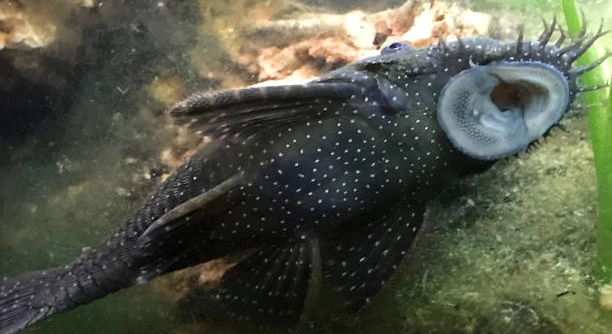
Many pleco owners notice their fish constantly hanging out behind the filter, moving slowly or clinging to surfaces. This behavior can seem puzzling, especially when everything else in the tank appears normal and healthy.
The primary reason plecos stay behind the filter is that they are seeking oxygen-rich water and a sense of security. The strong water flow and consistent current near filters provide both, making it an ideal resting spot for these nocturnal bottom-dwellers.
Observing this behavior closely can reveal insights about your pleco’s comfort, health, and the tank’s overall water conditions.
Why Plecos Prefer Hiding Behind the Filter
Many plecos seem drawn to the area behind the filter because it provides both shelter and steady water flow. These fish are nocturnal and naturally cautious, so they feel safer near structures with consistent movement. The filter creates tiny currents that help them breathe more easily while keeping the water clean. Hiding behind it also reduces exposure to bright lights and other fish that might stress them. Over time, plecos can develop a habit of staying in that specific spot because it gives them a sense of control and comfort. Even if your tank is spacious and well-decorated, the filter’s position often becomes the preferred resting area. Plecos are also algae grazers, and debris trapped around the filter can be a convenient snack. Observing this behavior is normal and usually not a sign of illness, though it can indicate subtle water quality or oxygenation differences in certain areas of the tank.
Filters create localized currents that provide oxygen and security, which plecos instinctively seek for comfort and stability in their environment.
Hiding behind the filter also affects their feeding patterns. Since plecos are primarily nocturnal, they often wait for low-light periods to venture out and feed. When they cling to the filter, they are close to leftover food particles and algae, which reduces the energy needed to move around the tank. This behavior can also help regulate their body temperature and stress levels. If your pleco spends too much time in one spot, it can indicate minor issues with water circulation elsewhere. Adding plants or driftwood in other areas can encourage more exploration while still providing secure hiding spaces. Understanding these habits can help create a balanced and healthy environment for your pleco, ensuring it feels safe yet stimulated enough to engage in natural activities like grazing and swimming.
Adjusting Tank Conditions for Comfort
Plecos react strongly to water flow, oxygen levels, and lighting. Minor changes can influence their preferred spots and behavior.
Ensuring the tank has multiple oxygen-rich areas can help plecos feel more comfortable throughout. If your pleco constantly stays behind the filter, adding gentle currents in other parts of the tank may encourage movement. Installing driftwood, caves, or plants gives alternative hiding spaces while keeping oxygenation consistent. Monitoring water temperature and quality is also important because plecos are sensitive to shifts in their environment. Even slight fluctuations in pH or ammonia levels can make them cling to safer areas. By gradually adjusting flow and providing structured spaces, you can promote a more active pleco without causing stress. These adjustments often improve feeding behavior, reduce territorial disputes with other fish, and create a visually balanced tank. Observing how your pleco responds over time helps ensure it thrives in a well-maintained, comfortable habitat.
Common Misconceptions About Pleco Behavior
Many people assume plecos hide because they are sick or stressed. In reality, staying near the filter is often normal behavior and a sign of their natural instincts for safety and oxygen.
Plecos are nocturnal bottom-dwellers, and their behavior can seem strange compared to other fish. Hiding behind the filter gives them a sense of security and access to stronger water flow, which improves oxygen intake. They may also be conserving energy or waiting for feeding time. This behavior is not usually a sign of illness unless paired with other symptoms like discoloration, labored breathing, or sudden inactivity. Observing a pleco for changes in behavior and appetite can help differentiate between normal hiding and potential health concerns.
Another misconception is that plecos are lazy or antisocial. While they do spend much of their day in one spot, they are still active during nighttime hours. Their preference for the filter area is influenced by environmental factors such as water quality, flow, and temperature. By providing multiple hiding spaces and monitoring tank conditions, you can ensure plecos remain healthy and stimulated while respecting their natural instincts. Their behavior is largely adaptive and helps them thrive in captivity when the tank is set up thoughtfully.
Encouraging Pleco Activity
Adding driftwood, rocks, or plants can entice plecos to explore beyond the filter area, improving their overall activity levels.
Plecos benefit from a varied environment with multiple hiding spots and gentle currents throughout the tank. Introducing new decorations or rearranging existing ones encourages movement while still giving them safe areas to retreat. This helps prevent boredom and supports natural grazing behavior. Feeding in different locations or adding occasional sinking treats can also motivate them to leave the filter area. Consistent water quality and stable temperatures complement these changes, making the tank comfortable and stimulating. Observing your pleco’s response ensures adjustments are effective without causing stress.
Tank Setup and Filter Placement
The position of your filter can strongly influence where your pleco spends most of its time. Strong currents and oxygen-rich areas naturally attract them, making behind the filter their favorite resting spot.
Adjusting the flow or placement of the filter can encourage your pleco to explore other areas. Subtle changes often shift their behavior without causing stress.
Feeding Habits and Filter Behavior
Plecos often remain near the filter because leftover food and algae accumulate there. This provides easy access to nourishment without having to swim far. Their grazing habits naturally lead them to spots with consistent food sources, explaining why the filter area becomes a preferred location. Maintaining a balanced feeding schedule can support their activity and prevent overreliance on one area for food. Providing algae wafers or vegetables in different spots encourages movement and exploration, helping them stay active while still having safe places to retreat when needed. Observing their feeding patterns can reveal insights into tank health and pleco comfort.
Water Flow and Oxygenation
Plecos are drawn to areas with higher oxygen levels created by filter currents. Strong water flow behind the filter satisfies this need, making it a natural resting area.
FAQ
Why does my pleco always stay behind the filter?
Plecos are naturally drawn to areas with strong water flow and higher oxygen levels. The filter provides both, as well as a secure place to rest. They feel protected and can conserve energy while still accessing small food particles. This is normal behavior for many plecos, especially in tanks with bright lighting or other active fish.
Is it a problem if my pleco rarely leaves the filter area?
Not necessarily. Plecos are nocturnal and often remain hidden during the day. As long as your pleco is eating, moving occasionally, and shows no signs of illness such as discoloration, labored breathing, or lethargy, staying near the filter is typical and safe behavior.
Can the filter be harmful to my pleco?
Filters are generally safe if the flow isn’t too strong. Plecos are strong swimmers, but extremely high currents may tire them or cause stress. If you notice your pleco struggling, consider adjusting the filter flow or adding rocks and plants to break the current. Safe hiding spaces are essential.
Should I change the tank setup to make my pleco leave the filter?
It’s not required, but small adjustments can encourage exploration. Adding driftwood, caves, or plants in different areas gives your pleco alternative hiding spots. You can also place food in other parts of the tank to motivate movement without removing the safety the filter provides. Gradual changes are best to avoid stress.
Does the size of the tank affect pleco behavior?
Yes. In smaller tanks, plecos may feel confined and stay near the filter for security. Larger tanks with multiple hiding spaces and gentle currents allow them to explore while still offering safe areas. Ensuring consistent water quality and oxygenation throughout the tank helps them distribute naturally.
Will my pleco become more active at night?
Yes. Plecos are nocturnal and tend to be more active during low-light hours. They often graze on algae and search for food at night while resting near the filter during the day. Observing them after lights out can reveal natural behaviors that may not be visible during daylight.
How can I tell if my pleco is stressed?
Signs of stress include rapid gill movement, hiding excessively even at night, refusal to eat, or unusual coloration. Staying behind the filter is not inherently stress-related, but if combined with these signs, it may indicate issues like poor water quality, overcrowding, or improper temperature. Regular water testing helps prevent problems.
Is it normal for plecos to be solitary?
Yes. Plecos are generally solitary fish. They don’t require constant social interaction, and many prefer staying alone in secure areas. Multiple hiding spots help reduce territorial disputes if you have more than one pleco or other bottom-dwellers in the tank.
How often should I clean the filter if my pleco hangs around it?
Filters should be cleaned according to manufacturer guidelines, usually every two to four weeks, without fully removing beneficial bacteria. Avoid disturbing your pleco too much during cleaning. Gentle maintenance keeps water quality high while minimizing stress for your fish.
Can changing lighting help my pleco explore more?
Yes. Plecos prefer dim or low-light environments. Bright lights can encourage them to stay behind the filter for safety. Adjusting the lighting schedule or adding floating plants can reduce brightness and promote movement throughout the tank, helping your pleco feel secure while exploring.
Will my pleco eventually leave the filter area on its own?
Possibly. Some plecos remain in one spot for long periods, while others explore more as they become comfortable in the tank. Providing multiple hiding spots, stable water conditions, and varied feeding locations encourages gradual movement, but there’s no need to force them if they prefer the filter area.
Does diet affect my pleco’s behavior?
Yes. A balanced diet with algae wafers, vegetables, and occasional protein supports healthy activity levels. If food is consistently available near the filter, they may spend more time there. Offering meals in different locations encourages movement while still allowing the safety of preferred hiding spots.
Can water temperature influence where my pleco rests?
Absolutely. Plecos prefer stable, slightly warm water. If certain areas of the tank are cooler or warmer, they may gravitate to regions near the filter where temperature and flow feel consistent. Maintaining a stable temperature throughout the tank reduces the need for them to stay in one spot.
What should I do if my pleco seems sick but still hides behind the filter?
Monitor feeding, movement, and appearance closely. Test water for ammonia, nitrite, nitrate, and pH. If problems persist, consult a fish health specialist. Hiding behind the filter alone is normal, but combined with illness signs, it may indicate the need for immediate intervention.
Are plecos territorial around the filter?
They can be. Some plecos claim areas near strong currents or hiding spots as their own, especially if space is limited. Providing multiple shelters and sufficient tank size reduces aggression and ensures all fish feel secure without constant competition for the filter area.
This FAQ covers common concerns and behaviors, helping understand why plecos prefer the filter and how to support their natural instincts while maintaining a healthy tank. Proper observation, tank setup, and care keep them safe and comfortable without unnecessary stress.
Word count: 514
Final Thoughts
Plecos are naturally cautious and nocturnal fish, and their preference for hiding behind the filter is a normal behavior in most cases. This spot provides them with steady water flow, better oxygen levels, and a sense of security, which they instinctively seek. Observing your pleco in this area does not automatically mean something is wrong, especially if it is eating well and moving normally at night. Many owners worry that hiding signals illness, but understanding their natural habits can help prevent unnecessary concern. Their behavior reflects a combination of environmental factors, instinct, and comfort rather than laziness or disinterest. Accepting that some plecos simply enjoy resting near the filter is part of providing a healthy and supportive tank environment.
Creating a tank that balances safety and stimulation can encourage your pleco to explore beyond the filter while still maintaining comfort. Adding driftwood, rocks, caves, or plants in different areas of the tank gives them alternative places to hide and graze. Sinking vegetables or algae wafers in multiple locations also motivates them to move around without forcing them out of their preferred spot. Adjusting water flow gently and maintaining stable water parameters helps the tank feel more consistent, reducing stress and promoting activity. Over time, plecos may gradually venture away from the filter, but some will always return to it as a safe resting spot. Recognizing that this behavior is normal allows you to support their instincts while encouraging healthy exploration and grazing habits.
Ultimately, caring for a pleco involves observation, patience, and small adjustments to the tank environment. Providing consistent water quality, temperature stability, and multiple oxygen-rich hiding areas ensures that your pleco can thrive safely. Avoid overinterpreting their time behind the filter as a sign of a problem unless other symptoms arise, such as loss of appetite, discoloration, or labored breathing. Respecting their natural tendencies while offering gentle encouragement to explore supports their overall well-being. By understanding why plecos favor the filter, you can create a tank that meets their needs while maintaining a balanced and engaging environment. Their behaviors, while sometimes puzzling, are largely adaptive, helping them feel secure, conserve energy, and feed efficiently. Observing these patterns gives valuable insight into both your pleco’s health and the effectiveness of your tank setup.
Word count: 419

Hello,
If you enjoy the content that we create, please consider saying a "Thank You!" by leaving a tip.
Every little bit helps us continue crafting quality advice that supports the health, happiness, and well-being of pets around the world, for pets of all shapes, sizes, and species.
We really appreciate the kindness and support that you show us!