
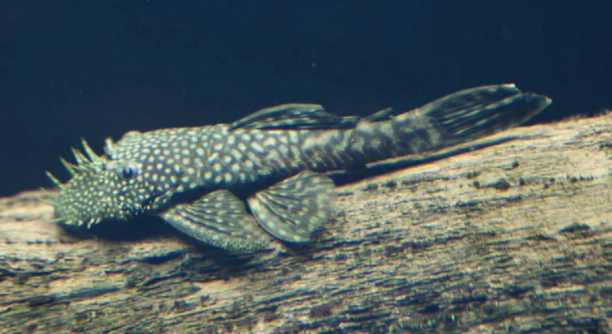
Are your plecos constantly nibbling on the filter in your aquarium? Many fish owners notice this behavior and wonder why their usually calm pleco becomes so focused on chewing plastic or other equipment.
Plecos often chew on filters because they are searching for algae, exploring their environment, or satisfying their natural instinct to rasp on hard surfaces. Ensuring proper diet, tank decorations, and environmental enrichment can reduce this behavior effectively.
Understanding why plecos engage with their filter can help you create a healthier and more balanced environment for your fish. Proper care can make your tank safer and more enjoyable for both you and your pleco.
Why Plecos Chew on Filters
Many plecos chew on filters because it mimics their natural behavior in the wild. They have a strong instinct to rasp on hard surfaces to keep their teeth healthy. In home aquariums, they may find the filter to be a convenient object for this activity. Sometimes the chewing is a sign that they are bored or not getting enough stimulation from the environment. Providing driftwood, rocks, and other safe surfaces can give them alternatives to the filter. Diet also plays a role—plecos need a mix of vegetables, algae wafers, and occasional protein to meet their nutritional needs. If their diet is insufficient, they may chew on items in the tank as a way to supplement what’s missing. Observing the behavior can help identify patterns, like certain times of day or after feeding. Adjusting both diet and tank setup often reduces filter chewing and keeps plecos healthier overall.
Providing more enrichment can prevent filter damage. Safe decorations give plecos a proper outlet for their natural habits.
Plecos explore with their mouths. Chewing on the filter is part of this exploration, not aggression. When plecos are in a tank without hiding spots or textured surfaces, the filter becomes an attractive object. By adding driftwood, rocks, and smooth ceramics, they have more options for rasping. Regularly monitoring their diet is also important. Plecos that lack proper nutrients may chew on non-food items more frequently. Consistent water changes and a clean tank make the environment more comfortable, reducing stress-driven chewing. Observing when the behavior occurs helps in creating a plan to redirect it. Over time, these adjustments help plecos focus on natural behaviors instead of damaging equipment, making the tank safer for them and easier to maintain.
Preventing Filter Chewing
Safe tank decorations are essential to prevent chewing. Plecos need alternatives to satisfy their natural rasping behavior.
Adding driftwood, rocks, or ceramic hides offers surfaces plecos can chew safely. Regularly offering fresh vegetables like zucchini or cucumber provides dietary enrichment and reduces boredom. Ensuring the tank is large enough with sufficient hiding spots also helps minimize stress-related chewing. Some plecos may need multiple types of surfaces to remain engaged. Observing which items they prefer can guide how you arrange the tank. Adjusting feeding schedules and providing algae wafers can further reduce unwanted chewing. By combining environmental enrichment with a balanced diet, plecos are less likely to damage filters. Continuous observation and small adjustments in tank setup create a safer, healthier space for your pleco, keeping both the fish and equipment in better condition over time.
Choosing the Right Filter
A sturdy filter with smooth edges is less likely to attract chewing. Avoid flimsy plastic parts or sharp corners that plecos can rasp on. Placement in the tank also matters to reduce contact with your fish.
Filters with solid casings and minimal exposed plastic reduce the risk of damage. Canister filters or hang-on-back filters with protective covers are good options. Some filters allow you to attach guards or shields to prevent plecos from reaching the intake or housing. Regular inspection ensures any wear is caught early, keeping both the filter and fish safe. Choosing the right filter also improves water quality, making the tank healthier overall. A secure setup balances functionality and safety, which is crucial for tanks with active plecos.
Placement of the filter can influence chewing behavior. Position it behind decorations or near areas less frequented by plecos. Reducing direct exposure helps. Combine this with proper enrichment, and your pleco will focus on safer objects.
Monitoring Pleco Behavior
Tracking when and how plecos chew helps manage the problem. Noting patterns reveals triggers and preferred spots.
Some plecos chew more at night or after feeding, while others respond to tank changes or stress. By recording behavior, you can adjust diet, decorations, or filter placement accordingly. Consistent observation helps identify which interventions work best. Small changes, like adding driftwood or shifting the filter, can drastically reduce chewing incidents. Over time, monitoring lets you anticipate and prevent issues, keeping your tank safer.
Plecos show strong habits based on environment and routine. Monitoring behavior lets you spot early signs of stress or boredom. Adjustments in tank setup, enrichment, and feeding can prevent filter chewing. Regular observation allows you to act before damage occurs, creating a safer, more comfortable environment for your fish. Tracking patterns also helps in selecting the right tank companions and equipment, ensuring harmony in the aquarium. With steady monitoring, filter chewing becomes manageable and less stressful for both pleco and owner.
Tank Size and Layout
A larger tank gives plecos space to explore without constantly encountering the filter. Crowded conditions increase boredom and chewing tendencies, making space a key factor.
Strategic decoration placement helps too. Hiding spots, driftwood, and smooth rocks provide outlets for natural behavior, keeping plecos engaged and reducing stress.
Diet Adjustments
Feeding a balanced diet is essential to reduce filter chewing. Plecos need vegetables, algae wafers, and occasional protein sources to meet nutritional needs. A varied diet ensures they are less likely to chew on non-food items for supplementation.
Regular Maintenance
Keeping the tank clean reduces stress and prevents boredom-related chewing. Regular water changes, gravel vacuuming, and algae removal maintain a comfortable environment, making plecos less likely to focus on the filter.
Signs of Stress
Watch for signs like hiding excessively, loss of appetite, or unusual aggression. Stress increases filter chewing and signals the need for environmental or dietary adjustments.
FAQ
Why does my pleco chew the filter so much?
Plecos chew the filter mainly due to natural behavior. They rasp on surfaces to keep their teeth healthy and explore their surroundings. A lack of stimulation or insufficient diet can make them focus on the filter. Providing driftwood, rocks, and other safe surfaces helps redirect this behavior effectively.
Is filter chewing harmful to my pleco?
Chewing the filter isn’t usually dangerous if the parts are smooth and intact. However, broken or sharp edges can cause injuries. Regular inspection of the filter is important. Ensuring the pleco has safer alternatives like wood or ceramic pieces prevents unnecessary harm.
Can changing the filter type help?
Yes. A filter with solid casing, smooth edges, and protective covers minimizes contact with your pleco. Canister filters or hang-on-back filters with guards are less tempting for chewing. Placement behind decorations also reduces direct exposure and prevents repeated interaction.
Does diet affect filter chewing?
Absolutely. Plecos need a mix of vegetables, algae wafers, and occasional protein. Lack of proper nutrients may make them chew on non-food items to supplement their diet. Feeding on a regular schedule and providing variety helps reduce this behavior.
Will adding decorations stop filter chewing?
Adding driftwood, rocks, and hiding spots provides surfaces plecos can rasp safely. Smooth ceramics and logs give them alternatives for exploration, reducing boredom. Observing which objects your pleco prefers allows you to optimize tank layout and minimize filter contact.
How can I monitor my pleco effectively?
Keeping a simple log of chewing times, locations, and triggers helps identify patterns. Monitoring after feeding, during night hours, or after tank changes can guide adjustments in diet or tank setup. Small changes often prevent filter chewing before it escalates.
Is stress a factor in filter chewing?
Yes. Stress from overcrowding, poor water quality, or incompatible tankmates increases chewing. Signs like hiding, loss of appetite, or unusual aggression indicate stress. Improving tank conditions and providing enrichment reduces stress-related filter chewing.
Can filter guards completely stop chewing?
Guards help but may not completely stop it. Plecos are persistent and may find new ways to interact with the filter. Combining guards with diet improvements, enrichment, and tank rearrangement provides the best results for long-term behavior management.
How often should I check the filter for damage?
Inspect the filter weekly to catch early signs of wear. Broken or rough areas can injure your pleco and reduce filter efficiency. Replacing or repairing damaged parts promptly keeps the tank safe and maintains water quality.
Will plecos eventually stop chewing the filter?
With proper diet, enrichment, and tank adjustments, many plecos reduce or stop chewing over time. Patience is key. Each pleco is different, so observing behavior and making consistent changes ensures long-term improvements while keeping the fish healthy and the tank intact.
Can multiple plecos increase filter chewing?
Yes. More plecos can mean more competition for space and resources. Overcrowding may lead to stress, which increases filter chewing. Ensuring enough hiding spots, feeding space, and enrichment for all fish helps prevent this behavior from becoming a problem.
Are certain pleco species more prone to chewing?
Some species, like common plecos and rubber lip plecos, are more active and likely to chew surfaces. Understanding your specific species’ habits allows you to prepare the tank appropriately, providing sufficient enrichment and minimizing filter contact.
Does water flow affect filter chewing?
Yes. Strong currents may encourage exploration and chewing. Placing decorations to break up flow or adjusting filter output can reduce contact while still maintaining good water circulation. Balancing flow and safety helps manage chewing behavior effectively.
Should I be worried about filter efficiency?
Chewing can expose internal parts or damage tubing, affecting performance. Regularly monitoring both the pleco and filter ensures proper function. Simple adjustments, like guards and layout changes, protect the filter without compromising filtration.
Can plecos damage other equipment besides the filter?
Yes. Heaters, pumps, and decorations with soft or brittle parts may be nibbled. Observing their preferences helps you place vulnerable equipment safely or choose sturdier alternatives to prevent repeated damage.
How long does it take to stop filter chewing?
It depends on the pleco and tank conditions. Some fish adjust within weeks with proper diet and enrichment. Others may take months. Consistency in monitoring, diet, and environmental adjustments is crucial for lasting results.
Is it okay to let them chew occasionally?
Occasional chewing on smooth, intact parts is normal and usually harmless. Focus on preventing injuries and providing alternatives. Over time, plecos learn safer ways to express their natural behaviors.
What if chewing persists despite changes?
Persistent chewing may require more creative solutions, like additional enrichment or new tank layouts. Consulting with a fish specialist can provide species-specific guidance. Monitoring behavior continuously ensures both safety and wellbeing.
Can filter chewing indicate health problems?
Sometimes. Excessive chewing combined with weight loss, lethargy, or poor appetite may indicate nutritional deficiencies or illness. Ensuring proper diet and observing overall health is essential for early detection and intervention.
Are there safe materials plecos can chew freely?
Driftwood, smooth stones, ceramic ornaments, and algae wafers are safe options. Offering these regularly redirects chewing away from filters and other equipment, satisfying natural rasping instincts.
Does tank lighting affect filter chewing?
Lighting influences activity patterns. Plecos may chew more at night if they are active and bored. Adjusting light cycles and providing hiding spaces can reduce nocturnal filter interaction.
How do I know if chewing is diet-related?
If chewing decreases after increasing vegetables, algae wafers, or protein, diet was likely a factor. Observing feeding response and behavior helps fine-tune nutrition, reducing unwanted filter interaction.
Can I prevent chewing completely?
Complete prevention is rare, but a combination of diet, enrichment, proper tank setup, and monitoring significantly reduces filter chewing. Focus on safe alternatives and proactive observation to manage the behavior effectively.
Are younger plecos more likely to chew?
Juveniles are often more active and curious, increasing filter contact. Providing plenty of safe surfaces and monitoring growth stages helps reduce early chewing habits, making lifelong management easier.
Do plecos chew more during breeding periods?
Yes. Increased activity, territorial behavior, or stress during breeding may lead to more chewing. Offering extra hiding spots and monitoring behavior helps manage this temporary increase safely.
Can adding algae to the tank help?
Yes. Plecos naturally graze on algae. Supplementing with algae sheets or wafers gives them a food source to chew on safely, reducing focus on the filter.
Is chewing more common in small tanks?
Small tanks limit space and stimulation, increasing boredom and filter chewing. Larger tanks with varied layout provide natural exploration and reduce the likelihood of repetitive filter interactions.
Does water temperature influence chewing?
Temperature affects activity levels. Colder water may reduce movement, while warmer water increases activity, potentially increasing chewing. Maintaining appropriate temperature for the species helps balance behavior.
Can other fish influence chewing behavior?
Yes. Aggressive or overly active tankmates may stress plecos, triggering chewing. Selecting compatible species and providing adequate space reduces stress-induced behavior.
How often should I provide enrichment?
Enrichment should be continuous. Rotating driftwood, rocks, and hiding spots every few weeks keeps plecos engaged and less likely to chew equipment. Consistency is key for effective long-term results.
Does filter brand matter?
Some brands have smoother edges, guards, or compact designs that reduce chewing opportunities. Choosing a reliable filter suited to pleco tanks improves safety and reduces maintenance issues.
Can plecos chew during water changes?
Yes. Increased activity or stress during water changes may trigger temporary chewing. Performing gentle water changes and keeping plecos occupied minimizes filter interaction during maintenance.
Are there behavioral signs that chewing will start soon?
Increased exploration, constant movement near the filter, or repeated grazing on decorations often precede chewing. Noticing these signs early allows you to intervene with enrichment or layout adjustments.
Does filter size affect chewing?
Larger filters may be more exposed, increasing contact. Compact, protected filters are less accessible and reduce opportunities for chewing. Proper placement further minimizes interaction.
Can plecos damage the intake tube?
Yes. Chewing on the intake can reduce water flow or clog the filter. Using guards or protective covers helps prevent damage while keeping water circulation efficient.
Is filter chewing more common in new tanks?
New tanks may have less algae and fewer hiding spots, increasing chewing as plecos explore. Adding enrichment and monitoring behavior early reduces long-term filter interaction.
Does water hardness influence chewing behavior?
Harder water doesn’t directly cause chewing but can affect overall health and tooth wear. Balanced water parameters keep plecos comfortable and less likely to focus on non-food items.
Are there temporary fixes for chewing?
Shields, driftwood placement, and floating vegetables offer short-term solutions. Combining these with diet and enrichment adjustments provides lasting results.
How do I know if a pleco is stressed from chewing?
Signs include hiding excessively, aggression, erratic swimming, or refusal to eat. Addressing diet, tank layout, and environmental enrichment reduces stress-driven filter chewing.
Can I train a pleco to stop chewing?
Plecos can learn safer alternatives if consistent enrichment and dietary adjustments are provided. Patience and observation help reinforce positive behaviors and reduce filter interaction.
Do plecos chew more when alone?
Lonely plecos may chew more out of boredom. Providing enrichment, hiding spots, and interaction with the environment helps occupy them and reduces filter focus.
Is filter chewing seasonal?
Activity levels may vary with temperature, light cycles, and tank conditions, slightly affecting chewing. Adjusting environment and diet according to seasonal changes helps maintain consistent behavior.
Does age affect chewing habits?
Young plecos are more active and curious, chewing more frequently. Adults may chew less if proper diet and enrichment are provided consistently, making management easier over time.
Are certain filter placements safer?
Yes. Placing filters behind driftwood or near areas plecos visit less often reduces direct contact. Combining placement with enrichment prevents repetitive chewing.
Can multiple interventions be combined?
Absolutely. Diet adjustments, enrichment, filter guards, proper placement, and monitoring together are most effective. Addressing multiple factors ensures plecos chew less and stay healthy.
How long should enrichment rotations last?
Rotating decorations every 2–4 weeks keeps plecos engaged. Regular changes prevent boredom and reduce filter chewing over time.
Is filter chewing a sign of poor care?
Not necessarily. It’s natural behavior that can appear even in well-maintained tanks. Proper management and observation ensure it doesn’t harm the fish or equipment.
Does filter material matter?
Smooth, durable materials reduce chewing risk. Brittle or rough plastics may encourage repeated nibbling and potential damage. Choosing sturdy materials is important.
Can plecos damage glass or acrylic tanks?
They rarely damage the tank itself, focusing on surfaces they can rasp, like filters, wood, or decorations. Observing preferences helps protect equipment.
Will supplements reduce chewing?
Calcium and vegetable-based supplements support tooth health, possibly reducing the need to chew hard surfaces. Balanced nutrition is key.
Is chewing more common in certain water chemistries?
Extreme pH or soft water may stress plecos, indirectly increasing chewing. Maintaining stable, species-appropriate water reduces stress behaviors.
Are plecos more likely to chew alone or in groups?
Alone, they may chew out of boredom. In groups, competition for space or resources can increase chewing. Observing social behavior helps adjust tank setup.
Can filter chewing cause illness?
Injury from sharp edges or contaminated filter parts can lead to infections. Preventing contact and keeping the tank clean minimizes risks.
Should I change filter frequency because of chewing?
Regular maintenance is still required. Chewing may necessitate more frequent inspections to ensure parts aren’t damaged or clogged. Proper schedule protects both fish and equipment.
Does pleco personality affect chewing?
Yes. Some plecos are naturally more curious or active, making them more likely to chew. Tailoring enrichment and monitoring to individual behavior improves results.
Can chewing indicate boredom?
Often, yes. Lack of stimulation encourages exploration and filter interaction. Adding enrichment and hiding spots reduces boredom-driven chewing.
Is chewing worse in tanks without live plants?
Live plants provide natural grazing and hiding areas, which can reduce filter chewing. Their absence may make filters more attractive.
Do plecos chew differently at night?
Many are nocturnal, increasing activity and chewing in low light. Providing safe surfaces and hiding spots helps manage nighttime behavior.
Are there signs that enrichment is working?
Reduced filter chewing, increased interaction with driftwood or vegetables, and calmer behavior indicate successful enrichment. Adjustments can be made based on these observations.
Can chewed filters affect water flow?
Yes. Damaged intake or housing can reduce flow and filtration efficiency. Regular inspection and protective measures prevent these issues.
Is chewing more likely in newly added plecos?
New plecos explore more, increasing filter interaction. Providing safe alternatives and monitoring behavior helps them settle without damaging equipment.
Do plecos chew more after tank rearrangement?
Changes in layout can trigger exploration and chewing. Gradual adjustments and providing new enrichment reduce repeated filter interaction.
Can filter chewing lead to long-term damage?
If unchecked, repeated chewing may crack or wear parts, compromising filter performance. Preventive measures and monitoring reduce risks.
Are some filter guards more effective than others?
Guards that fully cover edges and intakes work best. Partial or loose guards may be bypassed, requiring additional strategies like enrichment and placement adjustments.
Can plecos chew if they are well-fed?
Yes. Chewing is partly exploratory. Even with a full diet, plecos may still chew surfaces, though it tends to be less frequent and less aggressive.
Is chewing more common in tanks with strong currents?
Yes. Strong currents encourage exploration. Properly placing decorations and adjusting flow can reduce direct contact with filters.
Should I worry if plecos only nibble occasionally?
Occasional nibbling is normal and usually harmless. Focus on safety and providing alternatives to prevent escalation.
Does filter type affect tank maintenance?
Filters resistant to chewing are easier to maintain, as they remain intact longer. Choosing durable models saves time and prevents stress for the pleco.
Can multiple plecos chewing at once damage the filter faster?
Yes. Increased activity accelerates wear. Combining guards, enrichment, and diet management protects the filter from repeated contact.
Are there warning signs before serious damage occurs?
Fractures, cracks, or worn plastic indicate potential risk. Inspecting weekly allows preventive action before major damage happens.
Can chewing behavior return after improvements?
Possibly. Life changes, growth, or boredom may trigger renewed chewing. Continuing enrichment, diet management, and observation prevents recurring issues.
Does filter placement near feeding areas matter?
Yes. Plecos often chew near food sources. Moving filters away from feeding zones reduces repeated contact while still maintaining water circulation.
How do I balance water flow and filter protection?
Position the filter behind decorations, use guards, and adjust flow strength. This ensures efficient filtration without exposing parts to chewing.
Are some plecos more stubborn chewers?
Yes. Individual personalities vary. Persistent chewers may require more enrichment, frequent observation, and creative tank layouts to minimize filter damage.
Can chewing indicate discomfort in water parameters?
Occasionally. Unstable or inappropriate water conditions may stress plecos, increasing chewing behavior. Maintaining proper temperature, pH, and hardness helps prevent this.
Does tank age affect filter chewing?
Older tanks with established algae or worn surfaces may encourage chewing less. Newer tanks may require more enrichment to occupy plecos.
Are there signs that a pleco is satisfied and less likely to chew?
Exploring decorations, grazing on safe surfaces, and reduced filter interaction suggest that enrichment and diet are meeting needs.
Can plecos chew other plastic equipment?
Yes. Pumps, heater guards, or decorations with soft plastic may be targeted. Observing preferences helps relocate or replace vulnerable items.
Do plecos prefer certain surfaces?
They prefer hard, smooth surfaces for rasping. Providing alternatives reduces contact with filters and protects equipment.
Is chewing influenced by light cycles?
Yes. Adjusting light schedules to match natural activity patterns can reduce nocturnal chewing and promote healthier behavior.
Can filter chewing cause stress?
Yes. Injuries or disrupted water flow can stress plecos. Preventive measures maintain both fish health and equipment function.
Are there behavioral tricks to redirect chewing?
Placing favorite driftwood, rotating enrichment, and offering vegetables during peak activity redirects attention away from filters. Consistency reinforces safe habits.
How often should I adjust enrichment?
Every 2–4 weeks is ideal. Regular rotation prevents boredom, encourages exploration of safe surfaces, and reduces filter chewing.
Can chewing lead to infections?
Injury from rough edges can introduce bacteria. Preventing contact and maintaining a clean tank reduces risks.
Does filter noise influence chewing?
Unusual vibrations or sounds may attract attention. Ensuring quiet operation and proper placement can reduce interaction.
Are plecos more likely to chew after tank disturbances?
Yes. Water changes, cleaning, or rearrangements trigger curiosity. Providing safe alternatives minimizes filter contact.
Can filter chewing indicate tooth overgrowth?
Occasionally. Overgrown teeth may encourage extra rasping. Regular diet with hard foods like driftwood helps maintain proper tooth length.
Is chewing more common in new aquariums?
Yes. Exploring unfamiliar surroundings often increases filter contact. Providing enrichment reduces repetitive chewing early on.
Can water clarity affect chewing?
Poor visibility may increase stress or curiosity-driven exploration. Maintaining clean water helps reduce equipment interaction.
Are plecos likely to chew in planted tanks?
Planted tanks give grazing opportunities, reducing focus on filters. However, some plecos still explore and nibble hard surfaces occasionally.
Does tank depth matter for chewing?
Deeper tanks may allow more hiding, reducing boredom. Shallow tanks with limited space may increase filter interaction.
Can chewing behavior indicate a need for more space?
Yes. Crowded conditions encourage boredom and filter chewing. Adequate tank size and layout reduce this behavior.
Do plecos chew more when young?
Juveniles explore actively and chew more. Adults tend to settle if enrichment and diet meet their needs consistently.
How do I track chewing effectively?
Note times, locations, and triggers. Observing patterns guides interventions, diet adjustments, and layout changes.
Can plecos chew plastic even with proper diet and enrichment?
Yes, occasionally. It’s partly exploratory, but risk of damage is reduced with proper measures in place.
**Does filter size influence chewing frequency
Final Thoughts
Plecos chewing on filters is a common behavior that many fish owners notice. It often comes from natural instincts, such as exploring the tank or keeping their teeth healthy. Chewing doesn’t necessarily mean something is wrong, but it can be a sign that your pleco needs more stimulation, a better diet, or a safer environment. Observing the fish carefully allows you to see patterns in behavior. For example, some plecos chew more at night, after feeding, or when new decorations are added. By keeping track of when and how often your pleco chews, you can make small changes to the tank that improve their overall well-being. Simple adjustments like adding driftwood, hiding spots, or smooth rocks provide surfaces for natural rasping and reduce focus on the filter. Understanding why plecos chew is the first step in managing it, making the tank safer and more comfortable for both the fish and the equipment.
Diet plays a significant role in preventing filter chewing. Plecos need a balanced mix of vegetables, algae wafers, and occasional protein to stay healthy. When their diet is insufficient or lacking variety, they may turn to non-food items, like the filter, to satisfy their nutritional needs or natural chewing instincts. Offering fresh vegetables like zucchini or cucumber, along with algae wafers, can redirect chewing toward safe alternatives. Observing which foods your pleco prefers helps you adjust feeding schedules and portions accordingly. Consistency is important, as sudden changes in diet may lead to stress or renewed chewing behavior. Combining dietary adjustments with environmental enrichment creates a more engaging and balanced habitat. Over time, a well-fed and stimulated pleco is less likely to focus on equipment, reducing the risk of damage to your filter and other tank items.
Tank setup and maintenance also influence chewing behavior. A larger tank with plenty of hiding spaces, smooth surfaces, and strategic filter placement gives plecos more options to explore safely. Crowded or poorly arranged tanks often increase boredom and stress, which can lead to repetitive filter chewing. Regular water changes, clean gravel, and monitored water parameters create a healthy environment that reduces stress-related behavior. Protective filter guards or covers can prevent injuries and damage, but they work best when combined with diet and enrichment strategies. Monitoring behavior consistently and making adjustments as needed ensures that your pleco remains healthy and content. Understanding the balance between natural instincts, diet, and tank environment is key to managing filter chewing effectively and maintaining a safe, thriving aquarium.

Hello,
If you enjoy the content that we create, please consider saying a "Thank You!" by leaving a tip.
Every little bit helps us continue crafting quality advice that supports the health, happiness, and well-being of pets around the world, for pets of all shapes, sizes, and species.
We really appreciate the kindness and support that you show us!