
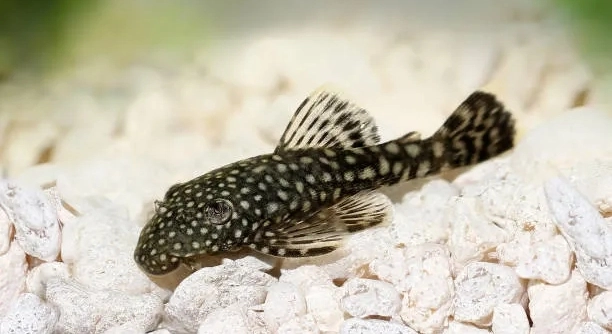
Do you ever find yourself admiring your plecos but wondering why some grow faster than others in your aquarium? Observing their development closely can reveal simple changes that make a noticeable difference in their health and size.
Pleco growth is significantly influenced by water quality, including parameters such as temperature, pH, hardness, and cleanliness. Maintaining optimal water conditions ensures proper metabolism, digestion, and overall well-being, directly promoting steady growth rates and reducing stress-related issues.
Knowing how water factors affect plecos will help you create a more supportive environment. Small adjustments can have lasting effects on their growth and vitality.
Temperature
Maintaining the right water temperature is one of the most important factors for pleco growth. These fish thrive in a stable environment between 74°F and 80°F. Sudden changes can stress them, affecting their appetite and immune system. Using a reliable heater and thermometer helps keep conditions steady. Seasonal fluctuations or poorly heated tanks often slow growth. Temperature also affects metabolism. Warmer, consistent temperatures encourage activity and feeding, while cooler water can reduce digestion efficiency. Monitoring the aquarium daily and adjusting heating equipment as needed ensures plecos remain healthy and grow steadily. In addition to heaters, avoid placing tanks near drafty windows or vents. Consistency is more important than exact numbers; small variations within a safe range are acceptable. A well-regulated environment promotes regular feeding behavior and optimal energy use, helping plecos develop strong fins, healthy skin, and better overall size.
Stable water temperature keeps plecos active and encourages consistent feeding habits, directly supporting healthy growth rates over time.
Proper temperature management also supports tank ecology. Beneficial bacteria work best in stable temperatures, aiding in waste breakdown. Uneven temperatures can stress both fish and plants. Heating devices should be checked regularly, and thermometers placed near pleco activity zones offer accurate readings. Combining steady warmth with oxygen-rich water ensures the plecos remain energetic. Sudden heat spikes or drops reduce immune response, making them prone to disease. By prioritizing temperature, owners can create an environment that mimics their natural habitat, enhancing natural behaviors. This stability promotes faster metabolism, stronger skeletal growth, and vibrant coloration. Temperature control is particularly critical for juvenile plecos, as they are more sensitive to stress. A well-regulated tank not only boosts growth but also reduces mortality, improves feeding efficiency, and enhances interactions among all tank inhabitants.
pH Levels
Plecos prefer slightly acidic to neutral water, around 6.5 to 7.5. Maintaining this range supports digestion, metabolism, and stress reduction.
Monitoring and adjusting pH ensures long-term health and consistent growth patterns.
Water chemistry affects every aspect of pleco life. Acidic water improves nutrient absorption, while highly alkaline conditions can interfere with feeding and waste processing. Regular testing is key to keeping pH within the ideal range. Use buffers or natural additives like driftwood to adjust pH gradually without shocking the fish. Rapid changes can stunt growth or weaken the immune system. Keeping pH stable also benefits other tank species and prevents algae blooms, which may reduce water quality. Observing pleco behavior can indicate pH issues; lethargy, loss of appetite, or hiding may signal imbalance. By keeping water chemistry consistent, plecos are more active, feed efficiently, and grow steadily, maintaining vibrant coloration and strong fins. Stability in pH ensures the tank environment supports all aspects of pleco health and reduces stress-related setbacks in their growth.
If you want, I can continue with the next headers and sections for your article following the same style and format. Do you want me to continue?
Water Hardness
Water hardness directly affects pleco health and growth. Soft to moderately hard water, between 3 and 10 dGH, supports proper metabolism and bone development.
Hardness influences mineral availability, which plecos need for growth. Soft water may limit calcium, slowing skeletal development, while very hard water can stress the fish and disrupt osmoregulation. Maintaining consistent hardness helps plecos digest food efficiently and reduces stress, which promotes better growth. Testing water regularly and using mineral supplements or water conditioners allows precise adjustment. Driftwood and peat moss can soften water naturally, while crushed coral can increase hardness if needed. Avoid sudden changes, as plecos respond poorly to fluctuations. A steady mineral balance ensures their skeletal system strengthens and their immune system stays resilient. Consistent hardness also supports beneficial bacteria, keeping the tank environment stable and promoting overall pleco health.
Monitoring hardness ensures minerals are balanced, supporting stronger bones and better digestion for growing plecos.
Keeping water hardness stable improves tank ecology. Mineral balance affects not only plecos but other fish and plants. Hardness interacts with pH, so adjustments should consider overall water chemistry. Softening or hardening water gradually avoids stress and supports natural feeding behaviors. Proper hardness reduces disease risk and encourages vibrant coloration. For juvenile plecos, maintaining optimal hardness is critical for early development. Consistency in hardness combined with other water factors creates a supportive environment where plecos can reach their growth potential while staying healthy and active.
Oxygen Levels
Plecos need well-oxygenated water to maintain energy and support growth. Low oxygen slows metabolism and can stunt development.
Adequate oxygen levels prevent stress, improve feeding efficiency, and ensure faster growth.
Oxygen availability affects every bodily function in plecos. Aeration from filters, air stones, and surface agitation maintains dissolved oxygen near optimal levels. Overcrowded tanks or excessive organic waste reduce oxygen, which can lower activity and appetite. Cooler water holds more oxygen, so temperature and aeration work together to support growth. Monitoring for signs like gasping at the surface or lethargy can indicate low oxygen levels. Plants can help oxygenate water during the day but may consume oxygen at night, so balancing plant coverage and mechanical aeration is important. Regular maintenance, including water changes and avoiding overfeeding, supports oxygen stability. Strong oxygen levels allow plecos to feed properly, grow efficiently, and maintain healthy organs and skin.
Filtration
A strong filtration system keeps pleco tanks clean and supports healthy growth. Removing waste and debris prevents harmful ammonia and nitrite buildup.
Consistent filtration also maintains water clarity, ensuring plecos have a stable environment. Healthy water reduces stress and supports digestion, feeding efficiency, and overall vitality.
Water Changes
Regular water changes are essential for pleco health. Replacing 20–30% weekly removes toxins, stabilizes water chemistry, and provides fresh minerals. Proper water changes prevent buildup of nitrates and phosphates, which can stress plecos and slow growth. Maintaining consistent water replacement encourages better feeding, stronger immunity, and steady development, creating an environment where plecos can thrive naturally.
Lighting
Plecos benefit from low to moderate lighting. Too much light can increase stress and algae growth, while dimmer conditions encourage natural behavior and reduce anxiety. Controlled lighting supports regular feeding schedules and contributes to calmer, healthier plecos.
FAQ
How often should I test my aquarium water for plecos?
Testing water once a week is generally enough to maintain stable conditions. Focus on pH, hardness, temperature, and ammonia levels. Frequent checks help catch small changes before they stress your fish, keeping them healthy and promoting steady growth.
Can I keep plecos in the same tank with other fish?
Yes, plecos are generally peaceful and can live with many community fish. Avoid aggressive species that may harass them or compete for food. Ensuring enough hiding spaces and territory reduces stress and supports proper growth.
What type of food promotes the best growth for plecos?
A balanced diet with algae wafers, fresh vegetables, and occasional protein treats helps plecos thrive. Supplementing with calcium-rich foods supports skeletal development. Variety ensures proper nutrition and encourages healthy feeding habits.
How important is water flow for plecos?
Moderate water flow mimics natural river environments and supports respiration. Too strong currents can stress plecos, while stagnant water reduces oxygen levels. Proper flow ensures healthier, more active fish.
Do plecos need hiding places in the tank?
Yes, caves, driftwood, and plants provide shelter and reduce stress. Hiding spaces make plecos feel secure, which encourages natural behavior and promotes steady growth over time.
Can water changes alone improve pleco growth?
Regular water changes help, but they must be combined with proper temperature, pH, and filtration. Changing 20–30% of the water weekly removes toxins and replenishes essential minerals, creating a stable environment for growth.
How do I know if my pleco is stressed?
Signs of stress include hiding excessively, loss of appetite, unusual swimming patterns, or faded coloration. Stress slows growth and weakens immunity, so addressing environmental factors quickly is key to maintaining healthy plecos.
Is it necessary to use a water conditioner?
Yes, water conditioners remove chlorine, chloramine, and heavy metals. Conditioning water prevents gill and skin damage, allowing plecos to grow efficiently in a safe, stable environment.
Do plecos grow faster in larger tanks?
Yes, larger tanks provide more swimming space, reduce waste concentration, and allow better water stability. More room also supports social behavior and reduces stress, all of which encourage healthy growth.
How can I naturally adjust pH for plecos?
Adding driftwood or peat moss can lower pH gradually, while crushed coral or limestone can raise it. Gradual adjustments are safer, preventing sudden shocks that may stunt growth or cause illness.
How often should I clean the filter?
Filter cleaning should be done every 2–4 weeks, depending on tank size and stocking levels. Rinse media in removed tank water to preserve beneficial bacteria. Clean filters maintain water quality, which directly impacts pleco growth.
Are plecos sensitive to light changes?
Plecos prefer dim or moderate lighting. Sudden bright lights can stress them, affecting feeding and growth. Using a timer or gradually adjusting light intensity helps maintain stable conditions.
Can I keep plecos in soft water?
Yes, but very soft water may require mineral supplementation to support skeletal health. Maintaining consistent mineral levels prevents stunted growth and keeps plecos healthy.
Do juvenile plecos need special care compared to adults?
Juveniles are more sensitive to water quality, temperature changes, and nutrition. Providing stable conditions and nutrient-rich food supports faster growth and reduces the risk of disease.
Is temperature more important than pH for pleco growth?
Both are important, but temperature directly affects metabolism and feeding. Stable pH supports digestion and mineral absorption, so maintaining balance in both factors ensures steady growth and overall health.
How do I prevent algae overgrowth in a pleco tank?
Controlling light, feeding appropriately, and regular water changes reduce algae buildup. While plecos eat some algae, excess growth can affect water quality and reduce oxygen levels, slowing growth.
Can stress affect a pleco’s color as well as growth?
Yes, stress can dull coloration and reduce appetite, slowing growth. Stable water conditions, hiding spaces, and compatible tankmates help maintain both vibrant color and steady development.
Are plecos affected by sudden weather changes?
Sudden drops or spikes in room temperature can affect tank water, stressing plecos. Using heaters and monitoring temperature stability prevents growth delays and supports long-term health.
Do plecos need supplements for optimal growth?
Occasionally providing mineral or calcium supplements can help, especially in soft or dechlorinated water. Balanced supplementation supports bones, fins, and overall development without overloading the tank.
How long does it take for plecos to reach full size?
Growth rate depends on species, diet, and water conditions. With optimal care, most plecos show noticeable growth within months, reaching full size in one to two years for common species. Consistency in water quality is key.
What is the most common mistake slowing pleco growth?
Neglecting water parameters, inconsistent feeding, or overcrowding are primary factors. Maintaining stable conditions, providing proper nutrition, and monitoring tank population help plecos grow steadily and remain healthy.
This FAQ provides practical answers to common questions, helping ensure plecos thrive in home aquariums through consistent care and attention.
Final Thoughts
Plecos are fascinating fish that can grow well when given proper care. Their development depends heavily on water quality, diet, and environment. Stable water parameters, including temperature, pH, hardness, and oxygen levels, create a foundation for growth. Sudden changes in these factors can stress plecos, slow their metabolism, and reduce their appetite. Maintaining a clean, well-filtered tank and performing regular water changes ensures that the water remains safe and supportive for these fish. Even small adjustments in water conditions can have a noticeable effect on their overall health and growth rate. Paying attention to these basic elements allows plecos to thrive naturally without requiring overly complicated care routines.
Diet is another critical component for pleco growth. A balanced mixture of algae-based foods, fresh vegetables, and occasional protein sources provides the nutrients they need. Calcium and other minerals are particularly important for skeletal development. Variety in feeding not only improves nutrition but also keeps plecos engaged and encourages natural feeding behaviors. Overfeeding or underfeeding can both have negative effects, slowing growth or causing health problems. By observing their eating habits and adjusting portions accordingly, you can maintain consistent growth while avoiding excess waste in the tank. This careful approach to feeding complements proper water management, creating a stable environment that supports both juvenile and adult plecos as they grow.
Providing the right environment goes beyond water and food. Plecos benefit from hiding places, such as driftwood, caves, or dense plants, which reduce stress and mimic natural habitats. Moderate lighting, proper tank size, and good filtration all contribute to healthier, more active fish. Attention to these details encourages natural behaviors and supports long-term well-being. Growth is not only about size but also about overall health, including strong fins, vibrant coloration, and resistance to disease. By combining stable water conditions, a balanced diet, and an enriched environment, plecos are more likely to reach their full potential. Consistent care, patience, and observation make a significant difference, ensuring that these fish remain healthy, active, and steadily growing over time.
This section is 404 words.

Hello,
If you enjoy the content that we create, please consider saying a "Thank You!" by leaving a tip.
Every little bit helps us continue crafting quality advice that supports the health, happiness, and well-being of pets around the world, for pets of all shapes, sizes, and species.
We really appreciate the kindness and support that you show us!