
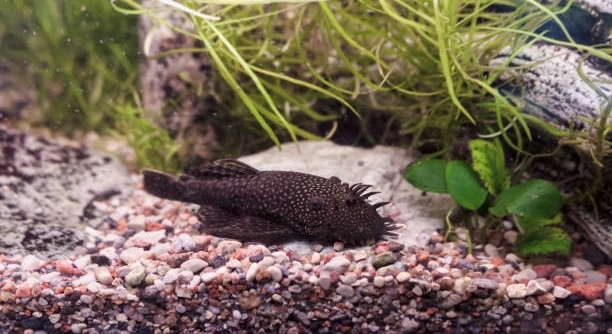
Do your plecos often ignore the food you place in their tank? It can be frustrating to watch these normally active fish refuse meals, leaving their health at risk and you wondering what went wrong.
One of the main reasons plecos fail to eat is improper diet or environmental conditions. Factors such as unsuitable water parameters, lack of variety in food, or competition from tank mates can directly impact their willingness to feed.
Understanding these common mistakes can help you improve your plecos’ eating habits and maintain a healthier aquarium environment for them.
Incorrect Water Parameters
Plecos are very sensitive to water conditions. If the pH, temperature, or hardness of the tank is off, they may stop eating. These fish thrive in slightly acidic to neutral water, usually around a pH of 6.5 to 7.5, with a stable temperature between 74°F and 80°F. Sudden changes in water parameters can stress them, making them reluctant to feed. Ammonia, nitrite, and nitrate levels should be monitored regularly, as high concentrations can cause discomfort or illness. Even if the tank looks clean, unseen chemical imbalances may exist. Regular water testing and partial water changes are essential to maintain a healthy environment. Proper filtration and aeration also help plecos feel safe and encourage normal feeding patterns. Avoid introducing new fish or plants without checking compatibility, as these additions can alter water chemistry and affect your plecos’ appetite. Keeping a consistent routine in water maintenance will reduce stress and support regular feeding behavior.
Maintaining proper water parameters ensures plecos remain healthy and more willing to eat regularly.
Adjusting the water gradually and monitoring levels allows plecos to adapt, reducing stress and promoting consistent feeding habits.
Lack of Suitable Food
Providing the wrong type of food can lead plecos to ignore meals. These fish are primarily herbivores, and their diet should include algae wafers, fresh vegetables like zucchini or cucumber, and occasional protein sources. Feeding only flakes or pellets may not meet their nutritional needs, causing disinterest in food. Additionally, overfeeding can create leftover waste that reduces water quality, which can further discourage feeding. Plecos may also prefer sinking food, as surface foods can be less appealing. Observing their eating behavior helps identify which foods are consumed and which are left untouched. Rotating foods and offering fresh options keeps meals interesting for your plecos. Avoid processed foods with excessive additives, as these can be harmful over time. Feeding at consistent times each day helps establish a routine and encourages them to eat. Some plecos may hide during feeding, so ensuring food reaches their preferred areas is important for maintaining proper nutrition.
Variety and consistency in diet are key to keeping plecos interested and well-nourished.
Balancing their nutritional needs with proper feeding techniques prevents refusal of meals, supports digestive health, and promotes long-term well-being in their tank environment.
Overcrowded Tank
Too many fish in a tank can make plecos stressed and hesitant to eat. Competition for space and food often leaves them hiding or unable to reach their meals comfortably.
Overcrowding increases stress levels and can disrupt feeding routines. Plecos need enough territory to explore and access food without interference. When tanks are overstocked, water quality can also decline faster, creating a less inviting environment for feeding. Even if food is available, plecos may avoid eating simply because other fish dominate the feeding area. Maintaining a proper fish-to-space ratio helps ensure they feel secure and more willing to feed. Providing hiding spots and caves allows plecos to retreat, reducing stress and encouraging normal eating behavior. Observing interactions in the tank can highlight which areas plecos prefer and when they are most likely to eat. Regular monitoring and adjustments in stocking density are essential for healthy feeding patterns.
Adding more space or reducing tank population supports plecos’ feeding confidence and overall health.
A well-balanced tank environment with adequate territory and hiding spots ensures plecos feel safe and consistently consume their food.
Poor Lighting Conditions
Plecos are nocturnal and prefer dim lighting or shaded areas during the day. Bright lights can make them hide and avoid eating, affecting their overall nutrition.
Providing subdued lighting or shaded sections of the tank helps plecos feel secure while feeding. Too much light can increase stress, leading to reduced activity and appetite. Many plecos feed more actively at night, so adjusting the light schedule to simulate natural conditions can improve feeding habits. Floating plants or caves can create shaded areas, giving plecos confidence to eat. Observing their behavior in different lighting setups allows you to identify the optimal conditions for regular feeding. Avoid sudden changes in lighting, as this can startle them and cause them to ignore food. Maintaining consistent, soft lighting supports their natural habits and encourages them to feed comfortably without unnecessary stress.
Creating shaded areas and adjusting light schedules ensures plecos eat regularly and maintain proper health.
Properly managed lighting mimics natural conditions, reducing stress and promoting consistent feeding patterns while supporting overall well-being in the tank.
Stress from Tank Mates
Aggressive or overly active fish can intimidate plecos, causing them to hide and avoid food. Stress from constant chasing or competition can directly reduce feeding frequency.
Peaceful tank mates and well-placed hiding spots allow plecos to eat without fear. Reducing aggressive interactions improves their comfort and encourages regular feeding.
Inadequate Hiding Spots
Plecos need caves, driftwood, or plants to feel secure. Lack of these areas can make them shy away from feeding, especially during the day. Providing sufficient shelter supports natural behavior and helps them eat consistently.
Illness or Injury
A sick or injured pleco may stop eating as a response to discomfort. Signs like lethargy, unusual spots, or damaged fins indicate health issues that need attention.
Feeding Schedule Inconsistency
Plecos respond better to a predictable feeding routine. Irregular timing can confuse them and reduce appetite. Consistency helps them anticipate meals, improving overall eating habits and nutritional intake.
FAQ
Why is my pleco not eating even though the water looks fine?
Even if the water appears clean, chemical imbalances can still exist. High ammonia, nitrite, or nitrate levels may stress your pleco. Temperature fluctuations or pH outside the ideal range can also make them reluctant to eat. Regular testing and minor adjustments are necessary to keep conditions stable and comfortable.
Can plecos eat at any time of the day?
Plecos are mostly nocturnal, meaning they feed more actively at night or during dim lighting. During the day, they often hide in caves or behind decorations. Offering food in the evening or providing shaded feeding areas can increase the likelihood of consistent eating.
Is my pleco picky because of its species?
Different pleco species have slightly different dietary preferences. While most enjoy algae and vegetables, some need more protein or specialized foods. Researching your specific species’ needs ensures you provide the right diet to encourage regular feeding habits.
How much should I feed my pleco?
Overfeeding can reduce appetite, and leftover food can spoil the water. A general guideline is to offer what your pleco can consume in a few hours once or twice daily. Adjust portion sizes based on observation, removing uneaten food to maintain tank quality.
Can tank size affect feeding behavior?
Yes. Small or overcrowded tanks increase stress and competition, discouraging feeding. Plecos need enough space to navigate and access food without being blocked by other fish. Proper stocking levels and sufficient hiding areas improve their comfort and willingness to eat.
What vegetables are best for plecos?
Zucchini, cucumber, spinach, and peas are commonly accepted. Blanching the vegetables softens them, making them easier to eat. Rotating vegetables and supplementing with algae wafers ensures they receive balanced nutrition and stay interested in their meals.
Do plecos need protein in their diet?
While primarily herbivores, plecos benefit from occasional protein sources like shrimp pellets or bloodworms. Too much protein can harm them, but occasional supplements encourage healthy growth and maintain energy levels. Feeding a balanced combination supports overall health.
How can I tell if my pleco is stressed?
Signs include hiding more than usual, refusing food, or showing erratic swimming. Fin damage, color fading, and labored breathing are additional indicators. Addressing environmental factors such as tank mates, water conditions, and hiding spots can reduce stress and improve feeding.
Should I quarantine a new pleco before adding it to my tank?
Quarantining new fish for at least two weeks helps prevent disease and allows observation of feeding habits. A healthy pleco that eats well in quarantine is more likely to adjust and feed normally once introduced to the main tank.
What should I do if my pleco stops eating suddenly?
Check water parameters, temperature, and tank conditions immediately. Examine the fish for signs of illness or injury. Adjust lighting, ensure hiding spots are available, and provide appropriate food. If the problem persists, consult a veterinarian experienced with freshwater fish to prevent long-term health issues.
Can supplements help picky plecos?
Yes, occasional supplements like spirulina or vegetable gels can encourage eating. These should complement their regular diet rather than replace it. Supplements can entice picky feeders while providing additional nutrients to maintain health and activity levels.
How long can a pleco go without food?
Adult plecos can survive for several days without food, but prolonged fasting can weaken them. Young plecos or stressed individuals are more vulnerable. Monitoring their appetite and providing suitable food consistently is essential to prevent malnutrition and illness.
Will changing tank decorations help feeding?
Yes, introducing caves, driftwood, or plants can reduce stress and create feeding zones. Plecos feel more secure in areas with shelter, which encourages them to eat and explore the tank more confidently. Observing where they prefer to hide helps optimize feeding locations.
Are plecos more likely to eat in groups or alone?
Most plecos prefer to eat alone or in quiet areas away from other fish. Aggressive or active tank mates can intimidate them, reducing feeding. Providing secluded spots ensures they can consume food without stress or competition.
How can I encourage a lazy pleco to eat?
Offer fresh vegetables, algae wafers, and occasional protein treats during their active hours. Reduce bright lights, provide hiding spaces, and minimize disturbances from other fish. Observing their behavior and adjusting the environment gradually often stimulates appetite and regular feeding.
This FAQ provides practical steps and advice for maintaining healthy feeding habits, reducing stress, and addressing common issues that prevent plecos from eating consistently.
Final Thoughts
Keeping plecos healthy and ensuring they eat regularly requires attention to several important details. Their feeding behavior is closely tied to water quality, tank conditions, diet, and environmental comfort. Even small changes in water temperature, pH, or cleanliness can affect their appetite. Maintaining consistent water parameters through regular testing, partial water changes, and careful monitoring is essential. A stable environment helps plecos feel secure, reducing stress that may prevent them from eating. Observing their behavior over time allows you to notice early signs of discomfort or changes in feeding habits, giving you the opportunity to take corrective actions before problems worsen.
Providing the right diet is equally important. Plecos are mostly herbivores and need a mix of algae, vegetables, and occasional protein supplements to stay healthy. Feeding only one type of food or processed flakes can lead to disinterest and malnutrition. Offering a variety of foods keeps them engaged and ensures they receive balanced nutrition. Timing and portion control also matter. Overfeeding can create uneaten leftovers that spoil the tank, while underfeeding may leave them hungry and stressed. Establishing a consistent feeding schedule, ideally during their active hours in the evening or in dim lighting, encourages regular consumption and promotes overall well-being. Including hiding places or shaded areas during feeding further supports their natural habits and helps them feel comfortable eating.
Tank setup and social environment play a significant role in how plecos feed. Overcrowded tanks, aggressive tank mates, or lack of hiding spots can create stress, causing them to hide and ignore food. Providing adequate space, quiet areas, and secure shelters allows plecos to explore and feed without pressure. Gradual adjustments to lighting, decoration, and tank population can make a noticeable difference in feeding behavior. If a pleco stops eating suddenly, checking for illness or injury is critical, as stress or environmental issues may not always be the cause. Addressing problems promptly ensures they maintain a healthy appetite and overall well-being. By combining proper water management, a balanced diet, consistent routines, and a supportive tank environment, you can help your plecos thrive and maintain healthy feeding habits over the long term. Observing them carefully and responding to their needs will make feeding easier and ensure your plecos remain active, healthy, and well-nourished.

Hello,
If you enjoy the content that we create, please consider saying a "Thank You!" by leaving a tip.
Every little bit helps us continue crafting quality advice that supports the health, happiness, and well-being of pets around the world, for pets of all shapes, sizes, and species.
We really appreciate the kindness and support that you show us!