
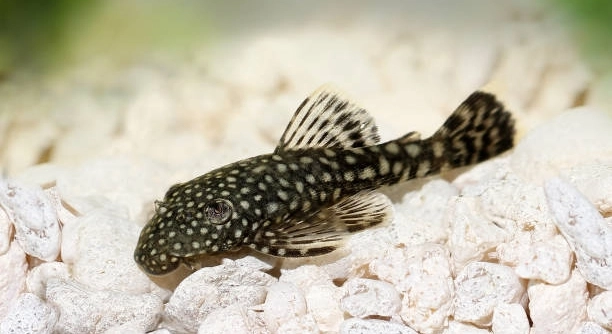
Are your small tank plecos showing signs of boredom or stress? Many aquarists overlook the importance of decorating tanks with suitable hiding spots and surfaces that plecos naturally enjoy interacting with daily.
Small tank decor for plecos should focus on providing hiding areas, textured surfaces, and natural elements. Driftwood, caves, and smooth stones allow them to graze, hide, and explore, supporting their physical activity, mental stimulation, and overall health effectively.
Adding the right elements can transform a simple tank into a comfortable and engaging habitat your plecos will appreciate.
Driftwood for Grazing
Driftwood is one of the best additions to a pleco’s tank. It provides a natural surface for them to graze on algae and biofilm. Plecos enjoy scraping it with their mouths, which helps wear down their teeth. Placing driftwood strategically also gives them hiding spots, making them feel secure. Some driftwood varieties, like Malaysian or Mopani wood, slightly soften the water and add tannins, which can benefit plecos’ health. Over time, the wood darkens, creating a more natural look. Be sure to clean and soak the wood before adding it to your tank to remove debris and prevent clouding. Driftwood also helps maintain water chemistry by releasing small amounts of beneficial acids. A few pieces in a small tank can transform the environment into a more stimulating and functional space. Plecos will naturally gravitate toward the wood, exploring and grazing at different times of the day.
Driftwood supports both their dietary habits and mental well-being, making it essential for any pleco tank.
Its presence encourages natural behavior, reduces stress, and adds a visually appealing element that plecos frequently interact with.
Caves and Hiding Spots
Caves are vital for plecos to feel safe and reduce stress in the tank.
Hiding spots can be made from ceramic, resin, or natural rock. They provide shelter during rest and molting periods, and give plecos private areas to retreat when feeling threatened. When adding caves, ensure they are smooth inside to prevent injury and large enough for plecos to fully enter. Multiple small hiding areas allow several plecos to coexist without conflict, even in a small tank. Position caves near driftwood or plants to create layered environments that mimic natural habitats. Avoid sharp edges or unstable placements to prevent accidents. Over time, plecos may establish favorite spots, returning to them repeatedly. Using a combination of caves and tunnels also encourages exploration while keeping their stress levels low. Carefully arranged hiding spaces support natural behavior patterns, maintain comfort, and promote a sense of security that can improve overall health and activity. Properly designed caves also help maintain tank aesthetics, making it look organized and intentional rather than cluttered.
Smooth Stones and Pebbles
Smooth stones give plecos surfaces to explore and graze without damaging their delicate fins. They also add texture to the tank, making it more stimulating and natural.
Arranging smooth stones in clusters allows plecos to swim around and hide between them. Flat stones can be placed to create resting spots, while rounded pebbles provide gentle surfaces for scraping algae. Make sure stones are aquarium-safe and properly cleaned to avoid introducing harmful substances. Over time, stones may develop biofilm, which plecos will eagerly graze on, supporting their dietary needs. Stones also help break the monotony of a plain substrate, giving the tank more depth and interest. By mixing sizes and shapes, you can create an engaging environment that encourages movement and natural behavior.
Using stones in combination with driftwood and caves provides a layered habitat. Plecos can alternate between grazing, hiding, and resting areas, which keeps them active and reduces stress while enhancing the visual appeal of the tank.
Live or Artificial Plants
Plants offer plecos additional surfaces to graze and help maintain water quality by absorbing nutrients. They create hiding spaces and reduce stress in small tanks.
Both live and artificial plants can be used. Live plants contribute to oxygen levels and nutrient absorption, while artificial plants are easier to maintain and reposition. Hardy plants like Java fern or Anubias attach well to driftwood or rocks, providing vertical grazing surfaces. Placing plants around the tank’s edges and corners allows plecos to explore freely without feeling exposed. Avoid overcrowding the tank, as plecos need open swimming areas. Mixing tall and short plants creates layers, mimicking natural habitats. Some plecos may nibble on soft leaves, so choose plants accordingly. Proper plant placement supports natural grazing habits, reduces stress, and makes the tank visually dynamic.
Plants also help diffuse light, giving plecos shaded areas and promoting more active periods. Combining plants with driftwood, stones, and caves results in a balanced, stimulating, and functional small tank environment.
Floating Logs
Floating logs provide plecos with surfaces to rest near the water surface and graze on biofilm. They add vertical interest and simulate a more natural environment.
Logs can also help break the current, creating calmer areas in the tank. Make sure they are secured to avoid drifting and are aquarium-safe to prevent water contamination.
PVC Pipes and Tubes
PVC pipes and tubes are inexpensive and versatile hiding spots. They mimic natural crevices and tunnels plecos use in the wild. Smooth edges prevent injury, and different diameters accommodate various pleco sizes. PVC can be positioned horizontally, vertically, or at angles to create unique pathways. Covering pipes partially with driftwood or plants makes them feel safer. Tubes encourage exploration and allow multiple plecos to occupy the tank without conflict. Regular cleaning prevents algae buildup and keeps them safe for grazing. Using pipes in combination with natural decor elements enhances tank functionality while maintaining a stimulating environment for your plecos.
Background Decorations
Background decorations create depth and reduce stress by providing a sense of enclosure. They visually separate the tank from its surroundings.
FAQ
How often should I rearrange decorations in a pleco tank?
Plecos are territorial and can become stressed if decorations change too frequently. It’s best to keep their environment stable. Minor adjustments, like adding a new plant or small stone, are fine, but major rearrangements should be spaced out over weeks. Allow plecos time to explore and adjust to any new additions. Stability helps maintain their feeding and resting habits and reduces signs of anxiety or hiding.
Can plecos live without driftwood?
Driftwood is highly recommended, especially for species that graze on wood. It helps wear down their teeth and provides surfaces for biofilm growth, which they naturally feed on. While some plecos may survive without driftwood, lacking it can lead to stress, overgrown teeth, and reduced grazing opportunities. Including at least one piece supports health and mimics a natural habitat.
Are artificial plants safe for plecos?
Yes, artificial plants can be safe if they are aquarium-grade and free from sharp edges. They don’t provide nutrients like live plants, but they create hiding spots and grazing surfaces. Regular cleaning prevents algae buildup. Mixing artificial plants with natural elements can provide a stimulating environment without the extra care live plants require.
How many hiding spots does a small tank need?
Small tanks should include at least two to three hiding spots per pleco. This can include caves, tunnels, or areas behind driftwood. Providing multiple options prevents territorial disputes and allows each pleco to feel secure. Even in tanks with only one pleco, having several spots encourages natural behavior and reduces stress.
Can plecos damage decorations?
Plecos occasionally scrape surfaces and may move lightweight decorations, but properly secured driftwood, stones, and artificial elements usually remain intact. Soft or fragile materials may be damaged over time. Observing how your plecos interact with decorations helps ensure safety for both the fish and the tank items.
Is sand or gravel better with decor?
Both substrates work, but sand is preferred for bottom-dwelling species, including plecos. Sand allows easier movement and reduces the risk of trapping debris. Gravel works as long as it’s smooth and large enough not to be ingested. Substrate choice should complement decorations to create resting areas, grazing surfaces, and open swimming spaces.
Should decorations be cleaned regularly?
Yes, cleaning decorations is important to prevent algae buildup and maintain water quality. Driftwood and stones can be scrubbed gently with a soft brush. Avoid harsh chemicals; hot water is usually sufficient. Regular maintenance ensures decorations remain safe for plecos while keeping the tank visually appealing.
Can plecos coexist with plants and other tankmates?
Yes, most plecos coexist well with live plants and peaceful tankmates. Hardy plants are less likely to be eaten, and decorations help define territories. Avoid aggressive fish that may stress plecos or compete for hiding spots. Proper spacing of decorations helps create multiple zones, allowing harmonious cohabitation.
Do plecos prefer tall or short plants?
Both types are useful. Tall plants provide shaded areas and vertical grazing surfaces, while short plants fill in the bottom layer and create secure corners. A mix of plant heights mimics natural environments and supports exploration, grazing, and resting habits. Positioning plants strategically enhances security and reduces stress.
Can I use PVC pipes instead of natural caves?
Yes, PVC pipes are a practical alternative. They provide smooth, safe hiding spots and are customizable in size and placement. Covering them partially with driftwood or plants makes them feel more natural. Regular cleaning prevents algae buildup and ensures plecos remain healthy and active.
How do I know if my pleco likes the decorations?
Plecos show approval by frequent grazing, resting in caves, and exploring areas around driftwood and plants. Avoiding certain spots or hiding excessively may indicate stress or dislike. Observing behavior over several days helps determine which decorations are most appreciated.
Do floating logs help with pleco activity?
Yes, floating logs encourage vertical exploration and provide resting areas near the surface. They also create shaded regions that plecos enjoy. Securing logs prevents drifting and maintains a consistent environment, giving plecos a sense of safety while adding interest to the tank layout.
Can plecos climb plants or decorations?
Plecos may climb or cling to surfaces with suction mouths, especially on smooth leaves, driftwood, or stones. This is natural behavior and helps them graze biofilm. Ensure decorations are stable and edges are smooth to prevent injury. Watching climbing behavior shows engagement with the environment.
Is it necessary to provide multiple grazing surfaces?
Yes, multiple surfaces like driftwood, stones, and plants allow plecos to graze throughout the tank. This variety prevents boredom, promotes natural feeding behavior, and reduces stress. Rotating or occasionally adding new surfaces can further enhance their environment without disturbing established territories.
How do decorations affect water quality?
Natural decorations like driftwood may release tannins, slightly lowering pH and softening water, which is often beneficial for plecos. Stones and PVC pipes have minimal impact. Keeping decorations clean prevents excess debris and algae, helping maintain stable and healthy water conditions for fish and plants alike.
This FAQ addresses the key concerns for creating a comfortable, stimulating environment for plecos in small tanks, balancing their behavioral needs with tank maintenance.
Creating a comfortable and stimulating environment for plecos in a small tank requires careful attention to their natural behaviors and preferences. Decorations such as driftwood, caves, smooth stones, plants, and PVC pipes play an important role in keeping plecos active, healthy, and stress-free. Each element serves a purpose, whether it’s providing grazing surfaces, hiding spots, or resting areas. Driftwood allows plecos to scrape biofilm and maintain proper dental health, while caves and PVC tubes give them a sense of security. Smooth stones and pebbles add texture and grazing opportunities, and plants create shaded areas and additional surfaces to explore. Even small changes in the tank layout can impact their comfort, so arranging these elements thoughtfully helps maintain a balanced and natural-feeling habitat. A small tank does not limit creativity, as combining these basic elements can create a layered, engaging environment that meets the physical and behavioral needs of plecos.
It’s important to maintain stability in the tank while still providing variety. Plecos are territorial, so frequent rearrangements can cause stress or confusion. Instead, gradual additions or adjustments are the best approach. For example, adding a new plant, moving a small stone, or introducing a floating log can encourage exploration without overwhelming the fish. Keeping decorations clean and free from harmful chemicals is also essential for maintaining water quality. Driftwood may release beneficial tannins, but stones and pipes should be rinsed regularly to prevent debris buildup. Proper placement of decorations ensures that plecos have multiple grazing surfaces and hiding spots, while also maintaining open swimming areas. Attention to both safety and functionality ensures that plecos remain healthy and active, while the tank maintains a visually appealing and organized appearance. Even in a small tank, thoughtful decoration supports natural behaviors, encourages activity, and reduces stress.
Understanding the role of each decoration helps create a tank that feels both secure and stimulating. Plecos naturally graze, hide, and explore, and providing the right mix of elements allows them to express these behaviors freely. Driftwood and stones serve as feeding surfaces, caves and pipes provide safety, and plants offer shelter and additional grazing areas. Floating logs add vertical interest and resting options, while background decorations create a sense of enclosure that reduces stress. Observing pleco behavior over time helps identify preferred spots and favored surfaces, allowing for minor adjustments that enhance their comfort. The goal is to balance functionality and aesthetics, ensuring that each decoration has a purpose and contributes to overall well-being. With careful planning and attention to detail, even a small tank can become a rich, engaging habitat that plecos will actively use and enjoy daily. A well-decorated tank supports natural behaviors, maintains health, and provides a visually pleasing environment that benefits both the fish and the aquarist.

Hello,
If you enjoy the content that we create, please consider saying a "Thank You!" by leaving a tip.
Every little bit helps us continue crafting quality advice that supports the health, happiness, and well-being of pets around the world, for pets of all shapes, sizes, and species.
We really appreciate the kindness and support that you show us!