
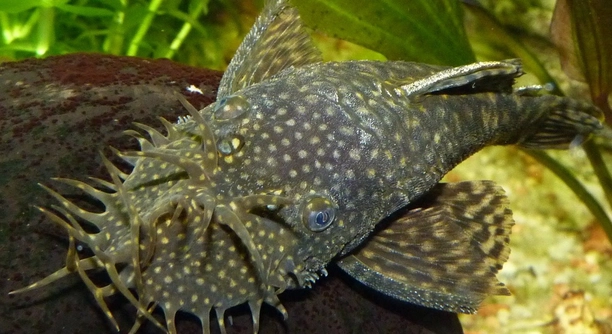
Do you ever notice your plecos enjoying their algae wafers while snails linger nearby, seemingly interested in the same food? Watching them interact can be surprisingly peaceful, and many aquarists wonder how these tank mates share meals.
Plecos and snails can generally share food safely, provided the aquarium environment is well-maintained and food is offered in moderation. Proper nutrition and monitoring prevent competition and ensure both species remain healthy without harm.
Observing their mealtime interactions can reveal habits you may not have noticed before, offering insight into maintaining a balanced and harmonious tank.
Understanding Plecos and Snails Diets
Plecos are primarily herbivores, feeding on algae, vegetables, and sinking wafers. They enjoy foods rich in fiber, like zucchini, spinach, and cucumber, which support their digestive health. Snails, on the other hand, are also herbivorous but tend to graze on leftover food, algae, and decaying plant matter. Both species can coexist when their dietary needs are met, but care must be taken to avoid overfeeding. Excess food can pollute the tank, harming water quality and stressing both plecos and snails. Observing feeding habits is important, as some plecos may monopolize certain foods, leaving snails hungry. Providing multiple feeding spots and timed portions can help ensure equitable access to food. Offering a varied diet keeps both species healthy and reduces the risk of nutrient deficiencies. Tank cleanliness, proper filtration, and consistent monitoring are crucial for maintaining harmony and promoting long-term wellbeing for plecos and snails.
Both plecos and snails can benefit from supplemental vegetables alongside their regular food.
Careful feeding management is key. By placing food in different areas and observing both plecos and snails during feeding, you can ensure each receives proper nutrition. Avoid overcrowding the tank, and remove uneaten food promptly to prevent water contamination. Regularly checking their weight and activity levels helps identify dietary issues early. With these steps, sharing meals becomes safe and stress-free.
Tips for Safe Food Sharing
Offering food at multiple spots prevents competition and ensures both species have access.
Creating a feeding routine helps maintain balance in the tank. Start by measuring portions carefully to avoid overfeeding, which can lead to algae blooms and poor water quality. Sinking wafers and fresh vegetables should be distributed in different corners of the aquarium, allowing plecos and snails to feed simultaneously without conflict. Observe the tank during feeding times; plecos are larger and may accidentally block snails from reaching food. Adjust the placement of food or increase portions if snails appear underfed. Rotating vegetables and occasional algae supplements provide variety, keeping both species healthy. Regularly cleaning the tank and removing leftover food ensures water quality remains stable, which is vital for the health of all aquatic inhabitants. By combining these strategies, you create a safer, more harmonious environment where plecos and snails can coexist and enjoy their meals together without stress or nutritional deficiency.
Feeding Techniques for Harmony
Placing food in different corners reduces competition. Small portions encourage gradual eating and prevent leftovers from spoiling.
Using slow-sinking wafers and chopped vegetables helps plecos and snails access food simultaneously. Monitoring their behavior during feeding shows if adjustments are needed, ensuring both get enough nutrition. Observing who eats first and where can prevent one species from dominating, and it allows you to tweak feeding spots. Consistent timing also trains them to eat without rushing or stressing each other. Regularly changing the type of vegetables or algae wafers keeps their diets balanced and encourages natural grazing behavior.
Some aquarists place a small piece of zucchini near snails while dropping wafers elsewhere. This method ensures that plecos focus on wafers while snails get their share. Over time, both adapt to feeding spots, reducing conflicts. Watching their interactions provides insight into their preferences and helps maintain an even distribution of food, promoting a peaceful tank environment for all.
Monitoring Health While Sharing Food
Regular observation helps prevent malnutrition or overfeeding. Watch both plecos and snails closely for signs of stress or uneven growth.
Changes in appetite, weight, or shell condition can indicate dietary imbalance or water issues. Plecos may hide if stressed, while snails may move less. Adjusting food type, quantity, or placement ensures both species stay healthy. Tracking behavior over weeks shows trends and potential problems early. Water quality impacts food safety, so testing parameters like ammonia, nitrite, and pH is essential. Providing a variety of vegetables, algae, and sinking wafers meets different nutritional needs. Record feeding habits to refine your approach. Consistency in diet and environment supports long-term health. Monitoring also builds confidence in knowing each species is thriving.
Ideal Food Choices
Vegetables like zucchini, cucumber, and spinach are excellent for both plecos and snails. Algae wafers supplement their diet effectively.
Avoid feeding excessive protein or processed foods, as these can harm digestive systems and water quality. Fresh, plant-based options keep both species healthy and active.
Avoiding Overfeeding
Overfeeding can lead to poor water quality and stress both plecos and snails. Uneaten food decomposes quickly, raising ammonia levels and promoting algae growth. Feeding measured portions in separate spots encourages proper consumption. Regularly removing leftovers ensures a cleaner tank, reducing disease risks and helping both species thrive.
Signs of Unequal Feeding
If snails are slow-growing or plecos become overly aggressive, feeding adjustments are necessary.
Observing how each species interacts during mealtime helps identify problems. Placing food in multiple areas and offering varied vegetables and wafers encourages fair sharing, keeping both plecos and snails nourished without conflict.
FAQ
Can plecos and snails eat the same type of food every day?
While plecos and snails can share similar foods like algae wafers and vegetables, it is best to offer a varied diet. Feeding the same food daily may lead to nutrient deficiencies or boredom in eating habits. Alternating zucchini, spinach, cucumber, and occasional algae wafers ensures both species get fiber and essential nutrients. Variety also encourages natural grazing behavior, which is healthier for their digestive systems. Observing their preferences helps refine the diet over time and prevents one species from overeating or dominating food sources.
How much food should I give my plecos and snails?
Portion control is important to prevent overfeeding. Plecos are larger and require more food than snails, but leftovers should not remain in the tank for long. A small slice of vegetable per pleco and one or two wafers per tank section is usually sufficient. Snails can nibble on leftovers, but their portions should be monitored to avoid competition. Feeding small amounts multiple times per week, rather than dumping large quantities, helps maintain water quality and reduces stress for both species.
Will plecos harm my snails during feeding?
Generally, plecos are peaceful toward snails. Aggression is rare unless the tank is overcrowded or food is scarce. Observing interactions during feeding helps ensure snails have access to their share. Creating multiple feeding spots allows both species to eat comfortably without conflict. If plecos are very large or territorial, placing food near hiding spots for snails ensures they are not blocked. Consistent feeding routines reduce competition and keep mealtimes calm.
Is it okay to feed live plants to both species?
Yes, many plecos and snails enjoy nibbling on live plants. However, delicate or slow-growing plants may be damaged quickly. Hardy plants like Java fern or Anubias are better choices. Snails may consume decaying leaves, which helps clean the tank. Avoid toxic plants or heavily fertilized leaves, as these can harm both plecos and snails. Rotating plant offerings provides variety and prevents nutrient imbalances. Observing how both species interact with plants helps protect greenery while supporting natural grazing behaviors.
How do I know if snails or plecos are underfed?
Signs of underfeeding include slow growth, reduced activity, and in snails, thinning or pitted shells. Plecos may become overly aggressive or start scavenging excessively. Tracking daily feeding habits and observing their eating patterns is essential. Adjusting food placement, portions, and types helps ensure all tank inhabitants get enough nutrition. Regular monitoring allows early detection of dietary issues before serious health problems develop.
Can plecos and snails share supplements safely?
Yes, calcium and trace mineral supplements can benefit both species, particularly snails for shell health. Calcium blocks or powdered supplements added to vegetables can ensure snails maintain strong shells and plecos get necessary minerals. Avoid overdosing, as excess minerals can affect water quality. Monitor the tank and adjust as needed to maintain balance. Supplements should complement, not replace, a varied diet of vegetables and algae-based foods.
How often should I clean the tank if plecos and snails share food?
Frequent cleaning is essential to prevent leftover food from polluting water. Removing uneaten vegetables, wafers, and decaying plant matter two to three times per week keeps ammonia and nitrate levels low. Snails can help clean, but they cannot remove all leftovers. Regular partial water changes and substrate vacuuming support healthy bacteria growth and maintain a safe environment for both species. Proper cleaning reduces stress and allows both plecos and snails to feed safely without competition or health risks.
Are there signs of conflict between plecos and snails during feeding?
Signs of conflict include chasing, pushing, or one species blocking access to food. Most plecos are calm, but large or territorial individuals may unintentionally stress snails. Multiple feeding points and evenly distributed food reduce competition. Watching interactions during feeding helps you adjust placement, portions, and timing to prevent stress. Minor disputes are normal, but prolonged aggression indicates the need for intervention. Ensuring each species has access to its preferred foods supports harmony and overall tank health.
Can juvenile plecos share food safely with adult snails?
Juvenile plecos are smaller and less likely to dominate feeding. They can safely share food with adult snails if portions are monitored. Overfeeding or placing large wafers near snails may cause juveniles to struggle for access. Distributing small pieces across the tank ensures both species are nourished. Observing their growth and adjusting food amounts helps maintain balance as plecos mature. Providing a mix of sinking wafers and vegetables supports development and snail health without conflict.
Should I change feeding habits if I notice one species gaining more weight?
Yes, uneven growth indicates dietary imbalance. Adjust portions, feeding spots, and food types to ensure both species receive proper nutrition. Offering vegetables to snails away from pleco feeding areas can prevent overeating by plecos. Tracking growth and behavior over time allows adjustments to maintain healthy weight for both plecos and snails. Regular observation is the most reliable way to prevent nutritional issues and ensure harmonious sharing of food.
Final Thoughts
Keeping plecos and snails together in the same tank can be very rewarding when done correctly. Both species have different eating habits, but with proper management, they can share food safely. Plecos tend to focus on algae wafers and vegetables, while snails often graze on leftovers or decaying plant matter. Providing multiple feeding spots and a variety of foods ensures that neither species is left hungry. Overfeeding or placing all food in one area can lead to competition, stress, and water quality problems. Observing their interactions during feeding times helps you understand their habits and allows you to make small adjustments that improve harmony in the tank. Regular monitoring of water parameters is also crucial, as poor water quality can affect both plecos and snails, regardless of how carefully you manage their diet.
Meal planning is important to maintain a balanced tank. Feeding vegetables like zucchini, spinach, and cucumber provides essential fiber for plecos and snails. Algae wafers supplement these fresh foods and give plecos a concentrated source of nutrients. Avoid high-protein or processed foods, as they can disrupt digestion and harm the tank environment. Offering small portions multiple times per week is better than dumping a large amount at once. Leftover food should be removed promptly to prevent decay and water contamination. Paying attention to how plecos and snails consume food can reveal preferences and potential issues. For example, some plecos may dominate certain wafers, while snails might struggle to reach fresh vegetables. Adjusting the placement of food or rotating vegetables ensures that both species get equal access.
Healthy feeding routines go beyond just providing food. Observing the physical condition of plecos and snails is a key part of maintaining their wellbeing. Healthy snails have strong, smooth shells, and active movement indicates they are receiving enough nutrition. Plecos should show steady growth, clear fins, and normal activity levels. If either species shows signs of underfeeding, such as thinning shells, sluggish behavior, or hiding, adjustments to portions or food type may be needed. Supplements like calcium blocks can help snails maintain shell strength without negatively affecting plecos. Consistency, observation, and minor adjustments create a peaceful environment where plecos and snails can coexist without conflict. By understanding their habits and meeting their dietary needs, you can ensure a harmonious tank where both species thrive and remain healthy.

Hello,
If you enjoy the content that we create, please consider saying a "Thank You!" by leaving a tip.
Every little bit helps us continue crafting quality advice that supports the health, happiness, and well-being of pets around the world, for pets of all shapes, sizes, and species.
We really appreciate the kindness and support that you show us!