
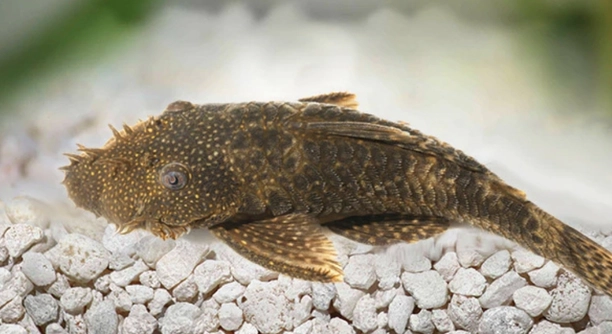
Do you ever notice your plecos swimming closely together, seemingly in sync, and wonder if they are forming a connection? Observing these subtle behaviors can reveal how your aquatic pets interact and build bonds in their environment.
Pleco pairs often display bonding through synchronized swimming, shared hiding spaces, gentle nudging, and mutual territory defense. These behaviors indicate social attachment, coordination, and comfort, reflecting the development of a stable pair relationship within their aquatic habitat.
Recognizing these cues can enhance your understanding of pleco behavior and improve how you care for your fish companions. Watching them closely provides insights into their interactions and wellbeing.
Close Swimming and Synchronized Movement
Pleco pairs often swim close together, mirroring each other’s movements around the tank. This behavior goes beyond mere coincidence. When two plecos remain in proximity while gliding across the substrate or weaving around plants, it signals trust and comfort. Synchronized swimming shows coordination, suggesting the pair is aware of each other’s presence and responds accordingly. In many cases, they will pause at the same spots, explore identical hiding places, or glide side by side along tank surfaces. Observing this can give insight into how bonded the pair is becoming. Some plecos may even perform short bursts of swimming together, a subtle display of attachment. Tank conditions, such as sufficient hiding spaces and calm water flow, can encourage this behavior. Close swimming is more frequent in healthy pairs with stable diets, proper lighting, and minimal stress. Noticing these interactions helps you gauge the health of the pair’s relationship and the stability of their environment.
This behavior reflects comfort, coordination, and mutual awareness. It is a strong bonding signal.
Watching plecos glide together allows you to appreciate the subtleties of their interaction. It can be fascinating to see them respond to each other, almost as if they are communicating silently. By ensuring a calm and enriched environment, you can encourage these moments, helping your pleco pair maintain a stronger connection over time. These observations are not only interesting but also helpful in managing a balanced tank.
Shared Hiding Spots
Bonded plecos often choose the same hiding spots, signaling trust and safety.
When plecos repeatedly share caves, driftwood, or dense plant areas, it indicates a mutual sense of security. This behavior suggests they are forming a stable pair and feel comfortable coexisting. A shared hiding spot reduces stress and reinforces their bond. It is especially noticeable during daylight hours or when external activity occurs near the tank. Observing how they negotiate space and settle together provides insights into social hierarchy, preferences, and compatibility. Providing multiple hiding spots can enhance bonding opportunities and prevent territorial disputes. Over time, you may notice they favor the same areas consistently, highlighting the development of trust and attachment.
Shared hiding spaces demonstrate trust and security. Plecos that do this regularly show clear signs of bonding.
Monitoring these behaviors can guide tank setup, ensuring both plecos have safe areas while maintaining their companionship. By adjusting décor and providing suitable retreats, you support their comfort and encourage continued pairing. Observing their preferences over weeks allows for subtle management of space, reducing stress and fostering natural interactions. Some pairs may alternate locations without conflict, while others stick strictly to favored spots, reflecting differing temperaments and social dynamics. Proper observation helps you identify when a pair is thriving or requires adjustments to tank layout. Understanding these preferences also improves feeding routines, as bonded pairs are more likely to feed calmly near shared areas. The cumulative effect of shared hiding spots, combined with close swimming and gentle nudging, paints a clear picture of pleco bonding behaviors that can be nurtured with careful attention.
If you want, I can continue the next two sections following the same format and style. Do you want me to do that?
Gentle Nudging and Touch
Pleco pairs often engage in gentle nudging, brushing against each other while moving or resting. This behavior shows comfort and familiarity, helping strengthen their social bond. Nudging can occur near feeding areas, hiding spots, or along tank surfaces.
These subtle touches indicate recognition and trust. One pleco may nudge the other to encourage movement or explore a hiding spot together. It is a way to communicate without aggression, showing cooperative behavior. Over time, repeated nudging reinforces attachment and helps the pair coordinate activities, including feeding and territory sharing.
Observing these gentle interactions can help identify which plecos are bonded. Nudging is often accompanied by synchronized swimming or shared hiding preferences, combining multiple signs of social attachment. Recognizing this behavior allows for better tank management, ensuring both plecos remain comfortable and confident in their environment, reducing stress and promoting long-term stability.
Mutual Territory Defense
Bonded plecos sometimes defend their shared territory together, signaling a coordinated pair dynamic. They may chase intruders away or patrol tank areas side by side.
Mutual defense occurs when plecos establish favorite caves, driftwood, or substrate areas. When threatened, both will respond, often exhibiting parallel movements or synchronized displays. This behavior demonstrates social awareness and a willingness to protect shared resources. Bonded pairs show higher levels of coordination compared to solitary plecos, responding to each other’s cues and reinforcing their connection. Maintaining a suitable tank layout with enough space and hiding spots helps support this behavior, reducing stress and conflict.
Observing paired defense provides insight into how strong a bond has developed. When plecos actively work together to secure territory, it indicates trust and shared priorities. Bonded pairs are more likely to display consistent patterns, maintaining areas that meet both their needs. These behaviors highlight the importance of environmental enrichment, as appropriate decor allows for natural defensive actions without stress. By monitoring territory interactions, you can adjust tank conditions to encourage comfort and security, fostering a stable and cooperative pairing that benefits both fish and the overall tank ecosystem.
Feeding Side by Side
Bonded plecos often feed close together, showing comfort and trust. They may nibble on algae wafers or vegetables in the same area without conflict.
Eating side by side reduces stress and indicates a stable relationship. This behavior also shows that the pair respects each other’s space while meeting nutritional needs.
Resting in Close Proximity
Plecos that rest near each other exhibit a strong sense of security. They may pause on driftwood, rocks, or substrate while maintaining gentle contact. This proximity is a clear sign of social bonding, reflecting trust and comfort in shared spaces within the tank environment.
Gentle Circling
Plecos sometimes circle each other slowly, a behavior that strengthens social bonds. This movement demonstrates comfort and coordination within the pair, showing they are aware of each other’s presence and feel secure in their shared environment.
FAQ
How can I tell if my pleco pair is truly bonded?
Bonded plecos display several consistent behaviors. They swim closely together, share hiding spots, gently nudge each other, and sometimes feed side by side. Mutual territory defense and synchronized circling are also strong indicators. Observing repeated patterns over days or weeks gives a clearer picture of their connection, as occasional interactions might not indicate true bonding.
Is it normal for bonded plecos to have minor disagreements?
Yes. Even bonded plecos may briefly compete over food or favorite hiding spots. These minor disagreements are usually brief and do not result in injury. True bonding is evident when conflicts are resolved quickly, and the pair returns to shared spaces or coordinated movements.
How important is tank setup for bonding?
Tank setup plays a crucial role. Providing ample hiding spots, driftwood, and open swimming areas reduces stress and supports natural behaviors. Proper water parameters, moderate flow, and stable lighting help plecos feel secure, which strengthens bonding. A cramped or barren tank can lead to aggression and prevent bonding.
Can diet affect bonding behavior?
Yes. A well-balanced diet ensures plecos are healthy and less stressed. Feeding algae wafers, vegetables, and occasional protein supplements can maintain energy levels. When plecos are nourished, they are more likely to engage in synchronized swimming, shared feeding, and gentle interactions, reinforcing their bond.
Do bonded plecos always stay together?
Mostly, but not constantly. Bonded plecos may explore different parts of the tank individually, especially when searching for food or exploring new areas. However, they often return to shared spaces or swim together after brief separations, demonstrating ongoing attachment.
How long does it take for a pair to bond?
The time varies depending on the plecos’ age, temperament, and tank conditions. Some pairs show signs within a few weeks, while others may take months. Consistent observation of interactions, feeding patterns, and shared hiding behaviors helps determine whether bonding is occurring.
What signs indicate a strong bond beyond proximity?
A strong bond is reflected in coordinated swimming, gentle nudging, mutual territory defense, and shared resting spots. Bonded plecos respond to each other’s cues, avoid unnecessary aggression, and maintain calm behavior even during minor disturbances. Observing multiple behaviors together confirms attachment.
Can stress affect bonding?
Yes. Sudden changes in water temperature, poor water quality, overcrowding, or aggressive tank mates can disrupt bonding. Stress may lead to separation, hiding, or increased aggression. Maintaining stable conditions supports consistent bonding behaviors and reduces tension between the pair.
Should bonded plecos be separated for breeding purposes?
Separation is not always necessary unless the tank cannot support breeding behavior. Some pairs may require additional space or specific conditions to spawn successfully. Monitoring interactions during this time ensures minimal stress and maintains the overall bond.
Can bonding change over time?
Yes. Bonds can strengthen or weaken depending on health, environment, and age. Healthy conditions and adequate space reinforce attachment, while prolonged stress or illness may reduce bonding behaviors. Regular observation and proper care help sustain a strong relationship between plecos.
Are some pleco species more likely to bond than others?
Certain species, such as common plecos and bristlenose plecos, exhibit more noticeable bonding behaviors due to their social nature. Other species may be more territorial or solitary, showing fewer signs of bonding. Knowing your species’ tendencies helps set realistic expectations for pair interactions.
Can I encourage bonding if my plecos seem distant?
Yes. Ensuring adequate hiding spots, proper diet, and calm tank conditions encourages interaction. Avoid overcrowding or aggressive tank mates. Observing and providing opportunities for shared activities like feeding or resting near each other can gradually strengthen their bond.
What is the benefit of recognizing pleco bonding?
Understanding bonding helps improve tank management, reduce stress, and ensure both plecos’ well-being. Observing natural behaviors allows for better feeding, habitat adjustments, and monitoring of health. Bonded plecos are generally calmer, more confident, and show a more predictable pattern of interactions.
Can bonded plecos coexist with other tank mates?
Yes, if the tank is large enough and additional species are non-aggressive. Bonded plecos often defend their space together but can tolerate peaceful fish in separate areas. Monitoring interactions ensures that their bond remains strong without interference from other inhabitants.
How can I document pleco bonding progress?
Keeping a simple log of behaviors, hiding spot usage, feeding patterns, and swimming habits over time provides clear evidence of bonding. Noting repeated interactions helps identify trends and assess whether environmental adjustments are needed to maintain a stable pair relationship.
What are the most reliable bonding behaviors to watch?
The most reliable indicators are synchronized swimming, shared hiding spots, gentle nudging, feeding together, and mutual territory defense. Observing these behaviors consistently over time confirms that the plecos are bonded rather than merely tolerating each other in the tank.
Can bonding affect breeding success?
Yes. Bonded pairs are more likely to engage in cooperative behaviors during spawning. Trust, coordination, and comfort with each other increase the chances of successful egg-laying and care, making bonding an important factor in breeding programs.
How do I know if bonding has weakened?
Signs of weakened bonding include increased aggression, avoidance, or reluctance to share hiding spots or feeding areas. Reduced synchronized behavior or frequent separation can indicate stress, illness, or environmental issues affecting the pair’s relationship.
Are there subtle bonding cues that are easy to miss?
Yes. Minor gestures such as gentle circling, brief nudges, and coordinated pauses at resting spots are often overlooked. Paying attention to these small interactions helps reveal the depth of the pleco pair’s bond.
Is it safe to add a new pleco to a bonded pair?
Adding a new pleco can disrupt the existing bond. Introductions should be done gradually, with ample space and multiple hiding spots to reduce territorial disputes. Careful monitoring ensures that the original pair maintains their connection while minimizing stress.
How does water quality impact bonding?
Poor water conditions create stress, reducing social interactions and bonding behaviors. Stable temperature, pH, ammonia, nitrite, and nitrate levels are crucial for encouraging healthy communication, synchronized movements, and mutual territory behaviors between plecos.
Can bonded plecos develop unique habits together?
Yes. Over time, bonded pairs may develop specific routines such as preferred feeding spots, resting areas, or synchronized swimming patterns. These habits reflect familiarity, trust, and the comfort of interacting with a known partner.
What is the role of observation in supporting bonding?
Careful observation allows identification of stress, preferences, and interaction patterns. Monitoring behaviors ensures adjustments in tank setup, feeding, and environmental conditions that reinforce the pair’s bond and promote long-term well-being.
How often should I monitor pleco bonding?
Daily brief checks are sufficient for ongoing observation. Focus on feeding times, hiding spots, and swimming patterns to capture consistent behaviors. Documenting changes over weeks helps track the development or weakening of the bond.
Can bonded plecos show affection in other ways?
Yes. Affection can appear as resting in contact, coordinated exploration, or calm proximity during feeding. These subtle cues reflect trust and comfort, highlighting the pair’s social connection.
How can I tell if bonding is mutual?
Mutual bonding is evident when both plecos engage in shared behaviors, respond to each other’s cues, and consistently tolerate proximity. If only one pleco displays attachment behaviors, the bond may be uneven or developing.
What adjustments can strengthen an existing bond?
Providing additional hiding spots, maintaining water quality, offering consistent feeding routines, and minimizing stressors encourages positive interactions. Encouraging shared activities, such as feeding near each other, helps reinforce trust and comfort between the pair.
Are there environmental signs that bonding is successful?
A stable tank, calm interactions, coordinated swimming, shared hiding spots, and reduced aggression indicate successful bonding. Observing these signs confirms that the pleco pair feels secure, comfortable, and connected.
Does age impact bonding behaviors?
Yes. Younger plecos may take longer to bond due to higher activity levels or territorial instincts. Older plecos tend to form attachments more steadily and exhibit calmer, consistent bonding behaviors once comfort is established.
Can bonding reduce stress in plecos?
Bonded plecos often exhibit lower stress levels. Shared resting, synchronized swimming, and mutual territory defense provide reassurance, creating a more stable and comfortable environment. Reduced stress contributes to better health, feeding, and longevity in the tank.
Is bonding permanent or flexible?
Bonding is flexible. It can strengthen over time with proper care but may weaken due to stress, illness, or environmental changes. Consistent monitoring and stable conditions help maintain the connection between pleco pairs.
How do I differentiate bonding from tolerance?
Tolerance occurs when plecos coexist without aggression but do not engage in shared behaviors. Bonding involves repeated interactions, coordinated movements, shared hiding, and mutual responses, indicating active social connection rather than simple coexistence.
Can bonded plecos influence each other’s health?
Yes. A bonded pair may encourage healthy feeding habits, reduce stress-related behaviors, and create a stable environment that promotes overall well-being. Disruption of the bond can sometimes lead to changes in feeding or increased agitation.
What is the best way to support pleco bonding long-term?
Maintain stable water conditions, provide adequate space and hiding spots, offer a balanced diet, minimize stressors, and observe behaviors regularly. Encouraging shared activities and addressing environmental issues promptly fosters lasting social attachment between plecos.
How do I handle aggression in a bonded pair?
Occasional mild aggression is normal. Monitor interactions and ensure adequate space, hiding spots, and feeding areas. Persistent aggression may require temporary separation or environmental adjustments to restore balance and support the bond.
Can bonding behaviors be species-specific?
Yes. Different pleco species display bonding differently. Some show obvious shared behaviors, while others bond more subtly. Understanding species traits helps interpret interactions and assess the strength of a pair’s connection.
How does tank size affect bonding?
Adequate space is crucial. Small tanks can increase stress and competition, reducing bonding behaviors. Larger tanks with multiple hiding spots and swimming areas support comfort, coordination, and long-term attachment between plecos.
Can bonded plecos interact with plants or décor together?
Yes. They may explore plants, driftwood, or decorations together, reinforcing attachment. Shared exploration demonstrates comfort, trust, and synchronized behavior, contributing to the overall stability of the pair’s bond.
Is observation more important than intervention?
Observation allows natural behaviors to unfold, providing insight into bonding patterns. Intervention should be limited to maintaining water quality, tank setup, and addressing serious conflicts, ensuring the pair’s relationship develops organically.
How do bonded plecos behave during feeding competition?
Bonded pairs often tolerate each other’s presence while eating, with minimal aggression. They may alternate bites or eat side by side, demonstrating trust and cooperation in shared resources.
Can bonding improve breeding outcomes?
Strong bonds increase cooperation during spawning and egg care. Familiarity, trust, and coordination enhance the likelihood of successful reproduction and reduce stress during breeding activities.
What subtle cues suggest a pleco pair is strengthening their bond?
Repeated nudging, circling, resting near each other, synchronized swimming, and shared exploration indicate growing attachment. These subtle cues show increasing comfort and coordination between the pair over time.
Does a bonded pair ever separate permanently?
Permanent separation is uncommon unless environmental stress, illness, or aggressive behavior forces it. Maintaining stable conditions helps ensure the pair remains attached over the long term.
Can bonded plecos adapt if a tank layout changes?
Yes, but gradual adjustments are preferable. Sudden changes can increase stress, temporarily reducing bonding behaviors. Providing alternative hiding spots and monitoring interactions helps the pair adapt while maintaining their connection.
How do I track long-term bonding patterns?
Keep a log of swimming, feeding, hiding, and interactive behaviors over weeks or months. Documenting changes helps evaluate environmental impact, assess attachment, and guide care for a healthy, bonded pair.
Can bonding be influenced by water flow?
Moderate water flow encourages natural movement and interaction. Too strong a current can separate pairs, while stagnant water may reduce coordinated swimming. Balanced flow supports comfortable bonding behaviors.
How do bonded plecos respond to tank disturbances?
Bonded plecos often remain close and calm during minor disturbances. They rely on each other for reassurance, demonstrating trust and the stability of their social connection.
Are there signs of declining bonding in aging plecos?
Yes. Older plecos may become less active, avoid shared spaces, or reduce coordinated behaviors. Adjusting environmental conditions and monitoring health helps maintain comfort and connection.
How can I differentiate stress behaviors from normal interactions?
Stress behaviors include constant hiding, aggression, or rapid swimming. Normal interactions involve gentle nudging, synchronized swimming, shared feeding, and calm resting, signaling comfort rather than distress.
Can bonded plecos influence each other’s activity levels?
Yes. Active, healthy plecos encourage synchronized swimming and exploration. If one is less active, the other may adjust behavior, showing responsiveness and coordination within the bond.
Do bonded plecos recognize each other after separation?
Generally, yes. After short separations, pairs often reunite, displaying familiar interactions, shared resting, and coordinated swimming, indicating memory and recognition.
Can bonding behaviors be taught or encouraged?
Bonding cannot be directly taught, but creating optimal conditions encourages natural social behaviors. Providing space, hiding spots, proper diet, and minimal stress allows plecos to form attachments organically.
What are the most common mistakes in assessing bonding?
Assuming occasional proximity equals bonding, ignoring subtle cues, or misinterpreting temporary interactions as attachment are common mistakes. Consistent observation of multiple behaviors is key for accurate assessment.
Can bonded plecos coexist with aggressive tank mates?
Aggressive tank mates can stress bonded plecos, disrupting interactions and territory. Careful monitoring, tank layout adjustments, and providing escape areas help preserve the bond.
How do bonded plecos respond to seasonal changes in lighting or temperature?
Gradual changes are usually tolerated if within species-appropriate ranges. Sudden shifts can reduce activity, coordination, and shared behaviors, temporarily affecting the bond. Stable conditions support consistent social interactions.
Does bonding reduce health risks?
Yes. Bonded plecos experience less stress, eat more consistently, and display natural behaviors, all of which contribute to improved immune function and overall longevity.
Can bonded plecos develop unique communication patterns?
Yes. Subtle nudges, circling, and swimming cues serve as personalized communication, allowing coordination in movement, feeding, and resting while reinforcing social connection.
How important is consistency in maintaining bonding behaviors?
Consistency in tank conditions, feeding schedules, and habitat stability is critical. Irregular routines or disruptions can weaken trust, reduce coordination, and impact long-term bonding success.
Can bonded plecos exhibit jealousy or competition?
Minor competition may occur over food or space, but strong bonds usually result in quick resolution. Bonded pairs prioritize coordination and shared spaces over prolonged disputes.
How can I safely introduce a new environment to a bonded pair?
Gradual acclimation, maintaining familiar hiding spots, and observing interactions help the pair adjust without disrupting the bond. Sudden changes should be avoided to prevent stress-related separation.
Are there differences in male-female versus same-sex bonding?
Male-female pairs often display coordinated breeding behaviors, while same-sex pairs may show territorial cooperation. Both can form strong bonds through shared activities and synchronized behaviors.
Does age difference affect bonding?
A significant age difference may influence energy levels and interaction patterns. Observing responses and providing suitable space ensures both plecos remain comfortable while strengthening attachment.
Can bonded plecos coexist with other species that occupy the same hiding spots?
Yes, if sufficient alternative spaces exist. Overcrowding can lead to stress and reduce bonding behaviors. Providing multiple options ensures comfort and safety.
How do bonded plecos react to feeding from different locations?
They generally remain coordinated, following each other to feeding areas. Sharing feeding spots demonstrates trust and reinforces mutual recognition within the pair.
What are the signs that bonding is becoming permanent?
Consistent synchronized swimming, repeated shared hiding, gentle nudging, cooperative feeding, and mutual territory defense over months indicate a stable, enduring bond.
Can bonded plecos influence each other’s breeding readiness?
Yes. Comfort, trust, and coordination improve receptivity to spawning behaviors. Pairs familiar with each other are more likely to engage in successful reproduction.
Are there long-term benefits to observing bonding closely?
Close observation helps maintain tank health, reduce stress, improve feeding routines, and ensure environmental adjustments support social behavior, promoting a thriving and stable pleco pair.
How do environmental enrichments affect bonding?
Additional hiding spots, driftwood, and plants encourage exploration, shared interactions, and coordinated swimming, enhancing trust and reinforcing attachment between the plecos.
What behaviors should I prioritize when assessing bonding?
Synchronized swimming, shared hiding spots, gentle nudging, side-by-side feeding, mutual territory defense, and coordinated circling are key behaviors indicating a strong social connection.
Can bonded plecos adapt to different tank mates over time?
Gradual introductions and sufficient space allow adaptation. Bonded pairs usually maintain attachment while tolerating peaceful tank mates in separate areas. Monitoring interactions ensures the bond remains intact.
Do bonded plecos sleep together?
They often rest in close proximity, sometimes touching or sharing a hiding spot. This behavior indicates trust, comfort, and security within the pair.
Can illness affect bonding behaviors?
Yes. Sick plecos may withdraw, stop feeding together, or avoid shared spaces. Prompt attention to health issues is essential to preserve the bond and maintain overall well-being.
Are there signs of bonding in very young plecos?
Young plecos may show early signs like following each other, brief nudging, and exploring together. These behaviors can develop into stronger bonds as they mature.
How long should I wait before concluding a pair is bonded?
Consistent behaviors over several weeks to months, including synchronized swimming, shared resting, and cooperative feeding, indicate a stable bond. Short-term interactions are not reliable indicators.
Can bonding reduce aggression toward other tank mates?
Yes. Bonded plecos are more focused on each other, reducing unnecessary conflicts with other species. Their cooperation and attachment contribute to calmer tank dynamics.
What is the impact of water temperature on bonding?
Stable, species-appropriate temperatures support normal activity and social behaviors. Fluctuations can reduce movement, coordination, and bonding interactions, potentially stressing the pair.
Can bonding behaviors change during breeding season?
Yes. Bonded pairs may display heightened coordination, shared territory defense, and synchronized activities, reflecting reproductive readiness and cooperative tendencies.
How do bonded plecos respond to tank cleaning?
Calm, familiar pairs usually remain close, using each other as reassurance during disturbances. Proper handling and gradual maintenance reduce stress and preserve social connection.
Are bonded plecos more predictable in behavior?
Yes. Observing bonded pairs allows you to
Bonding in pleco pairs is a fascinating and important aspect of their behavior. Observing the subtle ways in which two plecos interact can tell you a lot about their social dynamics. Close swimming, synchronized movements, shared hiding spots, and gentle nudging are all clear indicators that a pair is forming a bond. These behaviors are not random; they reflect trust, comfort, and coordination between the fish. When plecos feed together or rest in proximity, it shows that they feel safe and secure in each other’s presence. Paying attention to these details allows you to better understand their needs and improve the overall health of your aquarium. Recognizing bonding behaviors can also help prevent unnecessary stress and conflict in the tank, as you can adjust the environment to support their relationship.
A bonded pleco pair benefits from a well-maintained environment. Proper tank size, clean water, hiding spots, and a stable diet all contribute to encouraging natural bonding behaviors. When these factors are in place, plecos are more likely to display coordinated swimming, shared feeding routines, and gentle interactions that reinforce their connection. Even minor stressors such as sudden water changes, overcrowding, or aggressive tank mates can disrupt bonding. Monitoring their behaviors over time gives you insight into their comfort levels and attachment to each other. By ensuring a stable, enriched environment, you support both the physical health and social well-being of the pair. Observing their interactions can be rewarding, providing a deeper understanding of how plecos communicate, establish trust, and maintain relationships in their habitat.
Understanding pleco bonding is not just about noticing a few behaviors; it is about interpreting patterns over time and responding thoughtfully to their needs. Bonded pairs often work together in ways that improve their safety and comfort, such as defending territory, exploring new areas, or even feeding side by side without conflict. Recognizing and supporting these behaviors strengthens their bond and contributes to a calmer, more stable tank environment. Over time, consistent observation and care allow you to appreciate the depth of their social connections, helping you provide a suitable habitat that encourages natural interactions. Bonded plecos often show a predictable pattern of behavior that reflects their trust and comfort with each other, and this understanding enhances the overall experience of keeping them. By being attentive to their cues, you can foster long-term attachment, reduce stress, and ensure that both plecos thrive in a supportive and harmonious environment.

Hello,
If you enjoy the content that we create, please consider saying a "Thank You!" by leaving a tip.
Every little bit helps us continue crafting quality advice that supports the health, happiness, and well-being of pets around the world, for pets of all shapes, sizes, and species.
We really appreciate the kindness and support that you show us!