
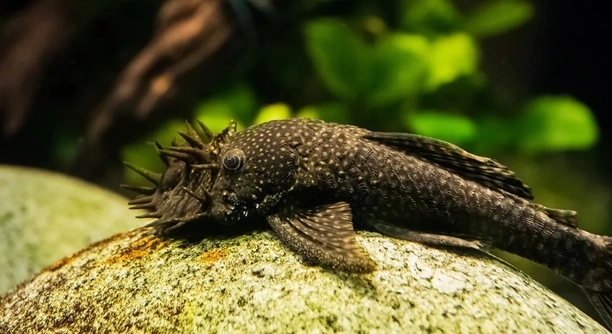
Do you enjoy keeping a variety of fish but find yourself noticing unusual behavior in your tank? Bristlenose plecos are fascinating little creatures, and their habits can sometimes surprise even experienced aquarists. Observing them closely can be both entertaining and informative.
Bristlenose plecos are capable of jumping from tanks, though it is relatively uncommon. This behavior usually occurs when water quality is poor, the tank is overcrowded, or they are seeking food or shelter outside their usual environment.
Understanding why plecos jump helps in maintaining a safe and healthy aquarium environment. Awareness of their tendencies ensures your fish remain secure and thrive comfortably.
Why Bristlenose Plecos Jump
Bristlenose plecos may jump for several reasons that are important to understand. Poor water quality is one of the main triggers, as low oxygen levels or high nitrate concentrations make them uncomfortable. Tank size also plays a role; small or overcrowded tanks can create stress. These fish may also jump if they are startled by sudden movements, loud noises, or vibrations near the tank. In some cases, lack of hiding spots can push them to explore outside the tank. While feeding time can provoke jumping, it usually happens when they attempt to reach food or drift in currents created by filters. Temperature fluctuations and improper water parameters may also encourage this behavior. Observing their habits closely helps identify patterns and prevent accidents. Adjusting water conditions, providing sufficient space, and creating hiding areas reduces the likelihood of jumping incidents and keeps plecos safe and comfortable.
Even a single jump can be dangerous if your tank is uncovered or positioned near edges.
Taking preventative measures ensures your plecos remain secure. Adding a tight-fitting lid, monitoring water quality consistently, and providing ample hiding spaces reduces the stress that prompts jumping.
How to Prevent Tank Escapes
Using a secure lid is the first step in preventing plecos from leaving the tank. Lids should fit tightly, with minimal gaps for ventilation, ensuring fish cannot squeeze through or jump out accidentally.
Maintaining stable water parameters is equally important. Bristlenose plecos are sensitive to changes in temperature, pH, and ammonia levels. Regular testing and partial water changes help create a stable environment that discourages jumping. Providing multiple hiding spots, such as caves, driftwood, or plants, offers a sense of security. Stress from overcrowding should also be minimized by avoiding excess tankmates and ensuring adequate swimming space. During feeding, ensure food sinks properly to prevent plecos from leaping in pursuit. Observing pleco behavior daily allows early detection of discomfort or stress signals. By combining proper tank maintenance, secure coverings, and environmental enrichment, plecos are less likely to attempt escapes. A consistent routine creates a safe, stable habitat where these fish can thrive without risk of injury.
Common Triggers for Jumping
Stress is a primary factor causing Bristlenose plecos to jump. Sudden movements around the tank or loud noises can startle them. Poor water quality or overcrowding increases discomfort, prompting them to seek a safer space. Lack of hiding spots also encourages exploration outside the tank.
Identifying specific triggers requires close observation. Bristlenose plecos are sensitive to changes in water temperature, pH levels, and oxygen content. Even minor fluctuations can make them uneasy. Overcrowding or aggressive tankmates may push them to attempt jumping. Stress during feeding, such as food floating or sinking too slowly, may also provoke this behavior. By noting the conditions that precede jumping, preventative adjustments can be made. Adjusting water parameters, rearranging tank decor, and managing tankmates reduces stress. These steps help create a stable environment where plecos feel secure and less likely to jump, protecting both the fish and the tank.
Some plecos respond more strongly to environmental changes than others. Individual behavior varies, and certain fish may attempt jumping even in well-maintained tanks. Monitoring each pleco’s activity ensures that small issues are addressed before they lead to escape attempts. Adding extra hiding places or rearranging decorations can reduce stress. Observing feeding patterns and adjusting how food is provided helps prevent sudden jumps. Ensuring stable water conditions, proper tank size, and a calm environment minimizes triggers. Consistency in care is key to reducing the risk of jumping.
Safety Measures to Keep Plecos Secure
A tight-fitting lid is essential for preventing plecos from leaving the tank. Even small gaps can allow jumping, so lids should be properly secured. Covering filtration intakes or open areas reduces risk.
Additional safety measures include stable water conditions and proper tank setup. Regular testing and water changes maintain optimal parameters. Providing caves, driftwood, and plants gives hiding spots that lower stress levels. Avoiding overcrowding ensures each pleco has enough space to move freely without feeling threatened. Feeding routines should be consistent, with food sinking quickly to prevent leaping attempts. Observing behavior helps detect early signs of stress, allowing prompt intervention. Combining secure covers, environmental enrichment, and careful monitoring creates a safe space where plecos can thrive without escaping.
Tank Environment Adjustments
Providing ample hiding spots helps plecos feel secure and reduces the likelihood of jumping. Driftwood, caves, and dense plants give them shelter and comfort, creating a sense of safety in their environment.
Stable water parameters are crucial. Regular testing of pH, temperature, and ammonia levels keeps conditions optimal, minimizing stress that can trigger jumping.
Feeding Habits
Bristlenose plecos prefer sinking foods that reach the bottom quickly. Floating foods may tempt them to leap, so ensuring meals are appropriate helps prevent escape attempts. Consistent feeding times also create a routine that reduces stress and keeps plecos comfortable in their habitat.
Tank Lid Importance
A secure lid prevents plecos from accidentally jumping out. Even small gaps can be dangerous, so lids should fit tightly and cover all open areas, keeping your fish safe.
Monitoring Behavior
Observing plecos daily allows early detection of stress or discomfort. Noticing unusual swimming patterns, restlessness, or attempts to climb walls helps address issues promptly before jumping occurs.
FAQ
Can Bristlenose plecos hurt themselves when they jump?
Yes, jumping can cause injuries if plecos land outside the tank or hit hard surfaces. Their fins and bodies are delicate, and even a small fall can result in torn fins, scrapes, or more severe trauma. Ensuring a secure lid significantly reduces this risk.
How often do plecos jump from tanks?
Jumping is not extremely common but can occur under stress or poor conditions. Fish in small tanks, overcrowded environments, or with unstable water parameters are more prone to attempts. Observing your pleco’s behavior daily helps you recognize patterns and prevent accidents.
Why does water quality affect jumping?
Bristlenose plecos are sensitive to ammonia, nitrite, nitrate, and pH levels. Poor water quality causes discomfort or oxygen deprivation, prompting them to seek better conditions. Maintaining clean, balanced water helps reduce the likelihood of jumping.
Do plecos jump more during feeding?
Yes, plecos may attempt to leap if food sinks too slowly or if they are excited by feeding activity. Sinking foods and a calm feeding routine help prevent sudden jumps. Providing multiple feeding areas can also distribute activity and reduce stress.
Does tank size influence jumping behavior?
Smaller tanks or overcrowded tanks increase stress and may lead plecos to jump. Adequate swimming space and proper stocking levels allow plecos to move comfortably, reducing the desire to explore outside the tank.
Will adding hiding spots help prevent jumping?
Absolutely. Caves, driftwood, and plants provide secure spaces where plecos can retreat. Feeling safe reduces stress and the instinct to leave the tank. Rearranging tank décor periodically can keep the environment stimulating without increasing anxiety.
Are certain plecos more likely to jump than others?
Yes, individual temperament plays a role. Some plecos are naturally more active or adventurous. Observing behavior and adjusting their environment accordingly ensures more cautious plecos remain safe.
What should I do if a pleco jumps?
Immediately place the fish back in the tank gently. Check for injuries, clean any scrapes, and monitor closely for infection. Review water quality, tank cover security, and hiding spots to prevent future incidents.
Can water temperature cause jumping?
Sudden temperature changes or extremes can stress plecos and provoke jumping. Maintaining consistent water temperature appropriate for Bristlenose plecos minimizes discomfort and reduces escape attempts.
Do plecos need special care to prevent jumping?
Yes, consistent tank maintenance, secure lids, and a well-structured environment are necessary. Regular monitoring of water parameters, providing adequate hiding spaces, and avoiding overcrowding help create a safe habitat where plecos are less likely to jump.
Is jumping a sign of illness?
It can be. Stress from illness, parasites, or infections may cause plecos to attempt escape. Monitoring for additional symptoms, such as lethargy, fin damage, or unusual swimming, helps determine if medical attention is needed.
Can other fish cause plecos to jump?
Aggressive tankmates or overly active species may stress plecos, prompting them to jump. Ensuring compatible fish and providing separate hiding spots reduces confrontation and the need for escape.
How do I know if my pleco is stressed?
Signs include rapid or erratic swimming, constant hiding, climbing tank walls, or reduced appetite. Observing these behaviors early allows interventions like improving water quality, adding cover, or adjusting tankmates to prevent jumping.
Are plecos more likely to jump at night?
Bristlenose plecos are nocturnal and more active at night. If the tank is uncovered, night activity may increase the risk of jumping. A secure lid is particularly important to protect them during their active hours.
Does tank decoration influence jumping?
Yes. Smooth, slippery surfaces or tall, open areas may encourage climbing and jumping. Providing textured surfaces and balanced decorations gives plecos a safe environment while still allowing exploration.
Can jumping damage tank equipment?
Potentially. A jumping pleco may hit filters, heaters, or glass edges, causing equipment damage or harming itself. Properly securing equipment and covering open areas reduces both fish and equipment risks.
Is it normal for young plecos to jump more?
Juveniles tend to be more active and curious, making them slightly more prone to jumping than adults. Extra care with lids, hiding spots, and monitoring behavior is important during early growth stages.
How long does it take for plecos to adapt to a new tank?
Adaptation varies by individual, but typically a few days to a couple of weeks. During this period, stress is higher, and jumping attempts may be more frequent. Providing hiding spots and stable conditions accelerates adjustment.
Does diet affect jumping behavior?
Yes, insufficient or inappropriate food can cause plecos to seek out additional sources, sometimes prompting jumps. Providing a balanced diet of sinking algae wafers, vegetables, and occasional protein ensures they stay satisfied and less likely to leap.
Can plecos learn to jump less over time?
Yes, with consistent care, proper environment, and secure coverings, plecos generally reduce jumping attempts as they feel safe. Observing patterns and addressing stressors helps create a stable, predictable habitat that discourages escape behavior.
Final Thoughts
Bristlenose plecos are fascinating and resilient fish, but their tendency to jump from tanks is a behavior that requires attention. Understanding why they jump is essential to maintaining a safe and healthy environment. Most jumping incidents are linked to stress, poor water quality, overcrowding, or a lack of hiding spots. These factors make plecos uncomfortable and drive them to explore outside the tank. By observing their behavior closely, it is possible to identify patterns and triggers, allowing for preventative measures to be put in place. Even small changes in the tank setup, such as adding driftwood, caves, or plants, can make a significant difference in their sense of security. Stable water parameters, including proper pH, temperature, and ammonia levels, are equally important. Fish are sensitive to sudden changes, and consistent maintenance helps reduce stress that could lead to jumping. Taking these steps ensures that plecos remain comfortable, active, and safe within their aquatic environment.
A secure tank lid is one of the most effective ways to prevent Bristlenose plecos from leaving the tank. Even with the best care, there is always a chance that a fish may attempt to jump if startled or uncomfortable. Lids that fit tightly and cover all open areas reduce the risk of accidents, protecting both the fish and the surrounding space. It is also important to consider the tank’s overall environment. Properly spacing decorations, providing multiple hiding areas, and managing tankmates all contribute to reducing stress. Overcrowded tanks or aggressive fish can push plecos toward jumping as a means of escape. In addition, feeding routines should be consistent, with food that sinks quickly to the bottom to discourage leaping. By combining these practical strategies, it is possible to create a safe and stimulating habitat for plecos where their natural behaviors can be expressed without risking injury. Regular observation is essential, as it allows any signs of stress or discomfort to be addressed early.
Finally, caring for Bristlenose plecos requires attention to both their physical and environmental needs. Juveniles may be more active and curious, making them slightly more prone to jumping, while adults may become accustomed to the tank setup over time. Regardless of age, plecos benefit from a stable, enriched habitat that balances space, hiding places, and water quality. Proper diet, clean water, and careful monitoring are key to reducing stress and preventing jumping behavior. By understanding their tendencies and providing a safe, supportive environment, it is possible to enjoy healthy, active plecos without worrying about unexpected jumps. Consistency in care, attention to detail, and a secure tank setup together ensure that plecos thrive and remain a fascinating and rewarding addition to any aquarium.

Hello,
If you enjoy the content that we create, please consider saying a "Thank You!" by leaving a tip.
Every little bit helps us continue crafting quality advice that supports the health, happiness, and well-being of pets around the world, for pets of all shapes, sizes, and species.
We really appreciate the kindness and support that you show us!