
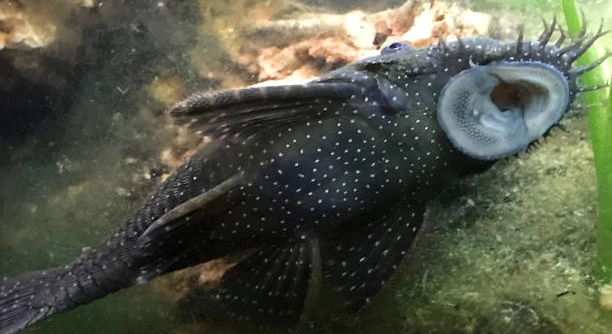
Do you ever notice your pleco moving around its new tank and wonder if it is truly comfortable? Observing its behavior can reveal whether it is adjusting well to its new environment and feeling secure.
Plecos display clear signs when they are comfortable in a new tank, including exploring the space, feeding regularly, resting in preferred spots, interacting with decorations, and showing calm, consistent swimming patterns without stress indicators or hiding excessively.
Recognizing these behaviors will help you ensure your pleco’s wellbeing and create a harmonious aquatic environment for long-term care.
Exploring the Tank
When a pleco first arrives in a new tank, its curiosity often becomes apparent. It will swim along the glass, investigate decorations, and sometimes cling to surfaces as it learns the layout. Observing these behaviors indicates that the pleco is adapting well. Some plecos prefer to explore immediately, while others may take a few days to become comfortable. Providing hiding spots and smooth surfaces encourages natural behavior and reduces stress. A pleco that moves freely, inspects corners, and interacts with the environment demonstrates confidence and comfort. Tank size also plays a role; a spacious environment allows the pleco to explore without feeling confined. Lighting and water conditions affect how quickly a pleco feels safe. Gradual acclimation and a stable environment help the pleco settle in while maintaining its natural instincts. Watching these interactions helps owners understand their fish better and ensures it remains healthy and active.
Plecos exploring actively without hesitation usually feel secure in their surroundings. Calm movement is a positive indicator of comfort.
Consistent observation over the first week reveals patterns in how a pleco interacts with its tank. Fish that explore surfaces, swim along glass, and investigate decorations are showing confidence. Plecos that frequently rest in sheltered areas or cling to smooth surfaces are likely using the tank’s features for comfort. Introducing variety, such as driftwood, plants, or rock formations, allows them to express natural behaviors while feeling protected. Understanding these interactions helps maintain the right water parameters, light cycles, and feeding schedule. Regularly checking tank conditions ensures the pleco’s comfort continues and stress is minimized.
Feeding Behavior
A pleco that eats regularly signals that it has settled into its new tank.
Feeding behavior reflects adaptation and comfort. When a pleco approaches food confidently, consumes it consistently, and shows interest in multiple feeding spots, it demonstrates security. Sudden changes in appetite may indicate stress or environmental issues. Observing how it interacts with food helps owners adjust feeding routines and monitor overall health. Consistent feeding also supports growth and maintains energy levels, ensuring the pleco thrives in its new habitat.
Monitoring feeding routines gives insight into a pleco’s acceptance of its environment. Fish that feed actively display contentment and a sense of stability. Providing balanced nutrition, including algae wafers, fresh vegetables, and occasional protein, reinforces healthy behavior. It is important to avoid overfeeding, as uneaten food can degrade water quality and affect comfort. Offering food at consistent times creates routine, helping the pleco feel secure. Feeding areas can also reveal preferred spots and activity patterns, further indicating adaptation. Careful observation allows adjustments to tank conditions or diet to optimize wellbeing. A comfortable pleco will not only eat reliably but also continue exploring and interacting with its surroundings, showing a strong overall adjustment.
Resting Spots
Plecos often choose specific areas in the tank to rest. These spots provide security and comfort, indicating that your fish is adjusting well. Preferred resting areas can include caves, driftwood, or smooth surfaces that allow it to cling safely.
Observing where a pleco rests reveals a lot about its comfort. Fish that frequently return to the same spots demonstrate trust in their environment. It will settle in areas protected from strong currents or bright lights. Driftwood and plants offer shade and natural hiding places. Resting in open areas can also indicate confidence. Changing resting locations occasionally is normal, but constant hiding may signal discomfort. Monitoring these patterns helps ensure the tank meets its needs.
Resting behavior also affects feeding and swimming activity. A comfortable pleco balances periods of rest with active exploration. When it rests calmly, it conserves energy for growth and immune function. Providing multiple resting options supports mental and physical health. Observing how your fish uses these areas allows you to adjust tank decorations and layout to suit its preferences. This creates a safe environment where the pleco can thrive, explore, and interact naturally.
Interaction with Decorations
Plecos that interact with decorations show they are curious and comfortable. They may climb, cling, or rub against surfaces like driftwood and rocks.
This interaction demonstrates adaptation. When plecos explore or rest near decorations, it indicates they feel secure. Decorations also allow for natural behaviors, such as grazing on algae or hiding. Plecos may develop preferences for certain textures or materials. Replacing or rearranging items too frequently can stress them. Consistent placement helps them feel stable and confident.
Decorations also serve as enrichment, encouraging natural movement and reducing boredom. Driftwood supports scraping behavior, while caves and rocks provide shelter. Plecos may revisit favored decorations repeatedly, showing attachment and comfort. Observing how a pleco interacts with these elements informs you about their preferences and needs. Proper placement of items improves both physical and mental health. Providing varied surfaces and hiding spots encourages exploration and reduces stress. Interaction with tank features is a reliable indicator of adaptation and overall satisfaction.
Swimming Patterns
Plecos that swim smoothly and steadily show they are comfortable in their tank. Erratic or frantic movements may indicate stress or discomfort, while calm exploration reflects confidence and security in their surroundings.
Consistent swimming along surfaces and around decorations demonstrates that your pleco has adapted well. Regular movement without hiding suggests it feels safe and in control of its environment.
Interaction with Tank Mates
Plecos that coexist peacefully with other fish indicate comfort and confidence. They maintain their own space while occasionally exploring or grazing near others, showing they feel secure without displaying aggression.
Grooming Behavior
A pleco that regularly scrapes surfaces or cleans itself signals healthy adaptation. This natural behavior keeps its body and fins in good condition, showing comfort and wellbeing.
Response to Light
Plecos adjust their activity based on lighting. Calm, steady behavior during light periods reflects adaptation, while hiding or sudden movements may indicate stress or discomfort.
FAQ
How do I know if my pleco is happy in its new tank?
A happy pleco will explore its surroundings, eat regularly, rest in preferred spots, and interact with decorations. Calm, consistent swimming without hiding excessively or showing stress behaviors is a strong indicator of comfort. Observing these patterns over the first week helps confirm adaptation.
Why does my pleco hide so much?
Hiding is normal at first as plecos adjust. Excessive or prolonged hiding, however, may suggest stress due to water quality, tank size, lighting, or aggressive tank mates. Ensuring proper conditions and providing hiding spots can reduce anxiety and help your pleco feel secure.
What signs indicate stress in a pleco?
Stress can appear as erratic swimming, refusal to eat, excessive hiding, or scraping against rough surfaces. Sudden changes in behavior often signal environmental issues, like improper water parameters, poor diet, or conflicts with other fish. Quick action is necessary to prevent health problems.
How often should I feed my pleco?
Plecos typically eat once daily, though some may benefit from small amounts twice a day. Balanced nutrition including algae wafers, vegetables, and occasional protein ensures proper growth and energy. Avoid overfeeding, as leftover food can affect water quality and stress the fish.
Do plecos prefer certain tank decorations?
Yes, they favor smooth surfaces like driftwood, caves, and rocks. Driftwood supports natural scraping and grazing, while caves provide secure resting areas. Observing which areas your pleco revisits helps determine its preferences and allows you to adjust the tank layout for comfort.
Can plecos live with other fish?
Most plecos are peaceful and coexist with a variety of fish. They maintain their own space and only show mild territorial behavior around feeding areas or favorite hiding spots. Proper tank size and sufficient decorations help reduce conflicts and encourage harmony.
Why does my pleco scrape surfaces constantly?
Scraping is natural grooming behavior. It helps clean its body and fins and allows it to feed on algae. Excessive scraping, however, may indicate irritation from poor water conditions or parasites, so monitoring the tank and maintaining clean water is essential.
How does lighting affect plecos?
Plecos are sensitive to bright light. They are more active during dimmer periods and may hide under decorations when lights are strong. Maintaining a natural light cycle helps regulate activity, reduces stress, and encourages normal behaviors like feeding and exploring.
What water conditions are best for plecos?
Plecos thrive in clean, well-filtered water with stable temperature and pH levels suitable for their species. Regular water changes and monitoring parameters prevent stress and disease. A consistent environment supports their comfort, growth, and long-term health.
How long does it take for a pleco to adjust?
Adjustment time varies by species and individual temperament. Some plecos explore immediately, while others take several days to settle. Monitoring swimming, resting, feeding, and interaction patterns allows you to assess adaptation and make any needed tank adjustments to support comfort.
What should I do if my pleco stops eating?
A sudden loss of appetite may indicate stress, illness, or water issues. Check water parameters, temperature, and tank mates. Offering a variety of foods and ensuring minimal disturbance can help restore normal feeding behavior and maintain health.
Do plecos need hiding spots?
Yes, hiding spots reduce stress and provide security. Caves, driftwood, and dense plant areas allow plecos to rest comfortably and express natural behaviors. Observing which spots your fish prefers helps optimize the tank layout for ongoing comfort.
Can plecos recognize their owners?
Plecos may respond to familiar movements near the tank, especially around feeding times. While they are not interactive in the same way as some pets, consistent care builds a sense of routine and trust, which reflects their comfort in the environment.
How often should I monitor pleco behavior?
Daily observation is ideal. Watching swimming patterns, resting habits, and feeding behavior helps detect early signs of stress, illness, or discomfort. Consistent monitoring ensures timely adjustments and supports the pleco’s health and wellbeing over time.
Are changes in pleco behavior always a problem?
Not necessarily. Minor changes may occur as they explore or adjust to new decorations. Persistent or extreme behavioral changes, such as hiding excessively, refusing food, or frantic swimming, usually indicate stress or environmental issues that require attention.
Can plecos live alone?
Plecos can thrive alone if the tank provides sufficient space, hiding spots, and enrichment. They do not require companions but will tolerate peaceful tank mates if the environment is suitable and there is minimal competition for food or territory.
What is a good feeding routine for a pleco?
Feed once daily or small amounts twice daily. Include algae wafers, vegetables, and occasional protein. Remove uneaten food promptly to maintain water quality. Establishing a regular schedule promotes security and helps the pleco adapt comfortably to its environment.
How can I encourage my pleco to explore?
Adding decorations, driftwood, and plants encourages natural behavior. Varying textures and creating safe hiding spots allows your pleco to interact with its environment confidently. Gentle observation and minimal disturbance support active exploration and comfort in the tank.
Do plecos need specific tank temperatures?
Yes, maintaining species-appropriate temperature is crucial. Stable, consistent warmth ensures metabolic and immune functions operate normally. Sudden fluctuations can stress plecos, reduce activity, and lead to health issues. Monitoring water temperature regularly supports comfort and adaptation.
How do I know if my pleco is stressed by tank mates?
Indicators include hiding frequently, rapid swimming, aggression, or reduced feeding. Observing interactions and providing separate spaces or additional decorations can reduce stress. Adjusting tank population or layout ensures harmony and supports the pleco’s comfort and wellbeing.
This FAQ section provides detailed answers to common concerns about plecos, helping ensure their comfort, health, and happiness in a new tank. Proper observation, tank setup, and consistent care are key to successful adaptation.
Final Thoughts
Understanding how a pleco adapts to a new tank is essential for ensuring its health and wellbeing. Observing behavior such as swimming patterns, resting spots, feeding habits, and interaction with decorations provides valuable insight into the fish’s comfort level. A pleco that explores confidently, rests in secure areas, and eats regularly demonstrates that it is adjusting well. Noticing these behaviors early helps prevent stress-related issues and supports long-term health. Every pleco is different, so some may take more time than others to fully settle into a new environment. By paying attention to these subtle signs, owners can create a stable, safe, and enriching habitat that meets the pleco’s natural needs.
Tank setup plays a significant role in how quickly and successfully a pleco adapts. Providing hiding spots such as caves, driftwood, and dense plant areas allows the fish to feel secure while expressing natural behaviors. Smooth surfaces for resting and varied textures for scraping help maintain both physical and mental wellbeing. Consistent water parameters, including temperature, pH, and cleanliness, are equally important. Poor water quality or sudden changes can lead to stress and health issues. Feeding a balanced diet and maintaining a regular schedule further supports a pleco’s comfort and growth. Observing which decorations the fish prefers and adjusting the layout accordingly creates a more harmonious environment. A carefully arranged tank encourages natural behaviors, promotes activity, and reduces stress, which is critical for long-term adaptation.
Monitoring a pleco’s behavior over time allows owners to respond quickly to any signs of discomfort or illness. Changes in swimming, hiding, or feeding can indicate environmental issues or health concerns that need attention. By regularly observing these patterns, adjustments can be made to water conditions, tank setup, or feeding routines. Interaction with tank mates also requires monitoring, as aggression or competition can affect the pleco’s wellbeing. Consistent care, attention to detail, and understanding individual preferences foster a secure and stable environment. With patience and careful observation, a pleco can thrive, display natural behaviors, and live comfortably in its new tank. Supporting these needs ensures a long, healthy, and balanced life for the fish while providing owners with the satisfaction of a well-adjusted, happy pleco.
Word count: 408

Hello,
If you enjoy the content that we create, please consider saying a "Thank You!" by leaving a tip.
Every little bit helps us continue crafting quality advice that supports the health, happiness, and well-being of pets around the world, for pets of all shapes, sizes, and species.
We really appreciate the kindness and support that you show us!