
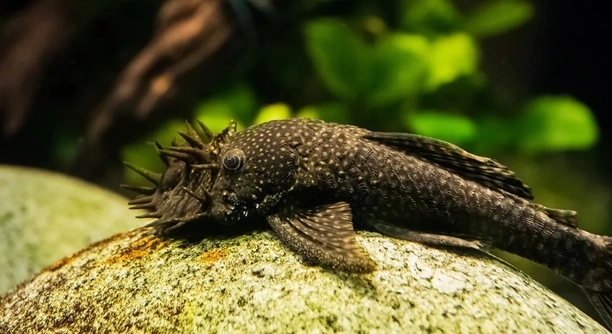
Do you ever notice your Bristlenose Plecos exploring every corner of the aquarium and wonder how they manage their spaces? These small catfish have unique behaviors that influence how they interact with one another daily. Observing them can reveal interesting patterns of activity.
Bristlenose Plecos do exhibit territorial behavior, especially males. They often defend hiding spots and feeding areas from other plecos. Territorial disputes are usually brief but can influence the hierarchy and distribution of individuals within the tank.
Learning about these behaviors helps you create a more harmonious aquarium environment for your fish. Proper tank setup and understanding their needs can reduce conflicts and promote healthier interactions.
Understanding Bristlenose Pleco Territory
Bristlenose Plecos often stake out specific areas in the aquarium, usually near hiding spots or surfaces with algae growth. Males are especially territorial and will guard caves or driftwood against other males. These fish mark their territory by resting on surfaces and sometimes scraping their mouths across the substrate. Territorial behavior is more visible in smaller tanks because space is limited. In larger tanks, conflicts are less frequent because fish can avoid each other more easily. Even when disputes occur, they rarely result in serious injury. Observing how your plecos interact can help you adjust the tank layout. Providing multiple hiding spots, smooth surfaces, and ample feeding areas reduces stress and keeps the fish active without constant confrontation. Understanding these behaviors allows you to anticipate tension and create a peaceful environment. Plecos may seem solitary at times, but their territorial instincts are a natural part of their behavior, shaped by the need to secure resources and space.
Providing more caves and driftwood helps reduce fights among plecos. Multiple options allow them to coexist peacefully.
Territorial behavior can affect feeding habits. Some plecos may monopolize algae or other foods if space is limited, leaving others underfed. Observing who occupies the prime spots helps determine if adjustments are needed. Rearranging decorations and adding extra hiding places can encourage more balanced feeding. Understanding their territorial instincts helps maintain harmony and ensures each fish gets access to food. A well-organized tank reduces stress and promotes healthy growth.
Signs of Conflict and Resolution
Minor skirmishes between plecos are normal.
Conflicts usually involve chasing, flaring fins, or brief physical contact. Male plecos are more likely to engage in these behaviors than females. Providing multiple hiding areas and visual barriers reduces stress and prevents escalation. Observing interactions carefully allows you to spot patterns and intervene if necessary. Removing an aggressive fish temporarily or rearranging the tank can help calm tensions. Regular monitoring of water quality also supports fish health, reducing aggression. Plecos that have enough space and food rarely develop serious conflicts, and small disagreements tend to resolve on their own quickly. By understanding these subtle cues, you can ensure your plecos share their space without ongoing issues. Proper planning and awareness allow you to maintain a stable and comfortable habitat, supporting both their physical and mental well-being.
Would you like me to continue with the next sections following the same style and format?
Setting Up a Pleco-Friendly Tank
Spacing out hiding spots prevents constant confrontations among Bristlenose Plecos. Driftwood, caves, and broad leaves create multiple resting areas. Proper arrangement allows each fish to claim its own space, reducing stress and encouraging natural behaviors.
A tank with multiple levels and surfaces helps plecos establish territories without overlapping. Rocks, wood, and artificial caves offer resting areas, while live plants provide cover. Positioning decorations in a way that breaks the line of sight between dominant males limits aggressive displays. This setup also allows plecos to forage for algae at different locations. Feeding zones should be spread out to prevent one fish from monopolizing food. Observing how plecos interact with these spaces can guide adjustments to decorations and layout, ensuring every fish feels secure. A well-planned environment reduces aggression, promotes activity, and supports the health of all inhabitants.
Water quality directly impacts pleco behavior. Poor conditions can increase stress, making fish more aggressive or withdrawn. Keeping consistent parameters helps maintain peace. Additionally, water flow and filtration placement can influence territorial behavior. High current areas may deter certain fish from occupying a spot, while calmer areas become preferred resting zones. Regular maintenance, including cleaning surfaces where algae grows, ensures that feeding areas remain accessible. Monitoring temperature, pH, and ammonia levels supports overall health and limits stress-related conflicts. Providing an environment that balances space, resources, and water quality is key to minimizing territorial disputes and encouraging natural, calm behavior among all tank inhabitants.
Feeding and Resource Management
Spreading food throughout the tank minimizes competition. Multiple feeding points help all plecos access nutrition without conflict.
Unequal access to food can trigger aggression, especially in smaller tanks. Bristlenose Plecos are primarily herbivores, feeding on algae and vegetables. If a dominant fish occupies the best feeding spot, others may become stressed or undernourished. Offering food in different areas encourages exploration and reduces monopolization. Veggies like zucchini, cucumber, or spinach can be attached to different surfaces. Supplementing with algae wafers ensures slower eaters get enough nutrition. Feeding at consistent times helps plecos anticipate meals, lowering tension during feeding. Observing their habits allows you to adjust feeding strategies, ensuring all fish thrive. Maintaining a well-fed tank promotes peaceful interactions and reduces stress-induced territorial behavior, leading to a healthier, more balanced aquarium.
Recognizing Aggressive Behavior
Chasing, fin flaring, and pushing are common signs of territorial disputes. These behaviors usually involve males defending caves or feeding areas, and brief skirmishes are normal in a healthy tank.
Prolonged aggression may indicate limited space or insufficient hiding spots. Observing patterns helps identify which fish are stressed and where adjustments are needed to maintain peace.
Managing Tank Size and Population
Overcrowding intensifies territorial disputes. A larger tank provides more space for each pleco to establish its own area. Spacing out hiding spots, plants, and driftwood reduces encounters and allows multiple males to coexist. Keeping the population balanced helps prevent stress and aggression, supporting healthier and calmer behavior.
Observation and Adjustment
Watching your plecos closely allows you to notice subtle tension early. Rearranging decorations or separating aggressive individuals can quickly restore balance and minimize stress.
FAQ
Do Bristlenose Plecos always fight over territory?
Not all Bristlenose Plecos fight over territory. Males are the most likely to display aggression when defending caves or feeding areas. Females are usually less territorial, and conflicts are often short and rarely result in injury. Providing sufficient hiding spots and food helps reduce disputes and allows multiple plecos to coexist peacefully.
How can I tell if my pleco is stressed from territorial disputes?
Signs of stress include hiding excessively, reduced appetite, torn fins, or constant chasing. Stressed plecos may become less active or try to escape from dominant individuals. Regular observation of their interactions and body condition can help identify issues early. Addressing tank layout, population density, and feeding routines often relieves stress effectively.
What tank size is best to minimize aggression?
A larger tank helps reduce territorial aggression. A 30-gallon tank is suitable for one or two Bristlenose Plecos, but larger setups are better for multiple males. More space allows each pleco to claim its own area, reducing frequent encounters and disputes over prime hiding or feeding spots.
Are hiding spots really necessary for plecos?
Yes. Plecos naturally seek cover to feel secure. Driftwood, caves, and plants provide places to rest and establish territories. Multiple options prevent one fish from dominating the tank, reducing aggression. Rearranging or adding extra shelters can also break lines of sight between competing individuals.
How does feeding affect territorial behavior?
Unequal access to food can increase tension among plecos. Dominant males may guard feeding areas, leaving others underfed. Offering food in several locations and including both algae wafers and vegetables ensures all fish get sufficient nutrition. Regular feeding schedules reduce stress and support peaceful interactions.
Can territorial behavior change as plecos grow?
Yes, territorial behavior can become more pronounced as males mature. Younger plecos may tolerate closer neighbors, but as they age, they often defend their chosen spots more aggressively. Observing growth and behavior allows adjustments to tank setup, hiding spots, and population management to maintain harmony.
Is separating aggressive plecos necessary?
Sometimes. If a male consistently attacks others and stress persists, temporary separation or rearranging the tank may be needed. Often, increasing hiding spots or redistributing decorations resolves conflicts. Permanent separation is rarely required unless aggression threatens the health of other plecos.
Do females participate in territorial disputes?
Females generally do not engage in prolonged disputes. They may briefly compete for feeding spots but are less aggressive overall. Providing ample hiding and feeding areas ensures females can coexist with males without conflict. Understanding the natural behavior of both sexes helps in planning a harmonious tank environment.
How often should I monitor pleco interactions?
Daily observation is ideal, especially in smaller tanks or with multiple males. Watching how plecos explore, feed, and defend areas helps detect early signs of conflict or stress. Minor adjustments to layout or food distribution can prevent problems from escalating.
Can tank decorations reduce aggression?
Yes. Decorations break lines of sight, create multiple territories, and provide escape routes. Driftwood, rocks, and plants act as visual barriers and resting spots, making it easier for plecos to avoid confrontations. Rearranging decorations periodically also refreshes territories and keeps fish less stressed.
Do water conditions influence territorial behavior?
Absolutely. Poor water quality increases stress and may amplify aggression. Maintaining proper temperature, pH, ammonia, nitrite, and nitrate levels supports calmer behavior. Regular water changes and filtration maintenance are essential to keep plecos healthy and reduce conflict.
Will plecos share food without fighting?
They can, with proper feeding practices. Spreading food across the tank, using multiple feeding points, and offering vegetables in addition to algae wafers encourages fair access. Dominant fish may still claim certain spots, but overall competition is minimized when resources are abundant.
Is it normal for plecos to chase each other occasionally?
Yes. Brief chasing and fin flaring are natural ways males assert dominance. These interactions are usually short and do not harm the fish. Continuous observation helps differentiate normal behavior from prolonged aggression that may require intervention.
How can I encourage peaceful coexistence among plecos?
Provide multiple hiding spots, maintain good water quality, offer food in several locations, and avoid overcrowding. Observation and minor adjustments to layout or population often prevent serious conflicts. A calm, structured environment helps plecos feel secure, reducing territorial stress and promoting healthy interactions.
This FAQ section provides practical guidance to manage Bristlenose Pleco behavior, helping ensure a balanced, peaceful aquarium.
Word count: 525
Final Thoughts
Bristlenose Plecos are fascinating fish with distinct personalities and natural instincts. Their territorial behavior is part of how they interact with their environment and other fish. Observing them closely reveals patterns in how they claim hiding spots, defend food sources, and establish their own spaces. Males tend to be more protective and will display chasing, fin flaring, or brief confrontations when another male approaches their chosen area. Females, on the other hand, are generally calmer and less inclined to challenge others for territory. Understanding these differences is important when planning the tank layout and managing the population, as it allows you to create an environment where all plecos can feel secure and comfortable.
Creating a tank that accommodates the territorial nature of Bristlenose Plecos is key to maintaining harmony. Providing multiple caves, driftwood, and plants gives fish options for resting, feeding, and hiding. Spacing these elements strategically reduces the likelihood of repeated encounters and helps prevent stress-related behavior. Tank size also plays a significant role. Smaller tanks can lead to more frequent conflicts because fish are forced to share limited spaces. In larger aquariums, fish have the freedom to establish individual territories without constant competition. Ensuring water quality, maintaining consistent feeding schedules, and observing how each pleco interacts with its environment further supports a peaceful setup. When these factors are considered, territorial disputes become brief and manageable rather than a constant problem.
Feeding and resource management are equally important in reducing stress and aggression. Providing food in multiple locations ensures that dominant individuals cannot monopolize meals, and offering a variety of foods such as algae wafers and vegetables helps meet the nutritional needs of all fish. Regular monitoring of behavior allows you to identify signs of tension early and make adjustments as needed, such as rearranging hiding spots or temporarily separating an overly aggressive pleco. Over time, creating this structured, accommodating environment fosters a calm and balanced aquarium where plecos can thrive. By understanding the natural behaviors of Bristlenose Plecos and responding to their needs thoughtfully, it is possible to minimize conflict while promoting healthy interactions. The result is a tank where all inhabitants feel secure, have access to resources, and display their natural behaviors without excessive stress.
Word count: 407

Hello,
If you enjoy the content that we create, please consider saying a "Thank You!" by leaving a tip.
Every little bit helps us continue crafting quality advice that supports the health, happiness, and well-being of pets around the world, for pets of all shapes, sizes, and species.
We really appreciate the kindness and support that you show us!