
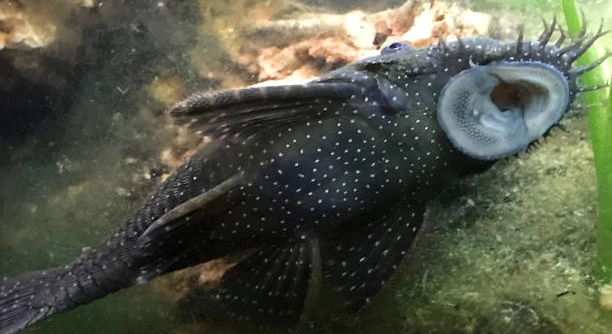
Is your pleco spending more time near the surface or acting differently than usual? These subtle changes might be signs that something in its environment needs attention. Observing your fish closely can reveal a lot about its well-being.
The main reason your pleco may not be getting enough oxygen is poor water circulation or low dissolved oxygen levels. Ensuring proper aeration through filters, air stones, and regular maintenance helps maintain a healthy environment and prevents oxygen depletion.
Understanding how oxygen levels affect your pleco’s health will help you create a balanced and thriving aquatic habitat.
Signs Your Pleco May Be Lacking Oxygen
When a pleco isn’t getting enough oxygen, it often shows clear behavioral changes. You may notice it spending more time at the water’s surface, gasping or trying to get closer to the filter output. These signs usually mean the water isn’t carrying enough oxygen to support its needs. Other indicators include sluggish movement, loss of appetite, and staying still for long periods. Sometimes, your pleco may even cling near the tank’s sides or decor instead of exploring as usual. Recognizing these symptoms early can prevent serious health issues. Poor oxygenation can also affect the water quality, causing harmful bacterial growth that stresses your fish even more. Regular observation and testing of water parameters help you stay ahead of these problems and keep your pleco’s environment stable and healthy.
Low oxygen often makes plecos appear weak or uninterested in food, so early action helps restore balance before conditions worsen.
Improving oxygen levels is easier once you understand what causes the imbalance. Warm water holds less oxygen, so keeping temperatures steady can help. Overcrowding or debris buildup also reduces circulation, blocking oxygen exchange. Cleaning the tank regularly, using a good air pump, and adding plants that release oxygen can make a big difference. Even small changes, like adjusting the filter flow, help increase aeration. Pay attention to your pleco’s activity after these adjustments—if it becomes more active and returns to normal habits, it’s a clear sign your efforts are working. Monitoring consistently ensures your fish stays comfortable and healthy in the long term.
How to Improve Oxygen Levels in Your Tank
A well-oxygenated aquarium supports both fish and beneficial bacteria, creating a balanced ecosystem for your pleco to thrive.
Start by improving water movement. A powerful filter or air stone helps circulate oxygen evenly throughout the tank. Avoid letting debris or algae block the flow, as stagnant areas quickly lose oxygen. Keep the tank clean, and perform regular water changes to remove waste that consumes oxygen. Temperature control is also important—warmer water contains less oxygen, so avoid letting it get too high. Live plants are another simple way to increase oxygen, especially during daylight hours. They naturally refresh the water and provide shelter for your pleco. If you notice your fish becoming more active and feeding normally, it means your tank conditions are improving. Consistency is key; maintaining proper balance prevents oxygen drops that could harm your fish in the future.
Common Causes of Low Oxygen in Pleco Tanks
Poor water circulation is one of the main reasons oxygen levels drop in aquariums. When water remains still, oxygen cannot spread evenly, leaving some areas depleted. Filters, air pumps, and consistent surface movement help prevent this issue from affecting your pleco’s environment.
Another common cause is overcrowding. Too many fish in one tank consume oxygen faster than it can be replaced, leading to stress and possible health problems. Overfeeding also contributes since leftover food decays and consumes oxygen during decomposition. High water temperature is another factor because warm water holds less oxygen than cooler water. Regular maintenance, including partial water changes and gravel cleaning, keeps waste buildup under control. Monitoring temperature, stocking levels, and water quality ensures your pleco always has enough oxygen to stay active and healthy. Prevention is always easier than correcting a poorly balanced tank.
Chemicals, especially from certain medications or water treatments, can reduce oxygen availability. When treating your pleco’s tank, always use products safely and follow recommended dosages to prevent negative effects. Algae overgrowth can also interfere with oxygen exchange by covering surfaces and trapping debris. Avoid excessive lighting and use algae control methods when needed. Regularly checking oxygen levels, especially during hot weather or after adding new fish, helps you identify potential issues early. Taking these steps helps maintain a stable, oxygen-rich environment, reducing stress on your pleco and keeping your tank healthier overall. Consistency in care keeps oxygen levels balanced and water conditions suitable for your fish.
How Temperature Affects Oxygen Levels
Warmer temperatures make water hold less oxygen, which can quickly impact your pleco’s behavior and overall health. As the water warms up, oxygen molecules move faster and escape the surface more easily, leading to reduced levels.
Maintaining a steady temperature between 74°F and 80°F helps your pleco thrive. If the tank becomes too warm, oxygen levels drop, and your fish may become lethargic or move to the surface to breathe. Using a reliable aquarium thermometer helps you monitor conditions daily. During summer or in warmer climates, consider using a fan or aquarium chiller to cool the water slightly. Avoid sudden temperature changes, as they can cause shock and worsen oxygen issues. Consistent temperature management not only stabilizes oxygen but also supports beneficial bacteria and overall tank balance, giving your pleco the comfortable, healthy environment it needs to stay active and stress-free.
Signs of Oxygen Deprivation
Gasping at the surface is a clear sign your pleco may be struggling for oxygen. It often lingers near the filter output or water surface, showing reduced energy and slow movement compared to its usual behavior.
Loss of appetite and unusual hiding patterns can also indicate low oxygen levels. If your pleco suddenly stops eating or stays in one spot for long periods, it may be stressed by insufficient oxygen, which can affect its overall health.
The Role of Tank Plants
Live plants can help maintain oxygen levels, especially during daylight hours. They release oxygen through photosynthesis, improving water quality and supporting your pleco’s needs. Choosing hardy plants that thrive in your tank conditions adds both oxygen and natural cover, creating a balanced environment that benefits your fish.
Avoiding Overcrowding
Too many fish in one tank increases competition for oxygen. Maintaining proper stocking levels ensures your pleco has enough space and oxygen to stay healthy and active.
FAQ
How do I know if my pleco is not getting enough oxygen?
Signs of low oxygen include frequent gasping at the surface, staying near the filter output, sluggish movement, and loss of appetite. Your pleco may also hide more than usual or cling to tank surfaces. Monitoring these behaviors alongside water quality checks helps identify issues early.
Can water temperature affect oxygen levels?
Yes. Warm water holds less oxygen than cooler water, so higher temperatures can reduce oxygen availability. Maintaining a steady temperature between 74°F and 80°F helps ensure your pleco has enough oxygen. Avoid sudden changes, which can stress the fish and worsen oxygen problems.
Will overfeeding impact oxygen levels?
Overfeeding can reduce oxygen indirectly. Leftover food decomposes, consuming oxygen in the process. Feeding your pleco only what it can eat in a few minutes and removing uneaten food prevents oxygen depletion and keeps water cleaner.
Do tank size and stocking affect oxygen?
Yes. Overcrowding increases oxygen demand and reduces circulation. A properly sized tank with enough space per fish ensures oxygen levels remain stable. Adequate space also reduces stress and prevents aggressive behavior that can affect feeding and health.
Can filters and air stones improve oxygen levels?
Filters and air stones increase water movement and aeration, which helps oxygen spread throughout the tank. Using a good-quality filter, adding an air stone, and keeping surfaces clear of debris ensures your pleco has consistent access to oxygen.
Are plants helpful for oxygenation?
Live plants release oxygen during photosynthesis, especially in daylight hours. They also absorb harmful chemicals like ammonia, improving overall water quality. Hardy plants such as Anubias, Java Fern, or Amazon Swords provide both oxygen and shelter, supporting your pleco’s well-being.
How often should I test oxygen levels?
Testing weekly or whenever you notice behavioral changes is recommended. Dissolved oxygen kits are available for aquariums. Regular testing helps prevent long-term stress and health issues in your pleco by allowing early interventions.
Can medication or chemicals affect oxygen?
Certain medications or water treatments can reduce oxygen availability. Always follow instructions carefully and avoid overdosing. If oxygen levels drop after treatment, increase aeration and monitor your pleco until conditions stabilize.
What is the role of water circulation in oxygenation?
Proper water circulation prevents stagnant areas where oxygen can deplete. Filters, pumps, and careful placement of decorations to allow flow are essential. Good circulation distributes oxygen evenly and supports beneficial bacteria that keep the tank environment healthy.
How do I improve oxygen quickly in an emergency?
Adding an air stone or increasing filter flow can provide a rapid boost. Performing a partial water change with cooler, oxygen-rich water also helps. Ensure the tank remains calm to avoid stressing your pleco further while oxygen levels recover.
Is algae a problem for oxygen levels?
Excessive algae can reduce oxygen availability at night when plants consume oxygen rather than release it. Controlling light exposure, manually removing algae, and maintaining tank balance prevents oxygen fluctuations and keeps your pleco comfortable.
Can I rely solely on plants for oxygen?
Plants help, but they cannot replace proper aeration. Filters, air stones, and regular maintenance are still necessary. Plants complement oxygen levels and improve water quality, but a combination of methods ensures a healthy tank environment.
How long can a pleco survive with low oxygen?
Survival depends on the severity of depletion. Short periods may cause stress but are often recoverable with intervention. Chronic low oxygen leads to lethargy, weakened immunity, and potential death. Early recognition and correction are critical for your pleco’s health.
What are the long-term effects of oxygen deprivation?
Long-term oxygen deprivation weakens the pleco’s immune system, reduces growth, and increases susceptibility to disease. Stress from low oxygen can also alter behavior, affecting feeding and interaction with other fish. Maintaining stable oxygen levels is essential for longevity and overall health.
Can I prevent oxygen problems entirely?
Consistent tank maintenance, proper stocking, monitoring temperature, and using filters and air stones significantly reduce the risk. Observing your pleco’s behavior and adjusting care routines ensures oxygen remains adequate, supporting a healthy and active fish.
How do I balance oxygen with other water parameters?
Oxygen levels interact with temperature, pH, ammonia, and nitrate levels. Maintaining a balanced tank through regular testing and corrections ensures oxygen is not compromised. Stable water parameters create an environment where your pleco thrives naturally.
Are there signs of improvement once oxygen levels are corrected?
Yes. A pleco that was sluggish may become more active, resume normal feeding, and explore the tank again. Reduced surface gasping and relaxed hiding patterns indicate the fish is comfortable and benefiting from improved oxygenation.
How can I make monitoring easier?
Keep a simple log of water parameters, behavior changes, and feeding habits. Use a thermometer and dissolved oxygen kit regularly. Noticing small trends helps prevent major oxygen issues before they affect your pleco’s health.
Can multiple plecos live in the same tank without oxygen issues?
Yes, if the tank is large enough and aeration is sufficient. Ensure proper stocking density, use strong filters or multiple air stones, and monitor oxygen levels closely. Even in shared tanks, balanced conditions prevent stress and maintain healthy fish.
What is the safest way to adjust oxygen levels?
Gradually increase aeration, improve circulation, and perform partial water changes. Sudden changes in oxygen or temperature can shock your pleco. Small, steady adjustments ensure the fish adapts comfortably while restoring balance in the tank.
How often should I check for oxygen-related problems?
Observe your pleco daily for behavior changes and check water parameters weekly. Any sudden change in activity, feeding, or position in the tank may indicate oxygen issues, allowing for quick corrective action before problems worsen.
This FAQ provides practical tips and clear steps to ensure your pleco always has adequate oxygen, supporting its health, activity, and longevity. Consistent monitoring and maintenance are the keys to a thriving aquatic environment.
Final Thoughts
Maintaining proper oxygen levels is one of the most important factors for keeping a pleco healthy. Observing your pleco’s behavior daily helps you notice early signs of low oxygen, such as gasping at the surface, reduced movement, or hiding more than usual. Paying attention to these behaviors allows you to take quick action before serious health problems develop. Simple steps like improving water circulation, using an air stone, and keeping the tank clean can make a significant difference. Small changes are often enough to restore oxygen levels, allowing your pleco to return to normal activity and feeding habits. Consistent care is essential, and even minor improvements in tank conditions can have a large impact on your fish’s overall well-being.
Temperature, tank size, and stocking levels all play a role in maintaining adequate oxygen. Warm water holds less oxygen, so keeping the temperature steady within the recommended range prevents sudden drops. Overcrowding or adding too many fish can increase competition for oxygen, causing stress and sluggish behavior. Regular water testing, partial water changes, and observing interactions between tank mates help prevent these issues. Live plants also support oxygenation, providing a natural way to maintain healthy water conditions. Combined with proper filtration and aeration, they create a balanced environment that reduces stress on your pleco and encourages normal behavior. Maintaining consistency in all these areas ensures the tank remains stable and oxygen-rich.
Finally, prevention is always easier than correcting a problem after it occurs. Regular observation, maintenance, and minor adjustments create an environment where your pleco can thrive long-term. By addressing water quality, circulation, temperature, and tank balance, you can prevent oxygen-related stress and health issues. Keeping a simple log of water parameters and behavior patterns helps track trends and identify potential problems before they become serious. With steady care and attention, your pleco will stay active, eat well, and enjoy a comfortable life in its tank. Ensuring proper oxygen levels is not difficult, but it requires regular effort and awareness. By taking these steps, you provide a safe and healthy home where your pleco can live a long and thriving life.

Hello,
If you enjoy the content that we create, please consider saying a "Thank You!" by leaving a tip.
Every little bit helps us continue crafting quality advice that supports the health, happiness, and well-being of pets around the world, for pets of all shapes, sizes, and species.
We really appreciate the kindness and support that you show us!