
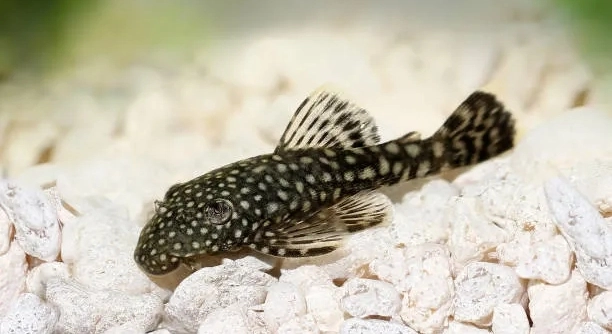
Have you ever noticed your pleco behaving differently and wondered if the water conditions in your aquarium might be the reason?
Plecos prefer water parameters that closely resemble their natural habitat, which includes warm temperatures, slightly acidic to neutral pH, moderate hardness, and stable oxygen levels. Maintaining these conditions ensures their health, comfort, and longevity in a home aquarium.
Understanding these specific parameters will help you create a balanced environment where your pleco can thrive and display its natural behaviors effortlessly.
Optimal Temperature Range
Plecos thrive best in warm, stable water temperatures that mimic tropical river conditions. The ideal range is between 74°F and 80°F, depending on the species. Keeping the temperature consistent within this range helps maintain their metabolism and immune system. Sudden temperature changes can stress your pleco, leading to sluggish behavior, loss of appetite, or illness. Using a reliable heater and thermometer ensures accurate regulation, especially during colder months. It’s also important to place your heater in a spot with proper water circulation to distribute heat evenly. Warm water not only supports digestion but also keeps their colors vibrant and natural.
A well-maintained temperature allows plecos to stay active during their nightly routines. It supports proper oxygen exchange and keeps the water chemistry more predictable over time.
Monitoring the temperature regularly and investing in high-quality heating equipment can make a big difference in your pleco’s long-term well-being. Consistency is key, as fluctuations can weaken their health and reduce lifespan. Always adjust the temperature gradually when needed, avoiding sudden increases or drops. If you’re keeping multiple species, make sure their temperature preferences align. Even small differences can affect compatibility. Balanced warmth provides stability, making your aquarium a safe and comfortable space for plecos to grow and flourish in peace.
Ideal pH Levels
Plecos generally prefer a pH range between 6.5 and 7.5, which closely mirrors their natural river environments in South America. Maintaining this balance supports their biological processes and keeps stress levels low.
A stable pH is essential for a pleco’s comfort and health. Frequent fluctuations can affect their digestion, energy, and overall activity. To maintain the ideal range, test the water weekly using a reliable pH testing kit. If your tap water is naturally hard or alkaline, consider adding driftwood or peat moss, as they help lower the pH naturally. On the other hand, crushed coral or limestone can help increase pH if it’s too low. Regular water changes also help maintain equilibrium by removing waste that can alter acidity. Remember to treat new water before adding it to the tank, as untreated tap water often contains chlorine or heavy metals. Keeping the pH within a steady range ensures your pleco stays healthy, active, and beautifully colored.
Water Hardness
Plecos prefer moderately hard water, usually between 5 and 15 dGH. This range provides a balanced mineral content that supports healthy bone and scale development while preventing unnecessary stress caused by overly soft or extremely hard conditions.
Maintaining the right water hardness helps plecos regulate osmoregulation, which is how they balance internal fluids and electrolytes. Consistent hardness levels also prevent fluctuations in pH, which can affect their digestion and breathing. If your water is too soft, adding crushed coral or aragonite can gently increase hardness. Conversely, if the water is too hard, using reverse osmosis (RO) water blended with tap water can lower it safely. Regular testing with a GH and KH kit ensures you maintain stable mineral levels. Plecos adapt well when changes are made gradually, allowing their systems time to adjust naturally.
Keeping hardness within the right range encourages natural behaviors and reproduction. Many plecos rely on stable minerals to form strong skeletal structures, vital for their suction-based movement and stability. Without proper hardness, they may develop brittle bones or weaker immune responses. It also affects their slime coat, which serves as a protective layer against bacteria and parasites. Proper hardness, combined with stable pH and temperature, forms the foundation for their overall well-being and growth.
Oxygen Levels
Plecos thrive in oxygen-rich environments that mimic their native river systems. High oxygen levels promote activity, proper respiration, and a stronger immune system, helping them stay energetic and healthy throughout their lifespan.
To maintain optimal oxygen levels, focus on strong water movement and surface agitation. Plecos produce a fair amount of waste, which can lower oxygen levels if filtration is weak. Using an air stone, sponge filter, or powerhead helps circulate oxygen efficiently. Warm water naturally holds less oxygen, so keeping aeration consistent is crucial in higher temperatures. Additionally, avoid overcrowding your tank, as too many fish can reduce oxygen availability. Regularly cleaning filters, trimming plants, and removing debris prevent buildup that restricts water flow. By ensuring good oxygenation, your pleco’s breathing remains effortless, their colors stay rich, and their activity remains steady during their nocturnal routines.
Ammonia and Nitrite Levels
Plecos are highly sensitive to ammonia and nitrite, even in small amounts. Both should always remain at 0 ppm. Elevated levels can damage their gills, weaken immunity, and lead to respiratory stress or infections, especially in poorly maintained or overstocked aquariums.
Frequent water changes, efficient filtration, and regular testing are the best ways to control these compounds. A cycled tank with established beneficial bacteria breaks down waste effectively. Avoid overfeeding, as uneaten food contributes to ammonia spikes that can quickly harm plecos.
Nitrate Levels
While plecos tolerate small amounts of nitrate, levels should stay below 40 ppm for their long-term health. Nitrate buildup can stress them and cause poor growth, dull coloration, or weakened resistance to disease. Regular water changes and live plants help absorb excess nitrates, keeping the aquarium balanced and safe.
Water Flow
Plecos thrive in tanks with moderate to strong water flow, similar to the moving rivers they originate from. Adequate circulation supports oxygen exchange and keeps waste suspended for filtration. Balanced flow also keeps plecos active, prevents stagnant zones, and helps maintain a cleaner, healthier environment.
FAQ
What temperature is too cold for plecos?
Temperatures below 70°F are generally too cold for most pleco species. Cold water slows their metabolism and can weaken their immune system, leaving them more prone to illness. Extended exposure to lower temperatures can also cause loss of appetite and sluggish movement. If your home is naturally cool, consider using a reliable heater to maintain warmth between 74°F and 80°F. Always make temperature adjustments gradually to avoid shocking your pleco. Stable heat encourages regular feeding, active behavior, and healthy coloration that reflects their natural vibrancy.
How often should I test water parameters for plecos?
Testing water once a week is ideal for most aquariums housing plecos. Frequent monitoring helps detect small fluctuations before they become serious problems. Use liquid test kits instead of strips for more accurate results. Testing ammonia, nitrite, nitrate, and pH regularly ensures the water remains within safe limits. During tank cycling or after adding new fish, test more frequently—every few days—to confirm stability. Once the tank is established, maintaining consistency becomes easier. Stable parameters directly influence pleco health, preventing stress-related issues and ensuring they thrive in a comfortable, predictable environment.
Can plecos survive in uncycled tanks?
Plecos should never be added to an uncycled tank. Ammonia and nitrite spikes are toxic and can quickly lead to gill burns or even death. The nitrogen cycle allows beneficial bacteria to convert harmful waste into less toxic nitrate. Cycling a tank properly takes patience, usually several weeks, but it’s essential for your pleco’s survival. If a tank is not yet cycled, consider using a bacterial starter or seeding the filter with media from an established tank to speed up the process. Only add plecos once all readings show 0 ppm for ammonia and nitrite.
Do plecos need a specific pH to breed successfully?
Yes, stable pH conditions play a big role in breeding success. Most plecos spawn best in slightly acidic to neutral water, around 6.5 to 7.2. A consistent pH encourages males to prepare nesting spots and females to lay eggs confidently. Sudden changes can discourage spawning or harm developing eggs. In breeding setups, soft, clean, and well-oxygenated water helps mimic their natural rivers, increasing the chances of healthy fry. Maintaining stable chemistry through regular water changes and gentle filtration keeps both adults and fry thriving during the process.
Can high nitrate levels harm plecos even if ammonia and nitrite are zero?
Yes, high nitrate levels can be harmful over time. Although nitrates are less toxic than ammonia or nitrite, prolonged exposure above 40 ppm can stress plecos and lead to weakened immunity. This often manifests as sluggishness, fading color, or poor appetite. To control nitrate buildup, perform partial water changes weekly and avoid overfeeding. Adding live plants like Java fern, Anubias, or Amazon swords helps absorb excess nitrates naturally. Maintaining healthy bacterial colonies in your filter also aids in controlling these compounds. Keeping nitrates low promotes long-term vitality and growth.
Do plecos prefer high or low water flow?
Plecos thrive in moderate to strong water flow, depending on the species. Most varieties come from river habitats where steady currents provide oxygen-rich water and help carry away waste. In aquariums, good water movement encourages activity and supports efficient filtration. However, avoid excessive flow that makes it hard for them to rest or feed. Using a spray bar, air stone, or well-positioned filter outlet can create balanced movement throughout the tank. This ensures oxygen circulation while keeping your pleco comfortable and stress-free in its environment.
Is tap water safe for plecos?
Tap water can be safe if treated correctly. Many municipal supplies contain chlorine, chloramine, or heavy metals that are harmful to fish. Always use a high-quality water conditioner before adding new water to your tank. Conditioning neutralizes harmful chemicals and makes the water safe for plecos and other aquarium inhabitants. It’s also important to match temperature and pH when performing water changes, as sudden differences can cause shock. Testing your tap water before use helps you understand its baseline parameters, allowing for easier adjustments over time.
Can plecos tolerate slightly hard water?
Yes, plecos adapt well to moderately hard water, usually within 5 to 15 dGH. Harder water supports bone strength and provides essential minerals. However, excessive hardness can raise pH too high and affect their comfort. If you notice buildup on tank surfaces or filter parts, your water may be too hard. You can blend tap water with reverse osmosis water to reduce hardness gradually. Maintaining balance keeps plecos healthy and allows for better osmoregulation, ensuring they thrive and display natural behaviors without unnecessary stress.
Do plecos need aeration in addition to a filter?
Yes, especially in warmer tanks. While filters help circulate water, they may not provide enough surface agitation for oxygen exchange. Aeration from an air stone or sponge filter boosts oxygen levels, keeping your pleco’s breathing effortless. It also prevents stagnant zones and supports beneficial bacteria growth in the substrate. Warmer water holds less oxygen, so maintaining aeration is even more crucial in tropical setups. When oxygen levels stay high, plecos remain active, feed well, and show brighter colors—clear signs of a stable and well-balanced aquarium.
Final Thoughts
Caring for plecos means more than simply feeding them and keeping the tank clean. It involves understanding the specific water parameters that allow them to thrive and stay healthy long-term. These gentle bottom dwellers rely heavily on consistent conditions—temperature, pH, hardness, oxygen, and cleanliness all play a role in their overall well-being. When water quality remains stable, plecos grow stronger, display their beautiful natural colors, and behave more actively during their nocturnal routines. Even small fluctuations in water chemistry can have lasting effects, so consistency is the most valuable part of their care. Creating an environment that mimics their natural habitat not only keeps them stress-free but also supports their unique biological needs in the simplest way possible.
Each water parameter works together to create harmony within the tank. Temperature regulates metabolism, pH influences biological stability, and hardness supports proper bone and scale development. Oxygen levels, flow, and nitrate control further define the comfort level of your pleco’s habitat. Ignoring any of these can disrupt the balance, leading to health issues or behavioral changes. For instance, poor oxygenation can cause lethargy, while high nitrate levels can dull their colors or affect appetite. Regular maintenance, careful observation, and consistent testing are essential practices that make the difference between survival and thriving. Once you establish a routine that keeps water parameters in check, caring for plecos becomes second nature. They reward that effort by staying healthy and displaying fascinating natural behaviors that are a joy to watch.
Plecos are remarkably resilient when kept under proper conditions, and the effort invested in maintaining their habitat pays off with a peaceful, balanced aquarium. Whether you’re caring for a single pleco or a community tank, giving attention to their preferred water parameters ensures harmony for all species involved. Stable water quality doesn’t just benefit the plecos—it also supports beneficial bacteria, reduces stress for tank mates, and keeps the aquarium ecosystem running smoothly. In the end, understanding their needs creates a connection between the caretaker and the environment they’ve built. Plecos, with their calm nature and quiet presence, remind aquarists that balance is key. By keeping their water clean, stable, and well-oxygenated, you create more than just a home for them—you build a thriving underwater space where life continues to flourish naturally and beautifully.

Hello,
If you enjoy the content that we create, please consider saying a "Thank You!" by leaving a tip.
Every little bit helps us continue crafting quality advice that supports the health, happiness, and well-being of pets around the world, for pets of all shapes, sizes, and species.
We really appreciate the kindness and support that you show us!