
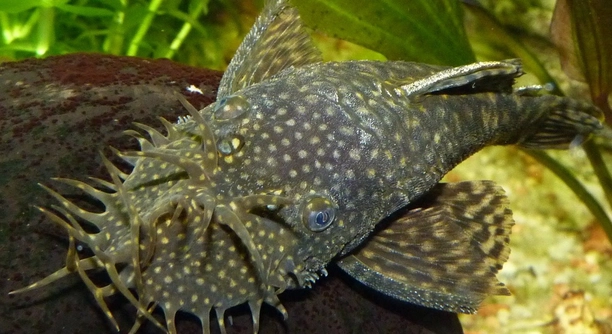
Is your pleco spending more time hiding than swimming near the filter? Many aquarists notice their plecos avoiding the filter flow, leaving them puzzled about their behavior and comfort in the tank environment.
Plecos often avoid strong filter currents due to their natural preference for calmer waters. Excessive flow can cause stress, limit their ability to feed efficiently, and interfere with their rest patterns, which are essential for overall health.
Learning why your pleco avoids certain areas can improve tank setup, comfort, and your fish’s long-term well-being.
Understanding Your Pleco’s Behavior
Plecos are naturally cautious fish that prefer calm, sheltered areas. In aquariums, they often avoid strong water currents because it makes them feel insecure. Observing their habits closely can reveal patterns, such as spending more time near decorations, driftwood, or under ledges. Plecos rely on these calmer zones to rest during the day and feel safe while they eat at night. If the filter flow is too strong, they may struggle to maintain position or feed properly, which can lead to stress or lower immunity. Adjusting flow, adding hiding spots, and creating gentle water movement can help your pleco feel comfortable and maintain natural behaviors. Understanding this behavior is key to maintaining a healthy environment and ensuring your pleco thrives rather than merely survives.
Strong currents can discourage feeding and reduce activity, so calmer areas encourage healthier routines.
By observing where your pleco spends its time, you can adjust the tank setup for both comfort and health. Adding caves, driftwood, or broad-leaf plants creates shelter and allows your pleco to swim freely without constant resistance. Reducing flow near resting areas gives them a secure spot to relax while still maintaining circulation in the tank. Many plecos respond positively when filters are adjusted to minimize turbulence near the bottom, where they spend most of their time. Subtle changes, like redirecting water or adding sponge pre-filters, can make a big difference. Understanding these preferences helps prevent stress-related issues and supports natural feeding habits. Over time, plecos may even begin to explore more of the tank once they feel safe. Observing these changes provides insight into how your fish interacts with its environment, allowing for better long-term care.
Adjusting Filter Flow for Comfort
Strong filter flow can overwhelm plecos and limit their natural behaviors.
To reduce stress, choose a filter with adjustable flow or redirect the outflow using attachments. Many aquarists find that using sponge pre-filters or spray bars softens the current. Positioning decorations to break up water movement helps create calm zones without affecting overall circulation. Plecos are sensitive to turbulence near the bottom, so ensure resting areas remain gentle. Small tweaks can prevent constant swimming against the current, which tires the fish and disrupts feeding. Maintaining a balance between water quality and comfort is essential for their health.
Creating a pleco-friendly environment goes beyond just adjusting flow. Observe how your fish reacts to changes and note where it prefers to rest and feed. Providing multiple hiding spots and sheltered areas encourages natural behaviors and reduces stress. Gentle water currents allow better oxygen distribution without forcing plecos into constant motion. Over time, plecos feel safer exploring different parts of the tank, improving overall activity levels and promoting healthier feeding patterns. Regular observation helps identify problem areas, whether it’s too much flow near the substrate or lack of shelter. Combining flow adjustments with environmental enrichment ensures your pleco remains active, comfortable, and stress-free. A well-thought-out setup leads to a stronger, healthier fish that thrives in the aquarium.
Common Signs of Stress in Plecos
Rapid gill movement, hiding constantly, and loss of appetite are clear signs your pleco is stressed. Unusual swimming patterns or rubbing against surfaces can also indicate discomfort caused by strong currents or poor tank conditions.
Stress in plecos often stems from environmental factors such as excessive water flow, lack of hiding spots, or sudden changes in tank conditions. When plecos feel unsafe, they may avoid open areas and reduce activity. Over time, chronic stress can weaken their immune system, making them more prone to disease. Observing behavior daily helps identify these issues early. Small changes like adding driftwood, adjusting filter output, or creating quiet zones can reduce stress and improve overall well-being, allowing your pleco to exhibit natural behaviors more confidently.
Monitoring for these signs is crucial for maintaining a healthy tank. Plecos thrive when they have calm spaces, stable water parameters, and predictable routines. Consistency in feeding schedules and environmental conditions helps them feel secure. Providing areas with soft substrate and broad-leaf plants can also reduce stress. Gentle adjustments to flow and thoughtful tank layout give plecos the chance to explore safely while minimizing energy expenditure. This proactive care prevents long-term health problems and supports natural behaviors, ensuring your pleco remains active, well-fed, and comfortable in its habitat.
Creating a Pleco-Friendly Tank
Adding caves, driftwood, and plants provides shelter and calm areas away from strong currents. Proper placement allows plecos to rest comfortably.
The layout of the tank directly affects your pleco’s comfort. Hiding spots like caves or hollow logs offer security and reduce exposure to strong filter flow. Driftwood and plants not only break up water currents but also create natural boundaries that make plecos feel safe. Ensuring enough open swimming areas with moderate flow allows exercise without causing stress. The substrate choice also matters; smooth surfaces reduce injury risk during resting periods. By thoughtfully arranging the tank, you balance filtration needs with the pleco’s preference for calm zones, promoting healthier behavior.
Using these elements effectively can transform your tank into a more natural environment. Observe where your pleco spends time and adjust decorations to enhance their comfort. Layering plants, logs, and rocks creates multiple retreat areas, reducing competition for space and minimizing stress. Flow deflectors or sponge attachments soften water movement near key resting spots. Over time, your pleco will explore more confidently, feed consistently, and show normal activity patterns. This approach not only improves their quality of life but also makes tank management easier, as healthier, less-stressed fish maintain a stable ecosystem with fewer issues.
Choosing the Right Filter
A filter with adjustable flow is ideal for plecos. Too strong a current can overwhelm them, while a gentler flow keeps the tank clean and comfortable.
Sponge pre-filters or spray bars can help soften water movement. Positioning the outflow away from resting areas ensures plecos have calm zones to relax and feed without struggle.
Feeding Near the Filter
Plecos often avoid areas with strong currents when feeding. Placing food in calmer sections encourages them to eat properly.
Offering sinking pellets or vegetables near sheltered spots reduces stress. Observing feeding patterns helps determine where your pleco feels safest, ensuring consistent nutrition and comfort.
Water Parameters Matter
Maintaining stable water temperature and quality is essential. Sudden changes can cause plecos to hide or avoid certain tank areas.
Keeping pH, ammonia, and nitrate levels in safe ranges supports their health. Consistent water changes and monitoring help prevent stress and encourage natural behavior.
FAQ
Why does my pleco hide most of the time?
Plecos naturally prefer sheltered areas. Hiding reduces stress and protects them from perceived threats. Providing caves, driftwood, and plants creates safe zones where your pleco can rest during the day. If hiding becomes excessive, check water conditions and filter flow, as strong currents can increase stress levels.
Is it normal for a pleco to avoid the filter flow?
Yes, most plecos avoid strong currents because it interferes with their natural swimming and feeding patterns. Gentle water movement or adjusting the filter outflow allows them to move freely without constant resistance. Using spray bars or sponge pre-filters can reduce turbulence in critical areas.
How can I tell if my pleco is stressed?
Signs of stress include rapid gill movement, loss of appetite, excessive hiding, rubbing against surfaces, and unusual swimming patterns. Stress can weaken the immune system, making your pleco more vulnerable to disease. Observing behavior daily helps identify issues before they worsen.
Can adjusting the filter improve my pleco’s comfort?
Absolutely. Lowering flow, redirecting the outflow, or adding attachments can create calmer zones. This allows your pleco to feed and rest without fighting currents. Small adjustments often make a noticeable difference in their activity levels and overall behavior.
Should I provide multiple hiding spots?
Yes. Multiple shelters reduce competition and give your pleco options to feel secure. Caves, hollow logs, and driftwood help break up currents and create resting areas. This encourages natural exploration while minimizing stress caused by strong flow or lack of protection.
Does water temperature affect pleco activity?
Stable temperatures are important. Sudden fluctuations can cause hiding or erratic swimming. Maintaining a consistent range suitable for your pleco species supports healthy activity, feeding, and interaction with the tank environment.
Are some pleco species more sensitive to flow than others?
Yes. Smaller or more delicate species tend to avoid strong currents more than larger, robust species. Researching your pleco type helps determine the ideal flow and tank setup to match their natural habitat.
How often should I check water parameters?
Regular monitoring is essential. Weekly checks for ammonia, nitrite, nitrate, and pH ensure safe conditions. Inconsistent water quality can stress plecos, causing them to avoid certain areas or reduce feeding.
Can substrate type influence pleco comfort near the filter?
Yes. Smooth, soft substrate reduces injury risk when resting near the bottom. Rough surfaces or gravel with sharp edges can make plecos avoid certain zones, even if the water flow is ideal. Choosing suitable substrate contributes to overall comfort.
Is it necessary to observe feeding behavior daily?
Daily observation is very helpful. Noticing where your pleco eats, how quickly, and whether it avoids certain areas gives insight into tank conditions and comfort. Adjustments in flow, shelter placement, or feeding spots can then be made accordingly.
Do plecos explore more when stress is reduced?
Yes. Once safe zones are established and water flow is appropriate, plecos gradually explore the tank. They become more active, feed consistently, and display natural behaviors, showing that environmental adjustments have a positive impact.
What simple changes can make a big difference in pleco behavior?
Redirecting filter outflow, adding driftwood, adjusting hiding spots, and monitoring water parameters are small but effective changes. These tweaks create calm zones, reduce stress, and encourage healthy activity, feeding, and overall well-being.
How long does it take for a pleco to adjust to new conditions?
Adjustment varies, usually from a few days to a couple of weeks. Patience is key. Observing behavior and making incremental changes ensures the pleco adapts comfortably without stress.
Can plecos live comfortably in a high-flow tank?
Some species tolerate moderate flow, but most prefer calmer areas. Using flow deflectors, sponge attachments, or plant placement can create zones where plecos can rest safely while still maintaining proper circulation for the tank.
Does lighting affect pleco comfort near the filter?
Indirectly, yes. Bright lighting can make plecos more likely to hide. Providing shaded areas or dimming lights near high-flow zones encourages them to explore and feed in calmer spaces without feeling exposed.
Are plecos more active at night?
Typically, yes. Plecos are nocturnal or crepuscular, meaning they feed and move more during low-light periods. Ensuring calm zones near feeding spots allows them to access food easily without fighting strong currents.
Should I worry if my pleco avoids certain parts of the tank permanently?
Not necessarily. Avoidance usually indicates preference for calmer areas. Persistent avoidance could signal stress or unsuitable conditions. Monitoring behavior, adjusting flow, and providing multiple shelters usually resolves these issues.
How do decorations impact pleco movement near filters?
Decorations break currents, create hiding spots, and offer visual barriers. Strategic placement near filter outlets reduces direct flow and encourages plecos to explore while feeling secure, balancing filtration needs with their comfort.
Can multiple plecos share the same tank without stress?
Yes, if adequate hiding spots and space are provided. Overcrowding near filter areas can increase stress, so careful planning of shelters and flow distribution is important to maintain harmony.
Do plecos ever become comfortable near the filter?
With proper adjustments, some plecos gradually tolerate gentle currents. Patience, environmental enrichment, and observing preferences allow them to use more of the tank while staying safe and stress-free.
This FAQ covers the main concerns and solutions to help your pleco avoid stress while interacting comfortably with your tank environment.
Final Thoughts
Caring for plecos means understanding how their natural instincts shape their behavior in an aquarium. These calm, bottom-dwelling fish thrive when their surroundings feel safe and balanced. A strong filter flow might keep the water clean, but it can easily disrupt their comfort and routine. Many plecos instinctively avoid powerful currents because it reminds them of unsafe conditions. In the wild, they spend much of their time clinging to rocks, logs, or hiding beneath debris in slow-moving waters. Replicating that environment at home helps them feel secure. Observing where your pleco prefers to rest or feed can reveal what adjustments are needed. Whether it’s redirecting the outflow, adding more driftwood, or softening the substrate, small changes can make a noticeable difference in their behavior and health. These adjustments not only improve comfort but also enhance the tank’s visual balance and overall stability.
A peaceful environment supports your pleco’s natural rhythm. When the flow is too strong, plecos must constantly swim against the current, wasting energy and causing unnecessary stress. Over time, this can lead to health problems and reduced appetite. A gentle, steady current helps distribute oxygen and maintain water quality while allowing the pleco to rest and feed comfortably. It’s about finding a balance that supports both the filtration system and the fish’s needs. Consistency also plays an important role. Frequent changes in lighting, temperature, or filter power can make plecos feel uneasy. Once they adapt to a certain rhythm, it’s best to maintain it. Stable conditions encourage them to explore more areas of the tank, display natural behaviors, and stay active at night, which is when they are most comfortable. Regular observation helps spot small issues before they become major problems, ensuring long-term stability for both fish and tank.
In the end, understanding why your pleco avoids the filter flow leads to better care and a healthier aquarium. Their behavior is not stubbornness—it’s communication. When a pleco hides, refuses food, or avoids specific areas, it’s expressing discomfort or imbalance in the environment. Listening to these signals helps you make thoughtful adjustments that benefit the entire ecosystem. Creating calm zones, maintaining proper water parameters, and offering hiding spots all contribute to a thriving aquarium where your pleco can feel at home. The reward is seeing your fish relaxed, active, and healthy, moving freely without fear or strain. A well-balanced tank is more than clean water—it’s a place where every detail supports the quiet, steady rhythm of your pleco’s life.

Hello,
If you enjoy the content that we create, please consider saying a "Thank You!" by leaving a tip.
Every little bit helps us continue crafting quality advice that supports the health, happiness, and well-being of pets around the world, for pets of all shapes, sizes, and species.
We really appreciate the kindness and support that you show us!