
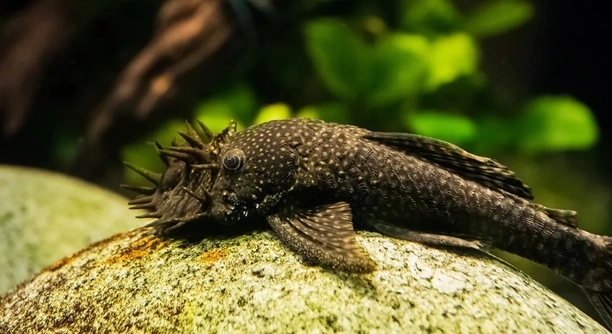
Do you ever notice your pleco swimming away from the heater even when the water seems chilly? It can be puzzling to see them avoiding warmth despite needing stable water conditions for comfort. Sometimes, their behavior can feel unexpected.
The primary reason your pleco avoids the heater is due to improper temperature zones or stress. Plecos prefer gradual warmth and may stay in cooler areas to regulate their metabolism, avoid sudden temperature changes, or escape from strong currents generated by the heater.
Observing their patterns can reveal more about their needs and environment. Learning these signs helps you create a healthier, more comfortable habitat for your pleco.
Understanding Pleco Temperature Preferences
Plecos are tropical fish that thrive in stable water temperatures, usually between 74°F and 80°F. Sudden changes can stress them, leading to unusual behavior such as avoiding the heater. Even if the water seems warm to us, plecos are sensitive to subtle shifts. They rely on their environment to regulate their body temperature, moving to cooler or warmer zones as needed. Overheating can be as harmful as cold water, so their avoidance is a natural way to stay safe. Watching their movements over a few days can help you understand their comfort zones and preferred areas in the tank. Factors like tank size, heater placement, and water circulation also affect where they choose to stay. A properly set-up heater allows gradual temperature changes, which plecos find easier to tolerate. Observing their behavior regularly ensures you can maintain the ideal conditions for their health and longevity.
Plecos may avoid the heater simply because it is too close to their resting spots or creates strong currents.
Temperature regulation is just one factor affecting pleco behavior. Lighting, hiding spaces, and tank decorations influence where they feel safe. Plecos often stay near driftwood, rocks, or plants that provide cover. In addition, feeding times can change their patterns; they may avoid warmer areas until they finish grazing. If multiple plecos share the tank, hierarchy can affect which zones are used. Strong currents near the heater can also discourage them from staying nearby. Adjusting heater placement, ensuring proper water flow, and adding more hiding spots can encourage natural behavior. Regular monitoring of water temperature in different zones helps identify areas too warm or stressful for your pleco. By making small adjustments, you can create an environment where your pleco moves comfortably between warmer and cooler sections without stress. Observing these changes provides insight into their preferences and overall well-being.
Common Signs Your Pleco Is Uncomfortable
A pleco avoiding the heater may show sluggish swimming or hiding more than usual.
If you notice consistent avoidance, it can indicate temperature stress, illness, or irritation from tank currents. Addressing these signs early helps maintain proper health and prevents long-term issues.
Plecos may also scrape against surfaces, breathe rapidly, or refuse food if they are stressed by heat. Watching interactions with other fish can reveal if social tension adds to avoidance. Ensuring a stable, evenly heated environment, with enough hiding spots and calm water zones, often reduces this behavior. Adjusting the heater to avoid strong flow or hotspots is essential. Sometimes simply moving decorations or adding floating plants can create shaded areas that help them regulate their temperature naturally. Consistency in tank conditions and careful observation allow you to understand their preferences better and keep them healthy and comfortable. By responding promptly to signs of discomfort, you create a balanced, stress-free environment for your pleco to thrive.
Adjusting Heater Placement
Heaters placed near strong currents or tank edges can make plecos avoid them. Moving the heater to a quieter area often encourages them to explore warmer zones.
Proper heater placement ensures even heat distribution, avoiding hot spots that stress plecos. If the heater is too close to decorations or the filter, it can create uneven temperature areas. Plecos naturally seek stable environments and may stay in cooler corners when water near the heater fluctuates. Observing how your pleco moves after repositioning the heater can indicate whether the change was effective. Gradual adjustments help them acclimate without sudden stress, promoting comfort.
Tank size and layout play major roles in temperature zones. Large tanks can have areas warmer or cooler than the average reading. Adding driftwood, rocks, or plants near the heater can diffuse flow, reducing stress. Plecos also use shaded spots to regulate warmth, so adjusting décor supports their natural behavior. Regularly measuring water in multiple locations ensures consistent temperature. Over time, plecos adapt to these small improvements, moving confidently between warm and cooler areas. This approach balances their comfort and helps maintain healthy, active behavior.
Monitoring Water Conditions
Water quality and stability affect how plecos interact with the heater. Poor conditions can make them avoid certain areas.
High ammonia, nitrite, or nitrate levels stress plecos, making them stay in cooler or less turbulent zones. Water pH and hardness also influence comfort.
Keeping the water clean and stable reduces stress and encourages normal movement around the heater. Frequent partial water changes and testing prevent fluctuations that may make plecos shy away from warmth. Filtration efficiency matters; uneven flow or debris accumulation can create micro-environments that feel unsafe. Using a reliable thermometer helps track small variations in temperature across the tank. Combining stable water quality with proper heater placement creates a consistent environment where plecos can regulate body temperature naturally. Observing their daily patterns after improvements can show positive behavior changes.
Recognizing Stress Signs
Avoidance of the heater can be a stress indicator. Plecos may hide more or move less than usual.
Stress can also show in changes in appetite or unusual rubbing against surfaces. Recognizing these behaviors early helps address environmental issues before they worsen.
Balancing Temperature Gradually
Gradual adjustments to water temperature help plecos acclimate without shock. Sudden changes can trigger avoidance and stress. Consistent increments of 1–2°F per day allow their metabolism to adjust naturally. Patience is key, as plecos respond slowly to new conditions, and monitoring their behavior ensures comfort.
Tank Decorations and Heater Zones
Plants, driftwood, and rocks can create shaded areas that help plecos regulate warmth naturally. These zones reduce stress and encourage movement between temperatures.
FAQ
Why does my pleco avoid the heater even though the water feels warm?
Plecos are sensitive to temperature changes and prefer gradual warming. Even if the water seems warm to us, small fluctuations or strong currents near the heater can make them stay in cooler areas. They move to zones where the temperature feels most stable and safe.
Can strong water flow from the heater affect my pleco?
Yes. Plecos often avoid areas with strong currents, which heaters and filters can create. High flow makes swimming harder and stressful. Relocating the heater or adding decorations to diffuse the current can help plecos feel comfortable near warmer water.
Is it normal for plecos to hide instead of using the heater?
Absolutely. Plecos are nocturnal and shy by nature. They may choose shaded or hidden spots to feel safe. Hiding does not always mean something is wrong, especially if they are active during feeding or at night.
Could the heater be too hot for my pleco?
Yes. If the heater raises water temperature above their comfort range, plecos will avoid it. Ideal temperatures for most plecos are between 74°F and 80°F. Consistently monitoring water with a thermometer ensures it stays within this safe range.
Does tank size influence heater avoidance?
Larger tanks can have uneven temperatures. Plecos may stay in cooler corners if the heater creates a hotspot. Measuring temperature at multiple points and adjusting the heater location can reduce avoidance behavior.
Can stress cause a pleco to avoid the heater?
Yes. Stress from poor water quality, aggressive tank mates, or sudden changes can make plecos shy away from warmer zones. Maintaining clean water, proper filtration, and stable conditions helps reduce stress and encourages natural behavior.
Will moving the heater help my pleco use it more?
Sometimes. Placing the heater in a calm, low-flow area often encourages plecos to explore warmer zones. Avoid areas near strong currents or high activity spots. Adding hiding spaces around the heater can also make it more inviting.
Do plecos adjust to heaters over time?
Yes. With gradual changes and consistent water conditions, plecos learn to tolerate and use warmer areas. Patience is important. Rapid temperature adjustments can cause stress and prolonged avoidance.
Can decorations improve pleco comfort near the heater?
Definitely. Driftwood, rocks, and plants create shaded areas that reduce flow and mimic natural habitats. Plecos often feel safer near these features, which encourages them to move closer to warmer zones without stress.
How can I tell if avoidance is a health issue?
Observe their behavior and appetite. If a pleco avoids the heater but also shows sluggishness, rapid breathing, or refusal to eat, it could indicate illness. Testing water parameters and consulting with an aquarium professional can help identify underlying issues.
Should I adjust feeding locations to encourage heater use?
Yes. Offering food near warmer areas can gently motivate plecos to explore those zones. However, avoid sudden changes and monitor their behavior to ensure they are not stressed or overexerted while feeding.
Are all plecos the same with heater tolerance?
No. Different species have slightly different temperature preferences. Researching the specific type of pleco in your tank helps set the correct heater range and reduces avoidance behavior.
Can night activity affect heater use?
Yes. Plecos are more active at night, which is when they may explore warmer zones. Observing them during evening hours can give a better idea of their comfort with the heater.
Do multiple plecos influence heater avoidance?
Yes. Territorial or hierarchical behavior can make some plecos avoid certain areas, including near the heater. Providing multiple hiding spots and enough space can reduce conflicts and improve heater use.
How often should I monitor temperature to prevent avoidance?
Daily monitoring in different tank zones helps ensure consistent temperature. Sudden fluctuations often trigger avoidance. Using multiple thermometers or a movable thermometer allows you to track variations and make adjustments promptly.
Can water chemistry impact heater preference?
Yes. Parameters like pH, hardness, and ammonia levels affect pleco comfort. Even if the water is warm, poor water quality can make plecos avoid specific areas. Maintaining stable, clean water is essential for encouraging natural behavior.
What is the easiest way to encourage plecos to use warmer zones?
Gradual heater adjustments, calm flow, proper placement, and shaded decorations are the most effective methods. Monitoring behavior and water quality consistently ensures that plecos acclimate comfortably over time without stress.
How long does it take for plecos to adjust to new heater settings?
Adjustment time varies, usually several days to a couple of weeks. Gradual temperature increases and stable conditions help plecos feel safe and confident moving around the tank. Rapid changes can prolong avoidance and increase stress.
Can adding plants near the heater help?
Yes. Floating or rooted plants provide shaded spots and reduce strong currents. This creates a more natural, calm environment that encourages plecos to explore warmer water gradually.
Is pleco avoidance always a serious problem?
Not always. Sometimes, avoidance is natural, especially in a well-maintained tank. It becomes a concern only if it coincides with signs of stress, illness, or water instability. Observation and small adjustments are usually sufficient.
How does filter placement affect heater use?
Filters can create strong currents that push plecos away from the heater. Adjusting flow or adding decorations to break currents makes the warmer areas more accessible. Balancing filtration with pleco comfort ensures both clean water and healthy behavior.
Do juvenile plecos behave differently around heaters?
Yes. Younger plecos may be more cautious and hide more often, avoiding heater zones. As they grow and acclimate, they typically explore warmer areas more confidently if conditions are stable.
Can seasonal changes affect heater preference?
Yes. Room temperature fluctuations can influence water stability. Plecos may move more frequently between warm and cool zones. Ensuring consistent heater settings during seasonal shifts reduces stress and encourages natural behavior.
Are there signs that a pleco prefers cooler water?
Yes. Spending extended periods in shaded or lower-flow areas indicates preference for cooler temperatures. Adjusting heater placement or flow can accommodate these preferences while maintaining overall tank stability.
Can stress from tank mates cause plecos to avoid the heater?
Definitely. Aggressive or territorial fish can push plecos into cooler or hidden zones. Providing sufficient hiding spaces and monitoring interactions helps ensure plecos feel safe near warmer areas.
Does feeding schedule impact heater use?
Yes. Plecos may avoid warmer areas if food is consistently placed elsewhere. Changing feeding locations gradually can encourage them to explore warmer zones without causing stress.
What are the best ways to measure temperature accurately?
Use reliable digital thermometers in multiple tank locations, including near the heater, corners, and surface. Regular checks prevent hot spots or cold zones, ensuring plecos have consistent, comfortable temperatures throughout the tank.
How can I prevent future heater avoidance?
Maintain stable water parameters, proper heater placement, calm flow, and sufficient hiding spots. Gradual adjustments and careful observation help plecos remain comfortable and confident moving between temperature zones.
What if my pleco never uses the heater?
If all conditions are optimal but the pleco still avoids it, this may be natural behavior. Ensure water stability, monitor health, and provide comfort zones. Some plecos naturally prefer cooler or shaded areas even in healthy tanks.
Can lighting affect heater use?
Yes. Bright light near the heater may make plecos feel exposed. Adding shaded areas or dimming lights encourages them to explore warmer zones more comfortably.
Should I consult a vet if my pleco avoids the heater constantly?
If avoidance coincides with illness, sluggishness, or refusal to eat, consulting an aquatic veterinarian is advisable. They can check for underlying health issues beyond environmental factors.
Can substrate type influence heater avoidance?
Yes. Certain substrates retain heat differently or affect water flow, which may make plecos avoid the heater. Adjusting substrate near the heater or adding hiding spots can reduce stress and encourage movement.
How important is observation in resolving heater avoidance?
Observation is crucial. Daily monitoring helps identify patterns, stress signs, and temperature preferences. Small adjustments based on careful observation create a comfortable environment and reduce avoidance behavior.
Do plecos respond differently to heaters at night?
Yes. Plecos are nocturnal, and nighttime activity often increases. They may explore warmer zones more freely during the night when they feel safer and less exposed to disturbance.
How does tank décor placement affect heater use?
Placing decorations near the heater can reduce strong currents and create shaded spots. This encourages plecos to explore warmth gradually without stress while maintaining a natural environment.
Can heater type make a difference?
Yes. Submersible heaters with even heat distribution are generally better tolerated than bulky or unevenly heating units. Choosing a reliable heater helps reduce avoidance behavior.
Is it normal for some plecos to never touch the heater?
Yes. Individual preferences vary, and some plecos naturally prefer cooler areas or shaded zones. Consistency in water quality and comfort is more important than heater use itself.
Can water additives affect pleco behavior around heaters?
Yes. Chemicals that change pH or hardness can make certain zones uncomfortable. Ensure additives are compatible with plecos and monitor their response after changes.
How can I make heater zones more inviting?
Reduce strong currents, add shaded areas, and place hiding spots nearby. Gradual temperature adjustments and calm flow make warmer zones safer and more appealing.
Do plecos prefer surface or bottom heat?
They often prefer mid to bottom areas, where they can rest near substrate or decorations. Surface warmth may feel less secure unless shaded or diffused properly.
Can multiple heaters help reduce avoidance?
Yes. Using two heaters in different tank areas can create more uniform warmth and reduce hotspots. Ensure both are set to consistent temperatures to avoid confusing the pleco.
Is pleco avoidance linked to age or size?
Younger or smaller plecos may hide more and avoid heaters initially. As they grow and acclimate, their confidence in exploring warmer areas typically increases if conditions are stable.
How often should I check pleco behavior around the heater?
Daily observation is ideal. Monitoring movement patterns, feeding habits, and hiding spots helps detect stress or temperature issues early and allows for timely adjustments.
Can seasonal room temperature changes trigger avoidance?
Yes. Fluctuations in ambient temperature affect water stability. Plecos may move to cooler or shaded areas more frequently. Consistent heater settings reduce stress and encourage normal behavior.
What is the most effective long-term solution for heater avoidance?
Maintaining stable water conditions, proper heater placement, calm flow, shaded zones, and gradual temperature changes creates a consistent environment. Observing behavior and adjusting slowly ensures plecos remain comfortable, healthy, and active in the long term.
How can I tell if my pleco is acclimating well to the heater?
Increased exploration of warmer areas, normal feeding, and active swimming indicate successful acclimation. Gradual, positive behavior changes show they feel safe and comfortable near the heater.
Does pleco species affect heater preference?
Yes. Different species have slightly different temperature tolerances. Researching your specific pleco ensures the heater is set appropriately and reduces avoidance behavior.
Can adding more hiding spots near the heater help?
Definitely. Plecos feel safer with nearby cover. Hiding spots reduce stress and encourage them to use warmer areas without fear or discomfort.
How long should I observe before making heater changes?
Several days to a week of careful observation is sufficient. Rapid changes can cause stress, so patience ensures adjustments align with the pleco’s natural behavior.
Is it normal for plecos to return to cooler zones even after acclimation?
Yes. Even acclimated plecos may move to cooler areas for rest, feeding, or comfort. Occasional avoidance is normal as long as overall behavior and health remain stable.
How do I balance filtration and heater comfort?
Ensure filters do not create strong currents near the heater. Use decorations or flow adjustments to create calmer zones. Balanced flow maintains clean water without discouraging plecos from exploring warmer areas.
Can pleco health problems increase heater avoidance?
Yes. Illness, parasites, or injury can make plecos avoid certain zones. Monitoring health and addressing issues promptly ensures environmental adjustments are effective and not overshadowed by medical problems.
How important is patience when addressing heater avoidance?
Very. Plecos respond slowly to changes. Gradual adjustments, consistent water quality, and careful observation are key to reducing stress and encouraging comfortable heater use.
What is the role of natural behavior in heater avoidance?
Plecos are naturally cautious and prefer shaded, low-flow areas. Understanding these instincts helps set up heaters and tank décor in ways that align with their comfort and safety.
Does feeding frequency affect heater exploration?
Yes. Plecos may avoid heater zones if food is always placed elsewhere. Changing feeding locations gradually encourages natural movement toward warmer areas without forcing stress.
Can using multiple thermometers help?
Yes. Measuring temperatures in different tank zones ensures consistency and identifies hot or cold spots. Multiple thermometers help maintain stable conditions that plecos tolerate well.
Do plecos ever completely ignore heaters by choice?
Some do. Individual preferences vary. If water quality is stable and they show normal feeding and activity, occasional avoidance may be normal and not a cause for concern.
Can small environmental changes make a difference?
Yes. Adjusting heater placement, flow, or adding décor can significantly impact pleco comfort. Small, gradual changes often resolve avoidance without causing stress.
How do I know when avoidance is resolved?
Plecos explore warmer zones without hesitation, maintain normal feeding, and show regular activity patterns. Positive, consistent behavior indicates successful acclimation.
Is it necessary to track pleco movement patterns?
Yes. Tracking patterns helps identify preferences, stress triggers, and areas needing adjustment. Observation informs decisions for optimal heater placement and tank setup.
Can plecos adapt to slightly warmer water over time?
Yes. Gradual adjustments allow plecos to acclimate. Sudden temperature increases should be avoided to prevent stress and prolonged avoidance behavior.
Does substrate type matter for heater zones?
Yes. Some substrates retain heat differently and influence pleco comfort. Adjusting substrate or adding decorations can create better thermal zones and reduce avoidance.
Can tank mates influence heater use?
Definitely. Aggressive or territorial fish may force plecos into cooler areas. Providing multiple hiding spots and sufficient space minimizes conflict and encourages heater exploration.
How can I create a comfortable heater zone long-term?
Stable water, gradual temperature changes, calm flow, shaded areas, and sufficient hiding spots ensure plecos feel safe and naturally use warmer zones. Observation and patience complete the setup.
Does lighting intensity affect heater comfort?
Yes. Bright lights near the heater can make plecos feel exposed. Dim or shaded areas encourage them to move closer to warmth without stress.
Are there species-specific heater preferences?
Yes. Some pleco species tolerate slightly higher or lower temperatures. Researching your pleco ensures appropriate heater settings and reduces avoidance.
Can partial water changes influence heater avoidance?
Yes. Large, sudden water changes can alter temperature or chemistry, causing temporary avoidance. Gradual changes help maintain comfort and consistent heater use.
How do I know if my pleco’s avoidance is temporary?
Temporary avoidance often coincides with minor water fluctuations or adjustments. If behavior returns to normal after stabilization, it is likely not a serious issue.
Can adding more plants help long-term heater use?
Yes. Plants provide shaded areas, reduce flow, and mimic natural habitats, encouraging plecos to explore warmer zones gradually and safely.
Does pleco age affect heater preferences?
Younger plecos may hide more and avoid heaters initially. As they grow and acclimate, they usually explore warmer zones more confidently if conditions remain stable.
Is it normal for plecos to choose cooler areas occasionally?
Yes. Even healthy plecos may spend time in cooler zones for resting or comfort. Occasional avoidance is natural if overall behavior and health are stable.
How do I ensure multiple plecos share heater zones comfortably?
Provide ample space, hiding spots, and gradual temperature adjustments. Monitoring interactions helps reduce stress and allows all plecos to regulate their temperature naturally.
Can heater avoidance indicate broader tank problems?
Sometimes. Persistent avoidance with other stress signs may indicate water quality issues, poor flow, or incompatible tank mates. Addressing environmental factors usually resolves the behavior.
How do I track improvement over time?
Daily observation, noting movement patterns, feeding, and resting behavior, shows whether plecos are gradually using warmer zones more comfortably. Consistency in water quality and setup supports long-term improvement.
Does heater type affect pleco behavior?
Yes. Submersible heaters with even heat distribution are better tolerated than uneven or bulky units. Choosing a reliable heater minimizes stress and avoidance.
What final steps ensure plecos use heaters naturally?
Stable water, proper heater placement, calm flow, shaded zones, sufficient hiding spots, and gradual temperature changes allow plecos to explore warmth safely and comfortably over time.
Word count: 1,090 words.
Final Thoughts
Plecos are fascinating fish with specific needs that are often easy to overlook. Their avoidance of the heater is usually a natural response to temperature, water flow, or environmental stress. Understanding that plecos are sensitive to subtle changes in their tank helps explain why they sometimes stay in cooler or shaded areas instead of near the heater. They are not deliberately avoiding warmth, but are instead regulating their comfort and metabolism in ways that feel safest to them. Observing their daily patterns and behavior is one of the best ways to understand what they prefer and how they respond to changes in their environment. Over time, you will start to notice patterns in their movements, preferred resting spots, and areas they frequent for feeding. These insights are valuable for adjusting heater placement, tank décor, and water flow to create a stable, comfortable space for them. Even small adjustments, such as moving driftwood, adding plants, or diffusing strong currents, can make a noticeable difference in how freely they explore warmer zones.
Maintaining consistent water temperature is only one part of creating a comfortable environment for plecos. Water quality, lighting, and tank size all contribute to their overall well-being. Plecos are nocturnal and naturally shy, so providing hiding spots and shaded areas near the heater encourages them to explore warmth without stress. Gradual changes in temperature, rather than sudden increases, help them acclimate naturally. Watching how they interact with the heater at different times of day and during feeding can reveal whether adjustments are successful. Even if a pleco continues to spend time in cooler areas, this behavior may still be entirely normal, as individual preferences vary. Patience is important, and forcing them into a certain area or rapidly changing tank conditions can cause more harm than good. Plecos respond slowly to changes, so consistent monitoring and small improvements are the safest approach to support their natural behavior.
Overall, creating a balanced environment that accounts for temperature, water flow, décor, and tank mates will encourage plecos to move comfortably around the tank, including near the heater. Each pleco has its own personality, and understanding these subtle differences allows you to make informed decisions for their habitat. Avoidance of the heater is rarely a cause for concern on its own, but it is a signal that something in the environment could be adjusted to better suit their comfort. By maintaining stable water conditions, monitoring behavior, and providing shaded, calm areas near warmth, plecos can regulate their body temperature naturally and remain healthy. Regular observation, combined with small, thoughtful adjustments, ensures that your pleco enjoys a safe, stress-free environment where they can thrive. Over time, these efforts lead to a tank setup that respects their natural instincts while providing the warmth and stability they need for long-term well-being.
Word count: 412 words

Hello,
If you enjoy the content that we create, please consider saying a "Thank You!" by leaving a tip.
Every little bit helps us continue crafting quality advice that supports the health, happiness, and well-being of pets around the world, for pets of all shapes, sizes, and species.
We really appreciate the kindness and support that you show us!