
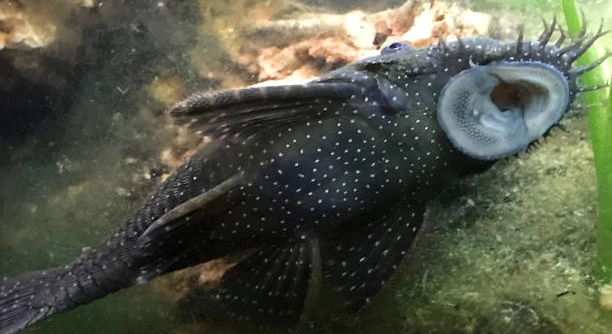
Plecos are fascinating fish that can live for many years with proper care. They need the right environment, diet, and attention to thrive in home aquariums. Keeping them healthy requires consistent effort and observation from their owners.
Maintaining long-term pleco health involves providing a stable and clean tank environment, offering a varied and nutritionally complete diet, monitoring water quality, and addressing behavioral and medical needs promptly. These practices collectively support their growth and longevity.
Following these guidelines will help ensure your pleco remains strong and active. Learning the right care strategies now prevents problems and promotes a happy, healthy fish.
Setting Up the Right Tank
The first step in keeping a pleco healthy is creating a suitable tank environment. I learned early that plecos need more than just water and decorations—they need a habitat that mimics their natural conditions. This means providing enough space for swimming, hiding, and grazing. I use driftwood and smooth rocks, which help them feel secure and give them surfaces to scrape algae. Water quality is crucial, so I make sure to cycle the tank before introducing the fish. Temperature and pH levels must stay consistent, as plecos are sensitive to sudden changes. I also add a gentle filter to maintain clean water without creating strong currents. Observing my pleco’s behavior helps me adjust lighting, décor, and substrate to match what keeps it active and stress-free. Over time, I noticed a happier, more energetic fish once these basics were in place. Regular testing and gradual adjustments make a big difference in their comfort.
Proper tank setup prevents stress and encourages natural behavior, supporting your pleco’s long-term health.
Consistency in tank maintenance reduces disease risk, while proper hiding spots and swimming space improve overall fish activity and comfort.
Feeding for Longevity
Plecos need a diet that balances vegetables, algae, and protein. I make sure to offer fresh greens like zucchini, cucumber, and spinach, along with occasional protein-based pellets.
I rotate foods daily to ensure nutrients are well-balanced and prevent boredom.
Over time, I realized that feeding on a schedule keeps my pleco active and healthy. They appreciate fresh vegetables, which I lightly blanch to make them easier to eat. Algae wafers supplement natural grazing, especially in tanks with limited algae growth. I avoid overfeeding because leftover food can pollute the tank and create unhealthy conditions. Occasionally, I introduce sinking pellets rich in protein to support growth and energy. Observing my pleco during feeding reveals preferences and helps me adjust portions. I also make sure the tank is darkened during rest periods to reduce stress after feeding. A varied diet combined with proper portions leads to a more vibrant pleco and reduces digestive issues, improving their overall lifespan and well-being.
Water Quality Management
Keeping water clean is essential for pleco health. I test my tank weekly for ammonia, nitrites, and nitrates, and perform partial water changes as needed to maintain safe levels.
I’ve learned that consistent water quality prevents stress and disease. Plecos are sensitive to toxins, so I use a reliable filter and avoid overcrowding. Temperature, pH, and hardness need monitoring, as sudden shifts can cause illness. Using a water conditioner removes harmful chemicals from tap water. Over time, maintaining stable conditions keeps my pleco active, vibrant, and free from common infections. Observation helps me notice subtle changes early, so problems can be fixed quickly. Clean water also supports beneficial bacteria, which aids in breaking down waste. By committing to regular testing and changes, I’ve seen fewer health issues and a stronger, more resilient fish.
Regular testing and gradual adjustments in water conditions reduce stress and maintain a healthy environment for your pleco.
Consistent water care improves immunity, reduces disease risk, and encourages natural behavior like grazing and exploring in your pleco.
Tank Decoration and Hiding Spots
Plecos need hiding spots to feel secure. I provide caves, driftwood, and smooth rocks where they can retreat.
Adding natural décor helps reduce stress and supports their natural behaviors.
I noticed my pleco spends a lot of time exploring and resting in these hiding areas. Driftwood serves a dual purpose: it offers shelter and a surface for scraping algae, which plecos enjoy. Smooth rocks and other structures provide resting spots and encourage movement throughout the tank. I rearrange items occasionally to stimulate activity, but I avoid sudden changes that can stress the fish. Soft lighting near hiding spots also helps them feel secure. Over time, a well-decorated tank led to a more confident, active pleco that shows less fear and more interaction with its environment. These small adjustments make a noticeable difference in behavior, growth, and overall health.
Proper decorations and hiding spots foster comfort, reduce stress, and encourage natural grazing and movement in plecos.
Monitoring Health Signs
Watching my pleco closely helps catch issues early. I look for changes in appetite, color, or activity levels.
Behavioral shifts often signal stress or illness. Prompt attention can prevent serious problems.
Preventing Common Diseases
Maintaining clean water, proper diet, and stable tank conditions reduces the risk of disease. I quarantine new fish before adding them to the main tank. Regular observation allows me to detect early signs of fungal infections, fin rot, or parasites. I avoid overcrowding and remove uneaten food to prevent bacterial growth. Vaccinating the tank with beneficial bacteria and keeping temperature and pH stable supports a strong immune system. Over time, these preventive measures have helped my pleco stay active and healthy, reducing the need for medications or stressful treatments.
Regular Tank Maintenance
Routine cleaning, filter checks, and partial water changes are essential. I stick to a weekly schedule to keep the tank safe.
FAQ
How often should I feed my pleco?
I feed my pleco every other day, alternating between fresh vegetables and algae wafers. Overfeeding can pollute the tank and stress the fish, so smaller, controlled portions work best. Observing my pleco’s eating habits helps me adjust the amount naturally over time.
What is the ideal tank size for a pleco?
A minimum of 30 gallons works for smaller species, but larger plecos need 50 gallons or more. I learned that giving them enough space prevents territorial disputes and encourages natural swimming and grazing behaviors. Larger tanks also make water management easier.
Do plecos need special lighting?
Plecos prefer dim lighting because they are mostly nocturnal. I use subdued light during the day and a low-wattage bulb for viewing. Bright lights can stress them and reduce activity, so I keep hiding spots shaded to provide comfort.
Can plecos live with other fish?
Plecos are generally peaceful but can become territorial with their own kind. I’ve found they do well with medium-sized community fish. Avoid aggressive species that may nip fins or compete for food. Proper tank space and décor help reduce conflicts.
What vegetables are safe for plecos?
Zucchini, cucumber, spinach, and peas are staples I feed regularly. I blanch vegetables slightly to soften them and make them easier to eat. Variety is key to prevent nutrient deficiencies, and occasional algae wafers supplement their diet.
How do I know if my pleco is stressed?
Signs include hiding constantly, rapid breathing, loss of appetite, or unusual swimming patterns. I monitor behavior daily. Stress often comes from poor water quality, sudden temperature changes, or overcrowding, so addressing these factors quickly keeps my pleco calm and active.
Should I add driftwood to the tank?
Yes, driftwood serves multiple purposes. My pleco uses it for scraping algae, resting, and hiding. It also slightly lowers pH naturally and provides a source of fiber when chewed. I replace or clean it regularly to avoid decay and maintain hygiene.
How often should I test the water?
I test weekly for ammonia, nitrites, nitrates, and pH. Sudden changes can make plecos sick, so consistent monitoring allows early adjustments. Using a reliable test kit ensures accuracy and helps maintain a safe environment for long-term health.
Do plecos need a heater?
It depends on the species. Most plecos thrive in 72–78°F (22–26°C). I use a heater to maintain consistent temperature, especially in cooler climates, as fluctuations can stress the fish and reduce immunity. Stability is more important than high temperature.
What should I do if my pleco stops eating?
First, check water quality and temperature. If these are stable, I try offering different vegetables or algae wafers. Illness may be a factor, so I monitor behavior closely and quarantine if necessary. Patience is important, as plecos sometimes skip meals naturally without risk.
Can plecos reproduce in a home tank?
Yes, but they need proper conditions: stable water, caves for hiding, and the right diet. I’ve noticed that some species require dim lighting and minimal disturbance to trigger breeding. Successful reproduction often takes months of careful observation and preparation.
How do I clean the tank without stressing my pleco?
I perform partial water changes and clean decorations gently. Using a soft net and moving slowly prevents sudden stress. I avoid overhandling and maintain stable conditions during maintenance. My pleco responds well when I keep cleaning routine calm and predictable.
Is algae necessary for plecos?
Algae is a natural part of their diet, but I supplement with vegetables and wafers because most tanks do not provide enough. My pleco actively grazes on algae when available, but balanced feeding ensures it gets all necessary nutrients.
How long do plecos live?
With proper care, many plecos live 10–15 years or longer. I focus on consistent water quality, a balanced diet, and a stress-free environment. Observing behavior, adjusting care, and keeping the tank stable contributes significantly to longevity.
What should I avoid in pleco care?
I avoid overcrowding, sudden water changes, rough décor, and overfeeding. Harsh chemicals or untreated tap water can harm them. Consistency, patience, and observation are far more effective than reactive treatments. Proper care prevents most common problems before they arise.
Are plecos nocturnal?
Yes, most are active at night. I feed them late in the day or during dim lighting periods. Observing nocturnal activity helps me understand their habits and provides opportunities to ensure they are eating and active without disturbing their routine.
Can plecos survive in brackish water?
Some species tolerate slight brackish conditions, but most prefer freshwater. I stick to freshwater unless the species specifically requires brackish water. Sudden changes can stress or harm them, so I research species needs carefully before making adjustments.
How often should I replace the filter media?
I replace filter media every 4–6 weeks but rinse it in tank water during changes to preserve beneficial bacteria. Maintaining filtration ensures clean water without disrupting the tank’s biological balance, which is crucial for pleco health.
Do plecos need companions?
Most plecos are solitary and do fine alone. I keep one pleco per tank or ensure plenty of space for multiple fish to reduce stress. Too many plecos can lead to territorial disputes, so observing interactions is essential.
What is the best substrate for plecos?
I use smooth gravel or sand to protect their sensitive undersides. Rough or sharp substrates can cause injury. A soft substrate also allows natural grazing and burrowing behavior, keeping my pleco comfortable and active.
How do I encourage algae growth in the tank?
I allow some light exposure and avoid over-cleaning surfaces. Algae growth provides a natural food source, and my pleco enjoys scraping it. Balancing algae with supplemental feeding ensures they get proper nutrition without overgrowth causing water quality issues.
Can plecos adapt to different water types?
They adapt slowly to minor pH or hardness changes, but I avoid rapid shifts. I gradually acclimate new fish to the tank using drip or float methods. Patience prevents stress and supports a stable transition, which is crucial for long-term health.
How do I tell the difference between pleco species?
Patterns, size, and fin shape are key identifiers. I also consider behavior and preferred water conditions. Researching species needs ensures proper tank setup and diet, helping prevent health issues related to mismatched environments.
Are plecos compatible with plants?
Some plecos may nibble on soft plants. I choose hardy species or provide extra vegetables to reduce plant damage. Driftwood and rocks also provide alternative surfaces for grazing, protecting delicate plants while keeping the pleco nourished.
What is the best temperature range for plecos?
Most prefer 72–78°F (22–26°C). I monitor water closely with a thermometer, especially in seasonal changes. Stable temperature supports metabolism, immunity, and overall activity, helping my pleco stay healthy year-round.
How do I prevent fin rot?
I prevent fin rot by keeping water clean, avoiding overcrowding, and monitoring fish interactions. Regular partial water changes and prompt removal of uneaten food minimize bacteria growth. Observation is key, as early detection allows treatment before severe damage occurs.
How do I handle a sick pleco?
I isolate the fish in a quarantine tank and test water first. Identifying the specific problem allows targeted treatment. I adjust diet, water conditions, and apply medications if necessary. Reducing stress and maintaining cleanliness speeds recovery and protects other tank inhabitants.
How can I tell if my pleco is getting enough fiber?
I observe feces and feeding behavior. Driftwood helps provide fiber naturally, while vegetables and peas supplement. Proper fiber prevents digestive issues and supports overall gut health, keeping my pleco active and comfortable.
What should I do if my pleco scratches against objects?
Scratching can indicate irritation, parasites, or rough décor. I check water quality, inspect for signs of infection, and ensure decorations are smooth. Adjusting these factors usually resolves the issue, allowing the pleco to graze and explore safely.
How important is routine observation?
Daily observation is essential. I can notice subtle changes in behavior, appetite, or coloration. Early detection allows quick intervention, preventing minor issues from becoming serious health problems. Observation keeps my pleco thriving in a stable, comfortable environment.
How do I manage tank cleaning with multiple plecos?
I stagger cleaning tasks and use partial water changes to minimize disruption. Each pleco has its hiding spots, so careful movement and minimal handling reduce stress while maintaining overall tank hygiene and water quality.
How can I extend my pleco’s lifespan?
Consistent care, a balanced diet, stable water conditions, and regular observation are key. Avoiding stress, providing proper hiding spots, and preventing disease all contribute to a longer, healthier life. I’ve seen plecos live over a decade with patient, consistent care.
Are plecos sensitive to chemical treatments?
Yes, many medications or chemicals can harm them. I carefully research treatments and use pleco-safe options when necessary. Slow adjustments and proper dosing prevent toxicity, keeping the fish safe while addressing health concerns effectively.
What is the best way to introduce new plecos to an existing tank?
I quarantine new fish and gradually acclimate them using a drip or float method. I rearrange décor slightly to reduce territorial aggression, ensuring a smooth transition. Patience and monitoring help prevent stress and conflicts with established fish.
Can plecos survive in cold water?
Most plecos struggle below 70°F (21°C). I use a heater in cooler climates to maintain stable temperatures. Sudden drops can weaken their immune system, so maintaining warmth is essential for long-term health and activity.
How do I prevent boredom in plecos?
I provide varied décor, hiding spots, and occasional rearrangement. Rotating vegetables and algae wafers adds interest. Observing their interaction with the environment helps me adjust the tank, keeping the pleco active, stimulated, and healthy over time.
Do plecos require salt treatments?
Some mild treatments can help with parasites, but I use them cautiously. I prefer freshwater solutions unless a specific condition requires salt. I monitor behavior closely to avoid stress or negative effects on the fish.
What is the best way to acclimate plecos to a new tank?
I float the bag in the tank for temperature adjustment and slowly add tank water over several hours. Gradual acclimation reduces stress, allows adjustment to pH and hardness, and improves overall health during the transition.
Can plecos cohabit with shrimp or snails?
Yes, most plecos coexist peacefully with shrimp or snails. I ensure enough hiding spaces and monitor interactions, as some species may occasionally nibble. Proper tank setup reduces conflicts and supports a harmonious community environment.
How do I prevent my pleco from overeating?
I control portion size and remove uneaten food promptly. Observing feeding behavior helps me gauge appetite, and rotating vegetables and wafers prevents overfeeding while ensuring proper nutrition without polluting the tank.
Are plecos active during the day?
Mostly nocturnal, plecos may explore lightly during daylight. I respect their rest periods and provide dim areas, which keeps them stress-free while maintaining natural behavior patterns and overall health.
Do plecos need water movement?
They enjoy gentle currents, which simulate rivers. I adjust the filter to avoid strong flow that causes stress. Subtle movement improves oxygenation and encourages natural activity without overwhelming the fish.
What is the best cleaning routine for a pleco tank?
Weekly partial water changes, gentle substrate vacuuming, and filter checks are ideal. I clean décor carefully to preserve algae and bacteria. A consistent routine keeps the tank safe, supports pleco health, and reduces disease risk.
Can plecos tolerate tap water?
Yes, if treated with a conditioner. Untreated tap water may contain chlorine or chloramines, which can harm them. I always condition new water before adding it, maintaining stable parameters for long-term health.
How do I encourage natural grazing behavior?
I provide driftwood, algae surfaces, and vegetables. My pleco spends time scraping and nibbling, which keeps it active and supports digestive health. Encouraging natural behavior contributes to a happier, healthier fish over time.
Are plecos prone to obesity?
Yes, overfeeding can lead to weight gain. I control portions and vary the diet. Observing body condition helps me adjust feeding and ensures long-term health and mobility.
Can plecos live in small tanks temporarily?
Short-term confinement may be tolerated, but long-term small tanks stress plecos. I avoid keeping them in restricted spaces, providing proper room to swim, graze, and exhibit natural behaviors.
Do plecos require routine veterinary care?
While not always necessary, consulting an aquatic vet for unusual symptoms or illness helps prevent serious issues. I rely on observation, water quality, and diet for routine care, seeking professional guidance only when needed.
How do I know when to upgrade the tank?
If the pleco becomes cramped, growth slows, or behavior changes, it’s time for a larger tank. I monitor size and activity to ensure they have sufficient space for long-term health and comfort.
Can plecos live with aggressive fish?
No, aggressive fish can stress plecos and cause injury. I separate species prone to aggression and monitor interactions to ensure a peaceful, safe environment for long-term care.
What is the best way to deal with pleco aggression?
Providing multiple hiding spots, proper tank size, and monitoring interactions reduces aggression. I intervene only when necessary and maintain a structured environment that encourages natural, non-aggressive behavior.
How do I prevent plecos from scraping against tank glass?
Scraping may indicate irritation or boredom. I check water quality, smooth décor, and provide enrichment like driftwood. Proper care and stimulation reduce harmful behavior and keep the pleco comfortable.
Do plecos need vitamins or supplements?
Occasionally, I provide fortified wafers or vegetables to ensure complete nutrition. Over-supplementing isn’t necessary if diet is balanced. Careful selection supports growth, immunity, and long-term vitality without overloading the fish.
How do I recognize signs of aging in plecos?
Slower swimming, faded color, or less grazing may indicate age. I adjust diet, monitor health closely, and maintain stable conditions to support comfort and longevity as the pleco matures.
Can plecos survive in fluctuating water conditions?
Sudden changes are harmful. I focus on gradual adjustments and stable maintenance to prevent stress, illness, and weakened immunity. Consistency in environment is crucial for long-term survival.
What is the best way to move a pleco?
I use a soft net or container with tank water, avoiding rough handling. Slow, careful transfer reduces stress and prevents injury during relocation.
How do I identify parasites on plecos?
Signs include scratching, spots, or unusual swimming. I inspect visually and quarantine if needed. Early detection allows treatment before infection spreads, keeping the fish safe.
Do plecos need a varied diet?
Yes, variety ensures balanced nutrition. I rotate vegetables, algae wafers, and occasional protein sources. A diverse diet supports growth, immunity, and overall health.
How often should I inspect decorations and driftwood?
I check weekly for decay, sharp edges, or algae overgrowth. Maintenance ensures safety, hygiene, and proper grazing surfaces for the pleco’s long-term health.
What is the most important factor for pleco longevity?
Stable water conditions, balanced diet, proper tank size, and stress reduction. Consistent care, observation, and prevention make the biggest difference over years. I’ve seen careful attention extend lifespans significantly.
Can plecos tolerate occasional water parameter fluctuations?
Minor, gradual changes are usually manageable, but rapid shifts stress the fish. I maintain slow adjustments to pH, temperature, or hardness to keep the pleco healthy.
How do I manage plecos during power outages?
I use battery-operated aerators to maintain oxygen. I avoid feeding during prolonged outages and monitor temperature. Quick action prevents stress and keeps the tank environment stable.
Do plecos need enrichment activities?
Yes, hiding spots, driftwood, and varied food keep them stimulated. I’ve noticed increased activity and grazing when their environment provides engagement, which supports overall well-being.
How do I prevent algae overgrowth?
I balance lighting, avoid overfeeding, and perform regular water changes. Algae serves as food, but excess can harm water quality and stress plecos. Controlled growth supports health and natural grazing behavior.
Can plecos adapt to new tank mates?
Slow introductions, proper space, and monitoring reduce stress. I adjust décor and feeding to prevent competition and ensure a harmonious community. Patience is key for safe adaptation.
How do I tell if a pleco is healthy?
Active grazing, clear eyes, smooth fins, and steady swimming are signs. I watch behavior, appetite, and coloration daily. Any deviations prompt water testing or observation for illness.
Can plecos live alone?
Yes, they are often solitary. I provide adequate hiding spots and stimulation to keep them active. Loneliness rarely affects health if the environment is enriching.
How important is filtration for plecos?
Essential. I use a reliable filter to remove waste and maintain water quality. Proper filtration reduces disease risk and supports long-term health, allowing the pleco to thrive in a stable environment.
How do I handle sudden illness?
I isolate the pleco, check water parameters, and apply targeted treatment. Reducing stress and monitoring closely aids recovery while preventing spread to other fish.
Are plecos sensitive to sudden noises or vibrations?
Yes, sudden disturbances can stress them. I minimize vibrations and loud activity near the tank. Stable surroundings support natural behavior and overall health.
Do plecos need specific minerals?
Calcium and other trace elements support bone and fin development. I provide a balanced diet with driftwood, vegetables, and fortified wafers to meet these needs naturally.
How do I encourage exercise in plecos?
Providing space to swim, driftwood to explore, and hiding spots encourages movement. I occasionally rearrange décor to stimulate activity, which supports muscle tone and overall health.
Can plecos tolerate long periods without food?
Short periods are manageable, but consistent feeding is best. I ensure a reliable diet and avoid prolonged fasting, which can weaken immunity and reduce activity.
How do I maintain a stress-free tank environment?
Stable water, proper décor, compatible tank mates, and controlled lighting help. I monitor behavior and adjust as needed to reduce stress and encourage healthy activity.
Are plecos sensitive to water hardness?
Yes, extreme hardness can affect health. I maintain moderate levels suitable for the species, testing regularly and adjusting gradually if needed.
What is the best way to prevent disease outbreaks?
Clean water, balanced diet
Caring for a pleco requires patience, consistency, and attention to detail. These fish are resilient, but they thrive only when their basic needs are met. Over time, I learned that providing a stable environment, proper nutrition, and sufficient space makes a big difference in their overall health. Plecos are sensitive to water quality, temperature changes, and stress, so maintaining clean water and monitoring tank conditions is essential. Simple habits like weekly water testing, partial water changes, and checking the filter help prevent problems before they become serious. Observing the fish regularly allows me to notice small changes in behavior or appearance that might indicate stress or illness. These small efforts, done consistently, build the foundation for a long and healthy life for my pleco.
A balanced diet plays an equally important role in long-term health. Plecos need a combination of fresh vegetables, algae, and supplemental protein sources. I make sure to rotate foods and provide a variety of options to prevent nutrient deficiencies and boredom. Vegetables such as zucchini, cucumber, and spinach provide fiber and essential nutrients, while algae wafers supplement natural grazing when the tank does not have enough algae growth. I learned that overfeeding can be just as harmful as underfeeding, so portion control is key. Watching my pleco’s feeding behavior helps me adjust the diet over time and ensure it receives everything it needs. By keeping nutrition consistent and balanced, I have seen my pleco remain active, vibrant, and healthy for years, showing the positive results of proper care.
Creating a comfortable tank environment is also essential for long-term well-being. Hiding spots, driftwood, smooth rocks, and proper substrate give plecos security and encourage natural behaviors like grazing and exploring. I make sure to arrange the tank thoughtfully, leaving enough open space for swimming while providing shaded areas for resting. Lighting should be subdued, reflecting their nocturnal nature, and tank mates should be chosen carefully to avoid stress or aggression. Regular observation allows me to make adjustments when needed, such as adding new hiding spots or rearranging décor to stimulate activity. In addition, preventing overcrowding and maintaining a calm environment helps reduce stress and supports the immune system. By combining these practices—stable water, balanced diet, and a thoughtfully arranged tank—I have been able to keep my pleco healthy, active, and thriving for many years. Long-term care is about attention to detail and consistency, and these steps provide a clear roadmap for anyone who wants to support the health and longevity of their pleco.

Hello,
If you enjoy the content that we create, please consider saying a "Thank You!" by leaving a tip.
Every little bit helps us continue crafting quality advice that supports the health, happiness, and well-being of pets around the world, for pets of all shapes, sizes, and species.
We really appreciate the kindness and support that you show us!