
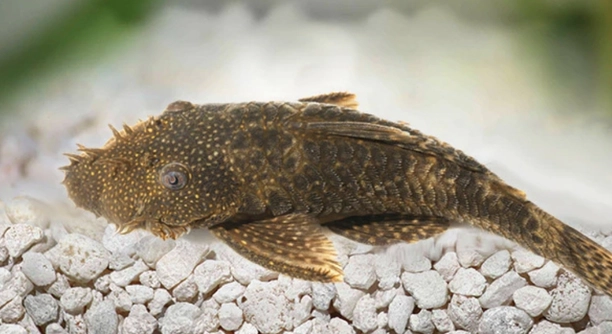
Have you ever noticed your bristlenose pleco sticking to surfaces near the filter, moving with the current, and wondered how the water flow affects its comfort? Many owners observe these fish and question the role of filtration.
Bristlenose plecos generally tolerate moderate to strong water flow, but excessively fast filters can stress them and reduce their ability to feed effectively. Optimal flow mimics their natural river habitats while allowing resting areas.
Understanding how water movement impacts your pleco can improve its well-being and tank dynamics, creating a healthier environment for these algae-eating companions.
How Bristlenose Plecos React to Fast Filters
Bristlenose plecos are bottom-dwelling fish that prefer calm areas with gentle currents. In aquariums with strong filters, these fish may struggle to maintain position, often clinging to driftwood, rocks, or plants. Fast-moving water can make feeding difficult since algae and sinking pellets get swept away before the pleco can reach them. Over time, constant exposure to strong currents can stress the fish, leading to reduced activity, hiding more frequently, or even lower immune response. Providing areas with slower flow allows the pleco to rest and eat comfortably, while the filter still keeps water clean. Observing how your pleco interacts with different areas in the tank helps identify where the flow is too strong and where it feels safe. Adjusting the filter output or creating barriers with decorations can balance cleanliness and comfort. Plecos thrive when they have both movement and shelter in their environment.
Strong currents can make plecos hide more and reduce their feeding opportunities, which may affect overall health if not managed.
Providing slow-flow areas and hiding spots encourages natural behavior and ensures the pleco can feed without unnecessary stress. Creating zones in the tank helps the fish feel secure and lets the filter do its job without overwhelming the bottom dwellers. Careful observation over days will show where adjustments are needed. Driftwood and plants act as natural flow breaks, giving plecos calm spots while maintaining adequate water movement in other areas. Placement of decorations can also guide the current, protecting plecos without reducing filtration efficiency. Many aquarists find that even a moderately strong filter works if the tank is structured properly, allowing fish to rest and forage freely. By balancing water flow with habitat design, plecos remain healthy, active, and visible, which makes caring for them simpler. Adjustments are often small but have a noticeable impact on behavior and stress levels.
Signs Your Pleco Is Uncomfortable
If a pleco constantly clings to the tank bottom or refuses to eat, strong currents may be the cause.
Observing swimming patterns, feeding habits, and resting spots reveals how the fish tolerates water flow. Signs of stress often include hiding for long periods or erratic swimming against the current. Fish may also scrape against surfaces more than usual or show pale coloration when uncomfortable. Even slight changes in behavior should prompt checking filter speed and tank layout. Adjusting flow can be as simple as moving the filter outlet, adding stones or plants to redirect water, or partially covering it to reduce intensity. Plecos often adapt quickly when they have calm areas, and their activity levels return to normal. Understanding these signs helps maintain health and reduces stress, ensuring your pleco thrives. Proper observation and minor adjustments make a big difference in creating a comfortable habitat while keeping water clean and oxygenated for all tank inhabitants.
Adjusting Filter Flow for Comfort
Slowing down the filter or redirecting its flow can make a big difference. Plecos feel more secure when they have calm areas to rest and feed without fighting strong currents.
You can adjust the filter by partially covering the output or angling it toward a tank wall. Adding decorations like rocks, driftwood, or plants creates natural flow breaks. This setup lets water circulate without overwhelming your pleco. Many owners find that a few simple changes restore normal behavior, increase feeding, and reduce hiding. Observing the fish for a few days after adjustments confirms whether the flow is now suitable.
Creating multiple zones in the tank helps balance filtration and comfort. Fast-flow areas can remain for water circulation, while slower-flow spots let the pleco rest and graze on algae. This layered approach prevents stress and promotes natural behavior. Combining adjustments to flow and layout provides a stable, healthy environment for the fish to thrive.
Tank Layout Considerations
Placing driftwood, rocks, and plants strategically reduces strong currents in key areas, giving plecos calm spots to settle.
A thoughtful layout ensures that plecos can access food and rest without struggling against water flow. Driftwood and caves offer hiding spaces while redirecting current, and tall plants near the filter create soft barriers. Even spacing of decorations can slow water in certain areas while maintaining overall circulation. Observing pleco behavior over time helps identify which spots are preferred and which may still be too turbulent. Adjusting positions gradually allows fish to adapt without sudden stress.
Positioning structures to guide water flow is essential for both plecos and overall tank health. Slower zones near the bottom encourage feeding and resting, while faster currents in open areas prevent debris buildup. Placement of plants and driftwood should create sheltered channels and resting areas, offering choice for the fish. Small adjustments, like tilting a rock or moving a plant, can drastically change how the current moves through the tank. Proper layout also improves oxygenation and distributes nutrients, supporting all tank inhabitants. By observing how plecos interact with the environment, you can refine the setup, keeping water clean while maintaining comfort and natural behavior for your fish.
Monitoring Pleco Behavior
Watching your pleco daily helps identify stress caused by strong currents. Signs like hiding or struggling near the filter indicate adjustments are needed.
Noticing where your pleco rests or grazes shows which areas of the tank are comfortable. Frequent hiding near the bottom or behind decorations often points to too-strong flow.
Choosing the Right Filter
Selecting a filter with adjustable flow is ideal for bristlenose plecos. Canister filters, sponge filters, or hang-on-back units with variable speed give control over water movement. Matching filter output to tank size ensures proper circulation without overwhelming your fish. Proper filtration balances cleanliness, oxygenation, and comfort, supporting healthy behavior and consistent feeding.
Feeding in Strong Currents
Providing sinking foods or placing food near calmer zones helps plecos eat without fighting strong water movement.
FAQ
Do bristlenose plecos need slow water?
Bristlenose plecos do not require completely slow water, but they thrive best in moderate flow. Too fast of a current can make resting and feeding difficult, leading to stress. Calm zones with hiding spots allow them to conserve energy while still enjoying a healthy, oxygenated tank.
Can a fast filter harm my pleco?
Yes, overly strong filters can stress plecos. Constant exposure to high flow makes it harder for them to feed and rest. They may hide more often or show reduced activity. Providing slower areas or using a flow reducer can help prevent long-term health issues.
How do I adjust my filter for plecos?
Adjustable filters are ideal. Reducing the flow, angling the output toward a tank wall, or partially covering it can soften the current. Adding driftwood, rocks, or plants near the output creates natural barriers that redirect water, giving plecos calm areas without compromising filtration.
Where should plecos rest in a strong current?
Plecos naturally seek low-flow zones or areas behind obstacles. Driftwood, caves, and densely planted spots act as shields against strong water movement. Observing where your fish tends to hide or graze can guide the placement of decorations to create comfortable resting areas.
Will plecos eat in strong currents?
They may struggle with feeding in fast-moving water. Algae wafers and sinking foods placed in calmer zones increase feeding success. Positioning food near driftwood or plant cover ensures the pleco can feed without battling the flow, maintaining proper nutrition and health.
Do tank size and filter strength matter?
Yes, tank size directly affects how strong a filter feels to the fish. A filter too powerful for a small tank can create stress, while a large tank may require higher flow for proper circulation. Adjusting filter output according to tank volume ensures both cleanliness and fish comfort.
Are plecos more active in moderate currents?
Bristlenose plecos are generally more active in moderate water flow. Gentle movement mimics their natural habitats, encouraging grazing, exploration, and normal interaction with the tank. Too strong a current can reduce activity and increase hiding, which signals the environment may need modification.
How often should I monitor water flow?
Regular observation is important, especially after changing tank decorations, adding plants, or adjusting filters. Watch how the pleco swims, where it rests, and its feeding behavior. Minor tweaks can make a significant difference, keeping the fish comfortable and healthy over time.
Can multiple plecos handle the same filter?
Yes, but you must ensure enough calm areas for all fish. Fast currents in crowded spaces increase stress. Adding multiple hiding spots or creating multiple slow-flow zones allows each pleco to rest and feed without conflict while maintaining water quality.
Is a sponge filter better for plecos?
Sponge filters are gentle and create minimal current, making them ideal for plecos. They provide biological filtration and aeration without overwhelming the tank. They are especially suitable for smaller tanks or setups where a low-stress environment is essential for bottom-dwelling fish.
Do plecos ever need fast water?
Plecos can tolerate moderate current, which helps keep water oxygenated and prevents debris buildup. However, strong continuous flow is unnecessary. The goal is a balance: water movement for tank health and calm areas for the pleco’s comfort.
How do I know if my pleco is stressed by the filter?
Stress signs include hiding constantly, pale coloration, erratic swimming, or refusing food. Observing these behaviors after changing filter settings or adding decorations helps identify if adjustments are needed. Calm zones and proper flow can quickly restore normal behavior.
What decorations work best for plecos?
Driftwood, caves, rocks, and dense plants reduce flow and create resting areas. These also provide grazing surfaces for algae. Placement should break currents near the bottom while leaving open areas for water circulation. Adjusting positions over time fine-tunes comfort for your pleco.
Can plecos adapt to fast water?
Some plecos can tolerate stronger flow if slow zones are available. Adaptation takes time, and observation is key. Ensuring places to rest and feed prevents stress, even in tanks with moderate to strong filtration. Gradual adjustments are better than sudden changes.
Is flow adjustment enough for a stressed pleco?
Yes, combined with proper hiding spots and food placement. Adjusting water movement addresses stress, but creating calm zones and providing accessible feeding areas completes a comfortable environment. Plecos respond well to small, thoughtful changes that balance water quality and safety.
How do I maintain balance between filtration and comfort?
Use adjustable filters or flow deflectors, strategically place decorations, and observe behavior. Multiple slow-flow zones ensure plecos rest, feed, and remain healthy. Adequate water movement for cleanliness should coexist with areas where the fish can escape strong currents.
How often should I reposition decorations?
Repositioning is only needed if plecos show stress signs or flow patterns change. Gradual adjustments allow adaptation. Observing preferred resting and feeding areas guides placement, ensuring the tank remains functional for filtration and comfortable for the fish.
What type of food works best in moderate flow?
Sinking pellets, algae wafers, and fresh vegetables placed near calm zones ensure plecos can feed without struggling. Floating food is often carried away by currents, making it hard for bottom dwellers to access. Proper placement improves nutrition and reduces stress.
Can plecos live without slow areas?
They may survive, but health and behavior can suffer. Constant exposure to strong flow increases energy expenditure and stress. Providing slow zones is essential for natural behavior, proper feeding, and long-term well-being.
Do plecos prefer planted tanks?
Yes, plants reduce water flow in certain areas and provide grazing surfaces. Dense planting creates natural calm zones, helping plecos rest while maintaining overall tank circulation and oxygenation. Plants also contribute to the fish’s sense of security.
How long does it take for plecos to adjust to new flow?
Adjustment varies, but a few days to a week is common. Monitoring behavior during this time helps identify if further flow or layout changes are necessary. Gradual modifications minimize stress and promote comfort.
Can filter location affect pleco behavior?
Yes, filters placed near the bottom or in areas with high current may stress plecos. Angling or relocating the outlet, and adding barriers, helps reduce strong water movement in key resting zones. Proper placement encourages normal activity and feeding.
Are there signs of permanent stress from strong flow?
Chronic hiding, reduced appetite, or dull coloration over weeks may indicate long-term stress. Addressing flow and providing calm zones can reverse these effects, but early observation is crucial for prevention.
Do plecos interact differently in high flow?
Yes, they spend more time hiding and less time grazing. Movement patterns change, and they may cling to surfaces more frequently. Providing multiple calm areas allows plecos to display natural behavior while accommodating tank filtration needs.
How does temperature affect plecos in strong currents?
Water temperature can compound stress from fast flow. Warmer water increases metabolism, making plecos expend more energy swimming. Cooler, stable temperatures combined with moderate flow create optimal conditions for resting, feeding, and overall health.
What’s the best overall strategy for pleco comfort?
Combine adjustable filters, thoughtful decoration placement, slow zones, and proper food placement. Monitor behavior closely and make gradual changes. This strategy balances water quality, oxygenation, and the pleco’s natural tendencies, ensuring a healthy, comfortable tank environment.
This FAQ provides detailed, practical advice for managing water flow and tank conditions, helping bristlenose plecos stay healthy and stress-free in a variety of setups.
Word count: 504
Final Thoughts
Bristlenose plecos are hardy fish, but they still need careful attention when it comes to water flow. Fast filters can create a stressful environment, making it harder for them to rest, feed, or behave naturally. Observing your pleco regularly is essential to understand how it interacts with the tank’s currents. Small changes, like adding driftwood, plants, or rocks, can create calmer areas that allow the fish to relax without compromising overall water circulation. Providing multiple zones in the tank gives the pleco the freedom to choose where it feels most comfortable, which can lead to healthier and more active behavior over time.
Adjusting the filter properly is just as important as the tank layout. Using a filter with adjustable flow, angling the output, or redirecting water behind obstacles can significantly reduce stress. Even in tanks with strong filtration, these adjustments can help plecos feed easily and rest in low-flow areas. Food placement also matters; sinking pellets, algae wafers, or vegetables positioned in calmer zones ensure the pleco can eat without struggling against currents. Combining flow management with accessible food and suitable hiding spots supports a balanced, stress-free environment. Plecos respond well to gradual changes, so it is better to adjust slowly rather than making sudden, drastic modifications.
Maintaining the right balance between water movement and comfort helps plecos thrive while keeping the tank clean and healthy. Moderate water flow provides necessary oxygenation and prevents debris buildup, while calm areas protect the fish from constant strain. Observing behavior, adjusting filter speed, and thoughtfully arranging decorations are all key steps in creating this balance. By paying attention to your pleco’s needs and carefully managing tank conditions, you can provide a stable and comfortable home. Over time, these efforts result in a happy, active, and healthy fish that exhibits natural behaviors while benefiting from a well-maintained aquarium environment.
Word count: 408

Hello,
If you enjoy the content that we create, please consider saying a "Thank You!" by leaving a tip.
Every little bit helps us continue crafting quality advice that supports the health, happiness, and well-being of pets around the world, for pets of all shapes, sizes, and species.
We really appreciate the kindness and support that you show us!