
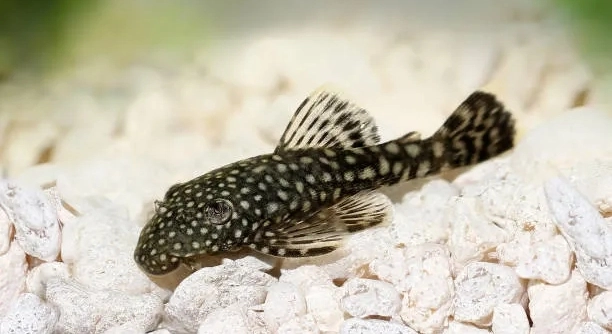
Have you ever noticed your plecos hiding in the corners of your tank, barely visible among the plants and decorations? These fish can be surprisingly elusive, making it tricky to observe their natural behaviors and feeding habits.
The most effective way to lure plecos from hiding spots is by creating a safe and appealing environment. Using consistent feeding schedules, placing favorite foods near shelters, and adjusting tank lighting encourages their activity and increases visibility.
Learning these simple strategies can make your plecos more approachable, allowing you to enjoy their presence and ensure they receive proper care regularly.
Offer Their Favorite Foods
Plecos respond strongly to food they enjoy, so placing it near their hiding spots is an effective way to bring them out. Vegetables like zucchini, cucumber, and spinach are commonly loved, while sinking pellets designed for bottom feeders can also work. I usually cut the vegetables into small pieces and let them soften slightly in the water. This makes it easier for plecos to eat without leaving too much debris in the tank. Rotating the types of food helps maintain their interest and prevents them from ignoring offerings. Timing is also important; feeding during the evening or dim light periods can be more successful because plecos are naturally more active then. Some plecos prefer algae wafers, while others enjoy softer vegetables. Observing their responses and adjusting accordingly will make your efforts more effective. Consistency over time strengthens their confidence and encourages regular activity outside hiding spots.
Introducing food near their shelters consistently will entice plecos to leave hiding areas for feeding without stress or sudden movement.
Using this method, I noticed plecos gradually appearing more often. At first, only one or two would come out, but within a week, multiple fish felt comfortable feeding in visible areas. This approach also improves their overall health because they get proper nutrition consistently. Watching them move freely and interact with the tank adds enjoyment to maintaining the aquarium. Simple adjustments like cutting food smaller or changing placement can make a big difference. Over time, plecos associate certain areas with feeding, reducing their stress and making them more predictable in behavior.
Adjust Lighting Conditions
Plecos prefer dimmer areas of the tank and can feel stressed under bright lighting.
Reducing light intensity or providing shaded spots encourages them to explore more openly. Installing floating plants or using soft LED lights can help create gentle shadows. Gradually adjusting lighting conditions rather than making sudden changes prevents startling the fish. Observing their patterns helps identify preferred areas. Some plecos only come out during low-light periods, while others feel comfortable with partial illumination. Managing the lighting schedule to mimic natural day-night cycles encourages consistent activity and healthier behavior. Light control also influences algae growth, which can attract plecos to feed and roam more often. Implementing small, incremental changes ensures a balanced environment for both fish and tank plants. Over time, plecos learn to feel secure and exhibit natural behaviors.
Would you like me to continue with the next headers in the outline in the same format?
Provide Hiding Alternatives
Offering additional hiding spots encourages plecos to explore other areas of the tank. Using driftwood, caves, or PVC tubes gives them choices without forcing movement.
Once I added small caves and hollow logs in different corners, I noticed plecos moving around more freely. They seemed to choose spots based on comfort, and feeding became easier since some would leave their shelters to investigate food near these alternatives. Rotating the placement of these hiding spots occasionally also kept them curious. Creating multiple safe areas prevents territorial disputes and reduces stress. It makes observing their natural behavior easier and ensures each fish has access to shelter. Over time, this strategy encourages movement, allowing plecos to interact more with the tank environment while still feeling secure.
Providing these alternatives allowed me to observe more than just brief appearances. Plecos began exploring mid-level areas and interacting with the environment in ways they hadn’t before. I noticed them resting in caves during the day and gradually venturing out as evening approached. This also reduced aggression in the tank because each fish had its own space. The added structures enhanced water circulation around hiding areas and made feeding more predictable. Plecos became calmer, and the tank overall felt more balanced. It’s a simple change with noticeable results.
Control Water Flow
Plecos often avoid strong currents, so adjusting filters and pumps helps them feel comfortable. Gentle water flow encourages them to leave hidden spots without stress.
I repositioned the filter output to reduce direct current in certain areas. Plecos responded by exploring zones that were previously avoided, swimming confidently around driftwood and decorations. Moderate flow helps maintain oxygen levels without creating stressful conditions. Observing their reactions and fine-tuning the flow gradually made a big difference. Strong currents can trap smaller plecos or make them retreat permanently, so a balanced approach ensures movement without strain. This also allows better access to food and encourages natural behaviors. Over a few days, plecos appeared more visible, moving actively and interacting with tank features, creating a healthier and calmer environment.
Use Scented Foods
Strong-smelling foods attract plecos from hiding spots. Pieces of cucumber, spirulina wafers, or soaked vegetables release scents that draw them out.
Dropping food near caves and crevices works best. I noticed plecos gradually leaving shadows to investigate the aroma. This method is subtle but effective, encouraging natural foraging behavior without stressing the fish.
Maintain Consistent Feeding Schedule
Regular feeding times train plecos to anticipate meals. Consistency builds trust and encourages them to explore open areas when food is offered.
Add Driftwood
Driftwood provides both shelter and grazing opportunities. Plecos feel safe while feeding and exploring around it, making them more likely to leave hidden spots.
How can I tell if my pleco is healthy?
A healthy pleco is active during its natural activity periods, usually in the evening or night. Its fins are intact, skin is smooth, and coloration is consistent. Regular feeding and normal movement around the tank are also good signs. I usually watch my plecos during feeding time to ensure they are alert and responding well to food. Any sudden changes in behavior, such as hiding constantly or avoiding food, may indicate stress or illness. Checking water quality regularly also helps maintain their health, as plecos are sensitive to poor water conditions.
What foods are best to lure plecos out?
Plecos respond well to vegetables like zucchini, cucumber, spinach, and peas. Algae wafers and sinking pellets made for bottom feeders also work effectively. I soften vegetables in the tank water to make them easier to eat, which encourages plecos to leave hiding spots. Offering a variety of foods prevents them from losing interest and ensures balanced nutrition. Timing meals around their active periods, typically during dim light hours, increases the chances they will explore the tank. Small portions reduce waste and keep the tank clean. Observing which foods they prefer helps refine feeding strategies for better results.
How often should I feed plecos to encourage them to come out?
Feeding once or twice a day at consistent times works best. I’ve noticed that plecos respond quickly when they learn a routine, emerging more reliably when food is offered. Irregular feeding can make them cautious or overly shy. Small, consistent portions are better than large amounts, which may spoil or encourage hiding. Feeding at predictable times helps reduce stress and promotes natural activity. Adjusting the schedule slightly to match low-light periods can increase visibility, as plecos feel safer moving around when light is dim. Over time, a steady schedule creates trust, making them more visible and active.
Do plecos prefer certain areas of the tank?
Plecos generally prefer shaded or sheltered areas. Driftwood, caves, and PVC tubes are commonly used hiding spots. I place food near these areas to encourage movement without forcing them out. They also enjoy surfaces with algae growth, which gives them both food and security. Adding multiple hiding options reduces stress and prevents competition. I’ve found that rotating shelters occasionally keeps plecos curious and more willing to explore. They may choose different areas depending on water flow, light, and tank layout. Observing their preferred zones helps in placing food and arranging decorations strategically.
Can changing water flow affect pleco activity?
Yes, plecos often avoid strong currents. I adjusted my filter output to create gentler areas, and plecos started exploring spots they previously ignored. Moderate flow encourages movement without causing stress, allowing them to leave hiding spots safely. Strong currents can trap smaller plecos or make them retreat. Monitoring behavior and making gradual changes ensures a comfortable environment. Balanced flow improves oxygenation while supporting natural activity. Over time, plecos learn which areas are safe and remain active, making feeding and observation easier. Adjusting water flow strategically can improve overall tank dynamics and pleco well-being.
Are there ways to make plecos less shy over time?
Consistency and patience are key. Offering food in predictable places, providing multiple hiding spots, and maintaining dim lighting during activity periods gradually build confidence. I noticed that plecos that were once very cautious began exploring more once they associated certain areas with safety and food. Gentle handling of the tank environment, like avoiding sudden movements and loud noises, also helps. Over time, plecos recognize patterns and feel secure enough to leave hiding spots. Combining proper feeding, tank structure, and environmental adjustments creates a calm, inviting space that encourages natural behavior.
Will plecos always hide during the day?
Most plecos are nocturnal and naturally hide during daylight hours. However, with consistent feeding and suitable tank adjustments, they may start appearing earlier. I’ve seen plecos gradually explore mid-level areas and even feed in the open when they feel safe. Providing shaded zones and dim lighting encourages daytime activity without causing stress. Individual personality and tank conditions affect how visible plecos are during the day. Understanding their natural tendencies and adapting the tank environment allows for more observation and interaction. Over time, even shy plecos can become more approachable while still enjoying their hiding spaces.
How do I know if a hiding spot is effective?
An effective hiding spot is one that plecos use regularly and feel safe in. Driftwood, caves, or PVC tubes should be placed in low-light areas with gentle water flow. I observe whether plecos choose these spots over exposed areas. Multiple options reduce stress and allow choice. Rotating or adding new shelters keeps them curious. The spot should be spacious enough for movement but snug enough for security. Watching how plecos interact with each area helps determine which locations work best. Proper hiding spots promote natural behavior, reduce aggression, and increase their willingness to explore when encouraged.
Can plecos be trained to come out for food?
Yes, consistent feeding and predictable placement of favorite foods help train plecos to come out. I noticed that regular timing and repetition over days increased their confidence. Small, attractive portions and minimal disturbance encourage them to leave hiding spots. Associating certain areas with safety and feeding strengthens this behavior. Gradually, plecos learn to anticipate food and explore areas they might otherwise avoid. Patience is important, as forcing movement or making sudden changes can cause stress. Training is a slow, steady process that improves observation opportunities and ensures they receive proper nutrition while maintaining their natural instincts.
How important is tank decoration for pleco behavior?
Tank decoration is very important. Driftwood, caves, and plants provide both shelter and grazing surfaces. I arranged multiple types of hiding spots and noticed increased exploration. Decorations also reduce stress and prevent territorial disputes. Proper placement of food near these areas encourages plecos to move naturally. The right combination of shelter, grazing surfaces, and shaded zones promotes healthy behavior. Rotating or adding new elements occasionally keeps plecos curious and active. Decorations also help control algae growth, which serves as additional food. Observing how plecos interact with the environment guides future tank adjustments, making the aquarium more dynamic and enjoyable.
Will lighting changes make plecos more active?
Yes, plecos prefer dimmer light and shaded areas. I adjusted my LED lights and added floating plants, and activity increased during these periods. Gradual changes prevent stress, allowing them to explore freely. Proper lighting encourages feeding behavior and natural movement.
Can multiple plecos coexist without stress?
Yes, as long as there are enough hiding spots and space. I added caves and driftwood to reduce conflicts, and plecos shared territories without aggression. Multiple options prevent dominance issues and support natural behavior. Proper feeding and gentle water flow also contribute to a calm environment.
Does water temperature affect hiding behavior?
Absolutely. Plecos prefer stable, moderate temperatures. Sudden changes make them retreat to shelters. I maintain consistent temperature using a reliable heater, which encourages normal activity. Stable conditions reduce stress and increase visibility, allowing them to forage and explore naturally.
Are there safe ways to encourage shy plecos to explore?
Using favorite foods, gentle water flow, shaded areas, and multiple hiding spots encourages shy plecos. I combine these strategies gradually, observing responses. Over time, plecos feel secure enough to leave hiding spots without stress, creating a more active and visible tank environment.
Can plecos be lured without disturbing the tank?
Yes, subtle methods like placing food near hiding areas, adjusting water flow gently, and providing safe shelters work. I avoid tapping the glass or making sudden changes, letting them explore at their own pace. This approach encourages activity without causing fear or stress.
Do plecos respond differently to live plants versus artificial decorations?
Plecos often prefer live plants for grazing and security. I use both live and artificial elements to balance aesthetics and practicality. Live plants attract them with natural textures, while artificial options provide extra shelter. Combining both types ensures safe, stimulating areas for exploration and feeding.
How long does it take for plecos to get used to new hiding spots?
It varies, but usually a few days to a week. I noticed initial hesitation, then gradual exploration once plecos felt safe. Rotating locations slowly helps them adapt. Consistent feeding near new shelters accelerates familiarity and encourages confident movement.
Can sudden tank changes make plecos retreat permanently?
Yes, sudden changes in layout, lighting, or water flow can cause stress. I always make gradual adjustments, observing reactions. This prevents long-term hiding and maintains natural activity patterns. Patience and gentle modifications ensure plecos feel secure.
Will introducing driftwood increase pleco activity?
Yes, driftwood provides both shelter and surfaces for grazing. I noticed plecos exploring more and feeding openly once driftwood was added. It serves as a natural focal point, encouraging movement and reducing stress. Placement in multiple areas maximizes engagement.
Do plecos interact with each other in hiding spots?
They do, but spacing is important. I provide multiple caves and shelters to prevent conflicts. Over time, plecos learn to share areas or rotate between spots. Proper spacing reduces stress and promotes natural social behavior.
Is water quality critical for encouraging plecos to leave hiding spots?
Absolutely. I monitor ammonia, nitrate, and pH levels regularly. Clean, stable water makes plecos feel secure, increasing activity and feeding response. Poor water quality leads to stress and excessive hiding. Maintaining optimal parameters is essential for healthy behavior.
How can I tell which hiding spots are preferred?
Observing plecos over several days shows favorite spots. I track where they spend time during day and night. Preferred areas are often shaded, near food, and have gentle water flow. Understanding preferences helps in arranging the tank efficiently.
Do plecos need special lighting to come out?
Not special lighting, but dim or shaded areas encourage movement. I found soft LEDs or floating plants reduce stress. Gradual adjustments allow plecos to explore safely while still providing adequate illumination for observation and plant growth.
Can I use food to train plecos for predictable activity?
Yes. Consistent placement and timing of favorite foods gradually create patterns. I offer small portions in safe spots, allowing plecos to associate feeding with comfort. Over time, they leave hiding areas reliably.
Do plecos prefer certain tank levels when leaving hiding spots?
Plecos are primarily bottom dwellers but may explore mid-level areas if conditions feel safe. I noticed more activity when driftwood and food were placed slightly above the substrate, encouraging cautious movement while maintaining security.
Will seasonal changes affect pleco hiding behavior?
Yes, temperature and light changes can alter activity. I maintain stable conditions year-round to reduce stress. Plecos may adjust natural rhythms, but consistent care encourages regular visibility and feeding response.
Can adding new fish affect pleco hiding behavior?
Yes, new tank mates can increase stress. I introduce additions gradually and monitor interactions. Adequate hiding spots help plecos feel secure and maintain normal activity despite changes in tank population.
Do plecos respond to sounds or vibrations in the room?
Yes, loud noises or frequent vibrations make them retreat. I keep the environment calm during feeding and observation, which encourages them to leave hiding spots without fear.
How do I gradually make plecos more comfortable exploring open areas?
I use a combination of consistent feeding, gentle water flow, shaded lighting, and multiple hiding spots. Gradual changes and patience allow plecos to leave shelters confidently. Over time, they explore freely while still feeling secure.
Are some pleco species naturally more shy than others?
Yes, species like the Bristlenose Pleco are generally more visible, while others like the Common Pleco may remain hidden longer. I adjust feeding, hiding spots, and tank layout according to the personality of each species to encourage activity.
How important is tank size for pleco behavior?
Tank size affects comfort and movement. I provide enough space for multiple hiding spots and swimming areas. Larger tanks reduce stress, encourage exploration, and allow for natural behaviors without overcrowding. Proper layout enhances overall activity.
Can I use floating plants to make plecos feel safer?
Yes, floating plants create shaded zones, reducing stress from overhead light. I observed increased activity in areas with gentle shadows. They also add grazing surfaces and help diffuse light, making plecos more comfortable exploring open areas.
Do plecos prefer certain substrates near hiding spots?
Plecos favor smooth sand or fine gravel that is gentle on their fins and barbels. I avoid sharp substrates near shelters. Comfortable surfaces encourage them to leave hiding spots and forage naturally.
Will adding more hiding spots ever confuse plecos?
Not usually. More options reduce stress and prevent territorial disputes. I rotate some shelters to maintain curiosity. Too many identical spots can be less effective, so variety matters. Properly arranged, multiple hiding spots promote exploration.
Can I encourage plecos to feed in open areas safely?
Yes, placing food near low-risk hiding spots with gentle lighting works well. I ensure food is easy to reach and the area feels secure. Gradually, plecos learn to feed outside full shelter areas.
How do I know if plecos are stressed by changes?
Signs include constant hiding, rapid breathing, clamped fins, or loss of appetite. I monitor behavior daily. Subtle adjustments to water flow, lighting, or tank layout reduce stress and improve visibility and activity.
Does temperature fluctuation make plecos hide more?
Yes, sudden drops or spikes in temperature cause retreat. I maintain stable water temperatures to encourage normal activity. Consistent warmth supports feeding, movement, and overall health.
Are nocturnal habits the main reason plecos hide?
Primarily yes. Most plecos are active at night and prefer shaded areas during the day. I work with these natural rhythms to offer food and encourage exploration during dim light periods without forcing visibility.
Can plecos become comfortable enough to leave hiding spots during the day?
Yes, with consistent feeding, safe shelters, gentle water flow, and shaded lighting, plecos gradually explore mid-day areas. I observed shy fish slowly venture out once they associated safety with specific locations.
Does adding driftwood or plants affect hiding behavior?
Yes, both provide security and grazing surfaces. I noticed plecos exploring more when driftwood and plants were strategically placed. These additions reduce stress, increase activity, and encourage natural feeding behavior.
Can plecos adapt to different tank layouts?
Yes, gradual changes and consistent food placement allow plecos to adjust. I rearrange shelters slowly, observing reactions to ensure comfort. Adaptation encourages exploration without causing retreat.
Is it necessary to monitor pleco behavior daily?
Yes, daily observation helps track health, activity, and hiding preferences. I note any changes in behavior, feeding, or interactions with tank features. Early detection of stress or illness improves outcomes and encourages more visible activity.
Will plecos come out more with gentle water flow adjustments?
Yes, moderate currents encourage exploration. I redirect filter outputs and observed previously hidden fish moving into open areas. Gradual changes prevent stress while maintaining proper oxygenation.
Do plecos ever share hiding spots peacefully?
Yes, if enough shelters exist and territories are respected. I provide multiple options, and plecos often rotate between shelters without aggression, creating a calmer tank environment.
Can plecos be coaxed to explore using smell alone?
Yes, strong-smelling foods like softened vegetables or algae wafers attract them. I place these near hiding areas and observed cautious movement toward the scent without forcing interaction.
Are there signs plecos are becoming more confident?
Yes, increased exploration, feeding in open areas, and reduced hiding indicate growing comfort. I track how often they leave shelters and how they respond to food and light changes. Confidence grows gradually with consistent care and environment adjustments.
Does tank cleanliness influence hiding behavior?
Absolutely. Clean water encourages movement, while buildup of waste or algae can increase hiding. I maintain proper filtration, remove debris, and perform regular water changes to create a safe, inviting environment.
Will adding more fish affect pleco hiding habits?
It can, depending on species compatibility and tank space. I ensure enough hiding spots and watch for signs of stress or aggression. Proper management allows plecos to remain active without constant retreat.
Do plecos respond to tank vibrations or tapping?
Yes, sudden vibrations or tapping make them retreat. I avoid disturbing the tank during feeding or observation, encouraging natural movement without fear. Gentle interaction supports activity and comfort.
How long should I expect plecos to take before they explore more openly?
It varies, often a few days to a couple of weeks. I noticed gradual changes when combining food placement, gentle water flow, hiding spots, and shaded lighting. Patience and consistency are key.
Can seasonal changes affect pleco activity?
Yes, light duration and temperature shifts can influence behavior. I maintain stable conditions year-round to reduce hiding and support feeding and natural movement patterns.
Does the presence of live plants encourage plecos to leave hiding spots?
Yes, live plants provide grazing opportunities and shelter, making plecos feel secure. I’ve seen increased activity around areas with healthy plants, as they combine food availability with safety.
Will adding decorations always encourage movement?
Not always; placement and type matter. I rotate shelters and combine textures to maintain interest. Proper arrangements support exploration while still offering security.
Do plecos prefer certain times of day to leave hiding spots?
Yes, evenings or dim light periods are most common. I align feeding and observation with these times to maximize visibility without forcing movement.
Can consistent care reduce stress-related hiding?
Absolutely. Regular feeding, stable water, gentle flow, and secure shelters all contribute to reducing stress. I’ve found plecos become more visible and active when these conditions are maintained consistently.
Do plecos ever venture far from hiding spots on their own?
Yes, especially when food, shelter, and comfortable water conditions are present. I observed gradual exploration as confidence increased, particularly around mid-level areas with gentle lighting and driftwood.
Are some plecos naturally bolder than others?
Yes, personality and species affect behavior. I adjust tank setup and feeding to accommodate shy versus bold individuals, encouraging all to explore without forcing activity.
Can using multiple techniques together improve pleco visibility?
Yes, combining consistent feeding, shaded lighting, gentle water flow, multiple hiding spots, and preferred foods increases success. I noticed more reliable activity and reduced stress when these methods were applied together.
How do I monitor if my techniques are working?
I observe how often plecos leave hiding spots, interact with the environment, and feed. Tracking changes over days or weeks shows effectiveness. Gradual improvements indicate successful strategies.
Can plecos be encouraged to explore even in large tanks?
Yes, with proper hiding spots, food placement, gentle flow, and shaded areas. I found that even shy fish eventually explored open zones when comfort and safety were prioritized.
Does tank location affect pleco activity?
Yes, tanks in high-traffic or noisy areas can stress plecos. I placed my aquarium in a quieter space, and activity increased. Reducing external disturbances encourages movement and feeding outside hiding spots.
Will plecos eventually stop hiding completely?
Some will explore frequently, but hiding is natural. I observed that even confident plecos retreat occasionally. The goal is
Final Thoughts
Plecos are naturally shy fish that often hide during the day and emerge primarily during low-light periods. Understanding their instincts is key to encouraging them to explore more of the tank. Providing a combination of secure hiding spots, gentle water flow, and consistent feeding creates a safe environment that plecos respond to positively. Over time, these small adjustments allow even shy fish to leave their shelters more often. Observing their behavior and noting preferences for food, hiding locations, and activity times can make caring for them easier and more enjoyable. Simple changes, like adding driftwood, placing food near caves, or softening vegetables, make a noticeable difference in their visibility and comfort.
Consistency plays a major role in reducing stress and promoting natural activity. Regular feeding times, predictable placement of favorite foods, and gradual adjustments to lighting or tank layout help plecos feel secure. Sudden changes, like strong currents, bright lights, or drastic rearrangements, can cause them to retreat and remain hidden for long periods. I found that gently introducing new hiding spots or rotating the location of decorations keeps them curious without overwhelming them. Maintaining clean water and stable temperature also supports their health, making them more willing to leave hiding spots and explore the tank. Over weeks, the combined effect of these factors leads to noticeable improvement in activity and overall well-being.
Patience is essential when encouraging plecos to venture out. These fish move at their own pace, and forcing them can lead to stress or illness. Gradual, consistent approaches that respect their natural behavior create a calmer, more predictable tank environment. Offering multiple hiding options, shaded areas, and a variety of foods allows them to make choices while still feeling secure. Observing their progress and adjusting strategies as needed ensures their needs are met and promotes healthier, more visible behavior. Over time, plecos can become more confident and interactive, making it easier to enjoy their unique characteristics while maintaining a well-balanced aquarium.
Word count: 406

Hello,
If you enjoy the content that we create, please consider saying a "Thank You!" by leaving a tip.
Every little bit helps us continue crafting quality advice that supports the health, happiness, and well-being of pets around the world, for pets of all shapes, sizes, and species.
We really appreciate the kindness and support that you show us!