
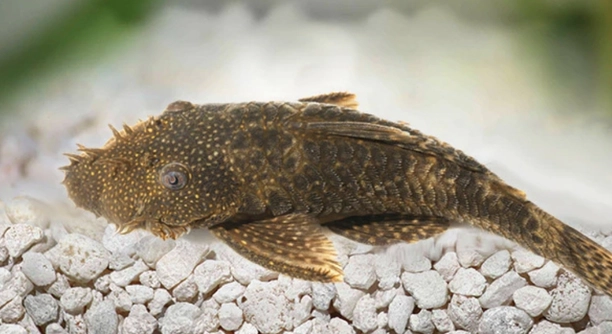
Bristlenose plecos are peaceful freshwater fish that thrive in well-maintained aquariums. Their comfort and health depend a lot on the environment you create, especially the substrate they interact with daily. A proper setup supports their natural behaviors.
Choosing the right substrate for bristlenose plecos is essential for their well-being. Soft, smooth, and nutrient-rich substrates promote healthy grazing and prevent injuries, while maintaining water quality and supporting the growth of beneficial bacteria crucial for their habitat.
A few simple adjustments can make a big difference in their daily activity and long-term health. Proper substrate choices create a more natural and stress-free environment for your plecos.
Choosing the Right Substrate
Bristlenose plecos spend a lot of time near the bottom of the tank, so the substrate you pick affects their comfort and health. Soft sand or fine gravel is usually best because it prevents injuries to their sensitive undersides and fins. Rough or sharp gravel can scratch them, leading to stress or infections. Many plecos also like to dig a little, so a substrate that allows this natural behavior without harming them is ideal. Beyond texture, substrate can affect water quality. Materials that trap waste can lead to poor water conditions, while substrates that promote healthy bacteria growth help maintain balance. Driftwood pieces or leaf litter can enhance their environment by providing hiding spots and surfaces to graze on biofilm. Some hobbyists mix different types of substrate to create depth and variety, which plecos seem to enjoy. Keeping the substrate clean and well-maintained ensures your fish remain active and healthy over time, reducing health problems and stress in the tank.
Proper substrate keeps your plecos safe, active, and healthy, giving them space to explore naturally. It also supports water quality and bacterial growth.
Creating the right substrate setup is more than just picking sand or gravel. It involves understanding how plecos interact with their environment. They need soft materials for comfort and digging, but the substrate should also prevent waste buildup and maintain stable water conditions. Adding natural elements like driftwood and leaves enhances their grazing opportunities and provides essential hiding spots. Mixing textures can mimic natural riverbeds, encouraging natural behavior and activity. Regular cleaning and occasional substrate changes prevent harmful bacteria and maintain balance. Observing how plecos respond to different setups helps refine choices for long-term health and stress reduction. The ideal substrate is both safe and stimulating, supporting their growth and natural instincts while keeping the tank environment stable and clean.
Maintaining Substrate Health
Regular cleaning is key to keeping substrate safe for plecos. Remove debris and uneaten food frequently to prevent decay and maintain water quality.
Cleaning involves more than surface maintenance. Vacuuming the substrate periodically removes hidden waste without disturbing beneficial bacteria. Avoid over-agitating the substrate, as it can release trapped toxins. Test water parameters often, especially ammonia and nitrite levels, to ensure the substrate is not affecting chemistry. Rotating and slightly repositioning decorations and plants can help prevent dead spots where waste collects. Using live plants can also aid substrate health by absorbing nutrients and reducing algae growth. Keeping the substrate balanced and clean ensures plecos remain healthy, active, and stress-free in their environment. Healthy substrate supports natural grazing, digging, and exploration behaviors, which are essential for their mental and physical well-being. Consistent care minimizes disease risk and helps maintain the overall aesthetic and functionality of the aquarium. Proper attention to substrate management is an investment in the long-term happiness of your fish.
Using Natural Elements
Adding driftwood or smooth rocks helps plecos feel secure and encourages natural grazing. These elements also provide surfaces for biofilm, which plecos feed on regularly.
Natural elements enhance both comfort and nutrition. Driftwood slowly releases tannins, slightly lowering pH and softening the water, which is gentle on bristlenose plecos. Smooth rocks and stones create hiding spaces, reduce stress, and allow fish to explore safely. Combining wood and stones in different arrangements gives the tank a more dynamic environment, mimicking their natural habitat. Plecos often attach to these surfaces, scraping algae and biofilm, which supports healthy feeding habits and keeps them active. This setup also helps break up empty areas of the tank, preventing boredom.
Leaf litter can complement driftwood and rocks, offering additional grazing surfaces and hiding spots. It slowly decomposes, enriching the substrate while supporting beneficial bacteria growth. Plecos may nibble on leaves, which provides minor nutrients and encourages natural behavior. The combination of driftwood, smooth stones, and leaves fosters a balanced, stimulating environment. Rotating or refreshing these elements periodically keeps the tank interesting and maintains water quality, ensuring plecos remain healthy, active, and stress-free.
Substrate Depth Considerations
A substrate depth of 1–2 inches is usually sufficient for bristlenose plecos. Too deep can trap excess waste and complicate cleaning.
Shallow substrates allow plecos to dig and graze safely without causing anaerobic pockets or trapped debris. Deeper substrates may require more frequent vacuuming and careful monitoring to avoid water quality issues. Adjusting the depth according to tank size, decoration placement, and the number of plecos ensures their comfort and safety. Substrate should provide stability for plants and decorations while leaving enough open space for fish movement. Monitoring pleco behavior helps determine if adjustments are needed, ensuring they remain active and healthy.
Substrate depth also affects bacterial colonization, which supports nutrient cycling and water stability. Maintaining an appropriate depth encourages natural digging and foraging behaviors while preventing dead zones where waste can accumulate. It balances tank aesthetics with practical maintenance, allowing plecos to thrive in a controlled yet stimulating environment. Correct depth ensures decorations and plants stay secure while providing a realistic habitat for natural activity, grazing, and resting. Over time, small adjustments to depth and composition can optimize both fish health and overall aquarium management.
Choosing Smooth Substrates
Smooth substrates like sand or polished gravel reduce the risk of injuries to plecos. Rough or sharp materials can scratch their delicate undersides and fins, which may lead to infections or stress.
Smooth surfaces also make it easier for plecos to graze and explore. They can sift through sand or move across polished gravel without hesitation. These substrates prevent accumulation of sharp edges that could harm the fish, while still supporting beneficial bacteria growth. Smooth substrates also allow driftwood and decorations to sit securely, creating stable hiding spots and grazing areas. Maintaining a soft, even substrate helps plecos stay active and healthy daily.
Avoiding Toxic Materials
Avoid substrates treated with chemicals or dyes. These can leach harmful substances into the water, affecting pleco health and tank stability. Properly rinsing and choosing inert materials ensures a safe environment.
Maintaining a Balanced Substrate
A balanced substrate combines soft textures for digging with firm areas for decorations. This supports natural behaviors and maintains tank structure over time.
Monitoring Changes
Regularly observe the substrate for compaction, discoloration, or excessive waste. Early detection prevents water quality issues and supports pleco well-being.
FAQ
What is the best substrate for bristlenose plecos?
Soft sand or fine, smooth gravel is ideal. These substrates prevent injuries to their sensitive undersides and fins while allowing natural digging and grazing behaviors. Avoid sharp or rough materials that can scratch or stress the fish. Natural elements like driftwood and leaf litter can complement the substrate, providing grazing surfaces and hiding spots.
How deep should the substrate be?
A depth of 1–2 inches is generally sufficient. Too deep can trap waste and create anaerobic pockets, while too shallow limits natural digging behavior. Adjust depth according to tank size, number of plecos, and decoration placement to ensure safety and comfort.
Can I mix different substrates?
Yes, mixing sand with smooth gravel can create a varied environment that mimics natural riverbeds. Plecos respond well to mixed textures, which encourage exploration, grazing, and digging. Ensure all materials are safe, non-toxic, and free of sharp edges.
Do plecos need natural elements like wood and leaves in their substrate?
Yes, natural elements provide grazing surfaces, hiding spots, and stimulation. Driftwood slowly releases tannins that soften water and slightly lower pH, which is beneficial. Leaf litter offers additional grazing areas, minor nutrients, and supports beneficial bacteria growth. Rotating or refreshing these elements keeps the tank environment dynamic.
How often should I clean the substrate?
Regular cleaning is essential. Remove uneaten food, debris, and waste from the surface weekly, and vacuum the substrate gently during water changes to avoid disturbing beneficial bacteria. Avoid over-agitating it, which can release toxins and stress the fish.
Can substrate affect water quality?
Yes, substrates that trap excess waste or decay too quickly can lead to ammonia and nitrite spikes. Choosing soft, clean substrates and maintaining regular cleaning routines helps stabilize water parameters and supports healthy bacterial colonies.
Are there substrates to avoid?
Avoid chemically treated, dyed, or sharp substrates. These can harm plecos physically or leach toxins into the water. Also avoid very large gravel pieces that prevent proper grazing or create unsafe gaps in the tank.
Do plecos interact differently with sand versus gravel?
Yes, sand allows smoother digging and grazing, while gravel may support stable decorations and plants. Observing pleco behavior can help determine which substrate type they prefer for comfort and natural activity. Mixing both can provide balance.
Does substrate influence algae growth?
Substrate itself can encourage biofilm and algae growth on surfaces, which plecos feed on. Adding natural materials like wood and leaves supports grazing while maintaining a controlled balance. Cleaning and monitoring prevent excessive algae accumulation.
How can I tell if my substrate is harming my plecos?
Signs include scraped fins, stress behaviors, reduced activity, or changes in grazing patterns. Observe daily behavior and check for sharp edges, compaction, or debris accumulation. Adjust substrate type, depth, or maintenance routines as needed to protect health.
Can substrate affect breeding behavior?
Yes, a soft, natural substrate encourages nesting and spawning behaviors. Plecos often use leaf litter or smooth areas near decorations to hide eggs and raise fry. Providing appropriate substrate and hiding spots supports reproductive activity naturally.
Is it necessary to change substrate periodically?
Periodic replacement or refreshment can maintain cleanliness and tank aesthetics. Over time, debris accumulation or compacted areas may reduce grazing efficiency and water quality. Replace in sections if possible to preserve beneficial bacteria and minimize stress.
Can plecos survive without natural elements in the substrate?
They can survive but may be less active, stressed, or miss natural grazing opportunities. Incorporating driftwood, leaves, or smooth rocks enhances well-being and encourages natural behaviors, making the tank healthier for long-term care.
How does substrate impact tank maintenance?
The right substrate reduces waste buildup, supports bacterial colonies, and simplifies cleaning. Soft, well-chosen substrates make vacuuming easier, maintain water stability, and prevent health issues. Observing substrate condition regularly ensures a balanced environment.
Should substrate be adjusted for multiple plecos?
Yes, larger or multiple plecos may require slightly deeper substrate or more natural elements to prevent overcrowding and allow each fish space to graze and hide. Maintaining balance prevents stress and encourages natural behavior across the group.
Can substrate affect fish stress levels?
Absolutely. Soft, safe substrates with hiding spots reduce stress, support natural behaviors, and prevent injuries. A poorly chosen or uneven substrate can lead to anxiety, hiding, or aggression among tank mates. Proper setup improves overall activity and comfort.
Is substrate important for juvenile plecos?
Yes, young plecos are more delicate and sensitive to rough surfaces. Soft, smooth substrates provide a safe environment for growth and grazing while minimizing injuries. Gradual introduction to natural elements encourages healthy behavior development.
How does substrate support bacterial growth?
Porous, natural substrates and organic elements encourage beneficial bacteria colonization. These bacteria break down waste, stabilize water parameters, and contribute to a healthy aquarium ecosystem. Clean, balanced substrate ensures efficient nutrient cycling and reduces disease risk.
Can substrate change over time affect plecos?
Yes, compaction, decay, or chemical changes in substrate can impact water quality, grazing behavior, and stress levels. Regular observation and maintenance are crucial to detect changes early and keep the tank stable.
What is the easiest way to maintain substrate long-term?
Use soft, inert materials, add natural elements, and vacuum gently during regular water changes. Monitor water parameters, refresh leaf litter, and rotate decorations periodically. Consistent care supports pleco health, natural behavior, and tank stability without major disruptions.
How do I know when it’s time to replace substrate?
Replace substrate if it becomes compacted, discolored, or releases odors. Frequent ammonia spikes or decreased pleco activity also indicate issues. Partial replacement allows maintenance while preserving beneficial bacteria. Regular checks help maintain a safe, active environment.
Can substrate influence pleco feeding habits?
Yes, soft substrates encourage grazing and scraping behaviors. Biofilm, algae, and detritus accumulate on natural surfaces, supporting their diet. Substrates that are rough, sharp, or poorly maintained may reduce grazing activity and lead to stress or reduced appetite.
How do plecos interact with substrate decorations?
They use driftwood, smooth rocks, and leaf litter for hiding, resting, and grazing. Properly arranged elements prevent stress, encourage activity, and enhance natural behaviors. Observing how plecos use these features helps optimize tank layout and substrate effectiveness.
Does water flow affect substrate choice?
Yes, high flow can shift fine substrates like sand, while heavier gravel stays in place. Substrate selection should consider water movement to prevent erosion, debris buildup, and stress. Proper anchoring of decorations and plants ensures stability.
Are there substrates that help with breeding and fry care?
Leaf litter, soft sand, and small smooth rocks provide hiding spots and secure areas for eggs and fry. These surfaces mimic natural conditions and support early growth and safety for young plecos.
Can substrate reduce tank cleaning frequency?
Using soft, natural, and well-maintained substrate can reduce debris buildup and make vacuuming easier. Adding live plants and natural elements also supports bacteria and biofilm, keeping the tank balanced with less frequent intensive cleaning.
Is substrate choice different for community tanks?
Yes, consider tank mates’ behavior and size. Smooth substrates minimize injury risk, while natural elements provide hiding spots for all species. Balanced setups prevent competition for space and reduce stress for plecos and other fish.
How do I test if my substrate is safe?
Rinse thoroughly before use and observe water parameters after setup. Check for chemical leaching, pH shifts, or discoloration. Monitor fish behavior; safe substrate keeps plecos active, grazing, and free from injuries or stress.
What role does substrate play in long-term pleco health?
It supports natural behavior, reduces stress, provides grazing surfaces, maintains water quality, and fosters beneficial bacterial growth. A well-chosen substrate is essential for their comfort, activity, and overall longevity in the aquarium.
Can substrate prevent common pleco diseases?
Yes, soft, clean, and balanced substrate reduces injuries and stress, which lowers susceptibility to infections and disease. Proper maintenance and monitoring ensure a safer, healthier environment for plecos to thrive.
Does substrate affect aquarium aesthetics?
Yes, natural substrates with smooth textures, driftwood, and leaf litter create a visually pleasing, realistic environment. Thoughtful arrangement of depth, textures, and elements enhances the tank’s look while supporting pleco well-being.
How often should substrate be inspected?
Weekly visual checks for debris, compaction, and discoloration are recommended. Combine inspections with water testing to ensure chemical stability. Early detection prevents health issues and maintains a safe, clean environment for plecos.
Can substrate impact fish interactions?
Yes, soft substrates with hiding spots reduce aggression and stress among tank mates. A well-structured environment encourages natural exploration and grazing, supporting harmonious interactions and overall activity in the tank.
What is the simplest substrate upgrade for plecos?
Switching to soft sand or polished gravel and adding a few driftwood pieces immediately improves safety, grazing surfaces, and comfort. Regular maintenance keeps the upgrade effective over time.
Can substrate choices reduce algae problems?
Yes, substrates that support beneficial bacteria and biofilm help control nutrient buildup, limiting excessive algae growth. Combining natural elements like leaves and wood provides grazing surfaces without allowing uncontrolled algae proliferation.
Do plecos prefer certain substrate textures over others?
Generally, soft and smooth textures are preferred, allowing natural digging, grazing, and resting behaviors. Observing individual pleco activity helps refine substrate selection for comfort and engagement.
Can I use substrate from another tank?
Yes, if it’s clean, free of chemicals, and compatible with pleco needs. Used substrate may already have beneficial bacteria, which can support water stability, but monitor water parameters carefully after transfer.
Does substrate choice influence stress during tank changes?
Yes, familiar and safe substrate reduces stress when moving or adding plecos. Sudden changes to rough, sharp, or chemically treated materials can cause anxiety, reduced activity, or injuries. Gradual adjustments are safer.
How do I maintain substrate with heavy feeding?
Remove uneaten food promptly, vacuum gently, and rotate decorations to prevent waste buildup. Consider adding natural elements like driftwood or leaves to distribute feeding areas and reduce localized accumulation.
Are there substrates unsuitable for young plecos?
Avoid sharp gravel, large rocks, or chemically treated materials. Juvenile plecos are more sensitive to injuries and toxins, so soft sand or fine gravel with natural elements is recommended for safe growth.
Can substrate impact oxygen levels?
Yes, compacted substrates can create anaerobic zones that reduce oxygen availability. Regular cleaning, gentle agitation, and adding live plants help maintain proper oxygen levels and prevent dead spots.
Does substrate need different care in planted tanks?
Yes, nutrient-rich substrates support plant growth but may require more frequent vacuuming to prevent waste buildup. Balancing plant care with pleco needs ensures both fish and vegetation thrive.
How do plecos use substrate to feel secure?
Soft, natural substrates with hiding spaces allow plecos to rest, dig, and explore safely. Familiar surfaces reduce stress, encourage natural grazing, and support overall mental and physical health.
Is substrate choice important for community balance?
Yes, soft, safe substrates with hiding spots prevent injuries and stress across species. Adequate space, grazing surfaces, and natural elements support peaceful interactions and activity in a shared tank.
Can substrate help with tank odor control?
Yes, substrates that support beneficial bacteria and are cleaned regularly reduce decaying waste and unpleasant smells. Natural materials like driftwood and leaves also help absorb nutrients and maintain freshness.
What is the most cost-effective substrate option?
Soft sand or smooth gravel combined with a few driftwood pieces provides safety, grazing surfaces, and stimulation without high expense. Proper maintenance ensures long-term effectiveness.
Do plecos need substrate changes for seasonal water variations?
Minor adjustments may be needed if water chemistry shifts, especially pH and hardness. Safe, inert substrates reduce drastic changes, supporting stability during temperature or seasonal variations.
Can substrate choice reduce cleaning effort?
Yes, smooth, safe substrates and natural elements promote bacterial growth, distribute waste, and simplify vacuuming. Consistent maintenance keeps the tank clean with less intensive effort over time.
How do I balance aesthetics with substrate function?
Combine soft textures, driftwood, leaf litter, and stable decorations. This supports natural behaviors while creating a visually pleasing environment. Regular observation and minor adjustments maintain both appearance and pleco well-being.
Does substrate affect swimming behavior?
Yes, soft, smooth, and stable substrates allow safe bottom swimming, digging, and grazing. Rough or uneven surfaces may discourage movement or cause stress, limiting activity and exploration.
Can substrate influence territorial behavior?
Providing hiding spots, natural surfaces, and defined areas reduces conflicts. A well-arranged substrate helps plecos establish territory safely while minimizing aggression and stress.
Is it necessary to quarantine new substrate?
Rinsing and checking for chemicals or toxins is enough in most cases. Pre-soaking or partial testing in a separate container ensures no negative effects on water chemistry or pleco health.
Can substrate help with picky eaters?
Yes, biofilm and algae growth on natural surfaces provide additional grazing opportunities. Soft, varied substrates encourage foraging, which may increase feeding activity in reluctant plecos.
Does substrate affect overall tank stability?
Yes, soft, clean, and well-maintained substrates support bacterial colonies, nutrient cycling, and water quality. Proper substrate selection ensures a stable, safe environment for long-term pleco health.
Can substrate changes impact pleco growth?
Yes, substrates that encourage natural behaviors, safe grazing, and reduced stress support healthy growth. Abrupt or unsafe changes can cause injuries, stress, or reduced activity, potentially affecting development.
How do I choose substrate for multiple species?
Select soft, inert, and non-toxic materials that support plecos and tank mates. Provide hiding spots, grazing surfaces, and stable decorations to balance comfort, natural behavior, and safety across species.
Can substrate reduce disease spread?
Proper, clean, and soft substrates reduce injuries and stress, which lowers susceptibility to bacterial and fungal infections. Regular maintenance keeps conditions favorable for healthy fish.
Is substrate important for nocturnal behavior?
Yes, soft, natural substrates with hiding spots allow plecos to rest during the day and explore at night safely. Familiar surfaces reduce stress and encourage natural activity cycles.
How does substrate interact with filtration?
Substrate traps waste and supports bacterial colonies that aid filtration. Choosing a compatible substrate helps prevent clogging, improves water quality, and reduces strain on the filter system.
Can substrate improve fish longevity?
Yes, safe, clean, and stimulating substrates reduce stress, injuries, and disease risk. Supporting natural behaviors and maintaining water quality contribute to longer, healthier pleco lives.
Does substrate impact water hardness or pH?
Some natural elements like driftwood can slightly soften water and lower pH, which plecos tolerate well. Inert substrates like sand or polished gravel have minimal impact on chemistry. Monitoring ensures stability.
Can substrate be part of preventive care?
Yes, choosing soft, safe materials, adding natural elements, and maintaining cleanliness helps prevent injuries, stress, and disease. Substrate care is a proactive step in pleco health management.
How do I balance substrate maintenance with minimal stress?
Clean gently, remove debris regularly, and rotate elements slowly. Avoid disturbing beneficial bacteria, and observe pleco behavior to ensure a calm, safe environment during maintenance routines.
What is the best combination for substrate and decorations?
Soft sand or fine gravel with driftwood, smooth rocks, and leaf litter creates a secure, stimulating, and functional habitat. This combination supports grazing, hiding, and natural activity while maintaining water quality.
Does substrate affect tank lighting needs?
Yes, darker substrates can reduce glare and stress for plecos, while highlighting decorations. Light-colored substrates may require careful lighting adjustments to prevent algae overgrowth and maintain a natural appearance.
Can substrate help reduce fin damage?
Yes, smooth, soft substrates prevent scratches and abrasions that rough or sharp materials cause. Maintaining clean, even surfaces keeps plecos’ fins healthy and intact.
How do I monitor substrate over time?
Regular visual checks, water testing, and observing pleco behavior help detect changes. Address discoloration, compaction, or debris accumulation promptly to maintain safety and tank stability.
Can substrate influence biofilm quality?
Yes, soft, natural, and clean substrates support healthy biofilm growth. Plecos rely on this for grazing, so substrate quality directly affects their diet and activity.
Should substrate be adjusted for seasonal feeding changes?
Minor adjustments may help manage excess food or debris during heavy feeding periods. Maintaining depth, texture, and natural elements ensures plecos continue grazing and exploring safely.
Can substrate reduce stress during tank expansions or moves?
Keeping familiar textures and natural elements reduces anxiety. Gradual changes and stable surfaces help plecos adapt smoothly to new tank setups or decorations.
Does substrate impact bottom-dwelling activity?
Yes, soft, stable substrates allow digging, grazing, and resting naturally. Hard or uneven surfaces discourage activity, potentially affecting health and comfort.
Can substrate support multiple hiding spots?
Yes, layering natural elements like rocks, wood, and leaves creates secure areas. This reduces competition and stress, allowing plecos to explore and rest safely.
How do I maintain substrate without harming plecos?
Use gentle vacuuming, remove debris carefully, rinse natural elements before placement, and avoid chemical cleaners. Regular observation ensures safety and preserves beneficial bacteria.
Can substrate choice influence tank aesthetics long-term?
Yes, soft sand or gravel with natural elements maintains a realistic, clean, and visually appealing environment while supporting pleco health. Minor adjustments can refresh the look without disturbing fish.
Is substrate more important than decorations?
Both are important, but substrate directly affects grazing, digging, and bottom comfort. Decorations complement substrate by providing hiding and resting spots. Proper combination ensures health and stimulation.
Can substrate affect overall fish activity?
Yes, soft, safe, and varied substrates encourage exploration, grazing, and interaction. Unsafe or poorly maintained substrates reduce movement, increase stress, and limit natural behaviors.
How do I combine substrate with live plants?
Use nutrient-rich but soft substrates for plant roots while ensuring safe grazing areas. Layering sand over enriched substrate can protect plecos and maintain water quality.
Does substrate influence fish coloration?
Indirectly, a comfortable and stress-free environment helps maintain natural colors. Soft substrates, hiding spots, and grazing opportunities reduce stress, which can affect brightness and overall appearance.
Can substrate affect filter efficiency?
Yes, substrate that traps excessive debris may impact filter performance. Regular vacuuming and cleaning of soft, stable substrates prevent clogging and maintain efficient water circulation.
How do I prevent substrate compaction?
Stir gently during cleaning, avoid deep layers, and rotate decorations or plants. This maintains aeration, prevents anaerobic zones, and supports beneficial bacteria growth.
**Can substrate support multiple plecos
Final Thoughts
Bristlenose plecos rely heavily on their environment to stay healthy and active, and substrate plays a major role in their well-being. Choosing the right substrate affects not only their safety but also their ability to graze, dig, and explore naturally. Soft sand or fine gravel is generally the best option because it protects their sensitive undersides and fins from scratches or injuries. Rough or sharp materials can easily harm them, leading to stress or infections. Adding natural elements like driftwood, smooth stones, or leaf litter enhances the environment further. These materials create hiding spots and grazing surfaces, allowing plecos to interact with their habitat in ways similar to what they would do in the wild. Regular observation and gentle maintenance of the substrate ensure that the tank remains a safe and comfortable place for your plecos to thrive.
Maintaining substrate health is equally important for the long-term stability of the aquarium. Over time, uneaten food, waste, and decaying plant material can accumulate in the substrate, creating anaerobic pockets or water quality problems. Regular cleaning, careful vacuuming, and rotating decorations or plants help prevent these issues while preserving beneficial bacteria that support a balanced tank ecosystem. Proper depth and arrangement of the substrate also matter. A shallow layer allows plecos to dig and forage safely, while deeper areas can trap waste if not maintained correctly. By observing how your plecos interact with the substrate and adjusting accordingly, you can create a comfortable, stimulating environment that supports their natural behaviors. This careful attention reduces stress, prevents injuries, and encourages activity, which in turn promotes overall health.
Finally, investing time and thought into substrate selection and maintenance makes a noticeable difference in the well-being of bristlenose plecos. Safe, natural, and well-maintained substrates encourage grazing, provide hiding spaces, and support healthy water chemistry. Incorporating driftwood, stones, or leaf litter can enrich their environment while also creating a more visually appealing tank. Substrate also plays a role in long-term care, as consistent monitoring and gentle maintenance prevent problems before they arise. Whether managing a single pleco or a community tank, focusing on substrate ensures a balance between aesthetics, function, and fish health. By choosing the right materials, keeping the substrate clean, and observing your fish’s behavior, you provide a safe and stimulating habitat that allows bristlenose plecos to live actively, comfortably, and happily for years. Proper substrate care is not just about looks; it is a key part of responsible and effective aquarium management.

Hello,
If you enjoy the content that we create, please consider saying a "Thank You!" by leaving a tip.
Every little bit helps us continue crafting quality advice that supports the health, happiness, and well-being of pets around the world, for pets of all shapes, sizes, and species.
We really appreciate the kindness and support that you show us!