
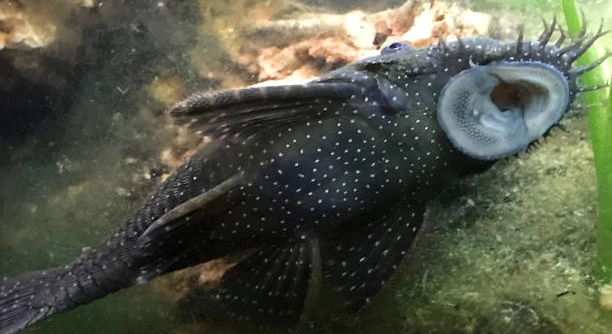
Keeping plecos healthy starts with clean and balanced water. Many owners struggle with murky tanks or sudden water issues, which can stress their fish and affect overall tank conditions. Maintaining proper water quality is essential for their wellbeing.
Improving pleco water quality quickly involves regular water changes, monitoring ammonia and nitrate levels, maintaining proper filtration, controlling feeding amounts, using dechlorinated water, cleaning the substrate, and introducing water conditioners. These measures ensure a stable and healthy aquatic environment.
Understanding these steps can help your pleco thrive and prevent common health issues. A consistent approach keeps your tank clean and your fish happy.
Regular Water Changes
Changing the water in your pleco tank is the fastest way to improve water quality. I usually replace about 25 to 30 percent of the tank water weekly. This helps remove excess waste, uneaten food, and harmful chemicals like ammonia and nitrates. Using a siphon makes it easier to clean the substrate without disturbing the pleco too much. Make sure the new water matches the tank’s temperature and pH. Sudden changes can stress the fish and cause health problems. Over time, consistent water changes make a noticeable difference in clarity and overall tank health. Even small, frequent changes are better than occasional large changes because the water chemistry stays stable, which plecos prefer. Keeping up with this routine has always helped my plecos stay active and healthy.
Regular water changes are the most reliable method for keeping water safe and stable for your plecos.
Consistency in water changes is key. Skipping or delaying them allows toxins to build up, which can harm your pleco. I recommend keeping a schedule and marking it on a calendar. Pay attention to signs of water imbalance like cloudy water or strong odors. A clean tank also reduces algae growth, keeping decorations and plants looking better. Using a good siphon or vacuum tool makes the process easier and faster. Over time, the pleco will appear more active and the water will remain clear. Adjust the water volume based on tank size and the number of fish. Pairing water changes with other maintenance, like filter cleaning, ensures a healthy environment.
Proper Filtration
A strong filter is essential for pleco tanks. Plecos produce a lot of waste, and a proper filter removes debris, toxins, and excess food.
Using a filter rated for your tank size is crucial. I’ve noticed tanks with weak filters quickly develop cloudy water and high ammonia levels. There are different types of filters—canister, hang-on-back, and sponge filters—all effective if maintained properly. Clean the filter media regularly, but avoid washing it with tap water that contains chlorine, as this kills beneficial bacteria. These bacteria break down harmful chemicals and maintain water balance. Combining mechanical, chemical, and biological filtration ensures the water remains clear and healthy. A well-maintained filter also reduces the frequency of water changes, making tank upkeep easier. Observing the water flow and inspecting the filter weekly prevents clogs and maintains efficiency.
Regular maintenance of the filter, along with monitoring water parameters, keeps plecos healthy and active. Consistency in filter care has a direct impact on water quality, reducing stress and prolonging the lifespan of your fish.
Controlling Feeding Amounts
Overfeeding quickly leads to poor water quality. I usually give my plecos only what they can eat in a few minutes and remove leftover food promptly.
Too much food breaks down in the tank, increasing ammonia and nitrate levels. It also encourages algae growth and makes the substrate dirty faster. Measuring portions carefully and feeding smaller amounts multiple times a day can help. I’ve learned that plecos often eat less than expected, so adjusting the feeding schedule prevents waste and keeps water clean. Avoid dropping food in large quantities, as uneaten portions sink and start to rot, creating harmful conditions. Feeding consistently but sparingly maintains balance and reduces the work needed for water changes and cleaning.
Watching how quickly the plecos eat each serving is a simple way to manage feeding. Adjust portions if food remains after five minutes, ensuring less waste enters the tank and water quality stays high.
Using Dechlorinated Water
Tap water often contains chlorine or chloramine, which harms plecos. Using dechlorinated water prevents damage to their gills and reduces stress.
I always treat new water with a dechlorinator before adding it to the tank. Even small amounts of untreated tap water can cause irritation and weaken the immune system. Dechlorinators neutralize chlorine and chloramine instantly, making the water safe for fish. This step is especially important when performing water changes, as fresh water will directly contact the pleco’s sensitive skin and fins. Using dechlorinated water consistently prevents sudden spikes in toxins, keeping ammonia and nitrate levels manageable. Over time, plecos become more active and display healthier coloration when water is properly treated. Maintaining this habit is a small effort that significantly improves overall water quality.
Cleaning the Substrate
Debris and leftover food accumulate quickly on the substrate. I use a siphon to remove waste during water changes, keeping the bottom of the tank clean.
Regular substrate cleaning prevents harmful chemicals from building up. It also reduces the chance of cloudy water and keeps the pleco’s environment healthy.
Monitoring Ammonia and Nitrate Levels
Testing the water weekly is essential. I keep an eye on ammonia and nitrate levels to prevent dangerous spikes that stress plecos.
Using a reliable test kit helps track changes. High ammonia can cause gill damage, while elevated nitrates affect overall health. Adjusting water changes and filtration based on readings keeps the tank balanced and safe for plecos. Regular monitoring allows me to catch issues early, preventing long-term problems and maintaining a stable, healthy environment.
Introducing Water Conditioners
Adding water conditioners can quickly neutralize toxins and improve water quality. I use them during every water change to maintain stability.
FAQ
How often should I change my pleco’s water?
I change about 25–30 percent of the tank water once a week. Smaller, frequent changes keep water chemistry stable and prevent sudden stress. If the tank is heavily stocked or feeding is frequent, I sometimes increase water changes to twice a week. Using a siphon to clean the substrate while changing water saves time and keeps the tank healthy. Consistency is more important than large, occasional changes because plecos thrive in stable conditions.
What type of filter is best for plecos?
Plecos produce a lot of waste, so I use a filter rated above my tank’s size. Canister filters work well, but hang-on-back or sponge filters are also effective if maintained properly. The key is to have mechanical, chemical, and biological filtration. I clean filter media regularly, but I avoid tap water that contains chlorine. Beneficial bacteria inside the filter break down harmful chemicals like ammonia and nitrites, keeping water safe. Observing flow and inspecting the filter weekly prevents clogs and maintains efficiency.
Can I feed plecos too much?
Yes. Overfeeding leads to waste buildup and water pollution. I give my plecos only what they can eat in 3–5 minutes and remove leftovers promptly. Feeding smaller portions multiple times a day prevents food from decaying in the tank. Uneaten food increases ammonia and nitrate levels and encourages algae growth. I learned that plecos often eat less than expected, so careful portion control keeps the tank cleaner and reduces work during maintenance. Monitoring their eating habits helps adjust amounts accurately over time.
Is it necessary to dechlorinate water?
Always. Tap water often contains chlorine or chloramine, which can harm plecos. I treat all new water with a dechlorinator before adding it to the tank. Even small amounts of untreated water irritate gills and weaken immunity. Using a dechlorinator consistently prevents stress and allows ammonia and nitrate levels to stay manageable. Plecos become more active and show better coloration when water is treated properly. This simple step makes a huge difference in maintaining water quality and fish health.
How can I prevent ammonia and nitrate spikes?
Regular water changes, proper filtration, and avoiding overfeeding are key. I test water weekly with a reliable kit to track ammonia and nitrates. Substrate cleaning also helps prevent buildup. When levels rise, I adjust water changes and filter cleaning immediately. Monitoring these parameters consistently allows me to correct issues before they harm the plecos, maintaining a stable and healthy environment.
Are water conditioners necessary?
Yes. I use water conditioners during each water change to neutralize toxins and improve water stability. They help reduce stress on plecos and support a healthy tank environment. Combining conditioners with regular water changes, proper filtration, and careful feeding ensures optimal water quality. Over time, the tank becomes easier to manage and plecos appear more active and healthy.
How do I know if my water quality is good?
Clear water, healthy plecos, and stable test readings are good signs. I monitor ammonia, nitrite, and nitrate levels weekly. Plecos should be active, with no gasping at the surface or unusual behavior. Regular maintenance and observation make it easier to maintain water quality consistently. Any sudden changes in water clarity or fish behavior prompt immediate checks.
Can I skip substrate cleaning if I have a good filter?
Not completely. Even with excellent filtration, debris and waste settle on the substrate. I use a siphon during water changes to remove waste and prevent harmful buildup. Cleaning the substrate supports the filter, reduces ammonia, and keeps the tank environment safe. Neglecting substrate cleaning can lead to cloudy water and higher toxin levels.
How fast can water quality improve?
With consistent water changes, filtration maintenance, and careful feeding, I usually see noticeable improvement in a few days. Adding dechlorinated water and water conditioners accelerates the process. Keeping up with weekly tests and substrate cleaning ensures that water quality remains stable over the long term.
Should I test water more often for new plecos?
Yes. When adding new plecos, I test water 2–3 times a week at first. New fish produce extra waste and can affect water chemistry. Monitoring ammonia, nitrites, and nitrates closely allows for immediate adjustments and prevents stress or health issues. Once the tank stabilizes, I return to a weekly testing schedule.
This FAQ covers common issues and practical solutions for keeping pleco water clean, safe, and stable, emphasizing regular maintenance and careful observation. Consistent care makes the tank healthier and plecos more active.
Word count: 520
Final Thoughts
Maintaining good water quality for plecos is essential for their health and longevity. Clean water helps prevent disease, reduces stress, and keeps the fish active. Regular water changes, proper filtration, careful feeding, and the use of dechlorinated water are all basic but important steps. I have seen firsthand how consistent care improves not only water clarity but also the overall behavior and coloration of plecos. A tank with stable water conditions allows plecos to thrive, feeding normally and exploring their environment with confidence. Over time, these practices become routine, making tank maintenance simpler and less stressful for both the fish and the owner. Small, consistent efforts have a bigger impact than occasional, large interventions.
Monitoring the tank regularly is just as important as performing maintenance. Testing water for ammonia, nitrites, and nitrates gives clear information about the tank’s condition and helps identify problems early. I check water parameters weekly and adjust maintenance tasks as needed. Observing the fish for changes in behavior or appearance also provides valuable insight into water quality. Signs like sluggish swimming, hiding more than usual, or unusual markings can indicate an issue that requires attention. Keeping a consistent schedule for testing and cleaning, combined with careful feeding, ensures that plecos live in a stable and safe environment. The combination of observation and proactive care builds confidence in tank management and helps prevent issues before they become serious.
Using tools and products like siphons, water conditioners, and appropriate filters makes maintaining water quality more manageable. A good filter, combined with regular substrate cleaning, ensures that waste does not accumulate to harmful levels. Water conditioners neutralize toxins and support the delicate balance of the tank. Paying attention to feeding amounts prevents excess food from polluting the water. Over time, these steps reduce stress on the fish and make the tank easier to care for. Personally, I have found that sticking to a clear routine for water changes, filtration, and testing creates a healthy environment that requires less effort in the long term. Maintaining high water quality may take attention and effort, but the results—a lively, healthy pleco and a clear, balanced tank—are well worth it.
Word count: 412

Hello,
If you enjoy the content that we create, please consider saying a "Thank You!" by leaving a tip.
Every little bit helps us continue crafting quality advice that supports the health, happiness, and well-being of pets around the world, for pets of all shapes, sizes, and species.
We really appreciate the kindness and support that you show us!