
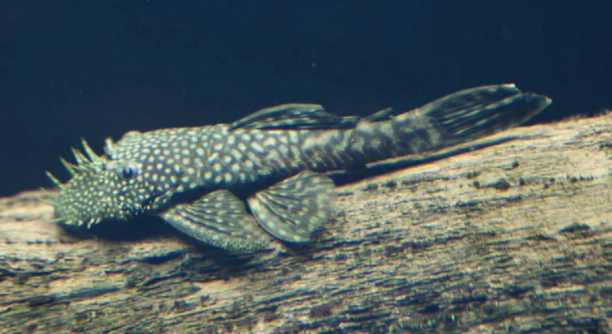
Are your plecos suddenly refusing to eat even their favorite foods? It can be alarming to watch them ignore meals, leaving you unsure about what might be causing their sudden loss of appetite.
Plecos commonly lose their appetite due to changes in water quality, stress, illness, or improper diet. Poor conditions can affect their digestive system and behavior, making it crucial to monitor tank environment and feeding practices consistently.
Understanding these reasons will help you restore your pleco’s eating habits and maintain a healthy, thriving aquarium environment.
Water Quality Issues
Poor water quality is one of the main reasons plecos stop eating. Ammonia, nitrite, and nitrate levels that are too high can stress your fish and affect their appetite. Even slight changes in pH or temperature can make a noticeable difference. Maintaining a stable, clean environment is essential. Regular water testing and partial water changes help keep your tank healthy. Overfeeding can also degrade water quality quickly, so it’s important to remove uneaten food promptly. Filtration systems should be checked and cleaned regularly. Plecos are sensitive to sudden changes, so any adjustments should be gradual. Signs of poor water quality include lethargy, unusual swimming patterns, and visible stress marks. Keeping a consistent routine reduces stress and encourages normal feeding behavior. Even with the right diet, plecos will refuse food if their water is unsafe. Monitoring both water and fish behavior together gives a complete picture of their health.
Maintaining clean water supports both health and appetite, making feeding more consistent and reliable.
Regular attention to tank conditions can prevent appetite loss. Testing parameters weekly and performing gradual water changes ensures plecos remain comfortable and willing to eat. Consistency in water quality is key to reducing stress and promoting overall well-being.
Stress and Environmental Factors
Stress can cause plecos to refuse food. Sudden changes, overcrowding, or aggressive tank mates can make them hide or avoid eating.
Plecos need calm spaces with hiding spots like caves or driftwood. Noise, frequent tank maintenance, and bright lights can also increase stress. Observing behavior helps identify triggers.
Stress affects plecos both physically and behaviorally. Fish that are constantly hiding, darting, or showing unusual patterns often have suppressed appetites. Providing a stable environment with consistent lighting and minimal disturbances can improve their comfort. Overcrowding or aggressive companions can intimidate plecos, so spacing and tank compatibility are important. Adding decorations that allow them to retreat gives them a sense of security. Even subtle stressors, like sudden water temperature shifts, can impact eating habits. Ensuring a stable routine and reducing potential stressors encourages plecos to feed normally and regain energy. Paying attention to their environment is just as crucial as diet for maintaining a healthy appetite.
Illness and Disease
Illness is a frequent reason plecos stop eating. Bacterial infections, parasites, or internal issues can reduce appetite. Observing physical symptoms helps identify when medical attention or treatment is needed.
Plecos showing signs like weight loss, faded coloration, or unusual swimming patterns may be sick. External parasites can sometimes be seen on the body or fins. Internal infections, however, may not be visible but still affect eating. Quarantining affected fish prevents the spread of illness. Maintaining clean water, a balanced diet, and avoiding sudden environmental changes lowers disease risk. Early detection improves recovery chances and helps your pleco return to normal feeding habits.
Some illnesses require specific treatments like antibiotics or antiparasitic medications. Following proper dosage and monitoring during treatment is essential. Consulting a vet or aquatic specialist ensures the right approach. Even mild sickness can disrupt appetite, so consistent observation is crucial. Addressing illness promptly supports overall health and prevents further complications in your aquarium.
Diet and Nutrition
Improper diet can cause plecos to lose interest in food. Lack of variety or essential nutrients affects appetite and energy levels.
A pleco’s diet should include algae wafers, vegetables, and occasional protein sources. Feeding only one type of food may lead to deficiencies and reduced eating. Leafy greens, zucchini, and cucumber are good staples, while protein-rich foods like shrimp or bloodworms can supplement occasionally. Overfeeding processed foods can also upset their digestive system. Proper portion sizes and a balanced schedule encourage consistent feeding. Observing what your pleco prefers helps tailor a diet that meets nutritional needs.
Ensuring proper nutrition involves rotating foods, monitoring intake, and adjusting based on growth or activity. Nutrient-rich vegetables, algae, and occasional protein maintain health and appetite. Avoiding overfeeding prevents water issues that can indirectly reduce appetite. A well-rounded diet supports digestion, energy, and overall well-being, making plecos more likely to eat regularly and thrive in the aquarium.
Temperature Fluctuations
Sudden changes in water temperature can make plecos stop eating. They are sensitive to both heat and cold, and even a few degrees can affect metabolism. Maintaining a stable temperature suited to their species is essential for normal feeding behavior.
Gradual adjustments are safer than sudden changes. Use a reliable heater or thermometer to monitor conditions consistently. Extreme fluctuations can stress the fish, weaken their immune system, and reduce appetite. Consistent temperature creates a comfortable environment that encourages normal feeding and activity.
Tank Size and Space
Small or overcrowded tanks can stress plecos, leading to appetite loss. They need enough space to swim and hide comfortably. A cramped environment can cause constant competition and prevent normal feeding. Proper tank size reduces stress and promotes regular eating habits.
Light and Day-Night Cycle
Plecos are nocturnal, and bright lights during the day can make them hide and avoid food. Maintaining a consistent day-night cycle supports natural behavior and feeding patterns.
FAQ
Why has my pleco stopped eating suddenly?
Sudden appetite loss in plecos can be caused by stress, water quality issues, illness, or dietary problems. Changes in tank conditions, aggressive tank mates, or illness often trigger this behavior. Observing physical signs and monitoring the environment can help identify the cause quickly.
How do I know if my pleco is sick?
Signs of illness include faded coloration, lethargy, abnormal swimming patterns, bloating, or visible spots or lesions on the body. Plecos may hide more than usual or refuse all food. Early detection allows faster treatment and prevents the spread of disease in the tank.
What water parameters should I maintain for my pleco?
Plecos generally thrive in stable water with pH between 6.5 and 7.5, temperature from 72–82°F (22–28°C), and low ammonia and nitrite levels. Regular testing and partial water changes help maintain these parameters and reduce stress, keeping plecos healthy and willing to eat.
Can stress really make plecos stop eating?
Yes. Stress from overcrowding, aggressive tank mates, sudden environmental changes, or excessive noise can cause plecos to hide and refuse food. Providing hiding spaces, reducing disturbances, and keeping a consistent routine encourages normal feeding habits.
How often should I feed my pleco?
Adult plecos usually eat once a day, while juveniles may require more frequent feeding. Overfeeding can foul water and reduce appetite, so providing balanced portions is important. Observing how much your pleco consumes in 10–15 minutes can guide portion sizes.
What foods are best to encourage eating?
A mix of algae wafers, fresh vegetables like zucchini or cucumber, and occasional protein sources like shrimp or bloodworms works well. Rotating foods and observing preferences ensures proper nutrition and helps stimulate appetite in picky or stressed plecos.
Can poor water quality make my pleco stop eating?
Absolutely. High ammonia, nitrite, or nitrate levels, fluctuating pH, and dirty water can all reduce appetite. Even if food is available, poor water conditions make plecos less likely to eat. Regular water testing and cleaning is essential.
How long can a pleco survive without eating?
While plecos can survive several days without food, prolonged fasting weakens them, increases stress, and makes them vulnerable to illness. Identifying the reason for appetite loss quickly is crucial to prevent long-term health issues.
Should I quarantine a sick pleco?
Yes. Quarantining helps prevent the spread of disease to other fish and allows focused treatment. Ensure proper tank conditions in the quarantine setup, including stable water parameters, hiding spots, and clean filtration, to support recovery.
Can temperature changes affect appetite?
Yes. Plecos are sensitive to temperature fluctuations. Too cold or too hot water slows metabolism, reduces energy, and decreases appetite. Gradual adjustments and a stable heater help maintain a comfortable temperature for regular feeding behavior.
Are nocturnal habits affecting feeding?
Plecos are primarily nocturnal. Bright daytime lighting can make them hide and avoid food. Offering meals during dimmer periods or in shaded areas can help encourage eating and align with their natural behavior.
When should I consult a vet?
If your pleco shows persistent loss of appetite along with physical symptoms such as bloating, lesions, or erratic swimming, it is time to seek professional advice. Early intervention ensures proper treatment and prevents further health complications.
Can overfeeding cause appetite loss?
Yes. Overfeeding leads to uneaten food decaying in the tank, reducing water quality and creating stress. Plecos may avoid eating if the tank conditions worsen. Feeding appropriate portions and removing leftover food is important to maintain appetite.
How can I stimulate my pleco to eat again?
Offering fresh vegetables, algae wafers, or a variety of protein sources can encourage feeding. Reducing stress, maintaining clean water, and providing hiding spaces also make plecos feel safe and more likely to eat.
Is hiding behavior normal if my pleco isn’t eating?
Yes, hiding is often a sign of stress, illness, or discomfort. Ensuring proper tank conditions, reducing disturbances, and observing for other symptoms helps determine if intervention is needed. Safe hiding spaces support recovery and eventual appetite return.
Can water changes improve appetite?
Yes. Regular, partial water changes remove toxins and stabilize parameters. Cleaner water reduces stress and creates an environment where plecos are more likely to eat. Sudden, large water changes should be avoided to prevent additional stress.
How important is tank space for feeding habits?
Sufficient space prevents overcrowding, reduces competition, and lowers stress. Plecos need room to explore, hide, and feed comfortably. A cramped tank often leads to suppressed appetite and increased hiding behavior. Proper spacing encourages normal feeding routines.
Does diet variety affect appetite?
Yes. A varied diet keeps plecos interested in food and ensures all nutritional needs are met. Repeatedly feeding the same food can lead to picky eating or appetite loss. Rotating vegetables, algae wafers, and protein helps maintain consistent feeding.
How can I prevent future appetite loss?
Maintaining stable water conditions, providing a balanced diet, reducing stressors, and monitoring health consistently prevent most feeding issues. Regular observation allows early action if appetite changes, supporting long-term health and well-being.
Can aggressive tank mates influence feeding?
Yes. Aggressive or territorial fish can intimidate plecos, causing them to hide and skip meals. Providing hiding spots, careful tank mate selection, and proper spacing helps reduce intimidation and encourages regular feeding.
What is the best approach if all else fails?
If environmental adjustments, diet changes, and stress reduction do not restore appetite, consulting an aquatic specialist or vet is necessary. Professional advice ensures accurate diagnosis and treatment, preventing prolonged fasting or health decline.
This FAQ covers the most common reasons plecos stop eating and practical steps to restore their appetite and maintain long-term health. Regular observation, stable conditions, and proper nutrition are key.
Word count: 507
Final Thoughts
Watching a pleco stop eating can be worrying, especially when you are unsure of the cause. Appetite loss is often a sign that something in their environment or health is off. Changes in water quality, stress, illness, or diet can all affect feeding habits. It’s important to observe your pleco closely and take note of any unusual behavior, physical changes, or hiding patterns. By paying attention to these signals, you can identify potential issues early and take steps to address them. Regular water testing, maintaining stable temperature, and monitoring pH and ammonia levels are practical ways to prevent many problems. Even small fluctuations can stress your pleco and impact its appetite, so consistency in tank conditions is key.
Proper nutrition plays a critical role in keeping your pleco healthy and interested in food. A varied diet that includes algae wafers, fresh vegetables, and occasional protein ensures they get all the nutrients they need. Overfeeding can cause more harm than good, affecting both water quality and digestion, so it’s important to feed measured portions. Observing your pleco’s eating patterns and preferences helps you adjust the diet appropriately. If they refuse food despite optimal conditions, illness may be the cause, requiring careful monitoring and possibly professional guidance. Ensuring a balanced diet not only supports appetite but also strengthens the immune system and overall vitality.
Stress management and tank setup are equally important in maintaining a healthy appetite. Plecos are nocturnal and prefer calm environments with places to hide. Overcrowding, aggressive tank mates, or excessive disturbances can make them anxious and reluctant to eat. Providing hiding spots, maintaining consistent lighting, and minimizing sudden changes in their surroundings help them feel safe and comfortable. Regular maintenance, careful tank stocking, and stable routines reduce stress and encourage regular feeding behavior. By combining proper water care, nutrition, and stress management, you can help your pleco return to normal eating habits and ensure long-term health in your aquarium. Watching your pleco thrive in a well-maintained environment is rewarding and confirms that careful attention and patience make a significant difference.
Word count: 414

Hello,
If you enjoy the content that we create, please consider saying a "Thank You!" by leaving a tip.
Every little bit helps us continue crafting quality advice that supports the health, happiness, and well-being of pets around the world, for pets of all shapes, sizes, and species.
We really appreciate the kindness and support that you show us!