
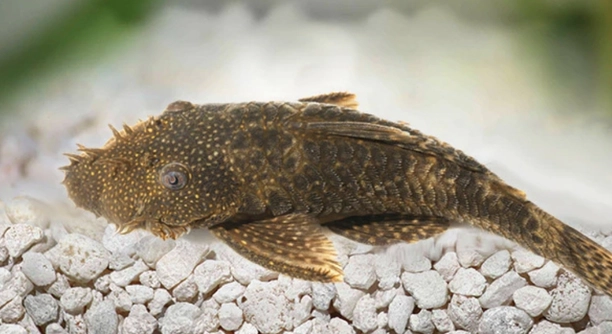
Are your plecos ignoring the algae wafers you carefully place in their tank each day? It can be frustrating to watch them swim past a ready meal, leaving your efforts seemingly unnoticed. Feeding time may not always go as planned.
One of the primary reasons plecos avoid algae wafers is due to diet variety and preference. Many plecos require a combination of fresh vegetables, biofilm, and specialized pellets, making wafers alone insufficient to meet their nutritional and sensory needs.
Understanding your pleco’s eating habits can help improve its diet and overall health. Learning these patterns ensures your fish remains active and well-nourished in its environment.
Understanding Pleco Dietary Preferences
Plecos are not as simple to feed as they may seem. Even though algae wafers are widely marketed, these fish often have specific dietary preferences that influence what they choose to eat. Many plecos enjoy fresh vegetables such as zucchini, cucumber, and spinach, which provide essential nutrients and fiber. In addition, some plecos feed on biofilm or algae growing naturally in the tank. If the wafers are too hard or lack familiar flavors, the fish may ignore them entirely. Observing your pleco during feeding times can help identify patterns in preference. Sometimes, the location of the wafer in the tank or the type of substrate can affect whether the fish notices it. Plecos may also eat more actively during certain times of day. Providing variety and paying attention to their behavior can encourage consistent feeding. It takes patience, but your pleco will likely respond positively when offered preferred options.
Feeding plecos a mix of vegetables and wafers improves their health and encourages natural behavior in the tank.
Consistency is key. By offering a variety of vegetables alongside algae wafers, you can maintain your pleco’s interest in food. Some plecos may need wafers softened in water to make them easier to consume. Over time, they will begin to accept new foods more readily, reducing stress and supporting growth. Tank environment matters too; clean water, hiding spots, and minimal competition from other fish help them eat without distraction. Observing reactions to different foods will allow adjustments, ensuring a balanced diet. Even small changes in feeding routine can make a significant difference in appetite. The goal is to create a feeding plan that aligns with natural behavior and preferences, which will lead to healthier, happier plecos.
Tank Environment and Feeding Behavior
Tank conditions greatly influence whether plecos eat algae wafers. Poor water quality, excessive light, or aggressive tank mates can discourage feeding.
Water temperature, pH levels, and oxygenation directly impact pleco metabolism and appetite. If the tank is overcrowded or noisy, plecos may hide instead of eating. Positioning wafers near sheltered areas can encourage them to feed more comfortably. Introducing a consistent feeding schedule helps the fish anticipate meals, reducing stress. Observing the tank regularly allows for adjustments in placement, timing, and portion size. Ensuring a calm, well-maintained environment supports natural feeding behavior. A stable habitat not only improves wafer consumption but also promotes overall health, longevity, and vibrant coloration.
By maintaining optimal conditions and observing your pleco’s habits, feeding issues can be minimized. Adjusting water quality, lighting, and tank organization encourages consistent eating. Plecos are sensitive to changes, so gradual modifications work best. Hiding spots and low-traffic areas make the fish feel secure during mealtime. Rotating wafer types and incorporating fresh vegetables further stimulates appetite. Some plecos prefer wafers softened in water, while others enjoy them firm. Tracking responses over several weeks allows for fine-tuning the feeding routine. Even subtle environmental improvements can increase wafer acceptance. Ultimately, understanding both diet and habitat ensures your pleco remains healthy, active, and responsive to its food.
Common Reasons Plecos Reject Algae Wafers
Plecos may ignore wafers due to flavor, texture, or unfamiliarity. Some wafers are too hard, too dry, or made from ingredients the fish does not recognize. Changing the type of wafer or softening it can help encourage feeding.
Dietary needs vary among pleco species. Certain species prefer more plant matter, while others favor protein-rich foods. If a wafer does not match their nutritional expectations, it may be left untouched. Plecos can also be picky if the wafer contains additives or flavors they are not accustomed to. Observing feeding habits and experimenting with different brands or homemade wafers can reveal preferences. Introducing new foods gradually, alongside familiar options, helps them adjust without stress. Environmental factors, such as tank lighting and water conditions, also influence willingness to eat.
Feeding behavior is influenced by both diet and environment. Plecos may ignore wafers if stressed, crowded, or not accustomed to a specific texture. Softening wafers in tank water or placing them in sheltered areas encourages acceptance. Consistency, patience, and observation help determine the best feeding approach. Offering vegetables or other supplements alongside wafers ensures balanced nutrition. Tracking which types are consistently eaten allows refinement of the feeding routine. Adjustments in timing and portion size further improve success. Over time, the fish adapts to preferred foods, making feeding smoother and more reliable.
Improving Wafer Acceptance
Offering wafers at the right time of day increases the likelihood plecos will eat. Evening feeding often works best, as plecos are more active in low light conditions.
Softening wafers before offering them can make a big difference. Placing wafers in areas with low traffic or near hiding spots encourages shy fish to approach. Combining wafers with fresh vegetables or small pieces of protein creates variety that attracts attention. Monitoring how long it takes for wafers to be eaten helps adjust feeding strategies. Over several days, small modifications can significantly increase consumption. Patience and careful observation ensure that plecos remain healthy and interested in all food types offered.
Signs Your Pleco Is Not Eating Properly
A pleco that ignores algae wafers may show signs of reduced activity or weight loss. Monitoring their behavior and body condition helps identify feeding issues early.
Changes in color or hiding more than usual can also indicate dietary stress. Observing these signs allows timely adjustments in feeding or environment.
Adjusting Feeding Techniques
Offering smaller portions more frequently can encourage plecos to eat consistently. Breaking wafers into pieces or softening them in tank water makes them easier to consume. Some plecos respond better when wafers are placed near plants or decorations, giving them a sense of security. Trial and observation are key to determining the most effective feeding method. Combining wafers with fresh vegetables or occasional protein sources ensures a balanced diet while maintaining interest in all food types. Consistency in routine and gradual introduction of new feeding strategies helps reduce stress and promotes healthy eating habits over time.
Monitoring Tank Cleanliness
Leftover wafers can pollute the tank. Removing uneaten food promptly prevents water quality issues and protects your pleco’s health.
FAQ
Why is my pleco ignoring algae wafers completely?
Plecos may refuse wafers for several reasons. Some are picky eaters, preferring fresh vegetables or natural algae in the tank. The texture or flavor of the wafer might not appeal to them. Softening the wafer in water or offering different brands can make it more acceptable. Environmental stress, such as poor water quality or aggressive tank mates, can also reduce appetite. Observing behavior during feeding times helps determine if the issue is food preference or external stressors. Gradual introduction of new foods alongside familiar options often improves acceptance.
Can the type of pleco affect wafer consumption?
Yes, species play a big role. Some plecos are primarily herbivores and favor fresh vegetables, while others require more protein or a mix of both. Common plecos often adapt well to wafers, but rare or wild-caught species may ignore them completely. Knowing your pleco’s natural diet helps guide feeding choices. Researching the species and offering a variety of foods ensures nutritional needs are met. Even within one species, individual preferences may vary. Tracking which foods are consistently eaten over time allows adjustment of feeding routines.
How can I encourage my pleco to eat wafers?
Softening wafers in tank water for a few minutes makes them easier to eat. Breaking them into smaller pieces or placing them near hiding spots reduces stress and encourages feeding. Adding vegetables like zucchini or spinach alongside wafers increases interest. Feeding during low-light periods, such as evening, often improves acceptance since plecos are more active at night. Patience is important; some plecos take time to adjust. Maintaining consistent feeding times and monitoring the tank environment also promotes a sense of security, making the fish more willing to eat.
Are there risks if my pleco refuses wafers?
Yes, if wafers are a main food source, refusal can lead to nutritional deficiencies. Plecos need a balance of fiber, vitamins, and protein depending on species. Ignoring wafers may also signal stress or health issues, such as poor water quality or parasites. Monitoring body weight, color, and activity level helps detect problems early. Supplementing their diet with fresh vegetables or protein sources ensures adequate nutrition. Regular water testing and tank maintenance prevent environmental causes for refusal. Addressing both diet and habitat reduces health risks and keeps plecos active and thriving.
How often should I offer wafers versus vegetables?
A mix works best. For most plecos, feeding wafers every other day while offering vegetables daily provides variety and meets nutritional needs. Some species may need more plant matter or protein, so adjust based on observation. Rotating foods keeps plecos interested and encourages balanced nutrition. Always remove uneaten wafers to prevent water contamination. Observing preferences over time allows refinement of feeding schedules. Consistency in portion size, placement, and timing supports healthy eating habits while minimizing waste in the tank.
Can stress or tank conditions affect wafer acceptance?
Absolutely. High traffic, aggressive tank mates, bright lighting, or poor water quality can make plecos reluctant to eat. Ensuring a calm environment, hiding spots, and stable water parameters encourages feeding. Plecos are sensitive to sudden changes, so gradual modifications work best. Observing feeding behavior in different tank areas helps identify ideal wafer placement. Adjusting tank layout or lighting can improve comfort, making plecos more willing to accept food. Stress reduction directly impacts appetite and overall health, so addressing environmental factors is as important as dietary choices.
What if my pleco still refuses wafers after adjustments?
If refusal continues, focus on alternative foods. Fresh vegetables, algae sheets, or specialized pellets can provide required nutrients. Some plecos never fully accept wafers, especially wild-caught or picky species. Maintaining water quality, reducing stress, and providing hiding spaces remain critical. Track diet and health carefully, supplementing as needed. Gradual experimentation with different foods helps identify what works best. The goal is a balanced, consistent diet that supports growth and activity. Even without wafers, plecos can thrive with careful feeding and attentive care.
Can overfeeding wafers cause problems?
Yes, overfeeding can lead to water pollution, poor health, and obesity. Uneaten wafers decompose, increasing ammonia and nitrate levels, which stress fish. Portion control is essential. Offering small amounts at a time and removing leftovers maintains water quality. Combining wafers with vegetables helps balance nutrition and reduces waste. Feeding consistently but not excessively prevents digestive issues and keeps plecos active. Tracking intake and adjusting based on behavior and appetite ensures feeding remains safe and effective.
How do I know if my pleco is getting enough nutrients without wafers?
Observe body condition, activity, and growth. Healthy plecos maintain weight, display normal coloring, and are active during feeding times. Provide a variety of vegetables and occasional protein sources to meet nutritional requirements. Monitor tank water to prevent stress-related issues. Regularly check for changes in appetite or behavior. Supplements can be added if deficiencies are suspected. Tracking health indicators ensures that your pleco thrives even if wafers are not a main part of the diet.
Are homemade wafers better than store-bought?
Homemade wafers allow control over ingredients, ensuring nutritional balance and avoiding additives. They can be tailored to your pleco’s preferences, incorporating vegetables, algae, or protein sources. Texture can be adjusted by baking or freezing to suit your fish. Store-bought wafers are convenient but may contain fillers or flavors some plecos reject. Experimenting with both options helps identify what your pleco prefers. Homemade wafers also provide flexibility to rotate ingredients and maintain interest. Consistency and proper storage are important to keep wafers safe and nutritious.
Final Thoughts
Feeding plecos can sometimes feel more complicated than expected. Even though algae wafers are marketed as a staple food, they do not always appeal to every pleco. Fish have individual preferences based on species, age, and past feeding habits. Some plecos may prefer fresh vegetables, while others need a combination of protein and plant matter. Observing your pleco’s behavior during feeding times is the most reliable way to understand what it likes and what it avoids. Paying attention to factors such as how quickly the fish approaches the food, whether it inspects or ignores it, and how much it consumes can reveal patterns over time. These observations allow you to adjust feeding strategies to suit your pleco’s specific needs. Using a variety of foods, including softening wafers in water or combining them with vegetables, ensures the fish receives proper nutrition without forcing it to eat something it rejects.
Consistency and patience are essential when dealing with finicky eaters. Plecos may initially ignore a new type of wafer or food simply because it is unfamiliar. Gradual introduction of different foods allows the fish to adjust without causing stress or frustration. A consistent feeding schedule helps your pleco anticipate mealtimes and increases the likelihood it will accept food when offered. Environmental conditions, such as water quality, temperature, and tank layout, also play a significant role in feeding behavior. A calm, well-maintained environment with hiding spaces and minimal competition encourages plecos to eat without stress. Neglecting these factors can reduce appetite, even when the food itself is suitable. By combining careful observation, variety in diet, and attention to the tank environment, you can create a feeding routine that supports your pleco’s health and activity.
Finally, understanding your pleco’s needs goes beyond just offering algae wafers. The goal is to provide a balanced diet and a safe, comfortable habitat. Fresh vegetables, occasional protein sources, and specialized pellets complement wafers and keep the fish engaged with its food. Monitoring body condition, activity level, and behavior provides feedback on whether the current feeding approach is effective. Adjusting feeding methods, food types, and placement in the tank allows you to respond to changes in appetite or preferences. Even if a pleco never fully accepts wafers, it can thrive with proper care, variety, and attention to its diet and environment. Over time, patience and observation will help you find the best routine for your pleco, ensuring it remains healthy, active, and well-nourished. This approach also strengthens the connection between the fish and its environment, making feeding a predictable and stress-free part of its daily life.

Hello,
If you enjoy the content that we create, please consider saying a "Thank You!" by leaving a tip.
Every little bit helps us continue crafting quality advice that supports the health, happiness, and well-being of pets around the world, for pets of all shapes, sizes, and species.
We really appreciate the kindness and support that you show us!