
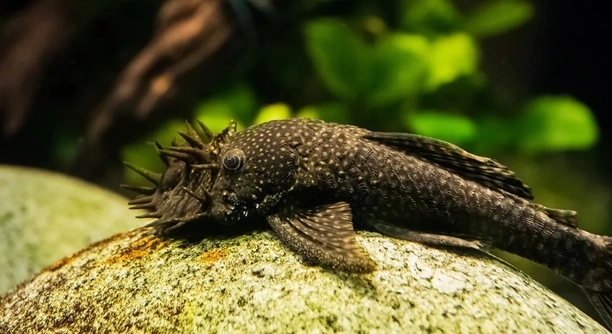
Are your bristlenose plecos struggling to find their favorite hiding spots in the aquarium? Many fish owners want a natural, healthy environment for these peaceful bottom dwellers. Plants can provide comfort and shelter effortlessly.
The best plants to pair with bristlenose plecos are hardy, low-light, and slow-growing species such as Java fern, Anubias, Amazon sword, Cryptocoryne, mosses, and floating plants. These provide cover, improve water quality, and reduce stress in the aquarium environment.
Choosing the right plants will not only enhance the aquarium’s appearance but also create a balanced, thriving habitat for your plecos to enjoy.
Java Fern
Java fern is one of the easiest plants to care for in a pleco tank. Its thick leaves can withstand nibbling from bristlenose plecos without showing much damage. It thrives in low-light conditions and does not require substrate planting, as it can attach to rocks or driftwood. This makes it versatile for aquariums of any size. Java fern also helps reduce algae growth by absorbing excess nutrients, keeping the tank cleaner for longer periods. Its broad leaves create ideal hiding spots, giving plecos a sense of security. Additionally, it supports overall tank health by improving water quality and providing oxygen. Over time, the plant can grow to fill corners and edges of the tank, making the environment feel more natural. Maintaining Java fern is simple: regular water changes and occasional trimming are usually enough. Its resilience and minimal care requirements make it an excellent choice for both new and experienced aquarists.
Java fern is durable, low-maintenance, and provides excellent hiding spots, making it a reliable plant for tanks with bristlenose plecos.
Many aquarists prefer Java fern because it grows steadily without much intervention. Unlike delicate plants that require precise light or fertilization, Java fern adapts to a wide range of water conditions. Its ability to attach to wood or rocks means it doesn’t compete with substrate-heavy plants. Plecos can graze gently on its leaves without harming the plant significantly. The broad surface area also provides a resting place for plecos, giving them comfort in the tank. Over time, Java fern can form dense clusters that reduce stress and aggression among tank inhabitants. It also contributes to cleaner water by absorbing excess nutrients, which helps control algae growth. Because of its low maintenance, it allows aquarists to focus more on caring for their fish rather than constantly tending to plants. Even small tanks benefit from Java fern’s presence, as it fills empty spaces without overwhelming the aquarium.
Anubias
Anubias is another hardy plant suitable for pleco tanks. Its tough leaves withstand nibbling and low-light conditions, making it a practical choice for most setups.
Anubias grows slowly and can attach to wood or rocks, creating natural shelters. It requires minimal maintenance while enhancing the tank’s appearance. Its broad leaves give plecos areas to rest and hide, supporting a less stressed environment. Unlike fragile plants, Anubias does not need constant trimming or specific lighting, making it highly adaptable. Its slow growth ensures it won’t overcrowd the tank, allowing other plants to coexist peacefully. Plecos appreciate the texture and shade provided by its leaves, which also encourages natural behavior such as grazing and exploring. Because it improves water quality by absorbing nutrients, it helps maintain a healthier ecosystem in the aquarium. Planting it is simple: tie it to driftwood or rocks, and it will anchor itself naturally. Regular water changes and occasional cleaning of older leaves are usually sufficient. Its durability and ease of care make Anubias one of the top choices for tanks housing bristlenose plecos.
Amazon Sword
Amazon swords grow well in nutrient-rich substrate and provide tall leaves that plecos can hide behind. They need moderate lighting but are generally easy to maintain. Their broad leaves make them ideal for creating shade and resting spots in the tank.
These plants grow quickly under the right conditions and can fill empty spaces in the aquarium, giving plecos a sense of security. They help improve water quality by absorbing excess nutrients, which reduces algae growth. The tall, strong leaves are resistant to nibbling, allowing plecos to explore and graze without damaging the plant significantly. Over time, the dense foliage creates natural boundaries that encourage territorial behavior in a balanced way. Amazon swords also support other fish by offering cover and shelter, making the tank feel more complete. Occasional trimming and fertilization help maintain their health. Their ability to grow large and provide both structure and function makes them a valuable addition to any pleco tank.
Planting Amazon swords correctly requires burying the roots in substrate while keeping the crown exposed to prevent rot. This ensures strong growth and avoids common issues. They thrive with moderate light and occasional liquid fertilizers. When maintained well, Amazon swords develop large, healthy leaves that create natural hiding spots and resting areas for bristlenose plecos. Their rapid growth and ability to coexist with other plants make them ideal for community tanks. Plecos often rest near the base of the leaves during the day, emerging at night to graze. The plant also supports microfauna, which plecos may feed on, adding to a balanced ecosystem. By choosing Amazon swords, aquarists can enjoy a visually pleasing tank that also meets the behavioral needs of their fish.
Cryptocoryne
Cryptocoryne adapts well to low-light conditions and moderate water flow. Its varied leaf shapes and sizes offer plecos interesting surfaces for grazing and hiding. It’s slow-growing, so it won’t quickly overtake the tank.
The plant’s tolerance to different water parameters makes it suitable for many aquariums. It produces roots that help stabilize substrate and absorb nutrients efficiently. Plecos can rest beneath its leaves or graze gently without harming the plant. Its slow growth allows for gradual coverage, creating natural textures and shadows that enrich the tank’s environment. Cryptocoryne also helps prevent algae overgrowth by competing for nutrients, keeping the tank balanced. Regular water changes and occasional trimming are enough to maintain its appearance. The plant can survive minor disturbances, making it resilient in tanks with active fish. Its combination of functionality and aesthetics makes Cryptocoryne a practical choice for aquariums housing bristlenose plecos.
Mosses
Mosses attach easily to rocks, driftwood, or substrate, providing small hiding spots for plecos. They tolerate low light and help improve water quality by absorbing excess nutrients. Mosses grow slowly, requiring minimal maintenance while adding texture to the tank.
They also create surfaces for plecos to graze on algae naturally. The dense growth offers protection for smaller fish and encourages natural behaviors. Mosses can fill empty spaces without overcrowding, making the tank feel more dynamic and alive. Their soft texture makes them gentle for plecos to interact with, and they help maintain a balanced ecosystem with minimal effort.
Floating Plants
Floating plants like duckweed or water lettuce provide shade and reduce light intensity in the tank. Plecos enjoy resting in these shaded areas.
These plants grow quickly and absorb excess nutrients, helping control algae growth. Their roots create additional surfaces for microfauna, which plecos may graze on. Floating plants also improve oxygen levels near the surface and contribute to a healthier aquarium environment. Their fast growth requires occasional thinning to prevent overcrowding, but they remain low-maintenance and highly beneficial for bristlenose plecos.
Anacharis
Anacharis grows rapidly in moderate light and nutrient-rich water. Its tall stems create vertical cover, allowing plecos to hide and explore freely. It improves water quality and oxygenates the tank, benefiting both plants and fish.
Vallisneria
Vallisneria forms long, ribbon-like leaves that sway gently in the water, giving plecos hiding spots and a natural environment. Its fast growth helps reduce excess nutrients.
FAQ
What types of plants are safest for bristlenose plecos?
Hardy plants with thick leaves are the safest for bristlenose plecos. Examples include Java fern, Anubias, Amazon sword, and Cryptocoryne. These plants can withstand gentle grazing without significant damage. Mosses and floating plants are also safe, offering shelter and grazing surfaces without harming the fish or the plants.
Can bristlenose plecos damage aquarium plants?
Bristlenose plecos are generally gentle and rarely damage tough plants. They may nibble on softer leaves or algae-covered surfaces, but this behavior is normal. Providing plants with thick, strong leaves ensures they remain healthy, while plecos enjoy a natural grazing spot without causing harm to the aquarium’s overall plant life.
How much light do these plants need?
Most plants suitable for plecos thrive in low to moderate light. Java fern, Anubias, and Cryptocoryne grow well in low-light setups, while Amazon swords and Anacharis prefer moderate light. Floating plants can help diffuse light, creating shaded areas for plecos and balancing the aquarium’s overall lighting conditions.
Do plecos eat live plants?
Bristlenose plecos mostly feed on algae, biofilm, and occasional vegetables. They rarely eat tough or mature plant leaves. Soft or young leaves may be nibbled occasionally, but with proper plant selection, plecos coexist peacefully with live plants, grazing naturally without causing significant damage.
How do plants benefit plecos?
Plants improve water quality by absorbing nutrients, which reduces algae growth. They create shaded areas and hiding spots that reduce stress. Dense foliage also provides resting and grazing areas, mimicking a natural environment. This combination of shelter, oxygenation, and grazing surfaces keeps plecos healthier and more active.
How often should I trim the plants?
Trimming depends on plant growth. Fast growers like Anacharis and floating plants may need weekly trimming to prevent overcrowding. Slower growers like Anubias and Java fern require occasional maintenance to remove damaged leaves. Regular trimming keeps plants healthy, maintains tank aesthetics, and ensures plecos have enough space to move freely.
Can plecos live in tanks without plants?
Yes, plecos can survive without plants, but the environment may be less stimulating. Plants offer shade, hiding spots, and grazing surfaces, which help reduce stress and encourage natural behavior. While plecos can adapt to bare tanks, a planted setup improves their well-being and supports a balanced ecosystem.
Are floating plants helpful for plecos?
Floating plants are beneficial because they provide shade and help reduce light intensity in the tank. Their roots create extra surfaces for microfauna, which plecos can graze on. They also absorb excess nutrients, helping maintain water quality. Fast-growing floating plants may require occasional thinning to prevent overcrowding.
What’s the best substrate for planted pleco tanks?
Nutrient-rich substrates like aquarium soil or fine gravel support plant growth. Some plants, like Java fern and Anubias, can attach to rocks or driftwood instead of being planted. A mix of substrate types allows flexibility and accommodates both rooted plants and those that grow on surfaces, giving plecos varied areas to explore and rest.
How can I encourage plant growth in a pleco tank?
Regular water changes, moderate lighting, and occasional fertilization help plants grow well. Avoid overfeeding plecos, which can increase waste and algae growth. Choosing hardy, adaptable plants reduces maintenance needs. Proper spacing and trimming ensure plants grow evenly, creating a healthy and balanced environment for both plants and plecos.
Do plecos need hiding spots besides plants?
Yes, while plants provide shelter, additional hiding spots like driftwood, rocks, or caves give plecos security. These areas mimic their natural environment and reduce stress. Combining plants with other hiding structures ensures plecos have options for resting, grazing, and exploring, which supports healthier behavior and activity levels.
Can planted tanks prevent algae in pleco tanks?
Yes, healthy plants compete with algae for nutrients, which helps reduce algae growth. Fast-growing plants like Anacharis and floating plants are particularly effective. Maintaining proper lighting, water changes, and plant density further limits algae, creating a cleaner environment that benefits plecos and keeps the tank looking well-maintained.
How long does it take for plants to establish in a pleco tank?
Establishment varies by plant type. Hardy, slow-growing plants like Anubias and Java fern attach and grow steadily, while faster-growing plants like Anacharis may fill spaces quickly. Typically, most plants establish within a few weeks to a couple of months, creating stable hiding spots and improving overall water quality.
Can I mix different plant species in a pleco tank?
Yes, mixing species creates a natural and diverse environment. Combining low-light plants, tall background plants, and floating plants provides shade, hiding spots, and grazing surfaces. Diversity also helps balance nutrient uptake, reduces algae growth, and supports a more dynamic and visually appealing aquarium for plecos.
How do I know if a plant is healthy for my plecos?
Healthy plants have vibrant leaves, firm stems, and minimal damage. Avoid plants with discoloration, holes, or rot, as they may introduce disease or decay. Observing how plecos interact with plants also helps; hardy plants that withstand nibbling without deteriorating are ideal choices for the aquarium.
Final Thoughts
Bristlenose plecos are peaceful, hardy fish that thrive best in an aquarium with plants. Adding live plants improves the tank environment by providing shade, hiding spots, and natural surfaces for grazing. Plants like Java fern, Anubias, Amazon sword, and Cryptocoryne are particularly suitable because they are resilient and can withstand gentle nibbling. Floating plants and mosses add extra texture and areas for plecos to explore. Having a variety of plants ensures the tank feels more natural and balanced, which helps reduce stress and encourages normal behavior in your fish. The presence of plants also helps improve water quality by absorbing excess nutrients and reducing algae growth, creating a healthier environment for all tank inhabitants.
Maintaining planted tanks does not need to be complicated. Slow-growing plants like Anubias and Java fern require minimal attention, while faster-growing species like Anacharis or Amazon swords may need occasional trimming. A nutrient-rich substrate and moderate lighting support steady growth, while regular water changes keep both plants and plecos healthy. Plecos rarely harm hardy plants, so choosing the right species can make the aquarium low-maintenance. It is important to consider tank size, lighting, and water conditions when selecting plants. Even simple adjustments, like adding a few moss-covered rocks or floating plants, can create meaningful shelter and resting areas for plecos, enhancing their overall well-being. By planning the tank carefully, you can create a space that looks good and supports natural fish behavior.
A planted aquarium benefits both the fish and the caretaker. Plecos gain comfort, shade, and grazing surfaces, while plants maintain water quality and aesthetic appeal. The variety of plant types—from tall Amazon swords to low-growing mosses—creates layers that make the tank visually appealing and functionally supportive for plecos. Over time, the plants grow and fill spaces, reducing stress for the fish and encouraging exploration and natural grazing habits. Even in small aquariums, a careful selection of hardy plants provides meaningful coverage and resting areas. Overall, combining the right plants with proper care creates a balanced, healthy, and visually pleasing tank. A thoughtful plant setup ensures bristlenose plecos can thrive while allowing the caretaker to enjoy a low-maintenance, natural-looking aquarium. With attention to plant types, growth patterns, and placement, the tank becomes a stable and enriching environment for your plecos.

Hello,
If you enjoy the content that we create, please consider saying a "Thank You!" by leaving a tip.
Every little bit helps us continue crafting quality advice that supports the health, happiness, and well-being of pets around the world, for pets of all shapes, sizes, and species.
We really appreciate the kindness and support that you show us!