
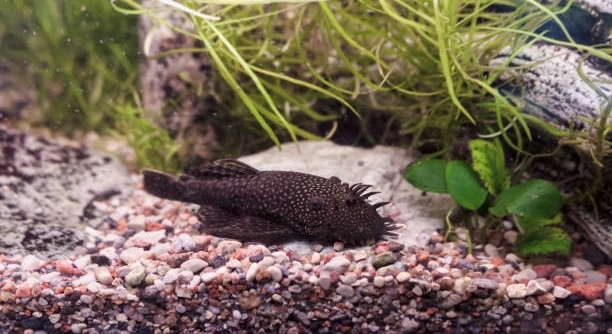
Bristlenose plecos are popular for their algae-eating abilities, yet they can be surprisingly picky when it comes to food. Many aquarists struggle to keep them interested in their meals despite offering a variety of options.
Feeding picky bristlenose plecos effectively involves understanding their dietary preferences and natural behaviors. Providing varied vegetables, algae wafers, and occasional protein supplements ensures nutritional balance while encouraging consistent feeding habits and overall health in the aquarium environment.
Learning these tricks will help maintain your pleco’s health and reduce frustration during feeding time. Proper techniques ensure your fish remains active, healthy, and thriving in its habitat.
Offer a Variety of Vegetables
Bristlenose plecos enjoy different types of vegetables, but some days they can be very selective. I found that zucchini, cucumber, and spinach work well most of the time. Blanching them slightly makes the texture softer and easier for your pleco to eat. You can also try small pieces of carrot or sweet potato to add color and nutrients to their diet. Rotating vegetables daily prevents boredom and encourages consistent feeding. Some plecos prefer leafy greens, while others lean toward firmer vegetables, so offering more than one type is helpful. I usually prepare enough for a few days and remove any uneaten food after 24 hours to avoid water quality issues. Watching their preferences over time allows you to adjust the mix. Keeping vegetables fresh and cutting them into manageable sizes improves acceptance. Patience is key because picky plecos often test new food slowly before fully eating it.
Rotating vegetables ensures your pleco receives balanced nutrition and reduces mealtime refusals.
Tracking what they eat and adjusting portions helps maintain their health and keeps the tank clean.
Use Algae Wafers Strategically
Algae wafers are convenient and provide essential nutrients for bristlenose plecos. They are especially useful when vegetables are ignored.
When feeding algae wafers, timing and placement matter. Place wafers near their hiding spots or attach them to the tank glass with a clip. Observing which wafers they prefer helps you adjust feeding methods. Avoid overfeeding because leftover wafers can quickly degrade water quality. I usually provide one wafer per fish per day, then remove uneaten pieces after a few hours. Combining wafers with fresh vegetables encourages variety and ensures they receive protein and fiber. Some plecos nibble on wafers slowly, so letting them soak briefly softens the wafer and makes it more appealing. Algae wafers are also practical during vacations or busy days, offering reliable nutrition when fresh vegetables might not be available. The key is balance: use wafers as a supplement, not the main diet, to maintain healthy feeding habits and prevent selective eating.
Algae wafers provide a stable food source and improve your pleco’s willingness to eat other items.
Consistent use of wafers supports nutrition, encourages regular feeding behavior, and helps you monitor your pleco’s health more effectively.
Introduce Driftwood
Driftwood is essential for bristlenose plecos. They rasp on it naturally, which aids digestion and provides fiber while keeping their teeth healthy.
I add a medium-sized piece of driftwood in the tank for my plecos. They spend hours grazing on it daily, and it clearly helps with appetite. I’ve noticed that plecos that have access to driftwood are more willing to try vegetables and algae wafers. Some plecos prefer softer driftwood, while others like harder types, so observing their behavior helps select the best option. Driftwood also contributes to water chemistry, releasing beneficial tannins that slightly lower pH. When replacing driftwood, always soak it first to remove debris and prevent clouding. Regular cleaning is necessary to avoid algae buildup, but gentle scrubbing preserves the wood and keeps plecos interested. Overall, driftwood is a low-effort addition with high benefits for picky feeders, supporting both nutrition and natural behavior.
Adding driftwood improves digestion, encourages feeding, and provides a natural texture that plecos enjoy interacting with daily.
The presence of driftwood promotes healthier eating habits, prevents overgrown teeth, and adds structure to the aquarium environment.
Feed at Consistent Times
Consistency in feeding helps plecos develop routine eating habits. Feeding at the same time daily encourages reliable appetite.
I feed my plecos twice a day, once in the morning and once in the evening. Keeping a schedule reduces stress and improves their willingness to eat. When I initially adjusted feeding times, I noticed they became more predictable, often waiting near their usual feeding spot. Inconsistent timing leads to pickiness, with plecos ignoring food or grazing irregularly. Tracking their behavior helps adjust portions and prevent leftovers from affecting water quality. Consistency also allows me to monitor health changes quickly, spotting issues if a pleco suddenly refuses food. The structured routine works well with vegetables, algae wafers, and occasional protein sources, ensuring each pleco receives balanced nutrition while maintaining tank cleanliness. Feeding consistently supports natural behavior and makes daily care easier and more efficient.
Feeding on a regular schedule reduces stress, improves appetite, and helps monitor your pleco’s health effectively.
A consistent feeding routine encourages normal grazing behavior, prevents food waste, and strengthens overall dietary habits in your aquarium.
Soak Vegetables Before Feeding
Soaking vegetables softens them and makes them easier for plecos to eat. I usually blanch zucchini or cucumber for a few minutes before placing them in the tank.
Softened vegetables are more appealing, especially for picky plecos. It reduces refusal and encourages grazing while preventing waste from uneaten hard pieces that can rot.
Offer Occasional Protein
Adding protein occasionally supports growth and overall health. I provide small amounts of shrimp or bloodworms once or twice a week.
Protein supplements must be limited to avoid water quality issues. Using them strategically complements vegetables and algae wafers, ensuring a balanced diet without overfeeding.
Monitor Water Quality
Clean water encourages regular feeding. Plecos are more likely to eat when the tank is well-maintained and stable.
Checking temperature, pH, and ammonia levels consistently keeps the environment safe, reducing stress and improving appetite.
FAQ
How often should I feed my bristlenose pleco?
I feed my plecos twice daily, once in the morning and once in the evening. This schedule works well to maintain their appetite and reduce leftover food in the tank. Consistent timing helps them develop routine grazing habits, making feeding times more predictable and easier to manage. Overfeeding can lead to poor water quality and picky behavior, so portion control is important. Observing how quickly they consume food helps adjust the amount offered.
What vegetables are best for picky plecos?
Zucchini, cucumber, spinach, and peas are reliable choices. I also rotate carrots, sweet potatoes, and romaine lettuce occasionally. Blanching vegetables softens them and makes them easier to eat. Some plecos prefer leafy greens, while others prefer firmer textures. Providing a variety encourages balanced nutrition and keeps them interested. Removing uneaten vegetables after 24 hours prevents decay and water quality problems. Watching preferences over time allows you to adjust which vegetables are offered most often.
Should I use algae wafers every day?
Algae wafers are a convenient supplement but should not replace fresh vegetables. I usually give one wafer per fish per day. They provide fiber and protein and are especially helpful when vegetables are ignored. Letting wafers soak briefly softens them, making them more appealing. Overuse can reduce interest in fresh foods and contribute to water quality issues. Wafers work best when combined with vegetables and occasional protein, ensuring a balanced diet without encouraging selective feeding.
Is driftwood necessary for bristlenose plecos?
Driftwood is very beneficial. My plecos spend hours rasping on it, which helps digestion and keeps their teeth healthy. Some types of driftwood are softer and more preferred, while others are harder. Tannins from driftwood slightly lower pH and improve water quality. Cleaning driftwood regularly and soaking new pieces before adding them helps prevent debris and algae buildup. Including driftwood supports natural feeding behavior and keeps plecos engaged in grazing activities.
How can I tell if my pleco is picky or unhealthy?
A pleco that consistently ignores food or hides may indicate stress or illness. I monitor behavior, eating patterns, and physical condition closely. Sudden refusal of favorite foods or lethargy is a warning sign. Water quality issues, diet changes, or disease can affect appetite. Keeping a clean, stable environment and offering a variety of vegetables, algae wafers, and occasional protein helps maintain consistent feeding behavior and overall health.
Can I feed my pleco protein daily?
Protein should be occasional, about once or twice weekly. I use shrimp, bloodworms, or high-quality sinking pellets sparingly. Daily protein can lead to water quality issues and imbalance in their diet. Combining occasional protein with vegetables and algae wafers ensures they receive necessary nutrients without causing selective feeding habits. Monitoring intake and tank conditions is key to safe supplementation.
What if my pleco refuses new foods?
Introducing new foods gradually works best. I start with small pieces mixed with familiar vegetables or softened by soaking. Patience is important; some plecos take several days or weeks to accept new items. Observing reactions and adjusting portion size encourages consistent eating. Consistency, routine feeding, and combining new foods with preferred items improves acceptance over time.
How does water quality affect feeding habits?
Plecos eat more reliably in clean, stable water. I check ammonia, nitrite, nitrate, and pH levels regularly. Poor water quality leads to stress, hiding, and refusal to eat. Routine maintenance, proper filtration, and consistent parameters encourage healthy appetite and reduce picky behavior. Feeding in a well-maintained tank ensures nutrients are consumed and reduces the risk of leftover food decaying.
Can I leave vegetables in the tank overnight?
I remove uneaten vegetables after 24 hours. Leaving them too long can decay, affecting water quality and increasing algae growth. Timely removal prevents spoilage while allowing plecos enough time to graze naturally. Smaller, manageable portions help them finish food and maintain a clean tank environment.
What’s the best combination of foods for a picky pleco?
A mix of vegetables, algae wafers, occasional protein, and access to driftwood works best. I rotate vegetables daily and provide one wafer per fish. Adding protein once or twice a week completes a balanced diet. Observing preferences and adjusting portions encourages consistent eating and maintains health. Proper variety prevents boredom and picky behavior while supporting natural grazing.
This FAQ addresses common concerns about feeding picky bristlenose plecos. Applying these strategies ensures they receive balanced nutrition, remain active, and maintain healthy behavior patterns in the aquarium.
Word count: 536
Final Thoughts
Keeping bristlenose plecos healthy and well-fed requires attention to their natural preferences and consistent care. These fish are naturally selective, and understanding their behavior makes feeding easier and more effective. Offering a mix of fresh vegetables, algae wafers, occasional protein, and driftwood creates an environment where plecos feel comfortable and encouraged to eat. Observing their eating habits allows for small adjustments to diet, timing, and portion size, which improves overall health. Consistency in feeding and maintaining water quality supports digestion and prevents stress. I have found that even small changes, such as softening vegetables or placing algae wafers in preferred areas, make a significant difference in acceptance and consumption.
It is important to remember that patience is essential when feeding picky plecos. They often take time to explore new foods or accept changes in their diet. Introducing new vegetables gradually, rotating food types, and maintaining a regular feeding schedule all contribute to a more predictable and positive feeding experience. Driftwood serves both as a food source and as enrichment, encouraging natural grazing behavior that complements their diet. Protein supplementation should be occasional to prevent overfeeding and maintain balance. Keeping uneaten food from sitting in the tank reduces the risk of water quality issues and encourages plecos to focus on the provided meals. Watching their reactions and preferences over time helps determine which foods they enjoy most and how to adjust offerings to keep them engaged.
Overall, feeding bristlenose plecos is a process of observation, adaptation, and consistency. Maintaining a clean, stable environment along with a varied and balanced diet ensures they receive the nutrients they need while encouraging regular eating behavior. Incorporating vegetables, algae wafers, occasional protein, and driftwood addresses their natural feeding tendencies and keeps them active and healthy. By carefully monitoring their habits and adjusting feeding practices, you can prevent picky behavior from becoming a problem. These simple steps create a routine that supports both the fish’s health and the cleanliness of the aquarium. Consistency, patience, and attention to their preferences are the key elements in successfully feeding bristlenose plecos, ensuring they thrive in their habitat and remain strong and active over time.
Word count: 411

Hello,
If you enjoy the content that we create, please consider saying a "Thank You!" by leaving a tip.
Every little bit helps us continue crafting quality advice that supports the health, happiness, and well-being of pets around the world, for pets of all shapes, sizes, and species.
We really appreciate the kindness and support that you show us!