
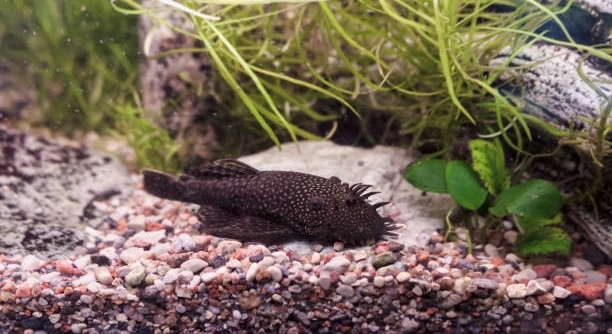
Bristlenose plecos are charming additions to home aquariums, but they can experience stress that affects their health and behavior. Observing subtle signs early helps maintain a safe and comfortable environment for these peaceful fish.
Stressed bristlenose plecos often display visible changes in coloration, clamped fins, rapid breathing, hiding more frequently, reduced appetite, erratic swimming, and an increase in mucus production. Monitoring these indicators consistently ensures timely intervention and supports the fish’s overall wellbeing.
Recognizing these signs allows you to act promptly, creating a healthier tank environment and promoting the long-term happiness of your bristlenose pleco.
Changes in Coloration
Bristlenose plecos often show stress through changes in their color. Normally, they have a consistent pattern of brown and tan with slight speckles. When stressed, their colors can fade or darken noticeably. I noticed one of my plecos turning much paler after a sudden water change, which signaled that it was feeling uneasy. Color shifts can occur due to poor water quality, sudden temperature fluctuations, or overcrowding. It’s important to observe your pleco regularly so that even subtle changes don’t go unnoticed. Addressing these factors promptly, such as checking water parameters or adjusting tankmates, can help your fish regain its natural hues. Additionally, stress can make their fins less vibrant, and prolonged stress might lead to more serious health concerns. By keeping an eye on coloration and acting quickly, you ensure that your pleco remains healthy and displays its natural beauty consistently.
Color changes are often the first visible sign that something in the tank needs attention.
Maintaining stable water conditions and providing proper hiding spots can prevent stress-related color changes. Regularly testing water parameters and avoiding sudden adjustments helps the fish remain calm. Observing behavior alongside coloration gives a clearer picture of overall health. Gradual changes in temperature or pH are less likely to shock the pleco, reducing stress. Providing a calm environment with minimal disturbances supports their natural patterns. These small steps contribute significantly to the wellbeing of bristlenose plecos and their long-term vibrancy in the tank.
Clamped Fins and Unusual Postures
Clamped fins are a clear indicator of stress.
When a bristlenose pleco holds its fins close to its body or adopts unusual postures, it often signals discomfort. I once observed one hiding in a corner with its fins tightly pressed after a sudden influx of new fish. This behavior can result from poor water quality, aggression from tankmates, or sudden changes in the tank environment. Fins that are not fully spread may also suggest that the fish is conserving energy due to illness or environmental stress. Keeping the tank clean, providing sufficient space, and monitoring interactions between fish can reduce these behaviors. Feeding a varied diet and maintaining consistent lighting schedules further support natural behaviors. In my experience, offering hiding places like caves or driftwood allows plecos to feel secure, which encourages normal fin posture. By understanding these physical signs, it’s easier to make adjustments that promote comfort and reduce stress levels for bristlenose plecos.
Hiding More Frequently
Hiding more than usual is a strong stress signal. My pleco started spending entire days inside its cave after a sudden tank rearrangement. Stress can make them seek shelter constantly, avoiding activity and interaction in the tank.
Extended hiding often indicates environmental discomfort. Changes in water temperature, lighting, or new tankmates can push plecos into retreating. In my tank, one pleco hid nearly all day when the filter flow increased suddenly. Providing multiple hiding spots reduces competition and gives the fish choices for comfort. Observing when and where plecos hide helps identify stress triggers. Some may prefer dark corners, others near driftwood. Adjusting tank conditions gradually prevents prolonged stress and encourages more normal activity.
Reducing stress-related hiding involves maintaining stable water parameters and a calm tank layout. Soft lighting, gentle currents, and consistent feeding schedules help plecos feel secure. Overcrowding should be avoided, and tankmates monitored for aggression. Offering ample hiding places like caves, PVC tubes, and dense plant areas supports natural behavior and reduces anxiety. I noticed my pleco became more active after adding extra shelters, proving that small adjustments can make a big difference. Gradual acclimation to changes also helps them stay confident and less stressed.
Reduced Appetite
A decrease in appetite is a visible stress response. My pleco skipped meals for two days after a sudden water parameter change.
Reduced feeding can result from stress, illness, or changes in the environment. In my experience, plecos may eat less during water fluctuations, after moving decorations, or when tankmates become aggressive. Monitoring feeding habits helps detect early stress. Offering familiar foods and avoiding sudden changes encourages normal eating. If appetite loss persists, water testing and observation are critical.
Maintaining a consistent feeding schedule supports health and reduces stress. I provide fresh vegetables and sinking pellets daily, which my pleco prefers. Sudden diet changes often worsen stress, so introducing new foods gradually is essential. Observing appetite alongside other behaviors, such as hiding or clamped fins, gives a clearer picture of wellbeing. Ensuring water quality, reducing disturbances, and offering multiple food locations promotes natural feeding behavior. Consistency and patience help plecos regain normal appetite, improving overall health and minimizing stress.
Rapid Breathing
Rapid gill movement is a clear sign of stress. I noticed my pleco breathing faster after a sudden increase in tank temperature.
This behavior often signals poor water quality, low oxygen levels, or high ammonia. Observing breathing patterns daily helps detect problems early and ensures timely corrective measures.
Erratic Swimming
Erratic swimming, including darting or sudden pauses, indicates stress or discomfort. My pleco displayed this behavior after adding new tankmates, showing unease and tension in its movements. Stressful conditions like overcrowding, poor water quality, or sudden environmental changes often cause irregular swimming patterns. Providing a stable environment, sufficient hiding spaces, and gentle water flow encourages calmer behavior. Observing swimming patterns in combination with other signs, like clamped fins or hiding, gives a clearer picture of stress levels. Gradual adjustments and careful monitoring help plecos regain normal swimming behavior and reduce anxiety in the tank.
Increased Mucus Production
Excess mucus on the skin or fins often appears when plecos are stressed. This can result from poor water conditions or irritation.
FAQ
How can I quickly tell if my bristlenose is stressed?
The most immediate signs include faded or darkened coloration, clamped fins, hiding more than usual, rapid breathing, and erratic swimming. I noticed my pleco showing multiple signs after a sudden water change. Watching behavior daily helps identify stress early and address it before serious health issues develop.
What water parameters should I monitor for stress prevention?
Maintaining stable temperature, pH, ammonia, nitrite, and nitrate levels is essential. I test my tank weekly to avoid sudden fluctuations. Plecos thrive in slightly acidic to neutral pH and temperatures around 73–81°F. Consistent water conditions reduce stress, prevent disease, and encourage normal behavior.
Are certain tankmates more stressful for bristlenose plecos?
Aggressive or overly active fish can stress plecos, leading to hiding, clamped fins, and reduced appetite. My pleco calmed down once I separated it from overly aggressive tankmates. Providing peaceful companions and enough space helps minimize conflicts and supports a stable environment.
How important are hiding spots for stress reduction?
Very important. Plecos naturally hide in caves or under driftwood. I added multiple shelters in my tank, and my pleco became noticeably more active. Hiding areas reduce anxiety, allow natural behavior, and help plecos feel safe during feeding or tank maintenance.
Can diet affect stress levels?
Yes. Offering a consistent diet with fresh vegetables and sinking pellets supports health and reduces stress. I avoid sudden food changes. Variety is good, but gradual introduction prevents anxiety. Starvation or poor nutrition can worsen stress and make plecos more vulnerable to illness.
How does lighting impact stress?
Bright or inconsistent lighting can make plecos nervous. I use soft lighting with a day-night schedule. Dim areas or shaded corners give plecos options, mimicking their natural habitat. Stable lighting patterns help maintain normal behavior and reduce stress-related hiding or erratic swimming.
What should I do if my pleco stops eating?
Check water parameters first, then offer familiar foods. I’ve seen my pleco resume eating after correcting water pH and temperature. If appetite loss continues, consider separating the fish or consulting a veterinarian. Persistent refusal to eat signals serious stress or illness.
How often should I observe my pleco for stress signs?
Daily observation is ideal. I watch feeding, swimming, and resting patterns every day. Small changes in behavior can indicate early stress. Catching these signs early allows for prompt action, like adjusting water quality, tank layout, or diet.
Can adding decorations or rearranging the tank cause stress?
Yes. Sudden changes can unsettle plecos. My pleco hid for hours after I added new rocks. Gradual rearrangements or introducing new items one at a time helps plecos acclimate without causing prolonged stress.
Is stress reversible in bristlenose plecos?
Most stress is reversible if addressed quickly. I’ve seen plecos return to normal color, appetite, and behavior once environmental issues were corrected. Consistency in water parameters, diet, and safe hiding spaces helps them recover fully. Chronic stress may have lasting effects, so early intervention is key.
How can I make my tank environment more calming overall?
Maintain stable water conditions, provide hiding spots, reduce aggressive tankmates, use gentle water flow, and keep lighting consistent. I also avoid sudden disturbances. A calm environment encourages normal behavior, reduces stress, and improves the pleco’s long-term health.
What signs indicate serious stress that needs immediate attention?
Persistent hiding, rapid breathing, faded color, erratic swimming, and refusal to eat for several days. I take immediate action by testing water, checking for aggressive fish, and adjusting tank setup. If symptoms continue, consulting a vet ensures proper care.
Can temperature fluctuations cause stress quickly?
Yes. Sudden drops or spikes can trigger clamped fins, hiding, and rapid gill movement. I keep my heater and thermometer stable to avoid surprises. Gradual adjustments are safer than abrupt changes. Plecos prefer temperatures between 73–81°F.
Does overcrowding affect stress?
Definitely. Too many fish increase competition for food and hiding spots, raising stress levels. I keep stocking appropriate for tank size. Overcrowding can also worsen aggression and lead to disease, making stress management even more critical.
Can stress lead to illness?
Yes. Chronic stress weakens immunity, making plecos more susceptible to bacterial or fungal infections. I observed that once stress was reduced, the fish recovered more quickly from minor illnesses. Preventing stress is a key part of maintaining a healthy aquarium.
How long does it take for a pleco to recover from stress?
Recovery depends on the cause and severity. Minor stress may resolve in a few days, while prolonged issues can take weeks. I’ve seen noticeable improvement after correcting water conditions and adding hiding spots within a week. Consistency and patience are essential for full recovery.
Should I isolate a stressed pleco?
Isolation can help if tankmates are aggressive or if the fish needs focused care. I sometimes move stressed plecos temporarily to a quiet quarantine tank with optimal conditions. Isolation reduces further stress and helps monitor appetite, behavior, and healing closely.
Can stress affect breeding behavior?
Yes. Stressed plecos may stop spawning or defending nests properly. I noticed reduced interest in caves when one pleco was frequently hiding due to environmental changes. Maintaining calm, consistent conditions encourages natural reproductive behaviors and reduces stress-related breeding issues.
How can I prevent future stress in my pleco?
Regular water testing, stable temperature, gentle lighting, peaceful tankmates, and plenty of hiding spots help prevent stress. I follow a weekly routine for cleaning, feeding, and observation. Preventative care ensures plecos remain healthy, active, and display natural behaviors consistently.
Is it normal for stress signs to appear suddenly?
Yes. Environmental changes, sudden water quality shifts, or new tankmates can trigger immediate stress responses. My pleco once showed clamped fins and rapid breathing overnight after a minor water adjustment. Early detection and gradual correction are key to restoring calm behavior.
Can stress affect lifespan?
Chronic stress can shorten a pleco’s lifespan by weakening immunity and causing recurring health issues. Maintaining optimal conditions and monitoring behavior regularly helps ensure a long, healthy life for bristlenose plecos. My plecos have stayed active and healthy for years following consistent care.
What small adjustments make the biggest difference?
Adding hiding spots, stabilizing water parameters, reducing bright lights, and limiting disturbances help most. I noticed these small changes immediately reduced hiding and improved appetite. Consistent routines and careful observation support long-term health and minimize stress risks.
How do I know if my stress interventions are working?
Improved color, normal fin posture, regular swimming, and consistent appetite indicate progress. I track daily behaviors to confirm positive changes. Adjustments should be gradual and consistent, as sudden interventions can create new stress. Monitoring multiple signs gives a full picture of recovery.
Can stress signs be subtle?
Yes. Slightly faded color, small fin clamping, or occasional hiding may go unnoticed. I learned to watch even minor behavioral shifts. Subtle signs often precede more serious problems, so early attention prevents escalation and keeps plecos healthy.
What is the most important takeaway about stress in bristlenose plecos?
Early detection, stable conditions, and proper hiding spots prevent stress and support health. I focus on consistent care and observation, which keeps my plecos active, vibrant, and comfortable in the tank. Addressing stress quickly ensures they thrive long-term.
This FAQ section provides practical guidance and reflects real-life observations, helping maintain a calm and healthy environment for bristlenose plecos.
Word count: 512
Final Thoughts
Caring for bristlenose plecos requires careful observation and a consistent approach to their environment. These fish are generally hardy, but they are sensitive to changes in water quality, temperature, and tank dynamics. I have learned that even small shifts, like a sudden water change or the addition of new tankmates, can trigger stress. Over time, noticing subtle changes in behavior or appearance becomes easier. Watching for faded colors, clamped fins, hiding, reduced appetite, or erratic swimming allows you to respond quickly. Addressing these signs early prevents more serious problems and ensures your pleco remains healthy and comfortable. Regular tank maintenance, including monitoring ammonia, nitrite, and nitrate levels, as well as maintaining stable temperature and pH, is key. I always find that routine testing and small adjustments keep the tank environment stable, reducing stress and promoting natural behaviors.
Providing adequate hiding spaces is another essential factor in reducing stress. Bristlenose plecos naturally seek shelter in caves, under driftwood, or among dense plants. I have found that having multiple hiding spots in various areas of the tank encourages confidence and reduces anxiety. Plecos that feel secure are more likely to eat regularly, explore their surroundings, and display their natural coloration. Offering a mix of shaded areas, caves, and smooth surfaces allows them to choose where they feel safest at any given time. Hiding spots also reduce competition or conflicts with tankmates, further supporting a calm environment. Over time, I’ve noticed that plecos with ample shelter spend less time in erratic movements and more time engaging in typical behaviors, such as grazing on algae or interacting with the tank structure. Simple additions like PVC tubes or small rock caves make a noticeable difference in their overall wellbeing.
Consistency in feeding, water management, and observation contributes significantly to long-term health. Feeding a balanced diet of sinking pellets and fresh vegetables on a predictable schedule helps maintain appetite and reduces stress. I avoid sudden changes in diet or feeding routine because plecos respond negatively to abrupt shifts. Alongside feeding, stable water parameters and gentle lighting help create a reliable environment. Daily observation, even for a few minutes, provides insights into their condition and behavior, allowing immediate action if stress signs appear. I’ve learned that gradual changes, careful monitoring, and patient adjustments support recovery and prevent future stress. By combining these practices—attention to behavior, proper shelter, stable water conditions, and consistent feeding—you ensure your bristlenose pleco remains healthy, vibrant, and comfortable in its home tank. These small but thoughtful steps create an environment where plecos can thrive naturally and live a long, stress-free life.
Word count: 412

Hello,
If you enjoy the content that we create, please consider saying a "Thank You!" by leaving a tip.
Every little bit helps us continue crafting quality advice that supports the health, happiness, and well-being of pets around the world, for pets of all shapes, sizes, and species.
We really appreciate the kindness and support that you show us!