
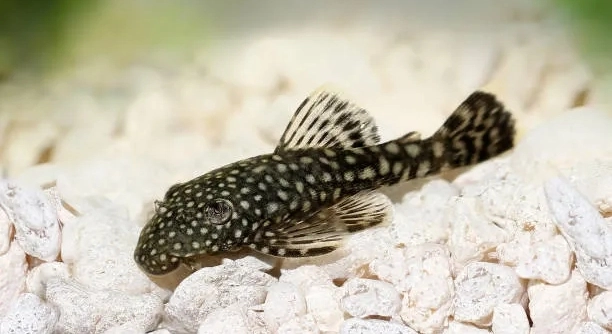
Is your pleco spending long hours hovering over its eggs, barely moving and keeping a close watch on the surface? Many fish owners notice this behavior and wonder if it is normal or a sign of stress in the tank.
Plecos hover over their eggs primarily to protect them from predators and ensure proper development. This behavior includes fanning the eggs with their fins to provide oxygen and maintaining close proximity to prevent fungal growth or displacement. It is a natural parental instinct.
Observing this behavior can help you better understand your pleco’s needs and provide the right environment for successful egg development. Proper care ensures the young have a healthy start.
Understanding Pleco Egg Care
Watching your pleco hover over eggs is fascinating and revealing. This behavior shows strong parental instincts, as the fish actively guards its offspring. Plecos fan their fins to keep water flowing over the eggs, which ensures proper oxygenation. They also stay close to prevent eggs from being eaten by other fish or falling into areas where conditions are unfavorable. The constant presence over the eggs may look obsessive, but it is natural. Plecos will often clean the egg surface to reduce fungus or debris, which can improve hatching success. Tank conditions play a significant role. Stable temperature, clean water, and minimal disturbances allow the pleco to maintain this protective behavior without stress. Observing this behavior teaches valuable insights into their natural instincts and needs. By ensuring proper conditions, you are supporting your pleco’s efforts and improving the chances of healthy fry survival.
Parental care in plecos is mostly instinctive. They prioritize eggs over themselves for the first critical days.
Understanding this behavior helps you provide the right environment. Maintaining clean water, stable temperature, and gentle observation encourages successful hatching and healthier fry development in your aquarium.
Common Tank Factors Affecting Egg Protection
Tank layout and water quality can influence how plecos care for eggs.
Water stability is essential for egg survival. Sudden temperature changes or chemical fluctuations can stress the parent and lead to neglect or egg damage. Plecos prefer areas with hiding spaces like caves or crevices, which mimic natural environments and provide security. Minimal disturbances during this period are important. Excessive lighting, loud noises, or frequent tank cleaning may interrupt their protective behavior. Feeding should be balanced, with nutrient-rich foods to maintain the parent’s strength. Other fish in the tank can pose a threat, so separating eggs or monitoring closely may be necessary. By carefully managing these factors, the pleco can focus on egg care. Observing their routine, from fanning to cleaning, shows how instinctive and methodical they are. Following these guidelines supports successful breeding, reduces stress, and increases the likelihood that the fry will thrive after hatching.
Recognizing Normal vs. Concerning Behavior
Hovering over eggs for extended periods is normal, but constant frantic movement can signal stress. Plecos may retreat or ignore eggs if water quality drops or if they feel threatened. Observing subtle changes helps identify potential issues early.
Stress signs often include rapid breathing, constant darting, or leaving eggs unattended. These behaviors usually indicate environmental issues, such as poor water parameters or aggressive tank mates. Ensuring clean, stable water and minimal disturbances can prevent these problems. Feeding the adult pleco well during this period is also critical to maintain energy and reduce stress.
Occasionally, eggs may not survive despite careful observation. Fungal growth or unexplained mortality can occur, which is part of breeding. Monitoring and adjusting tank conditions helps minimize these risks. Even with attentive care, some loss is natural. Providing optimal conditions allows plecos to focus on guarding and fanning eggs, supporting the maximum number of fry survival possible.
Tips to Support Pleco Egg Health
Keeping water stable and clean is essential. Use gentle filtration and avoid sudden changes in temperature or chemistry.
Providing hiding spots such as caves or PVC tubes allows plecos to feel secure while tending eggs. Limit tank disturbances, maintain consistent feeding, and monitor water parameters closely. Removing aggressive tank mates temporarily reduces stress. Observing the pleco’s fanning routine and overall condition ensures eggs receive continuous care. Adjusting environmental factors can directly improve hatching rates and fry survival. Proper attention supports the natural instincts of your pleco while maintaining a healthy tank balance.
Common Egg Problems
Fungal growth is one of the most frequent issues with pleco eggs. It appears as white, cotton-like patches and can spread quickly if untreated.
Uneaten eggs or debris can also affect the batch. Removing these promptly helps reduce the risk of contamination and ensures healthier fry development.
Maintaining Optimal Water Conditions
Stable water parameters are crucial for both adult plecos and their eggs. Temperature should remain consistent, ideally between 78 and 82°F, while pH should stay near neutral. Regular testing for ammonia, nitrites, and nitrates helps prevent stress. Gentle filtration and partial water changes support oxygenation without disturbing the eggs. Avoid strong currents, which can dislodge eggs or tire the parent fish. Providing a clean, secure environment encourages natural fanning and guarding behavior. Feeding the adult pleco adequately ensures energy for consistent care. Attention to these details improves hatching success and supports healthy fry growth.
Supporting the Adult Pleco
Balanced nutrition helps the parent stay strong. High-quality foods rich in protein support egg care and overall health.
FAQ
Why is my pleco hovering over its eggs so much?
This behavior is natural and protective. Plecos hover to guard eggs from other fish and potential threats. Fanning their fins helps circulate water over the eggs, providing oxygen and preventing fungus. They may also clean the eggs, removing debris to improve survival chances.
How long do plecos guard their eggs?
Most plecos guard eggs for about 3 to 7 days until they start hatching. During this time, the parent stays close and maintains a stable environment. Once the fry begin to swim, the pleco’s attention usually shifts, although occasional supervision may continue.
Is it normal for the pleco to leave the eggs temporarily?
Yes, short absences are typical. The adult may leave briefly to feed or adjust its position, but it usually returns quickly. Consistent and prolonged neglect, however, can indicate stress or poor water conditions.
What can I do if the pleco seems stressed while guarding eggs?
Check water parameters first. Sudden temperature changes, high ammonia, or nitrites can cause stress. Provide hiding spaces and reduce disturbances. Temporary separation of aggressive tank mates may help. Balanced feeding ensures the parent maintains energy for egg care.
Should I remove other fish from the tank?
It depends on your tank setup. Some fish may eat or disturb eggs. Removing or isolating aggressive or curious fish can reduce stress and increase hatching success. However, not all tank mates pose a risk, so observation is key.
Can eggs survive without parental care?
Some eggs may survive without the parent, but plecos significantly increase survival chances with active care. Fanning, cleaning, and guarding help prevent fungus and displacement. In tanks with fry survival concerns, using an artificial incubation setup may be considered.
How can I tell if eggs are healthy?
Healthy eggs are clear or slightly yellowish and firmly attached to surfaces. Cloudy or fuzzy eggs often indicate fungal growth. Monitoring daily allows prompt removal of unhealthy eggs to prevent contamination of the batch.
When should I intervene with eggs?
Intervention is recommended if eggs are covered in fungus, if the parent abandons them, or if water conditions are unstable. Use a soft brush or net to remove unhealthy eggs carefully, keeping the healthy ones undisturbed.
How do I encourage my pleco to guard eggs effectively?
Provide a secure cave or hiding space, stable water conditions, and a calm environment. Feeding protein-rich food supports the parent’s energy. Minimal tank disturbance allows natural protective behavior without unnecessary stress.
Will plecos eat their own eggs?
Some plecos may eat eggs under stress or if water conditions are poor. Keeping a clean tank, reducing disturbances, and providing proper nutrition reduces this risk. Occasional egg consumption is natural but can be minimized with attentive care.
How many eggs can a pleco lay?
The number varies by species and size, ranging from a few dozen to several hundred. Larger species tend to produce more eggs. Survival rates depend heavily on parental care and tank conditions, making monitoring essential.
Can I move eggs to another tank?
Yes, but it requires careful handling. Use a soft net and ensure water parameters match between tanks. Sudden changes in temperature, pH, or hardness can stress eggs, so gradual adjustment is crucial.
What should I feed a pleco during egg care?
High-protein foods like sinking pellets, bloodworms, and occasional vegetables help maintain energy. A well-fed parent can sustain consistent fanning, cleaning, and guarding behavior, improving egg survival rates.
How do I prevent fungus on pleco eggs?
Maintain clean water with stable temperature and good oxygenation. Removing debris, uneaten food, and dead eggs promptly reduces the chance of fungal growth. Active parental care, especially fanning, also minimizes risks.
When will the fry start swimming?
Fry usually hatch in 3 to 7 days, depending on species and water conditions. Initially, they remain close to the egg surface or substrate, gradually becoming more active as they develop fins and swim freely.
How can I ensure maximum fry survival?
Provide stable water conditions, hide spaces, and minimal disturbances. Feeding the parent properly and monitoring eggs daily reduces risks. Promptly removing unhealthy eggs and maintaining gentle filtration supports healthy fry development.
Are there specific pleco species that guard eggs better?
Most plecos exhibit parental care, but some species, like Bristlenose Plecos, are known for consistent and attentive guarding. Understanding species-specific behavior can help in managing expectations and care strategies for breeding success.
Can multiple plecos in one tank guard eggs together?
Typically, only one parent, usually the male, guards eggs. Having multiple adults may lead to stress or aggression. Observing natural behavior and providing separate spaces helps reduce conflicts while ensuring effective egg care.
Do plecos need any special lighting while guarding eggs?
Normal aquarium lighting is sufficient. Sudden bright lights or frequent changes can cause stress. Consistent lighting helps maintain natural day-night cycles, supporting both parental care and fry development.
What is the best way to monitor eggs without disturbing them?
Use calm observation through the tank glass, avoiding tapping or sudden movements. A small flashlight or soft ambient light can help check egg condition. Minimal interference allows the parent to continue natural guarding behavior efficiently.
Final Thoughts
Observing a pleco hovering over its eggs is a fascinating display of natural behavior. This protective action is instinctive, and it shows the dedication of the parent fish to ensure the survival of its offspring. Plecos invest significant effort in guarding and fanning their eggs, keeping them clean and well-oxygenated. The behavior may appear obsessive, but it is essential for egg development. By understanding this natural process, fish owners can better support their pleco’s efforts and provide an environment that promotes healthy growth. Maintaining a calm tank environment, offering appropriate hiding spaces, and ensuring water quality are all critical factors in supporting the parent. Consistent observation allows owners to notice any stress signals early and adjust conditions accordingly. Even small changes in water chemistry, temperature, or tank dynamics can impact the parent’s ability to care for the eggs. Supporting the pleco during this period helps ensure that as many eggs as possible survive and thrive.
Proper water management is a cornerstone of successful egg care. Stable temperature, low ammonia, and minimal fluctuations in pH all contribute to a healthy environment for both eggs and parent. Gentle filtration and partial water changes maintain cleanliness without disturbing the eggs. Observing water parameters regularly provides insight into potential stressors and prevents unexpected issues. Feeding the adult pleco well during this period is also important. A protein-rich diet keeps the parent strong and able to maintain consistent fanning and guarding behavior. Any neglect, sudden disturbances, or aggressive tank mates can reduce egg survival, so careful planning and preparation are necessary. Plecos respond well to predictable, calm conditions, and by keeping the tank stable, owners can witness natural behavior without interference. Understanding these environmental factors empowers fish owners to provide the best conditions for both parent and offspring.
Even with careful attention, some eggs may not survive. This is a natural part of fish reproduction, and occasional losses should not be discouraging. Observing how the parent responds to potential threats and maintains the eggs offers insight into species behavior and instinct. Providing the right environment maximizes survival rates and encourages healthy development of fry once they hatch. Creating a balance between active monitoring and minimal interference ensures that plecos can perform their parental duties effectively. By maintaining clean water, stable conditions, proper feeding, and safe tank arrangements, owners can support the pleco’s natural instincts. Observing the entire process can be both educational and rewarding. It allows for a deeper understanding of fish behavior while ensuring that the offspring have the best chance at thriving in a well-maintained aquarium.

Hello,
If you enjoy the content that we create, please consider saying a "Thank You!" by leaving a tip.
Every little bit helps us continue crafting quality advice that supports the health, happiness, and well-being of pets around the world, for pets of all shapes, sizes, and species.
We really appreciate the kindness and support that you show us!