
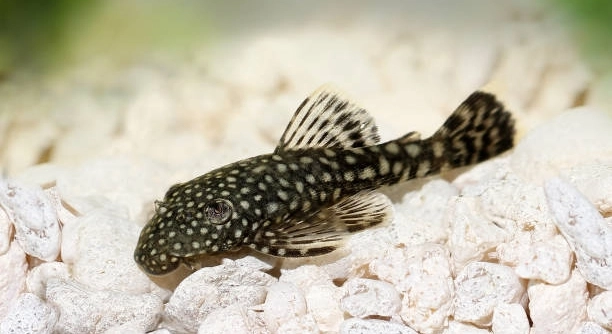
Do you enjoy caring for your Bristlenose Pleco but sometimes wonder if their diet is truly balanced? These fish rely heavily on fiber-rich foods, making proper nutrition an important aspect of their overall well-being.
Bristlenose Plecos can consume too much fiber, which may lead to digestive issues and nutrient absorption problems. A balanced diet should provide sufficient plant matter while avoiding excessive fibrous foods that can compromise their health.
Understanding the right amount of fiber will help you keep your Pleco healthy and thriving in its aquarium environment. Careful attention to diet can prevent long-term problems.
Understanding Fiber in a Pleco’s Diet
Bristlenose Plecos naturally eat algae and plant matter, which gives them a high-fiber diet. Fiber is essential for proper digestion, helping move food through their system efficiently. However, not all fiber is equal, and some plant-based foods are tougher for Plecos to digest. Overfeeding leafy vegetables, especially those with coarse or stringy fibers, can cause bloating or constipation. Many owners rely on prepared sinking wafers and algae pellets, which are formulated to provide balanced fiber. These supplements can prevent overconsumption of fibrous vegetables while still maintaining digestive health. Observing your Pleco’s behavior, stool, and activity levels can indicate if its fiber intake is appropriate. Fish that struggle with digestion may appear lethargic or stop eating, signaling a need to adjust their diet. Offering a mix of soft vegetables and high-quality prepared foods is a practical way to ensure they receive fiber without overwhelming their digestive system.
Balanced fiber ensures healthy digestion without causing blockages or nutrient deficiencies in Bristlenose Plecos.
Providing a controlled mix of vegetables, algae, and pellets allows Plecos to enjoy fiber safely. Monitoring their digestion is key for long-term health.
Signs of Excess Fiber
Digestive issues are the main indicator that a Pleco has too much fiber.
When Plecos consume excessive fibrous foods, they may develop bloating, irregular waste, or reduced appetite. Lethargy is common, and they might hide more than usual, avoiding active swimming. Over time, chronic overfeeding of high-fiber vegetables can lead to nutrient deficiencies because the fiber slows digestion and prevents full absorption of essential vitamins and minerals. Observing their waste can provide clear insight: very dense, compacted, or stringy feces indicate that the digestive system is under strain. Adjusting the diet gradually, reducing tough vegetables, and increasing softer options or pellets can relieve discomfort. Some Plecos may also chew on driftwood more than usual, which is a natural behavior but can indicate an attempt to balance fiber intake. By responding to these signs promptly, owners can prevent serious health issues and ensure their Plecos remain active and well-nourished. Regular observation and careful diet planning are the best ways to maintain proper digestive health.
Adjusting Fiber Intake
Reducing fibrous vegetables and adding softer foods can help regulate digestion. Prepared algae wafers are easy to digest and provide balanced nutrition. Moderation is key to prevent overfeeding and digestive strain.
Carefully measuring portions of vegetables like zucchini or cucumber ensures Plecos get fiber without overwhelming their system. Offering these in smaller quantities a few times a week, combined with algae pellets or wafers, helps maintain healthy digestion. Avoid stringy or tough leaves like kale or spinach in large amounts. Observing their stool and activity levels allows timely adjustments. Consistent feeding schedules and portion control make it easier to balance fiber intake effectively, keeping Plecos active and healthy.
Some owners incorporate small amounts of blanched vegetables alongside their usual pellets. This combination gives fiber variety without causing blockages. Gradual dietary changes help Plecos adjust and avoid stress. Regular observation of behavior and waste is necessary to fine-tune fiber intake, preventing both constipation and nutrient deficiencies.
Monitoring Digestive Health
Regularly inspecting stool and activity is essential for detecting dietary issues early.
Healthy Plecos produce firm, consistent feces and remain active throughout the tank. Irregularities like stringy, compact, or discolored waste can indicate fiber imbalance or digestive stress. Appetite changes or hiding more than usual also signal potential problems. Tracking these signs over days or weeks provides a clear picture of their overall health.
Adjusting the diet based on these observations allows for timely corrections. Reducing tough vegetables, supplementing with soft foods, or using commercial wafers can relieve strain. Sometimes, minor changes in feeding frequency or portion sizes make a significant difference. Observing interactions with tank elements like driftwood or algae patches can reveal additional clues. Maintaining a stable routine and paying attention to subtle changes ensures Plecos digest fiber properly while staying energetic. Consistency in feeding, combined with careful monitoring, is the most effective way to maintain long-term digestive health.
Common High-Fiber Foods
Leafy greens like kale, spinach, and romaine are very fibrous. Overfeeding these can lead to bloating and slow digestion, even though they are nutritious.
Other vegetables like carrots or peas are also high in fiber. Feeding these in moderation helps avoid digestive strain while still providing essential nutrients.
Ideal Fiber Sources
Soft vegetables such as zucchini, cucumber, and squash are easier for Plecos to digest. Commercial algae wafers and pellets are formulated to provide balanced fiber and nutrients, supporting overall health. Combining these foods allows Plecos to receive fiber without risking digestive blockages or nutrient absorption problems.
Feeding Tips
Feed small portions multiple times a week. Observe their behavior and stool to ensure proper digestion and adjust as needed.
FAQ
Can Bristlenose Plecos eat too much fiber?
Yes, they can. While fiber is essential for proper digestion, excessive amounts can cause bloating, constipation, and reduced nutrient absorption. High-fiber vegetables like kale, spinach, or romaine should be offered in moderation, alongside softer vegetables and commercial algae wafers or pellets to maintain a balanced diet.
What signs indicate my Pleco has too much fiber?
Lethargy, reduced appetite, and hiding more than usual are common behavioral signs. Physically, bloating and irregular, stringy, or overly compacted feces indicate digestive stress. Observing these changes over several days helps identify if fiber intake is excessive or if other dietary adjustments are needed.
Which vegetables are safest for Plecos?
Soft vegetables like zucchini, cucumber, and squash are gentle on their digestive system. Blanched vegetables are even easier to digest. Offering these in controlled portions ensures fiber intake without causing blockages or nutrient absorption issues. Combining soft vegetables with algae wafers provides both fiber and balanced nutrition.
How often should I feed fiber-rich foods?
Feeding small portions two to three times a week is usually sufficient. Overfeeding fibrous vegetables can strain digestion, while regular, moderate portions encourage healthy waste and proper nutrient absorption. Prepared pellets or wafers can supplement vegetables to maintain consistency and fiber balance.
Can algae wafers replace fresh vegetables entirely?
Algae wafers provide balanced fiber and essential nutrients, but including some fresh vegetables adds variety and enrichment. Combining both helps prevent boredom and encourages natural grazing behavior. Relying solely on pellets may meet fiber needs but limits dietary diversity, which is important for long-term health.
Should I adjust fiber based on Pleco size or age?
Yes. Juvenile Plecos have smaller digestive systems and require softer, lower-fiber foods. Adult Plecos can handle more fiber but still benefit from moderation. Adjusting portion sizes and types of fiber based on size, age, and activity ensures optimal digestion and overall well-being.
What role does driftwood play in fiber digestion?
Driftwood provides natural cellulose, which aids digestion. Many Plecos gnaw on it, helping break down plant matter in their stomach. Offering driftwood alongside fibrous vegetables supports digestive health and mimics their natural diet, reducing the risk of blockages caused by high-fiber foods.
How can I prevent digestive issues while feeding fiber-rich foods?
Feed moderate portions, rotate vegetable types, and combine soft foods with prepared pellets. Observe stool and behavior regularly, adjust feeding schedules as needed, and offer driftwood for natural fiber support. Gradual dietary changes prevent stress and allow Plecos to adapt to new fiber levels.
Can overfeeding fiber affect nutrient absorption?
Yes. Too much fiber slows digestion, which can reduce absorption of essential vitamins and minerals. Chronic overfeeding of high-fiber vegetables may lead to deficiencies, even if the diet seems balanced. Maintaining proper portions ensures Plecos get nutrients without digestive compromise.
How long does it take to correct fiber-related digestive issues?
Adjustments can show results in a few days, but it may take one to two weeks for digestion to normalize. Reducing high-fiber foods, adding softer vegetables, and monitoring stool and activity ensures gradual recovery and helps prevent recurring problems.
Is there a risk of permanent damage from too much fiber?
If excessive fiber causes chronic constipation or nutrient deficiencies without correction, long-term health issues can develop. Early observation and dietary adjustments prevent permanent damage and maintain Plecos’ digestive efficiency and overall well-being.
What is the best way to combine fresh and prepared foods?
Feed small amounts of blanched vegetables a few times per week, and supplement with algae wafers or pellets daily. This combination provides balanced fiber, nutrients, and variety while avoiding digestive strain or nutrient absorption problems.
Can other tank factors affect fiber digestion?
Yes. Water temperature, pH, and tank cleanliness influence digestion. Proper conditions support healthy metabolism, helping Plecos process fiber effectively. Poor water quality or low temperatures can exacerbate digestive issues, even with moderate fiber intake. Regular monitoring of tank conditions is essential.
How do I know if my Pleco is thriving on its diet?
Active swimming, consistent appetite, healthy weight, and regular, firm feces are signs of proper fiber balance. Observing these over time ensures the diet meets both nutritional and digestive needs. Adjustments can be made if any signs of stress or irregular digestion appear.
What are some practical tips for feeding fiber safely?
Introduce new vegetables gradually, avoid overfeeding fibrous leaves, rotate vegetable types, and maintain a consistent feeding schedule. Combine fresh foods with algae wafers, provide driftwood, and monitor behavior and stool daily. Small, consistent adjustments prevent digestive strain and support long-term health.
Can Plecos overeat even on soft vegetables?
Yes, portion control is important. Even soft vegetables can cause digestive strain if overfed. Feeding measured amounts and observing intake ensures Plecos consume fiber safely without risking bloating or blockages.
How important is variety in a Pleco’s diet?
Variety prevents boredom and provides a range of nutrients. Alternating vegetables, pellets, and driftwood ensures both proper fiber intake and balanced nutrition, promoting healthy digestion and overall well-being.
What should I do if my Pleco refuses soft vegetables?
Try lightly blanching vegetables, chopping them into small pieces, or combining with algae wafers. Patience and gradual introduction encourage acceptance. Avoid forcing overfeeding, as this can stress digestion. Observing preferences helps maintain fiber intake without causing health issues.
Can live plants contribute to fiber intake?
Yes, certain aquatic plants provide natural fiber. Hardier leaves like Java fern or Anubias are safe in moderation. Ensure plants are free from pesticides and monitor consumption to prevent digestive issues while adding dietary variety.
Is fiber intake different for multiple Plecos in the same tank?
Yes. Each Pleco may have different appetites and digestive tolerance. Observe individual eating habits, provide adequate portions for each fish, and adjust the mix of vegetables and pellets to ensure balanced fiber for all.
What is the simplest way to maintain proper fiber balance?
Feed moderate portions of soft vegetables, supplement with high-quality pellets, monitor stool and behavior, and adjust gradually. Combine these practices with driftwood and a clean tank environment to support digestion and long-term health.
How often should I review my Pleco’s diet?
Regularly, at least monthly, or sooner if signs of digestive stress appear. Observing appetite, feces, and activity ensures fiber intake remains appropriate and prevents health issues from developing.
Are there any fiber supplements for Plecos?
Some commercial preparations include plant-based fiber, but these are rarely necessary if vegetables and pellets are balanced. Use supplements only if recommended by an experienced aquarist or veterinarian and monitor their effect carefully.
How do seasonal changes affect fiber needs?
Temperature and light changes can influence metabolism. During cooler periods, digestion may slow, making high-fiber foods harder to process. Adjust vegetable types, portions, and feeding frequency accordingly to prevent digestive strain.
Can stress affect fiber digestion?
Yes. Stress from overcrowding, poor water conditions, or aggressive tank mates can reduce appetite and slow digestion. Even moderate fiber can cause issues if Plecos are stressed. Maintaining a calm environment supports proper nutrient processing and digestion.
What role does fasting play in fiber management?
Occasional fasting, such as skipping a vegetable feed once a week, can help regulate digestion and prevent bloating. It allows the system to clear excess fiber naturally, supporting long-term digestive health without compromising nutrition.
Is it necessary to track fiber intake daily?
Not strictly, but keeping an informal record helps detect patterns and prevent overfeeding. Monitoring stool, behavior, and portion sizes is usually sufficient to maintain proper fiber balance and prevent health problems.
How long should new vegetables be introduced gradually?
Introduce over one to two weeks, starting with small pieces alongside familiar foods. Gradual introduction prevents digestive upset and encourages acceptance while maintaining fiber balance.
Can high-protein foods affect fiber digestion?
Yes, protein-rich foods are digested differently and can alter gut motility. Balancing protein with appropriate fiber ensures smooth digestion and nutrient absorption. Overemphasis on protein or fiber alone may cause digestive irregularities or deficiencies.
Are there any signs that fiber intake is too low?
Soft, irregular stools, persistent hunger, and slow grazing behavior may indicate insufficient fiber. Providing small amounts of fibrous vegetables or algae helps maintain healthy digestion without overloading the system.
How does tank population impact fiber needs?
More Plecos may compete for food, leading to overconsumption or selective feeding. Monitor each fish’s intake, provide sufficient portions, and ensure softer vegetables or wafers are accessible to all to maintain balanced fiber.
What is the role of water flow in digestion?
Moderate water movement encourages active swimming, which supports gut motility and efficient fiber digestion. Stagnant conditions may slow metabolism, making even normal fiber amounts harder to process. Maintaining proper flow is a simple but important step.
Can overfeeding fiber lead to secondary health issues?
Yes. Chronic bloating or constipation can cause bacterial infections, internal organ strain, or nutrient deficiencies. Early detection and dietary adjustments prevent these complications and support long-term health.
Is there a risk from feeding dried vegetables?
Dried vegetables are harder to digest and may increase fiber stress. Rehydrating or blanching them before feeding reduces digestive strain and provides safer fiber intake for Plecos.
How can I encourage natural grazing behavior?
Provide driftwood, algae, and a mix of vegetables and pellets. Small portions spread across the tank encourage grazing, mimic natural feeding patterns, and support fiber digestion without overloading the system.
Should fiber intake change for sick or recovering Plecos?
Yes. Reduce fibrous foods and provide easily digestible vegetables or pellets to support recovery. Overfeeding fiber during illness can exacerbate digestive issues and slow healing. Monitoring stool and appetite is crucial.
Can overfeeding fiber affect tank water quality?
Yes, excess uneaten vegetables can decay, increasing ammonia and nitrate levels. Poor water quality stresses Plecos, further complicating digestion. Remove leftover food promptly and maintain regular water changes to protect health.
Is it okay to mix multiple high-fiber vegetables in one meal?
Mixing several high-fiber vegetables increases digestive strain. Limit to one soft vegetable per meal with supplemental wafers to prevent bloating or constipation. Gradual adjustments allow safe dietary variety without overloading fiber intake.
How important is consistency in feeding times?
Consistent feeding helps regulate digestion and nutrient absorption. Irregular meals may cause overeating or inefficient fiber processing. Small, scheduled feedings maintain digestive health and reduce risk of bloating or constipation.
Can fiber needs change as Plecos age?
Yes. Older Plecos may digest fiber more slowly. Adjusting portion size, vegetable type, and feeding frequency helps prevent digestive strain and ensures continued nutrient absorption as metabolism changes with age.
What is the best way to combine pellets and vegetables?
Offer a small portion of soft vegetables alongside daily pellets. This provides fiber and balanced nutrition without overwhelming the digestive system. Observing stool and appetite ensures the combination supports health effectively.
How do I handle picky Plecos regarding fiber?
Introduce vegetables gradually, try different textures, and combine with pellets. Patience and observation help identify preferred foods while ensuring fiber needs are met without causing stress or digestive issues.
Are frozen vegetables safe for Plecos?
Yes, if thawed and blanched. Frozen vegetables are convenient, preserve nutrients, and are easier to digest than raw fibrous leaves. Proper preparation prevents digestive strain and supports fiber balance.
Can high-fiber foods impact other fish in the tank?
Decaying vegetables may affect water quality, which can stress all tank inhabitants. Monitor uneaten food, remove leftovers promptly, and maintain regular water changes to protect Plecos and other fish.
How do I know when fiber adjustments are working?
Consistent, firm feces, active swimming, and steady appetite indicate proper fiber balance. Minor adjustments can be fine-tuned by observing behavior and waste over days or weeks. Positive changes signal that dietary corrections are effective.
Is there a risk in alternating vegetable types too often?
Frequent changes can confuse Plecos and cause digestive upset. Gradual rotation ensures variety while maintaining proper fiber levels. Introduce new vegetables slowly to prevent bloating or irregular stool.
Can feeding fiber at night be different from daytime feeding?
Plecos are nocturnal, so evening feeding aligns with their natural activity. Providing vegetables and pellets at night ensures they consume fiber when most active, promoting efficient digestion and nutrient absorption.
Are commercial fiber supplements necessary for healthy Plecos?
Usually not. Balanced vegetables, pellets, and driftwood provide sufficient fiber. Supplements may be used only if recommended by an aquarist or veterinarian and should be monitored carefully to avoid overfeeding.
What is the safest way to start fiber management?
Gradually reduce high-fiber vegetables, introduce softer options, supplement with pellets, observe stool and behavior, and adjust as needed. Small, consistent changes prevent digestive issues and maintain long-term health.
Can overfeeding fiber impact growth in young Plecos?
Yes. Excess fiber can reduce nutrient absorption, slowing growth. Providing moderate, easily digestible vegetables with balanced pellets ensures juveniles receive nutrients without risking digestive strain.
How often should I observe feces for fiber issues?
Daily observation is ideal, especially after dietary changes. Consistent monitoring allows early detection of digestive stress, enabling prompt adjustments to fiber intake.
Does tank temperature influence fiber digestion?
Yes. Cooler water slows metabolism and digestion, making high-fiber foods harder to process. Adjust portions, vegetable type, and feeding frequency according to temperature to prevent digestive issues.
Can stress from tank mates affect fiber processing?
Yes. Aggressive or competitive tank mates may cause over- or underfeeding, leading to digestive stress. Ensuring sufficient space, hiding spots, and proper portioning helps maintain fiber balance and overall health.
Are there visual signs of nutrient deficiencies from too much fiber?
Pale coloration, poor fin condition, or stunted growth can indicate reduced nutrient absorption due to excessive fiber. Adjusting diet to include softer vegetables and balanced pellets prevents deficiencies.
What role does water quality play in fiber digestion?
Good water quality supports metabolism and gut health. Poor conditions stress Plecos, slowing digestion and exacerbating problems caused by high fiber. Regular monitoring and maintenance are essential for safe fiber intake.
How can I make sure Plecos eat all their fiber?
Offer small, manageable portions, observe consumption, and remove leftovers. Combining vegetables with pellets encourages complete intake without overloading the digestive system.
Should fiber be reduced if a Pleco is ill?
Yes. Easier-to-digest vegetables or pellets help recovery. Excess fiber during illness can worsen digestive stress and delay healing. Monitor stool and behavior closely during this period.
Are there differences between Pleco species in fiber tolerance?
Yes. While Bristlenose Plecos tolerate moderate fiber well, other species may have more sensitive digestion. Researching species-specific needs ensures proper fiber intake and prevents digestive issues.
How do I prevent bloating while feeding fiber?
Feed small portions, mix soft vegetables with pellets, and observe stool and activity. Gradual adjustments and consistent monitoring prevent bloating and maintain digestive health.
Can overfeeding fiber cause long-term behavioral changes?
Chronic digestive stress may lead to hiding, reduced activity, or decreased appetite. Early dietary adjustments prevent these changes and support normal behavior.
Is it okay to combine multiple fiber sources in one feeding?
Combining soft vegetables with pellets is safe. Avoid mixing several high-fiber vegetables at once, as this can overwhelm digestion. Gradual, balanced combinations maintain fiber intake without risk.
How often should fiber be reassessed in a Pleco’s diet?
Regularly, especially after changes in age, health, or tank conditions. Observation of stool, appetite, and behavior helps determine if adjustments are needed to maintain proper fiber balance.
What is the simplest daily routine for fiber management?
Feed measured portions of soft vegetables two to three times per week, supplement with pellets, provide driftwood, monitor stool and behavior, and remove uneaten food promptly. Consistency ensures safe fiber intake.
Can fasting help correct overfeeding of fiber?
Yes. Skipping a vegetable feeding occasionally allows the digestive system to clear excess fiber, reducing bloating and promoting healthy digestion without compromising nutrition.
How do I introduce new fiber sources safely?
Start with small amounts alongside familiar foods, observe acceptance and stool, and gradually increase portions. Slow introduction prevents digestive upset while maintaining variety.
Does the time of day affect fiber digestion?
Feeding at night aligns with Plecos’ natural nocturnal activity. Nighttime feeding ensures fiber is consumed when digestion is most active, promoting efficiency and nutrient absorption.
What is the most important factor in fiber management?
Moderation, observation, and consistency. Balanced portions of soft vegetables and pellets, combined with monitoring stool, behavior, and tank conditions, ensure proper digestion and long-term health.
How do I balance fiber with protein and other nutrients?
Feed soft vegetables for fiber and high-quality pellets for protein and essential nutrients. Avoid overemphasizing fiber or protein alone to prevent digestive issues and ensure overall nutritional balance.
Can overfeeding fiber affect other fish in a community tank?
Yes. Uneaten vegetables decay, raising ammonia and nitrate levels, which stress all fish. Prompt removal of leftovers and regular water maintenance protects Plecos and other inhabitants.
Are there simple signs that fiber intake is ideal?
Active swimming, steady appetite, firm, consistent feces, and healthy coloration indicate proper fiber balance. Observing these daily ensures the diet meets nutritional and digestive needs effectively.
How do I correct fiber issues quickly?
Reduce high-fiber vegetables, add softer foods or pellets, monitor stool and behavior, and adjust gradually. Consistent observation and moderation restore digestive health efficiently.
Is it necessary to consult a veterinarian for fiber issues?
If digestive problems persist despite adjustments, consulting an aquatic veterinarian ensures proper diagnosis and guidance. Most fiber issues can be managed at home with careful observation and diet control.
Can environmental enrichment impact fiber digestion?
Yes. Driftwood, hiding spots, and algae patches encourage natural grazing and activity, supporting digestion. A stimulating environment helps Plecos process fiber efficiently and maintain health.
How do I maintain fiber balance long-term?
Rotate soft vegetables, supplement with pellets, monitor behavior and stool, maintain water quality, and provide driftwood. Consistency, observation, and moderation ensure healthy digestion and prevent issues over time.
Are there any risks in using commercial pellets with fiber?
High-quality pellets are formulated to provide safe fiber levels. Low-quality options may have excessive indigestible fiber or fillers, causing bloating or constipation. Choosing reputable brands prevents digestive stress and nutrient imbalance.
What is the simplest way to monitor fiber intake daily?
Feed measured portions, observe stool and behavior, remove uneaten food, and adjust as needed. Consistent monitoring ensures Plecos receive
Final Thoughts
Bristlenose Plecos require a careful balance of fiber in their diet to maintain healthy digestion. Too much fiber can lead to bloating, constipation, and reduced nutrient absorption, while too little can cause irregular stools and digestive inefficiency. Providing a combination of soft vegetables, algae wafers, and prepared pellets ensures that Plecos receive enough fiber without overwhelming their digestive system. Observing your Pleco’s behavior and stool regularly is essential. Active swimming, consistent appetite, and firm feces are indicators that their fiber intake is appropriate. When adjustments are needed, small, gradual changes are more effective than sudden dietary shifts, as Plecos require time to adapt to new foods. Offering a variety of food sources also helps keep their diet balanced and supports overall health, reducing the risk of long-term complications caused by improper fiber consumption.
Maintaining proper fiber levels is not just about choosing the right vegetables but also about portion control and feeding frequency. Overfeeding, even with soft vegetables, can still create digestive strain. Feeding small portions two to three times per week, alongside daily pellets or wafers, is generally sufficient. Driftwood can play a supporting role by providing natural cellulose, which helps break down plant matter in the stomach. Watching how your Pleco interacts with its environment, such as grazing on algae or chewing driftwood, provides additional insight into how well it is digesting fiber. A stable feeding routine, combined with careful observation, helps prevent both short-term and long-term digestive problems. By paying attention to these factors, you can ensure your Pleco’s digestive system remains healthy and that the fish continues to thrive in its aquarium.
Finally, it is important to remember that each Pleco is an individual with unique dietary needs. Age, size, activity level, and overall health can all influence how much fiber a Pleco can safely consume. Juvenile Plecos may require softer, lower-fiber foods, while adult Plecos can handle slightly more fiber but still benefit from moderation. Environmental factors, such as water temperature, water quality, and tank mates, also affect digestion and overall health. Regular monitoring and small adjustments based on observation are the best ways to maintain proper fiber balance. Combining soft vegetables, prepared foods, and occasional driftwood allows Plecos to receive fiber safely while supporting nutrient absorption and digestive efficiency. With attention and consistency, it is possible to provide a diet that keeps Bristlenose Plecos healthy, active, and thriving over the long term.

Hello,
If you enjoy the content that we create, please consider saying a "Thank You!" by leaving a tip.
Every little bit helps us continue crafting quality advice that supports the health, happiness, and well-being of pets around the world, for pets of all shapes, sizes, and species.
We really appreciate the kindness and support that you show us!