
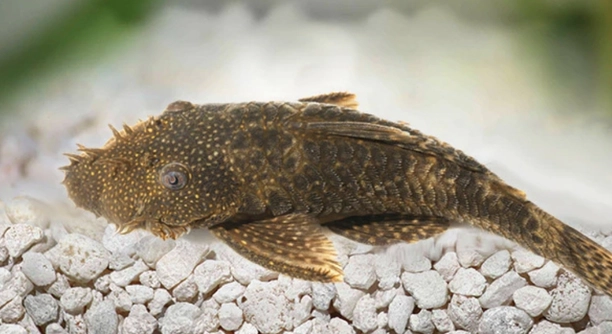
Do you ever notice your bristlenose pleco gliding along the tank walls and wonder what type of water flow it enjoys most? These small, peaceful fish have specific habits that influence their comfort and behavior. Observing them can reveal subtle preferences.
Bristlenose plecos generally prefer moderate to strong water movement. Flowing water provides oxygen-rich conditions and simulates their natural river habitats. Consistent water movement encourages healthy feeding, activity, and overall well-being for these bottom-dwelling fish in home aquariums.
Understanding how water flow affects your pleco can improve its health and happiness. Proper tank setup ensures a thriving environment for these fascinating fish.
Understanding Bristlenose Plecos’ Natural Habitat
Bristlenose plecos originate from South American rivers, where water flows steadily over rocks and submerged wood. These conditions shape their behavior and preferences in aquariums. Observing a pleco in a calm tank may show reduced activity or hiding for long periods. Flowing water encourages them to explore surfaces, graze on algae, and interact with their environment naturally. Providing smooth rocks, driftwood, and live plants mimics the textures and structures they encounter in rivers. Light to moderate water flow helps maintain oxygen levels, which is essential for their metabolism and overall health. Plecos also appreciate hiding spots near current areas, allowing them to rest while still being in oxygenated water. Over time, they adapt to the flow patterns of the tank, showing more consistent movement and feeding behavior. Regular water changes paired with proper filtration support these conditions, creating a comfortable, stable environment for your pleco to thrive.
Flowing water closely replicates the pleco’s river habitat, improving activity, feeding habits, and overall health in captivity.
Maintaining natural conditions in your tank is not only beneficial for oxygenation but also encourages typical behaviors. Plecos spend more time grazing on algae and exploring surfaces when water moves gently across the tank. Driftwood and rocks placed strategically create areas of shelter while still allowing them to enjoy currents. Observing these behaviors can guide you in adjusting flow, positioning decorations, and ensuring filtration supports consistent water movement. Even subtle changes in current can influence where plecos choose to rest or feed. By understanding their natural tendencies, you can create a tank that satisfies both their physical and behavioral needs, resulting in a happier and healthier fish that exhibits natural movement patterns regularly.
Setting Up Water Flow in Your Aquarium
Water flow should be steady but not overwhelming, allowing plecos to swim without stress.
Using adjustable filters or powerheads can help create gentle currents across the tank. Placing decorations strategically ensures areas of slow and fast flow. Monitoring behavior helps determine if adjustments are needed for comfort and health.
A well-planned water flow setup provides multiple benefits. Plecos benefit from oxygen-rich water, which reduces the risk of disease and improves metabolism. Consistent movement encourages natural grazing and activity patterns, keeping fish stimulated. Gentle currents prevent stagnant areas where debris can accumulate, helping maintain water quality. Creating zones with varied flow allows plecos to choose between resting areas and active grazing spots. Observing how your fish interacts with these zones informs future adjustments and ensures their environment continues to match natural preferences. Proper filtration combined with occasional maintenance ensures the flow remains effective over time, supporting both the tank’s ecosystem and the pleco’s wellbeing. This approach promotes long-term health, visible activity, and overall satisfaction for the fish in its habitat.
Choosing the Right Filter
A filter that produces moderate flow is ideal for bristlenose plecos. Strong currents can stress them, while weak currents fail to provide adequate oxygenation. Adjusting flow output ensures a balanced environment.
Selecting a filter involves considering tank size, water volume, and pleco behavior. Canister filters or hang-on-back filters with adjustable flow often work best, allowing you to control the current. Positioning the filter outlet strategically creates gentle surface agitation without overwhelming resting areas. Plecos prefer zones where water circulates steadily but not turbulently. Monitoring your fish after installation is crucial; signs of stress such as clinging to surfaces or hiding excessively indicate the need for adjustments. Consistent maintenance ensures the filter continues to function efficiently, supporting both water quality and natural pleco activity.
Using the right filter supports oxygen levels, removes debris, and creates natural currents for plecos. Adjusting placement and flow ensures the fish can explore and rest comfortably. Observing behavior helps fine-tune the setup for long-term stability.
Monitoring Pleco Behavior
Active grazing and swimming indicate plecos are comfortable with water flow. Stress behaviors show the need for changes.
Watching plecos interact with currents helps identify preferred zones and flow intensity. Signs like clinging to surfaces, excessive hiding, or frantic swimming indicate discomfort. Plecos adapt gradually, so subtle behavior changes may signal adjustments in filter placement or additional decorations to redirect flow. Providing driftwood, rocks, or plants near strong currents creates resting areas while maintaining oxygenated water. Tracking feeding times and movement patterns can also inform flow optimization. By observing daily behavior, you can balance oxygenation and comfort, ensuring a healthy and engaging environment.
Plecos develop routines based on tank currents, feeding, and resting zones. Consistent observation allows you to identify preferred areas and adjust flow or decor accordingly. Monitoring ensures long-term health and natural behavior patterns, creating a stable and supportive environment.
Adjusting Flow Around Decorations
Placing driftwood and rocks can redirect water flow and create calm zones for plecos. Proper positioning ensures fish have both active and resting areas.
Adjust decorations so currents do not overwhelm hiding spots. Plecos need sheltered areas near moderate flow to feel secure while remaining in oxygen-rich water.
Using Powerheads Effectively
Powerheads help create targeted water movement but should be positioned carefully. Avoid directing strong currents at resting areas or feeding zones. Adjusting the angle and intensity allows plecos to swim freely without stress. Experimenting with placement ensures gentle circulation while maintaining oxygen levels and tank cleanliness.
Observing Pleco Comfort
Signs of comfort include grazing along surfaces and leisurely swimming through currents. Plecos that cling constantly may need adjustments in flow.
FAQ
Do bristlenose plecos need strong water flow?
Bristlenose plecos do best in moderate water flow. Strong currents can stress them, making them hide or cling to surfaces excessively. Gentle, steady currents mimic their natural river habitats, improving oxygen levels and encouraging grazing and exploration. Providing both active zones and calm resting areas keeps plecos comfortable.
Can plecos adapt to still water?
Yes, plecos can survive in still water, but they are less active and may show unusual hiding behavior. Lack of flow reduces oxygenation and can make them sluggish. Small adjustments to create gentle water movement help maintain health and natural behavior. Plecos often gravitate toward areas where oxygen is higher even in quieter tanks.
How do I know if my pleco dislikes the current?
Signs include frantic swimming, clinging to surfaces, hiding excessively, or avoiding open areas. If a pleco struggles to maintain position in the current or refuses to feed, it likely finds the flow too strong. Adjusting filter output or redirecting water around decorations can help. Observation over several days shows patterns and allows fine-tuning of the flow to match pleco preferences.
Are certain tank decorations better for plecos in flowing water?
Yes, driftwood, rocks, and broad-leafed plants work well. These items provide hiding spaces and resting zones while allowing moderate current to circulate. Placing driftwood or rocks near strong flow creates calm pockets where plecos can rest without losing oxygen benefits. Smooth surfaces are preferred to prevent injury as plecos move through currents.
Should I use a powerhead in a pleco tank?
A powerhead is useful to create targeted water movement but should not overwhelm the tank. Angling it to produce gentle, dispersed flow supports oxygenation and pleco activity. Placement is key—avoid strong currents directly in resting or feeding areas. Adjust intensity gradually while observing pleco behavior for signs of comfort or stress.
How often should I monitor pleco behavior?
Daily observation is ideal. Plecos are subtle in their reactions, so checking activity, feeding, and resting patterns helps identify if current adjustments are needed. Monitoring after filter maintenance or repositioning decorations ensures changes have a positive impact. Keeping notes over time helps maintain a stable environment.
Does water flow affect pleco feeding?
Yes, flowing water encourages grazing on algae and surfaces, while stagnant conditions can reduce feeding interest. Plecos naturally forage in moving water, so gentle currents support natural behavior. Ensuring moderate flow near feeding zones promotes consistent eating habits and overall health.
Can plecos get stressed from inconsistent water flow?
Yes, sudden changes in current or irregular filtration can stress plecos. They thrive with consistent, predictable flow. Avoid frequent rearrangements of decorations or sudden filter speed changes. Gradual adjustments allow plecos to adapt while maintaining activity and comfort.
Is it necessary to mimic river currents exactly?
Not exactly, but replicating moderate flow helps. Plecos need oxygenated water and areas to rest safely. Providing zones of faster and slower movement simulates a natural environment without creating overwhelming currents. Simple adjustments with filters, powerheads, and decoration placement are sufficient for home tanks.
What is the best way to combine flow and shelter?
Create calm zones near rocks, driftwood, or plants while keeping open areas with moderate flow. This allows plecos to rest safely and swim actively when they choose. Observation of pleco behavior informs adjustments, ensuring both stimulation and comfort. Balancing oxygenation and shelter is key to long-term health.
Do all plecos respond the same to water flow?
Individual behavior varies slightly. Some plecos prefer stronger currents, while others stick to calmer areas. Observation of your specific fish helps determine the optimal setup. Adjusting flow gradually ensures all plecos in a shared tank can coexist comfortably while maintaining healthy activity levels.
How can I test if my flow setup works?
Watch pleco movement patterns, grazing habits, and resting locations. Comfortable plecos swim freely, feed consistently, and use both active and calm zones. Any signs of stress indicate the need to tweak flow, filter position, or decorations. Testing over several days gives a clearer picture of suitability.
Can water flow prevent health issues?
Yes, moderate flow improves oxygenation and reduces stagnant areas where debris and bacteria accumulate. This helps prevent common health issues like low oxygen stress and poor water quality. Regular observation and maintenance combined with gentle currents support both physical and behavioral health.
How do plecos behave differently in flowing versus still water?
In flowing water, plecos are more active, explore more surfaces, and graze consistently. In still water, they may remain hidden or cling to tank walls, showing reduced activity. Flowing water encourages natural behavior, including swimming against currents and interacting with algae, creating a healthier, more stimulated fish.
What adjustments are easiest to make if plecos are uncomfortable?
Reduce filter speed, reposition outlets, or add decorations to create calm areas. Powerhead direction and intensity can be changed gradually. Observing pleco reactions after each adjustment ensures changes meet their comfort needs. Small, incremental tweaks are more effective than large sudden changes, keeping plecos stress-free and healthy.
Are there signs of long-term benefits from proper water flow?
Yes, plecos with balanced currents show consistent feeding, regular activity, vibrant coloration, and less hiding. Proper flow supports growth, immunity, and overall well-being. Stable water movement combined with shelter and oxygen-rich conditions creates an environment where plecos thrive over months and years.
Final Thoughts
Bristlenose plecos are peaceful, bottom-dwelling fish that thrive when their tank mimics natural river conditions. Water flow plays a significant role in their health and behavior. In aquariums, plecos prefer moderate currents that provide oxygen-rich water while still offering calm areas for resting. Strong, uncontrolled flow can stress them, leading to hiding, clinging to surfaces, or reduced feeding. Gentle, steady currents allow plecos to explore the tank, graze on algae, and engage in normal behaviors. Providing a balance between active zones and sheltered spaces helps maintain their comfort and encourages natural activity throughout the day. Understanding their preferences allows you to make informed decisions about filter choice, powerhead placement, and decoration arrangement, ensuring that plecos remain active and healthy. Observing their movement patterns and interactions with currents is key to identifying whether adjustments are necessary, as each fish may have slightly different preferences.
Tank decorations play a vital role in complementing water flow for plecos. Driftwood, rocks, and plants not only provide hiding spaces but also help redirect currents, creating calm zones where fish can rest safely. Plecos often choose areas near moderate flow where they can access oxygen-rich water without struggling against strong currents. The placement of decorations affects how water moves through the tank, which in turn impacts pleco behavior. Strategic arrangement allows plecos to graze comfortably while maintaining access to flowing water. By observing how your fish interact with these areas, you can adjust the setup to better suit their needs. Regular maintenance of filters and powerheads ensures that water movement remains consistent, supporting both oxygenation and cleanliness. This combination of thoughtful decoration placement and steady flow helps create a stable, comfortable environment for plecos to thrive.
Monitoring pleco behavior over time provides insight into their comfort and health. Signs of a content pleco include steady grazing, swimming against gentle currents, and using both active and resting areas of the tank. Stress indicators, such as hiding excessively or frantic swimming, suggest that flow adjustments or additional shelter may be needed. Gradually making changes to water flow, filter output, or tank layout allows plecos to adapt without stress. Over time, consistent, moderate water movement combined with appropriate hiding spots encourages natural behaviors, supports growth, and reduces the risk of disease. By creating a tank that balances oxygenation, water movement, and shelter, you ensure that plecos remain active, healthy, and comfortable in their environment. Paying attention to these factors not only improves their well-being but also makes caring for them a more rewarding and manageable experience.

Hello,
If you enjoy the content that we create, please consider saying a "Thank You!" by leaving a tip.
Every little bit helps us continue crafting quality advice that supports the health, happiness, and well-being of pets around the world, for pets of all shapes, sizes, and species.
We really appreciate the kindness and support that you show us!