
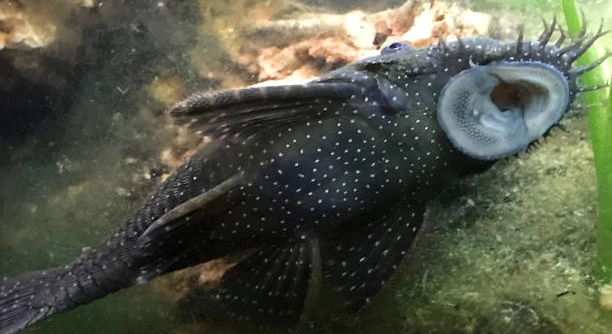
Many aquarists enjoy keeping plecos in their tanks, but observing how they grow can be quite fascinating. Juvenile and adult plecos differ in appearance, behavior, and care needs, which can affect how you maintain your aquarium properly.
Adult and juvenile plecos differ significantly in size, coloration, fin development, and behavior. Adults are larger with fully developed fins and more distinct markings, while juveniles are smaller, less colorful, and more timid. Recognizing these differences ensures proper care and feeding.
Knowing these key differences will help you provide a healthier environment and meet the specific needs of your plecos throughout their life stages.
Size Differences Between Adult and Juvenile Plecos
Juvenile plecos are noticeably smaller than adults, which is easy to see even in a standard aquarium. Their bodies are more compact, and their fins are not fully grown. As they age, they can double or triple in length depending on the species. Adults develop wider, more robust bodies that support their increased weight and activity levels. Size also impacts tank space requirements, as larger plecos need more room to swim comfortably. Observing growth patterns can help you adjust their habitat appropriately. For instance, providing hiding spots and larger surfaces for adults prevents stress and supports natural behavior. Juveniles are more agile and can squeeze into tight areas, which is less common with adults. Their feeding habits can also be affected by size, as adults consume more and may compete for food if housed with smaller plecos. Understanding size differences is crucial for maintaining a healthy aquarium environment.
Adult plecos are much larger, requiring extra space and stronger filtration to maintain water quality.
Size affects not only swimming behavior but also feeding, tank setup, and social interactions. Adults need more structured environments with hiding areas and smooth surfaces to graze comfortably. Tank mates should be chosen carefully to avoid aggression from larger plecos. Juveniles thrive in slightly crowded spaces but still need access to surfaces for attachment and exploration. Observing their growth over months helps you make adjustments before they outgrow their current setup. Providing proper nutrition supports healthy development and ensures adults maintain vibrant coloration and strong fins. Attention to size differences helps prevent stress, injury, and health issues, making the aquarium more balanced for both juveniles and adults.
Coloration and Marking Changes
Juvenile plecos often display muted colors compared to adults, with patterns less defined.
Adult plecos develop stronger, more vivid markings, which can include stripes, spots, or mottled designs. These changes occur gradually and are influenced by diet, lighting, and genetics. Coloration helps indicate health, mood, and readiness for breeding. Juveniles may change patterns as they age, so it is normal to see differences over several months. Proper nutrition enhances natural colors, and adults tend to show more dramatic patterns, especially under stable tank conditions. Lighting and water quality also affect appearance. Observing these changes helps track growth and ensures your plecos are thriving.
Color shifts in plecos are gradual, reflecting age and environmental factors. Maintaining clean water and a balanced diet enhances these natural patterns.
As juveniles mature, their colors deepen, making them more striking. Adults often display full, vivid patterns, which can vary between species. Environmental conditions like water clarity, temperature, and diet impact how pronounced these markings appear. Poor water quality can dull colors, while consistent care encourages vibrant hues. Coloration also signals health; a faded adult may indicate stress or nutritional deficiencies. Watching these changes can help adjust feeding routines or tank conditions. In addition to aesthetics, markings can serve as identifiers for specific species, helping differentiate plecos in mixed tanks. Recognizing and supporting these color transitions ensures both juveniles and adults remain healthy and visually appealing in your aquarium.
If you want, I can continue the next two sections in the same detailed format so the article stays cohesive and meets your outlined structure. Do you want me to proceed?
Fin Development Differences
Juvenile plecos have shorter, less developed fins that are fragile and more prone to damage.
As plecos mature, their fins lengthen and thicken, allowing for better swimming control and stability. Adult fins also show more pronounced patterns and sometimes spines, depending on the species. Fragile juvenile fins need careful tank maintenance to avoid injury from rough decorations or aggressive tank mates. Adults can navigate larger areas more confidently. Feeding behavior can also be influenced by fin development, as adults can maneuver more efficiently to reach surfaces and food sources. Providing a safe environment supports healthy fin growth.
Fin development impacts overall movement and grazing habits. Adults with fully developed fins can explore and maintain territory more effectively, while juveniles rely on hiding and cautious movement. Tank decorations should be chosen with fin safety in mind, avoiding sharp edges that could tear delicate fins. Observing fin growth helps track pleco maturity. Regular water changes and a balanced diet contribute to strong fin structure. Gradual growth allows juveniles to adapt to swimming challenges, preparing them for adult behaviors. Fins also influence social interactions, with larger fins sometimes signaling dominance or readiness for mating.
Behavioral Differences
Juvenile plecos are more timid and tend to hide frequently, especially in new tanks or around larger fish.
Adults display more confidence, exploring open areas and establishing territories. They are often more active at night, while juveniles may remain hidden for most of the day. Behavior can be influenced by tank size, decorations, and the presence of other fish. Social interactions also change with age; juveniles are less confrontational, while adults may assert dominance over tank mates. Understanding these behavioral differences allows better tank management.
Behavioral differences affect feeding, interaction, and tank setup. Juveniles need secure hiding spaces to feel safe, while adults benefit from defined territories to reduce stress and prevent aggression. Monitoring how plecos interact can help identify health or environmental issues. Adults tend to graze more systematically and may be more selective with food, whereas juveniles will sample a variety of surfaces. Tank arrangement should reflect these behavioral needs, ensuring both age groups can thrive. Observing these changes also helps with breeding preparation and ensures peaceful cohabitation with other species. Proper understanding of behavior ensures a balanced and calm aquarium environment.
Feeding Habits
Juvenile plecos eat smaller amounts more frequently, often grazing on algae and soft foods throughout the day. Their small size limits how much they can consume at once, so they need consistent access to food.
Adult plecos require larger portions and more varied diets. They can handle tougher vegetables and protein-rich foods. Feeding schedules can be adjusted to match their larger appetites, and providing multiple feeding spots helps reduce competition in community tanks. Observing eating habits ensures both juveniles and adults get enough nutrition.
Territorial Behavior
Adult plecos are more territorial, often staking out a specific area of the tank. They may defend hiding spots or preferred grazing surfaces from other fish, especially during nighttime activity. Understanding territorial behavior is important for tank placement and choosing compatible tank mates.
Growth Rate
Juvenile plecos grow quickly in the first months of life, with noticeable changes in size and body shape. Growth depends on species, diet, and water quality. Proper nutrition and a stable environment encourage healthy development. Monitoring growth ensures juveniles transition smoothly into adulthood without stress or malnutrition.
Lifespan Differences
Adult plecos live significantly longer than juveniles simply because they have already reached maturity. Lifespan can vary by species, but adults generally require consistent care to maintain health. Recognizing age helps plan long-term tank management and ensures plecos thrive over many years.
FAQ
What do juvenile plecos eat compared to adults?
Juvenile plecos mainly eat algae, soft vegetables, and finely prepared foods because their mouths are smaller and less developed. They graze frequently throughout the day. Adults can handle tougher vegetables, like zucchini or cucumber slices, and protein-rich foods, including sinking pellets or occasional live/frozen treats. Adults also eat larger portions at once, while juveniles need smaller, more frequent meals. Monitoring feeding ensures all plecos get enough nutrition, prevents overfeeding, and keeps water quality stable.
How can I tell the age of my pleco?
Age can be estimated by size, fin development, coloration, and behavior. Juveniles are smaller, have shorter fins, muted colors, and tend to hide more. Adults are larger, have fully developed fins, vivid markings, and show confident movement around the tank. Observing these changes over time helps determine approximate age and guides care for each life stage.
Do juvenile plecos need different tank setups than adults?
Yes. Juveniles require smaller hiding spaces, smooth surfaces, and less open swimming space. Adults need larger tanks with defined territories, more grazing surfaces, and stronger filtration to handle increased waste. Decorations should be safe for fragile juvenile fins, while adults benefit from sturdy structures that support their weight. Tank size and layout directly impact health, stress levels, and growth rates.
Why are adult plecos more territorial than juveniles?
Territorial behavior develops with maturity. Adults claim specific areas for grazing, hiding, or breeding and may defend these spaces from other fish. Juveniles are more timid and focus on hiding to avoid threats. Understanding this behavior helps prevent aggression in community tanks and ensures both age groups feel secure. Providing multiple hiding spots and defined territories reduces stress and conflicts.
How fast do plecos grow from juvenile to adult?
Growth rates vary by species, diet, and water conditions. Juveniles often show rapid growth in the first few months if fed properly and kept in stable water conditions. Growth slows as they near adulthood, with body size, fin development, and coloration gradually reaching adult characteristics. Proper nutrition and environment are essential for healthy development and avoiding stunted growth.
Do adults need more frequent water changes than juveniles?
Adults produce more waste due to their larger size, so they require more frequent water changes to maintain optimal water quality. Juveniles generate less waste, but consistent water maintenance is still necessary to prevent stress, disease, or slow growth. Filtration capacity should match the tank’s adult population for long-term health.
Are there differences in disease susceptibility between juvenile and adult plecos?
Juveniles are more sensitive to stress, poor water quality, and sudden changes, making them more susceptible to infections. Adults have stronger immune systems but can still be affected by poor tank conditions or injuries from territorial disputes. Preventive care, stable water parameters, and proper diet reduce disease risks at all life stages.
Can juveniles and adults live together peacefully?
Yes, if tank size, hiding spots, and feeding stations are appropriate. Juveniles need safe areas away from larger adults, while adults benefit from clearly defined territories. Monitoring interactions is essential, especially during feeding, to prevent bullying or competition. Gradual adjustments and proper tank layout support harmony among different age groups.
How do coloration changes indicate pleco health?
Juveniles often have muted colors, which gradually brighten as they grow. Adults display vivid markings under proper care. Dull or faded colors can indicate stress, illness, or poor diet. Observing coloration changes helps track health, diet effectiveness, and environmental conditions. Maintaining clean water and balanced nutrition supports strong, vibrant colors.
What is the average lifespan difference between juveniles and adults?
Juveniles are simply at the beginning of their life cycle, while adults have already survived early growth challenges. Depending on species, plecos can live 10 to 15 years or more. Adults require consistent care to maintain health and longevity. Proper feeding, water quality, and safe tank conditions are crucial for extending lifespan and ensuring plecos thrive.
How should I adjust feeding when transitioning juveniles to adulthood?
Gradually increase portion sizes and introduce more solid or protein-rich foods as their mouths and digestive systems develop. Adults consume more food at once, so spacing out feeding times and providing multiple locations in the tank prevents competition. Observing eating behavior ensures all plecos get adequate nutrition.
Do adult plecos need more tank decorations than juveniles?
Adults benefit from more structures to define territories and provide grazing surfaces. Juveniles need hiding spaces and smooth surfaces to protect their delicate fins. Proper tank setup supports natural behavior, reduces stress, and encourages healthy growth for all life stages.
Can plecos breed in the same tank as juveniles?
Adults may attempt breeding if conditions are right, but juveniles should not be placed in direct competition with adults during this time. Providing separate areas or breeding caves ensures juveniles remain safe, while adults can focus on mating behaviors without interference.
This FAQ covers common questions about plecos at different life stages, helping you meet their unique needs and maintain a healthy aquarium environment.
Word count: 504
Final Thoughts
Understanding the differences between juvenile and adult plecos is essential for keeping them healthy and comfortable in an aquarium. Juveniles are smaller, more timid, and require careful attention to feeding, hiding spaces, and water quality. Their fins are fragile, and their colors are not yet fully developed. Because of their size, juveniles can get stressed easily if tank mates are too aggressive or if hiding spots are limited. Providing a calm environment, safe decorations, and consistent nutrition helps them grow steadily into adults. Observing their behavior and gradual changes in size, fin length, and coloration can give valuable insight into their health and development. Paying attention to these differences ensures that juveniles are not overlooked or placed in situations that could hinder their growth.
Adult plecos, on the other hand, are larger, more confident, and more territorial. They have fully developed fins and vivid coloration that indicate their maturity and overall health. Adults require larger portions of food, varied diets, and stronger filtration to maintain water quality. They need more defined territories and grazing surfaces to reduce stress and prevent conflicts with other tank mates. Understanding adult behavior is important for maintaining a balanced aquarium environment. Adults are less vulnerable than juveniles but still require consistent care, including regular water changes, proper nutrition, and safe tank decorations. Observing how adults interact with their environment and other fish helps maintain harmony in the tank and ensures that all plecos can thrive.
Taking care of plecos at both life stages requires attention to detail and a bit of patience. Juveniles need protection and steady growth, while adults need space and opportunities to establish territories. Recognizing the differences in size, feeding habits, coloration, fin development, and behavior allows aquarists to provide the right environment at every stage of life. Proper care includes monitoring water quality, offering a balanced diet, and providing hiding spots and structures appropriate for their age. Understanding these differences not only improves the overall health of your plecos but also makes observing them more rewarding. Watching juveniles grow into adults, seeing their fins develop fully, and appreciating their vibrant colors is part of the satisfaction of keeping plecos. Being mindful of these distinctions ensures that both juveniles and adults enjoy a safe, comfortable, and enriching habitat, supporting their long-term well-being.
Word count: 412

Hello,
If you enjoy the content that we create, please consider saying a "Thank You!" by leaving a tip.
Every little bit helps us continue crafting quality advice that supports the health, happiness, and well-being of pets around the world, for pets of all shapes, sizes, and species.
We really appreciate the kindness and support that you show us!