
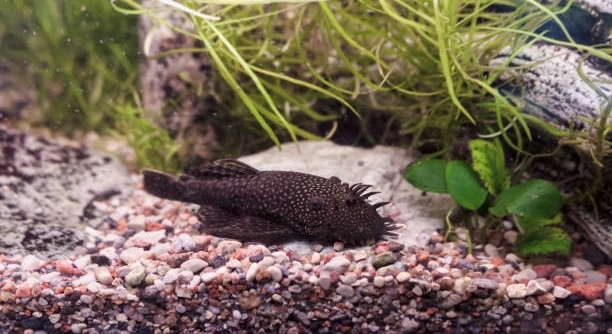
Do you ever notice your pleco disappearing for days, leaving your aquarium unusually quiet? These mysterious fish often vanish from sight, creating a sense of concern among owners who want to ensure their pets are safe and healthy.
Plecos hide for extended periods primarily due to stress, environmental changes, or natural nocturnal behavior. They seek shelter to feel secure, regulate their activity cycles, and conserve energy, making hiding a normal, instinctive response in a well-maintained aquarium.
Understanding these behaviors can help you provide a more comfortable habitat and reduce unnecessary worry about your pleco’s occasional disappearances.
Common Reasons Plecos Hide
Plecos often hide when they feel stressed or unsafe. Changes in water temperature, lighting, or tank setup can make them retreat to shelters. Some plecos are naturally shy and prefer to stay out of sight during the day. Hiding also helps them conserve energy, especially if they are not feeding regularly. In my experience, adding plants or driftwood creates comfortable hiding spots and reduces their stress. Even small disturbances, like rearranging decorations or sudden loud noises near the aquarium, can make plecos seek shelter for days. Understanding their shy nature helps owners avoid unnecessary worry. Plecos also hide when preparing to molt or adjust to new water chemistry. Providing stable conditions with gentle water flow and consistent feeding encourages them to spend more time visible. Observing their routines helps recognize when hiding is normal versus when it signals health concerns.
Plecos’ nocturnal habits often make daytime hiding completely normal behavior.
Keeping track of water parameters and feeding schedules ensures your pleco remains healthy and gradually more active.
Environmental Adjustments for Comfort
Providing proper hiding spots can reduce stress and improve pleco behavior.
Plecos thrive when the tank mimics their natural habitat. Soft lighting, driftwood, caves, and plants allow them to feel secure. Sudden changes in water temperature or pH can trigger long hiding periods, so maintaining consistency is essential. Observing your pleco’s favorite hiding spots can guide where to place new decorations. Feeding schedules also matter—offering food during their active hours encourages activity. Some plecos prefer the tank bottom, while others explore mid-level spaces at night. Avoid overcrowding the aquarium with aggressive tank mates, as this often forces them into hiding. By paying attention to these factors, you create a calmer, healthier environment. Over time, plecos adjust to their surroundings, becoming more visible without losing their natural instincts. The combination of comfort, routine, and patience ensures your pleco feels safe and reduces extended hiding, benefiting both their health and your enjoyment of the tank.
Feeding Habits and Hiding
Plecos may hide when they are not hungry or waiting for the right feeding time. They often stay in shelters during the day and come out at night to eat, following their natural nocturnal habits.
Some plecos are picky eaters, and hiding can signal they are avoiding food they do not like. If they are new to the tank, it can take several days for them to explore and feel comfortable eating in the open. Offering a variety of foods like algae wafers, vegetables, and occasional protein can encourage them to come out. Observing their feeding patterns helps determine whether hiding is normal or caused by stress. Avoid overfeeding, as uneaten food can affect water quality and increase stress, making plecos more likely to retreat. In my experience, gradually introducing new foods while keeping a consistent schedule helps plecos feel secure enough to feed without hiding.
Hiding can also indicate digestion needs, as plecos often rest after eating before becoming active again.
Providing food in predictable locations and at regular times can reduce long hiding periods, making plecos more visible.
Tank Maintenance and Hiding
Regular cleaning and water changes reduce stress and encourage activity.
Dirty water or poor filtration makes plecos retreat to safe spots. Weekly partial water changes and cleaning the substrate help maintain stability. Avoid drastic changes in temperature or chemicals, as sudden shifts can increase hiding. Driftwood, plants, and caves give plecos secure areas during maintenance or when they feel threatened. Observing water parameters like pH, ammonia, and nitrite ensures the tank remains healthy. Overcrowding can also force plecos into shelters, so monitoring tank mates is important. When I started keeping track of water quality and cleaning routines, my pleco became noticeably more active and comfortable. Providing predictable care reduces stress and supports natural behaviors without constant hiding.
Consistency in maintenance helps plecos feel safe, improving their overall health and visibility.
Paying attention to water quality, hiding spots, and tank mates allows plecos to thrive while still respecting their natural instincts. Proper care ensures a healthy environment where hiding is temporary rather than prolonged.
Stress and Tank Dynamics
Plecos hide when stressed by sudden changes or aggressive tank mates. Overcrowding, loud noises, or rough handling can trigger retreating behavior, as they seek safety in secluded areas.
Stress from inconsistent water conditions also causes hiding. Keeping temperature, pH, and filtration stable reduces fear and helps plecos feel secure.
Seasonal and Lighting Effects
Lighting changes and seasonal shifts influence pleco activity. Brighter lights can make them feel exposed, while dim or natural lighting encourages them to explore. Adjusting light schedules gradually helps them adapt and reduces prolonged hiding, promoting healthier behavior in the aquarium.
Health Considerations
Hiding can signal illness or injury in plecos. Lethargy, lack of appetite, or visible marks often accompany health issues. Monitoring behavior and water quality helps identify problems early, allowing timely intervention with treatment or adjustments to ensure recovery.
Observing Natural Behavior
Plecos often hide as part of their instinctive patterns. Recognizing these natural tendencies allows owners to distinguish between normal behavior and signs of stress or illness, creating a better environment for long-term well-being.
FAQ
Why does my pleco hide all day?
Plecos are naturally nocturnal, so hiding during daylight hours is normal. They feel safer in shaded areas, caves, or under driftwood. Some species are more shy than others, and individual behavior varies. Regular feeding, stable water conditions, and providing secure hiding spots help them feel comfortable. Observing their patterns over several days can show whether this is typical behavior or a response to stress.
Is it normal for plecos to hide for several days?
Yes, plecos can disappear for days without it being a health concern. Long hiding periods can occur due to stress, minor illness, or acclimating to a new tank. Ensuring the aquarium environment is stable and quiet usually encourages them to return to normal activity gradually.
Could hiding indicate illness?
Hiding can sometimes signal health issues, especially if paired with other signs like loss of appetite, unusual swimming patterns, or visible injuries. Regular monitoring of water quality, diet, and behavior can help detect early problems. If illness is suspected, separating the pleco in a quarantine tank and consulting a veterinarian experienced with fish is recommended.
Do plecos prefer certain hiding spots over others?
Yes, plecos often favor caves, dense plants, or driftwood where they feel fully covered. In my experience, experimenting with a few different options helps determine their preferred spots. Secure hiding areas reduce stress and encourage natural behavior, making them more active when they feel safe.
Does water quality affect hiding behavior?
Absolutely. Poor water quality, fluctuating pH, high ammonia, or nitrite levels can make plecos retreat. Regular water testing, partial changes, and maintaining a good filtration system are essential. Stable conditions not only reduce prolonged hiding but also support overall health and longevity.
Can tank mates influence hiding?
Aggressive or overly active fish can intimidate plecos, prompting them to hide. Observing interactions and separating incompatible species helps reduce stress. Peaceful community fish, combined with plenty of hiding spots, encourage plecos to come out more often. Overcrowding should be avoided to prevent constant retreating.
Should I feed hidden plecos differently?
Feeding plecos at night or near their hiding spots often works best. Some plecos take time to venture out for food, especially when new to a tank. Offering a mix of algae wafers, vegetables, and occasional protein ensures they get proper nutrition even when hiding.
Do plecos hide more in certain seasons?
Seasonal changes, particularly shifts in temperature or daylight, can influence activity. They may hide longer during warmer or brighter months. Gradual adjustments in light and temperature help them maintain normal behavior without prolonged retreating.
How can I tell if hiding is normal or a problem?
Normal hiding is part of nocturnal and shy behavior. Problems arise when hiding is paired with illness signs, sudden inactivity, or erratic swimming. Keeping notes on behavior, feeding, and water parameters helps identify unusual patterns early.
Can stress reduction make plecos more visible?
Yes. Providing consistent care, secure hiding spots, gentle lighting, and compatible tank mates encourages plecos to explore more. Patience is key, as some plecos take weeks to feel fully comfortable. Creating a calm and stable environment is the best long-term solution.
How long should I wait before worrying about prolonged hiding?
If a pleco remains hidden beyond a week without eating or shows additional health concerns, it may require intervention. Checking water quality, feeding routines, and observing for disease symptoms helps determine the right next steps. Prompt attention ensures their health isn’t compromised.
Do plecos ever hide just for comfort?
Yes, hiding is often a comfort behavior, similar to humans retreating to a quiet room. They seek shelter to rest, reduce stress, or prepare for nighttime activity. Understanding this instinct helps owners respect their natural habits while maintaining a healthy tank environment.
This FAQ provides practical insights and personal observations to help owners understand pleco hiding behavior and maintain a supportive environment for long-term health.
Final Thoughts
Plecos are naturally shy and nocturnal fish, and hiding is often a normal part of their behavior. They use shelters, plants, and driftwood to feel secure and reduce stress. It is common for them to remain out of sight for days at a time, especially during daylight hours or when adjusting to new surroundings. While it may seem concerning at first, hiding is usually a way for plecos to manage their environment and protect themselves. Observing their routines and preferred hiding spots helps owners understand that these fish are not necessarily unwell or unhappy, but rather following their natural instincts. Providing consistent care and a calm environment encourages them to feel safe, which can lead to more visible activity over time.
Maintaining a stable and clean aquarium is one of the most important ways to ensure your pleco’s health and reduce extended hiding periods. Water quality, temperature, and pH levels should be monitored regularly to prevent stress. Abrupt changes in the tank, sudden noises, or overcrowding can make plecos feel threatened, causing them to retreat more often. Offering a variety of food during their active hours and placing it near hiding spots can encourage them to feed without forcing them out of their safe areas. Providing multiple secure shelters throughout the tank, such as caves or driftwood, gives plecos options and reduces competition or anxiety. Watching their behavior closely allows owners to recognize the difference between normal hiding and signs of illness, which can include lethargy, loss of appetite, or unusual marks.
Understanding plecos’ natural tendencies makes keeping them less stressful and more enjoyable. Hiding is not always a sign of a problem but rather a reflection of their instinctive need for security. By creating a stable environment, offering comfortable shelters, and observing patterns in feeding and activity, owners can support their plecos’ well-being. Patience is key, as some plecos take time to adjust to a tank or new conditions. Learning to respect their hiding habits allows you to provide care that meets their natural preferences. Over time, you will notice a balance where plecos feel secure enough to explore while still having places to retreat when they need rest or comfort. Proper care, attention to water conditions, and understanding their behavior ensures that your plecos stay healthy, active, and stress-free in their home.

Hello,
If you enjoy the content that we create, please consider saying a "Thank You!" by leaving a tip.
Every little bit helps us continue crafting quality advice that supports the health, happiness, and well-being of pets around the world, for pets of all shapes, sizes, and species.
We really appreciate the kindness and support that you show us!