
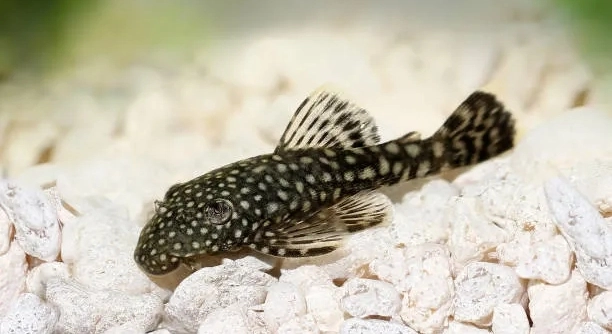
Do you ever notice your plecos acting restless or unusually aggressive in their tank? Overcrowding is a common issue among aquarium enthusiasts, and it can quietly affect both the health of your fish and the balance of your tank ecosystem.
Overcrowding plecos can lead to severe stress, stunted growth, increased aggression, poor water quality, disease susceptibility, territorial disputes, and uneven feeding. These conditions negatively impact both their physical health and overall well-being in captive environments.
Understanding these consequences is crucial for maintaining a healthy tank. Addressing overcrowding early ensures your plecos thrive and reduces long-term complications in their aquatic habitat.
Increased Stress Levels
Plecos are territorial by nature, and placing too many in a confined space can create constant tension. Stress weakens their immune system, making them more susceptible to infections and disease. You may notice your plecos hiding more often, refusing food, or displaying erratic swimming patterns. High-stress environments can also interfere with their natural behaviors, like grazing on algae or interacting with tank mates. Over time, stress can stunt growth, reduce lifespan, and make them more aggressive toward one another. Even subtle signs like fading coloration or minor fin damage can indicate prolonged stress. Adjusting tank density and providing adequate hiding spaces can reduce tension. Stress doesn’t just affect the individual fish—it can disrupt the tank’s balance, leading to deteriorating water quality and increased vulnerability for all inhabitants. Monitoring your plecos closely and making changes when overcrowding is suspected can help restore a stable, healthy environment. Proper filtration and tank maintenance are essential when keeping multiple plecos.
High stress affects both behavior and health, making careful monitoring essential for their survival and well-being in the tank environment.
Reducing stress requires providing enough space, hiding spots, and territorial boundaries. Plecos need surfaces to graze, areas to retreat, and stable water conditions. Overcrowded tanks often lead to fights over the same algae patches, forcing weaker fish into hiding. This imbalance not only stresses individual plecos but also reduces their ability to feed and grow properly. Regular water testing, partial water changes, and thoughtful tank layout help minimize stress. Observing interactions daily allows for early detection of bullying or illness. Each pleco’s health and comfort depend on a balance between population density and environmental enrichment. By addressing these needs, owners can maintain calmer, healthier fish and a more stable aquarium.
Poor Water Quality
Overcrowding plecos increases waste accumulation, which directly impacts water quality and clarity.
Excessive waste produces ammonia, nitrites, and nitrates, stressing fish and promoting algae overgrowth. High bioloads can overwhelm filtration systems, causing rapid changes in pH and oxygen levels. Regular water testing, partial water changes, and proper filtration are critical. Overcrowding can also spread pathogens more quickly, since poor water quality weakens immunity. The combination of chemical imbalances and waste buildup can make it difficult to maintain a stable environment, affecting all tank inhabitants. Filtration capacity should match the number of plecos, and extra aeration may be needed. Avoiding overcrowding is the most effective way to keep water safe.
Maintaining clean water requires consistent care, appropriate tank size, and monitoring of chemical levels to protect pleco health.
To prevent poor water quality, first calculate the optimal number of plecos per gallon. Each fish produces waste that adds to the bioload, and filtration alone cannot compensate for excessive population density. Partial water changes, ideally twenty to thirty percent weekly, help remove toxins and replenish oxygen. Using substrate vacuuming and removing uneaten food reduces decomposition. Biological filtration is essential to process ammonia and nitrites, while mechanical filtration removes visible debris. Overcrowded tanks often experience fluctuating pH, oxygen depletion, and elevated nitrate levels, which weaken immune systems and trigger stress. Testing kits allow for proactive monitoring, letting you respond to chemical spikes before they harm plecos. By maintaining both water quality and tank density, you ensure healthier growth, reduced disease risk, and a more balanced environment for all species living together.
Aggression Among Plecos
Overcrowding leads to frequent fights over territory, hiding spots, and food. Aggression can cause fin damage, injuries, and prolonged stress, making weaker plecos more vulnerable to disease and slower growth.
Aggressive behavior becomes more pronounced when plecos compete for limited resources. Territorial disputes often involve chasing, biting, and blocking access to favored areas. When several plecos occupy the same space, these interactions increase in frequency and intensity. Aggression is not limited to dominant individuals; even normally peaceful plecos may lash out if stressed or deprived of space. Over time, repeated conflicts can cause physical harm and leave lasting stress effects, reducing overall health and resilience. Maintaining appropriate tank density and providing multiple hiding places can minimize these conflicts.
In addition to injuries, aggressive interactions disrupt feeding and resting patterns. Weaker plecos may be forced into corners, preventing them from grazing on algae or accessing proper nutrition. Stress from aggression also suppresses the immune system, increasing susceptibility to bacterial or fungal infections. Overcrowded tanks amplify the visibility of these problems, making disease outbreaks more likely. Proper tank layout, multiple caves, and visual barriers help reduce aggression by giving plecos defined territories. Ensuring enough space per fish improves both behavior and health, supporting growth and maintaining natural activity levels.
Stunted Growth
Limited space and high stress can prevent plecos from reaching their full size. Competition for food and territory slows development and weakens overall health.
When plecos are overcrowded, individual access to food may be inconsistent. Smaller or weaker fish often receive less nutrition, resulting in slower growth. Stress from constant interaction and insufficient hiding spaces also diverts energy from growth. Additionally, poor water quality in densely populated tanks reduces oxygen availability and increases toxin levels, further impairing development. Stunted growth can lead to deformities, shorter lifespan, and increased disease susceptibility. Providing adequate space, sufficient food, and stable water conditions supports proper growth and long-term well-being.
Environmental factors compound growth issues. Overcrowding limits swimming space, which is essential for muscle development and overall fitness. Restricted movement and social stress can stunt not only size but also skeletal and fin formation. High-density tanks often experience fluctuating water parameters, including ammonia spikes, low oxygen, and pH shifts, all of which slow metabolism. Nutrient competition means weaker plecos fail to consume enough algae or supplemental foods, further hindering growth. Separating plecos or increasing tank volume allows for adequate space, reduces stress, and ensures balanced access to resources. Consistent monitoring and maintenance help create conditions where plecos can reach their natural size and thrive in a stable, healthy environment.
Uneven Feeding
Overcrowding makes it difficult for all plecos to access food evenly. Dominant fish often consume most of the nutrients, leaving weaker individuals underfed and malnourished.
Competition for food can cause stress and weight loss in less assertive plecos. Ensuring multiple feeding spots and monitoring consumption is essential to prevent nutritional imbalance.
Disease Spread
High-density tanks increase the risk of disease transmission. Pathogens move quickly between closely packed plecos, especially if water quality is poor. Stress and injuries from aggression further weaken immunity, making infections more likely. Preventing overcrowding and maintaining proper hygiene are key to reducing disease outbreaks.
Territorial Disputes
Plecos need personal space for resting and grazing. Overcrowded tanks force constant interaction, triggering fights and stress. Providing hiding spots, caves, and defined territories helps reduce conflicts and allows each pleco to establish its own area within the aquarium.
FAQ
What is the ideal tank size for plecos?
Plecos require adequate space to thrive. Small species like bristlenose plecos need at least 30 gallons for one adult, while larger species, such as common plecos, need 75 gallons or more. Tank size should allow for grazing surfaces, hiding spots, and swimming space to reduce stress and prevent aggression. Overcrowding any pleco species can lead to health issues, stunted growth, and behavioral problems, so it is important to match tank size to the adult size of the fish.
How many plecos can safely live in a single tank?
The number of plecos depends on their species and size. For smaller plecos, one adult per 20–30 gallons is generally sufficient, whereas larger plecos require much more space. Overcrowding increases competition for food, territorial disputes, and stress, which can compromise immune systems. It is better to provide more space than risk health problems. If you keep multiple plecos, include caves, driftwood, and algae-covered surfaces to minimize conflicts and give each fish a defined territory.
How does overcrowding affect pleco behavior?
Crowded conditions often result in aggression, chasing, and bullying. Dominant plecos may block weaker fish from food or hiding spots. Constant stress can make normally peaceful species more defensive or territorial. Overcrowding disrupts natural behaviors, such as grazing and resting, and can lead to unusual swimming patterns or hiding habits. Providing adequate space, multiple feeding stations, and visual barriers can help reduce these behavioral problems and improve overall health.
What are the signs of stress in plecos?
Stress in plecos shows through hiding more than usual, fading coloration, erratic swimming, or fin damage. Loss of appetite and slower growth are also indicators. Stress reduces immune function, making plecos more susceptible to disease. Monitoring behavior daily and ensuring proper tank conditions, water quality, and space can prevent long-term health issues. Adjusting the number of fish or providing more hiding spaces often alleviates stress.
How can I prevent stunted growth in plecos?
Stunted growth is often a result of limited space, poor water quality, or insufficient food. Ensure plecos have enough room to swim freely and access to adequate nutrition. Maintaining stable water parameters, including temperature, pH, and oxygen levels, supports healthy development. Observing feeding behavior and supplementing diets with algae wafers or vegetables helps prevent malnutrition and ensures proper growth.
What are the best ways to maintain water quality in crowded tanks?
Frequent water changes, proper filtration, and removing uneaten food are essential. Overcrowded tanks produce more waste, leading to ammonia, nitrite, and nitrate spikes. Biological filtration helps break down toxins, while mechanical filtration removes debris. Testing water regularly allows for early detection of harmful chemical changes. Adding aeration improves oxygen levels, and separating fish if overcrowding persists prevents rapid deterioration of water conditions.
Why do plecos fight in crowded tanks?
Plecos are territorial, and overcrowding forces constant interaction. Limited hiding spots and competition for food escalate aggression. Fights often result in fin damage, injuries, and prolonged stress. Providing caves, driftwood, and visual barriers helps each fish establish territory. Reducing the number of plecos or increasing tank size minimizes conflict and creates a more balanced environment.
How can I ensure even feeding among multiple plecos?
Use multiple feeding stations spread throughout the tank. This allows weaker plecos to access food without being blocked by dominant fish. Monitor eating habits and adjust the quantity to ensure all individuals receive sufficient nutrition. Supplementing with vegetables or algae wafers supports balanced diets and reduces competition during feeding times.
What should I do if my plecos show signs of disease?
Immediately check water quality and remove any sick or injured fish to prevent spreading infection. Treat with appropriate medication based on the condition. Stress reduction, proper nutrition, and clean water are critical in recovery. Overcrowding often contributes to disease, so consider reducing the number of plecos or increasing tank size.
Can plecos survive long-term in a crowded tank?
While they may survive for a time, overcrowding significantly reduces lifespan and quality of life. Constant stress, poor water quality, and frequent injuries make them more susceptible to disease. Providing adequate space, proper filtration, and environmental enrichment is necessary to ensure long-term health and natural behavior.
This FAQ covers the most common concerns regarding overcrowded plecos, emphasizing the importance of space, water quality, and stress management to maintain healthy, thriving fish in any aquarium setup.
Final Thoughts
Overcrowding plecos in an aquarium can quietly create many problems that affect their health and behavior. When too many fish are placed in a limited space, stress becomes a constant factor. Stress is not just a temporary reaction—it can weaken the immune system, make plecos more vulnerable to disease, and interfere with their natural behaviors. Plecos may become aggressive, hiding constantly or fighting with others for food and territory. Even subtle changes, like faded coloration or slightly damaged fins, are signs that the fish are struggling. Observing your plecos regularly allows you to catch these signs early, giving you the chance to make adjustments before serious health issues develop. Maintaining a calm environment with adequate space is one of the simplest ways to keep your plecos healthy and content.
Proper water quality is also critical in preventing problems caused by overcrowding. With too many plecos, waste builds up quickly, producing harmful chemicals such as ammonia, nitrites, and nitrates. High levels of these compounds can weaken fish, slow growth, and lead to disease outbreaks. Filtration alone cannot always manage the load of a crowded tank, and overworked filters may fail, creating additional risks. Regular water changes, monitoring of chemical levels, and cleaning uneaten food and debris are essential tasks for any pleco owner. A tank that is well-maintained with appropriate filtration reduces stress and creates a healthier environment for all inhabitants. Ensuring each fish has space to graze, hide, and swim freely contributes to their overall health, making water quality management more effective.
Providing enough room and environmental enrichment is equally important. Plecos need hiding spots, caves, and surfaces for grazing. Overcrowding limits access to these necessities, which can disrupt feeding, resting, and territorial behaviors. Without proper space, weaker or smaller plecos may be blocked from food or shelter, leading to malnutrition, stunted growth, or injuries. By designing the tank with multiple hiding areas and visual barriers, each pleco can establish its own territory, reducing conflict and stress. The overall health of plecos is closely tied to both tank size and layout. Even minor adjustments, such as spacing out caves, adding driftwood, or ensuring feeding stations are spread out, can have a significant impact. Ultimately, a balanced, well-maintained tank with the right population density allows plecos to thrive, grow properly, and display natural behaviors, creating a healthier and more harmonious environment for all fish.

Hello,
If you enjoy the content that we create, please consider saying a "Thank You!" by leaving a tip.
Every little bit helps us continue crafting quality advice that supports the health, happiness, and well-being of pets around the world, for pets of all shapes, sizes, and species.
We really appreciate the kindness and support that you show us!