
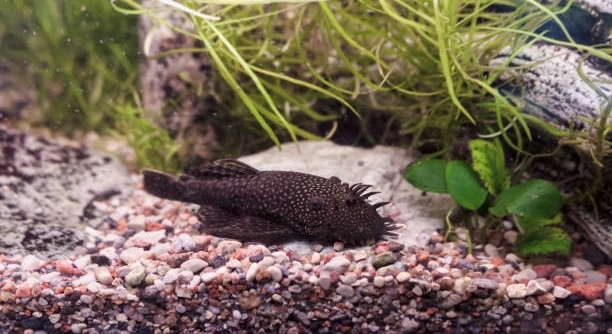
Bristlenose plecos are popular freshwater fish known for their algae-eating habits and unique appearance. Many aquarium enthusiasts enjoy observing their behavior, especially how they interact with their environment and respond to changes in their tank.
Bristlenose plecos do not have traditional ears but can detect vibrations and low-frequency sounds through their inner ear and lateral line system. This allows them to sense movement and environmental changes rather than hear in the way humans do.
Understanding how these fish perceive their surroundings can improve tank conditions and overall care, ensuring they remain healthy and active in their aquatic habitat.
How Bristlenose Plecos Sense Their Environment
Bristlenose plecos rely heavily on their lateral line system, which runs along the sides of their body. This system allows them to detect vibrations in the water caused by nearby movements or objects. In addition, their inner ear helps them perceive low-frequency sounds, giving them an awareness of potential threats or food sources. Unlike humans, plecos cannot hear distinct sounds or tones but can respond to changes in water pressure. This sensitivity is particularly useful in tanks where multiple fish coexist. It helps them avoid aggressive neighbors and navigate around obstacles. Plecos also respond to feeding routines, recognizing vibrations caused by tapping or dropping food. Their ability to sense subtle environmental changes is crucial for survival in both natural and artificial habitats. Careful observation of their responses can reveal much about their health and comfort in the tank. Maintaining clean water and stable conditions enhances these natural sensing abilities.
Understanding how plecos detect vibrations helps improve tank conditions and ensures they feel secure, reducing stress and promoting activity.
Providing proper environmental enrichment and observing their responses can make a noticeable difference in a pleco’s behavior and well-being over time.
Tips for Enhancing Sensory Awareness
Creating a stable tank environment is key for plecos to feel secure. Consistent lighting and minimal sudden disturbances reduce stress and allow them to use their senses effectively.
Adding smooth rocks, driftwood, and hiding spots encourages natural exploration while offering protection. Variation in decorations and tank layout stimulates their lateral line system, promoting activity and reducing boredom. Gentle water movement mimics natural currents, helping plecos detect vibrations without overwhelming them. Feeding routines that introduce slight variations in timing or location can engage their senses while maintaining predictability. Monitoring their responses to environmental changes provides insight into their comfort level, allowing adjustments to reduce stress. Avoiding loud vibrations, sudden tapping on the tank, or overcrowding is essential. Observing how plecos react to these conditions can guide care and prevent behavioral issues. Over time, careful management of sensory stimuli creates a balanced environment where plecos can thrive, stay healthy, and display natural behaviors consistently, reflecting their adaptive abilities.
Common Misconceptions About Pleco Hearing
Many people assume plecos can hear sounds like humans, but this is not accurate. They respond to vibrations rather than distinct noises, relying on their lateral line and inner ear for environmental cues.
Plecos’ reactions to tapping, clinking, or movement in the tank often lead owners to believe they are “hearing.” In reality, these responses are due to vibrations traveling through the water. Their lateral line system detects pressure changes, which signals nearby movement, feeding opportunities, or potential danger. Unlike animals with external ears, plecos cannot distinguish specific sounds, pitch, or volume. Understanding this distinction helps prevent misinterpretation of their behavior and avoids unnecessary stress from loud noises. Owners who adjust tank activity and maintain gentle routines often notice calmer, more predictable behavior in their fish, as plecos feel secure and less startled.
Recognizing the difference between vibration sensing and true hearing also influences tank setup. Avoiding sudden disturbances and providing hiding places ensures plecos can respond naturally to their environment while maintaining health. Observing their movement patterns gives insight into how they detect changes in their surroundings and interact with other fish.
Improving Tank Conditions for Sensory Comfort
Stable water conditions are critical for plecos to respond effectively to environmental cues. Temperature, pH, and cleanliness directly impact their comfort.
Providing hiding spots and textured surfaces encourages exploration and natural behavior. Driftwood, rocks, and gentle water currents stimulate their lateral line system, allowing them to detect vibrations safely. Regular feeding routines with minor variation help maintain sensory engagement. Avoiding overcrowding or sudden tapping on the glass reduces stress and prevents erratic movements. Observing plecos’ reactions to changes allows for adjustments that support their well-being. Over time, a carefully managed environment promotes activity, reduces anxiety, and encourages healthy interactions among tank mates, reflecting their natural adaptive behaviors in a home aquarium.
Signs Plecos Respond to Vibrations
Bristlenose plecos often move or adjust their position when they sense water vibrations. This behavior can indicate nearby movement, feeding activity, or changes in the tank environment. Observing these reactions helps understand their comfort and awareness.
Other subtle signs include fin flicks, head movements, or retreating to hiding spots. These responses show their sensitivity to pressure changes rather than hearing distinct sounds.
Adapting Feeding Routines
Introducing food gently and consistently encourages plecos to recognize vibrations as a feeding cue. Dropping food near preferred hiding spots or spreading it across the tank helps stimulate natural foraging behavior. Gentle tapping or stirring of the water can guide them without causing stress, enhancing interaction and overall tank activity.
Tank Placement Considerations
Avoid placing tanks near heavy foot traffic or loud appliances. Excessive vibrations can startle plecos, affecting their behavior and comfort.
FAQ
Can bristlenose plecos hear tank noises like humans?
No, bristlenose plecos do not hear in the same way humans do. They rely on their lateral line system and inner ear to sense vibrations in the water. Movements, tapping, or water currents create pressure changes that plecos can detect, but they cannot distinguish specific sounds or tones.
Why does my pleco react when I tap on the tank?
Plecos respond to vibrations caused by tapping rather than the sound itself. The lateral line system along their body detects subtle changes in water pressure, signaling movement or potential disturbances. This reaction is a natural protective behavior, helping them navigate and avoid threats.
Do plecos recognize my presence through vibrations?
Yes, plecos can detect repeated vibrations from feeding or tank maintenance routines. They associate these patterns with food or activity, adjusting their behavior accordingly. This recognition is based on consistent pressure changes, not actual hearing.
Can loud music or noises harm my pleco?
Excessive vibrations from loud music, nearby construction, or heavy appliances may stress plecos. Stress can affect feeding, activity, and health. Maintaining a calm environment with minimal sudden disturbances supports their well-being and encourages natural behavior in the tank.
How can I tell if my pleco is stressed by vibrations?
Signs of stress include hiding more than usual, erratic swimming, loss of appetite, or staying near the bottom of the tank. Observing these behaviors and adjusting tank placement or reducing disturbances helps create a calmer environment.
Is it necessary to provide hiding spots for plecos?
Yes, hiding spots are essential. Driftwood, rocks, or caves allow plecos to feel secure and respond naturally to environmental changes. These spaces reduce stress caused by vibrations or sudden movement in the tank and encourage normal activity.
How can I use vibrations to my advantage when feeding?
Introducing food with gentle, predictable taps or drops can signal feeding time. Plecos learn to associate these vibrations with food, making them more active during feeding without causing stress or startle responses.
Do plecos respond to other fish through vibrations?
Yes, plecos sense movement of nearby tank mates through water pressure changes. This helps them avoid aggression, find space, and interact appropriately. They use these signals to maintain safety and coordinate movement in shared tanks.
Can tank equipment create unnecessary vibrations?
Yes, filters, air pumps, or strong water currents can produce vibrations that plecos detect. Ensuring equipment is stable, quiet, and properly placed reduces stress, allowing plecos to behave naturally and remain healthy in their environment.
Will plecos become accustomed to regular tank vibrations?
Over time, plecos can adapt to predictable vibrations, such as regular feeding routines or gentle water movement. Consistency helps them feel secure and reduces overreactions to familiar environmental cues, supporting calmer, more natural behavior in the aquarium.
How does water quality affect their response to vibrations?
Poor water quality can heighten stress and sensitivity. Clean, well-maintained water ensures plecos respond normally to environmental cues rather than exhibiting stress-related behaviors due to discomfort or irritation. Regular monitoring of pH, temperature, and cleanliness is essential.
Can I use vibrations for training plecos?
Yes, gentle, repeated vibration cues can guide plecos to certain areas for feeding or observation. This relies on their natural sensitivity and ability to recognize patterns, reinforcing activity and engagement without causing stress.
Are juvenile plecos more sensitive to vibrations than adults?
Juveniles tend to be more reactive because they are smaller and more vulnerable. They often seek hiding spots more frequently and may respond strongly to minor vibrations. Adult plecos are generally calmer but still rely on vibration detection for safety.
How important is tank placement in relation to vibrations?
Tank placement is crucial. Avoid areas with frequent movement, heavy foot traffic, or loud machinery. A stable, quiet location minimizes stress and allows plecos to use their natural vibration-sensing abilities effectively, maintaining health and activity levels.
Can vibrations affect pleco breeding behavior?
Yes, excessive or sudden vibrations can interfere with breeding by causing stress or disrupting nesting behavior. Providing a stable, calm environment with minimal disturbances is key for encouraging natural reproductive behavior.
What’s the best way to observe plecos without disturbing them?
Move gently around the tank and avoid tapping or sudden water movement. Observing from a distance and maintaining a calm routine allows plecos to behave naturally, giving insight into their health and how they interact with vibrations in the environment.
Do plecos respond differently to vibrations at night?
Plecos are generally nocturnal, so they may react less visibly during the day and become more active at night. Subtle vibrations can still influence their movement, but nighttime activity aligns with natural feeding and exploration habits.
Can water temperature affect vibration sensitivity?
Yes, temperature influences metabolism and activity. Colder water may slow their responses to vibrations, while warmer water increases movement. Maintaining stable temperature helps plecos respond consistently to environmental cues without unnecessary stress.
How do plecos communicate using vibrations?
While they don’t “talk,” plecos can signal territory or feeding presence through body movements creating subtle water vibrations. Other fish detect these changes and adjust behavior accordingly, facilitating coexistence in shared tanks.
Is it safe to gently tap the tank to attract plecos?
Occasional gentle taps during feeding can be safe and effective. Keep movements light and consistent, avoiding sudden or loud taps that may startle them. Over time, plecos learn to associate these vibrations with positive outcomes, like food or safe activity.
How can I reduce unnecessary vibration stress?
Place the tank on a stable surface, secure equipment, and avoid high-traffic areas. Gentle water movement, consistent routines, and adequate hiding spaces allow plecos to sense natural vibrations without feeling threatened or stressed.
Do plecos react differently to vibrations from outside the tank?
Yes, they can sense nearby pressure changes, but distant or inconsistent vibrations may cause mild stress. Minimizing external disturbances supports calmer behavior and reduces unnecessary startle responses.
Can I use vibration cues for enrichment?
Yes, introducing subtle water movement or moving objects gently within the tank can stimulate natural exploration. Controlled enrichment engages their lateral line system and encourages activity, helping them stay healthy and mentally stimulated.
Are plecos more sensitive to some types of vibrations than others?
Plecos are most responsive to low-frequency, consistent vibrations. Sudden, high-intensity vibrations are more likely to cause stress, while gentle, predictable cues support natural behavior and comfort within the tank.
What is the role of the lateral line in vibration detection?
The lateral line is a key sensory organ that detects water pressure changes. It allows plecos to sense nearby movement, predators, food, and environmental changes, compensating for their lack of external ears and enabling effective interaction with their surroundings.
Can vibrations help detect health issues?
Yes, abnormal reactions to vibrations, such as lethargy, erratic swimming, or lack of response, may indicate illness or stress. Observing these behaviors can guide early interventions and adjustments to tank conditions to support recovery.
How long does it take plecos to adapt to new vibrations?
Adaptation depends on frequency and consistency of the stimulus. Gentle, repeated patterns can be recognized within days, while sudden or inconsistent disturbances may require longer periods for the fish to feel secure and behave naturally.
Can plecos differentiate between vibrations from food and threats?
Yes, plecos can distinguish predictable feeding cues from sudden or irregular disturbances. Their responses rely on pattern recognition rather than auditory processing, helping them react appropriately to environmental changes and maintain safety in the tank.
Is vibration sensitivity the same for all pleco species?
While the lateral line system is common across plecos, sensitivity may vary slightly depending on size, age, and species. Bristlenose plecos have a well-developed system that allows effective detection of vibrations in their environment, supporting their survival and comfort.
Do plecos use vibrations to locate food?
Yes, vibrations caused by sinking food or movement in the substrate help plecos detect and locate feeding opportunities. This natural foraging behavior is enhanced by a predictable feeding routine and a structured environment with hiding spots.
How does tank size affect vibration perception?
In larger tanks, vibrations may dissipate, reducing intensity. Plecos may need closer proximity to detect changes effectively. In smaller tanks, vibrations travel quickly and can be more noticeable, requiring careful management to prevent stress.
Can water flow adjustments influence vibration detection?
Yes, gentle water currents enhance sensory input without overwhelming the plecos. Strong, turbulent flow can mask subtle vibrations, cause stress, or interfere with natural behavior. Balancing flow helps maintain comfort and encourages healthy activity levels.
What role does hiding behavior play in vibration management?
Hiding spots allow plecos to escape perceived threats or strong vibrations. Providing caves, driftwood, or plants gives them control over exposure to stimuli, reducing stress and encouraging natural exploration while sensing environmental changes safely.
How can I observe natural responses to vibrations safely?
Minimize sudden disturbances and maintain consistent routines. Gentle observation allows plecos to display typical behavior, respond to vibrations naturally, and reveal insights into health, activity, and comfort levels in their tank environment.
Can vibrations influence social interactions between plecos?
Yes, plecos detect movements and pressure changes caused by tank mates. This helps maintain personal space, avoid conflicts, and coordinate movement. Proper tank size and hiding spots further reduce stress and encourage harmonious interactions.
Are there signs plecos are overstimulated by vibrations?
Overstimulation can appear as frantic swimming, frequent hiding, or loss of appetite. Reducing sudden movements, loud noises, or overcrowding helps restore a calm environment and supports natural responses to remaining stimuli.
Do plecos rely more on vibrations at night or day?
Being primarily nocturnal, plecos are more active at night. Vibrations during this time influence feeding and exploration behavior. Daytime disturbances may have less visible effect but still impact comfort if sudden or intense.
How does diet interact with vibration-based feeding cues?
Consistent feeding routines using gentle vibrations help plecos recognize food cues and engage in natural foraging. A balanced diet combined with predictable signals supports health and encourages active behavior without causing stress.
Can plecos be trained using vibrations alone?
Yes, consistent, gentle vibration cues can guide plecos to specific areas for feeding or activity. This takes advantage of their sensitivity to pressure changes, reinforcing positive behaviors and engagement with their environment.
Do water temperature and chemistry affect vibration response?
Stable temperature and clean water are essential. Fluctuations can increase stress, reduce responsiveness, and impact health. Maintaining proper conditions ensures plecos respond naturally to vibrations while remaining active and comfortable in their tank.
Is vibration detection more important than visual cues for plecos?
For bristlenose plecos, vibration detection is critical due to their nocturnal nature and preference for low-light conditions. While visual cues help, pressure sensing through the lateral line is essential for navigating, foraging, and interacting safely with their environment.
How can I combine vibration and habitat enrichment effectively?
Providing hiding spots, gentle currents, and structured feeding routines alongside subtle vibration cues supports natural exploration. This combination encourages activity, reduces stress, and strengthens engagement with the tank environment while respecting plecos’ sensory limitations.
Are there any long-term benefits to respecting vibration sensitivity?
Yes, stable and considerate management of vibrations reduces stress, improves feeding, encourages natural behavior, and promotes overall health. Plecos in environments that respect their sensory abilities tend to be calmer, more active, and display more predictable, healthy patterns over time.
Do plecos respond differently to natural versus artificial vibrations?
Natural vibrations, such as water flow or movements of other fish, are easier for plecos to interpret. Artificial vibrations from taps, equipment, or external sources may cause stress if sudden or irregular. Gentle, predictable stimuli are best for maintaining comfort and natural behavior.
Can vibration sensitivity indicate tank health indirectly?
Yes, abnormal reactions to vibrations may signal issues such as poor water quality, overcrowding, or illness. Observing how plecos respond helps owners identify problems and take corrective actions to maintain a healthy, comfortable environment.
How does age affect vibration detection in plecos?
Juveniles are typically more reactive and cautious, frequently hiding in response to minor vibrations. Adults are calmer but still rely on their lateral line to detect environmental changes, respond to feeding cues, and navigate safely around the tank.
Can vibrations influence pleco sleep patterns?
Sudden or frequent vibrations can disrupt rest periods, causing stress or reduced activity during normal nocturnal hours. Providing a stable, quiet environment allows plecos to rest and engage in activity naturally.
Is it necessary to explain vibration sensitivity to new tank mates?
While you cannot “explain” to fish, introducing new tank mates gradually minimizes stress. Controlled acclimation ensures plecos can sense and adapt to movement without being overwhelmed by unfamiliar vibrations, promoting harmonious coexistence.
Do plecos rely solely on vibrations for orientation?
No, they also use visual cues and physical contact with objects, but vibrations are a primary tool for detecting movement, locating food, and avoiding threats, especially in low-light or nocturnal conditions.
How frequently should I monitor their responses to vibrations?
Daily observation during feeding and routine maintenance helps identify changes in behavior. Monitoring allows for timely adjustments to tank conditions, feeding, or placement to ensure plecos remain comfortable and active.
Can vibration training improve tank interactions?
Yes, using consistent, gentle vibration cues for feeding or guidance can shape behavior. Plecos learn to associate patterns with positive outcomes, increasing activity and engagement while minimizing stress in multi-fish tanks.
Are plecos sensitive to vibrations from human activity nearby?
Yes, vibrations from footsteps, furniture movement, or appliances can affect them. Placing tanks in low-traffic areas and minimizing sudden disturbances helps maintain calm behavior and reduces stress over time.
How can I balance vibrations and tank enrichment?
Providing structured hiding spots, gentle water movement, and predictable feeding routines allows plecos to engage naturally with vibrations. This balance promotes exploration, activity, and comfort without overwhelming their sensory system.
Do vibrations affect reproduction differently for males and females?
Stress from sudden or intense vibrations may disrupt nesting or mating behaviors, particularly for males guarding eggs. Stable, calm conditions help both sexes engage in natural reproductive activities without interference.
Can vibrations indicate health improvements or decline?
Yes, increased responsiveness or normal activity patterns suggest well-being, while reduced reactions or abnormal hiding indicate potential health issues. Observing these responses allows early intervention and maintenance of optimal tank conditions.
Is vibration sensitivity consistent across different tank setups?
It can vary depending on tank size, decorations, water flow, and placement. Proper setup minimizes excessive stimuli while allowing plecos to detect natural vibrations safely, promoting healthy and natural behavior.
How can I safely experiment with vibration-based enrichment?
Introduce gentle taps or water movement in small, controlled increments. Observe reactions and adjust intensity or frequency to ensure plecos remain active, engaged, and stress-free, encouraging natural responses without over-stimulation.
Do plecos respond differently to vibrations from plants versus decorations?
Movements or displacements of plants, driftwood, or rocks create subtle vibrations. Plecos react to changes in pressure, not the source itself, using these cues to navigate and explore their environment safely.
Are there limits to what plecos can sense through vibrations?
Yes, they cannot detect high-frequency sounds or vibrations that dissipate quickly in water. They primarily sense low-frequency, consistent vibrations relevant to survival, feeding, and interaction within their immediate environment.
Can vibration cues help integrate new tank mates?
Yes, subtle, controlled vibrations can guide plecos to maintain space, avoid conflicts, and adjust behavior gradually as new fish are introduced, promoting a harmonious and low-stress tank environment.
Do plecos rely on vibrations for predator avoidance?
Absolutely. Their lateral line system detects sudden movements and pressure changes, triggering hiding or evasive behavior to reduce risk and maintain safety in their habitat.
How can I measure effective vibration levels for plecos?
Observation is key. Watch how plecos respond to feeding cues, water movement, or routine maintenance. Appropriate levels elicit natural, calm responses without causing startle reactions or excessive hiding.
Are vibrations more critical than diet or water quality?
While vibrations are essential for sensing the environment, diet, water quality, and temperature are equally important. A balanced combination of proper care and controlled vibrations ensures overall health and natural behavior.
Can vibrations influence lifespan?
Indirectly, yes. Chronic stress from excessive or sudden vibrations can impact feeding, immune response, and overall health. A stable, low-stress environment contributes to longer, healthier lifespans for plecos.
Do plecos communicate alarm through vibrations?
Yes, sudden, strong movements in the water may signal danger. Nearby plecos detect these pressure changes and adjust behavior, such as hiding or fleeing, as a survival mechanism.
Is vibration sensitivity genetic or learned?
Both. The lateral line system is innate, but plecos learn to associate specific vibrations with food, threats, or environmental patterns over time, refining their responses through experience.
Can vibrations affect plecos differently in community tanks?
Yes, interactions with other fish create constant pressure changes. Proper spacing, hiding spots, and gentle water flow help manage stress and allow plecos to respond naturally without conflict.
How does lighting interact with vibration perception?
Low-light conditions make vibrations more critical for navigation and foraging. Bright lights may reduce reliance on vibrations slightly but do not eliminate the need for pressure-sensing behavior.
Do plecos react to vibrations when resting?
Yes, even when resting, sudden vibrations can startle plecos. Calm, stable conditions help them maintain rest periods and reduce unnecessary stress, supporting overall health and activity levels.
Are there tools to simulate safe vibrations for enrichment?
Gentle air stones, slow-moving filters, or slight water movements can create safe, predictable vibrations that stimulate exploration without causing stress or overreaction. Observing reactions ensures they remain comfortable.
Can vibrations help detect tank maintenance issues?
Yes, plecos’ reactions to unusual vibrations may indicate disturbances like filter malfunction, water flow changes, or accidental bumps. Monitoring behavior can help identify problems early and maintain a stable environment.
How do plecos react to repeated versus random vibrations?
Repeated, predictable vibrations are easier for plecos to interpret and may become positive cues, like feeding signals. Random or intense vibrations can cause stress, hiding, or erratic swimming. Consistency supports calm, natural behavior.
Are plecos more sensitive to vibrations than other fish?
They are highly sensitive compared to many species, especially nocturnal or bottom-dwelling fish. Their reliance on the lateral line system makes them adept at detecting subtle changes in water pressure.
Can vibrations influence molting or growth indirectly?
Stress from excessive vibrations may reduce feeding and activity, affecting growth. Maintaining a calm environment supports healthy development and proper nutrition absorption.
Do plecos respond to vibrations from outside the tank, like footsteps?
Yes, strong external vibrations can travel through the stand or floor and be detected. Minimizing these
Bristlenose plecos are fascinating fish with unique ways of perceiving their environment. Unlike humans, they do not hear through ears but rely on their lateral line system and inner ear to detect vibrations in the water. This ability allows them to sense movement, changes in water pressure, and nearby activity. These vibrations help plecos locate food, navigate around objects, and avoid potential threats. Understanding this aspect of their behavior can greatly improve how we care for them in aquariums. By observing how they respond to gentle movements or water changes, we can ensure they feel secure and maintain natural behaviors. Providing a calm, stable environment helps plecos remain active without experiencing unnecessary stress from sudden disturbances.
Creating an environment that respects their vibration sensitivity is essential for their well-being. Hiding spots, driftwood, rocks, and plants not only give them a sense of security but also allow them to explore and interact with their surroundings safely. Predictable feeding routines using gentle drops or taps in the water can encourage natural foraging behavior while maintaining a sense of familiarity. Over time, plecos learn to associate these vibrations with food or routine activity, which can make them more confident and active in the tank. Avoiding loud noises, sudden taps, or high-traffic placement of the tank ensures they are not constantly startled. Observing these subtle behavioral cues gives insight into their comfort and health, helping aquarium owners adjust conditions to support the fish’s natural instincts.
Caring for bristlenose plecos goes beyond feeding and water maintenance. Their response to vibrations is a key part of their daily experience and impacts how they interact with the tank environment. By understanding and respecting these cues, we can create a more enriching, stress-free habitat. Maintaining stable water conditions, providing enrichment through hiding spots and gentle currents, and monitoring their reactions to movement and activity allows plecos to thrive. Attention to vibration sensitivity not only ensures their comfort but also encourages natural behavior, healthier activity patterns, and long-term well-being. A thoughtful approach to tank management that includes vibration awareness benefits both the fish and the overall harmony of the aquarium.

Hello,
If you enjoy the content that we create, please consider saying a "Thank You!" by leaving a tip.
Every little bit helps us continue crafting quality advice that supports the health, happiness, and well-being of pets around the world, for pets of all shapes, sizes, and species.
We really appreciate the kindness and support that you show us!