
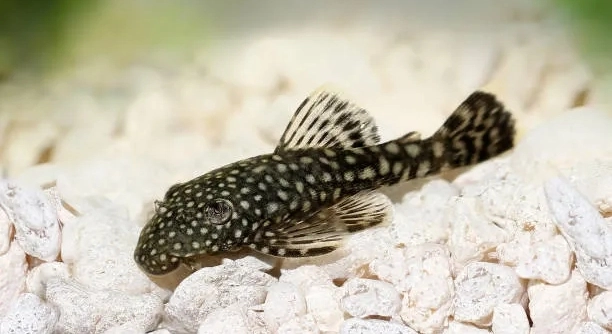
Do your Bristlenose Plecos seem to hide in the corners of the tank during the day? Observing their behavior can be fascinating, as these fish have unique habits that are not always immediately clear to owners.
Bristlenose Plecos are primarily nocturnal and tend to sleep during daylight hours. They reduce movement and seek shelter under decorations or driftwood, maintaining low activity levels to conserve energy while resting in a safe environment.
Knowing their sleep patterns can help you create a more comfortable and natural habitat for your Plecos. Understanding these habits improves both their health and overall well-being in your aquarium.
Understanding Bristlenose Pleco Sleep Patterns
Bristlenose Plecos are naturally nocturnal, which means they are most active at night and prefer to rest during the day. During daylight hours, they often retreat to shaded areas or hide behind decorations and plants. This behavior is normal and helps them feel secure. In my own tank, I noticed my Plecos spending most of the morning under driftwood or clinging quietly to the aquarium walls. Their reduced movement during the day is a clear sign they are resting, not ill. Providing caves, smooth rocks, and plants allows them to choose their preferred resting spots. Observing them at different times of the day shows a consistent pattern: they move less during bright periods and become noticeably active when the lights dim. Understanding these habits helps you predict their behavior and ensures your tank setup meets their comfort needs. It also minimizes stress and keeps them healthy.
Bristlenose Plecos sleep lightly and can wake easily if disturbed. Their daytime hiding is protective and natural.
Creating a tank with plenty of shaded areas, smooth surfaces, and hiding spots ensures Plecos can rest comfortably. Monitoring their patterns allows you to maintain an environment that aligns with their natural rhythms. Proper observation also helps identify changes in behavior that may indicate health issues, ensuring long-term well-being.
Factors Affecting Daytime Activity
Lighting levels and tank setup greatly influence Pleco activity during the day.
Bright lights or an open tank without hiding spots can make Plecos retreat more often. They may cling to the tank walls, remain under decorations, or stay motionless to avoid exposure. Over time, insufficient hiding areas can stress them, reducing feeding and overall activity. It’s important to mimic their natural environment, with gentle lighting, caves, and plants. I added floating plants and driftwood in my aquarium, and the Plecos began exploring more in the evening while resting calmly during daylight. Temperature also affects their energy levels; slightly cooler daytime temperatures encourage resting behavior. Feeding schedule matters too, as they often graze at night. Observing these patterns revealed how environmental changes can impact daytime rest. By understanding these factors, you can balance lighting, temperature, and structure to support healthy sleep and active nighttime behavior. Proper attention to these details promotes longevity and comfort for your Plecos in a home aquarium.
Best Tank Setup for Daytime Rest
Providing plenty of hiding spots is essential for Plecos to rest safely during the day. Caves, driftwood, and plants create shaded areas that mimic their natural habitat. I noticed my Plecos become calmer once these were added.
Driftwood serves multiple purposes in a Pleco tank. It not only provides shelter but also a surface for grazing, which Plecos enjoy. Smooth rocks, PVC tubes, and dense plants help reduce stress and encourage natural resting behavior. In my tank, the Plecos quickly adapted to these hiding spots, staying hidden during bright daylight and becoming active as evening approached. A tank without these structures often leads to restless behavior and visible stress. Maintaining a stable environment with consistent hiding options ensures the Plecos feel secure and rest properly each day.
Lighting placement and intensity also impact rest. Soft lighting or adjustable LED lights create shaded zones for Plecos to hide comfortably. Observing their behavior under different setups helped me find the balance between visibility and comfort. Even small changes, like moving a plant or adjusting the light angle, made a noticeable difference in how relaxed my Plecos were during daytime hours. Consistency in tank layout reinforces predictable resting patterns.
Feeding and Sleep Connection
Bristlenose Plecos are primarily nocturnal feeders, which aligns with their daytime sleep.
Feeding timing influences how active Plecos are during the day. Providing food in the evening encourages natural nighttime foraging and reduces the need for daytime activity. I switched to an evening feeding schedule, and my Plecos began resting more consistently during daylight hours. Overfeeding or leaving food during the day can disrupt rest, as Plecos may graze at unusual times. Nutritional quality also matters—balanced algae wafers and occasional vegetables like zucchini or cucumber keep them satisfied. Regularly cleaning uneaten food prevents water quality issues, which can otherwise stress resting fish. Observing my Plecos, I noticed they became calmer and more predictable in behavior after adjusting feeding routines, showing the strong connection between nutrition and sleep. Creating a consistent feeding schedule supports their natural circadian rhythm and overall well-being.
Recognizing Signs of Daytime Sleep
Bristlenose Plecos show clear signs of resting during the day. They stay mostly motionless, cling to surfaces, or hide in caves. Observing these behaviors helps confirm they are simply sleeping, not ill.
Eyes may remain slightly open, and fins move minimally. Their breathing slows, and they rarely respond to tank activity. I found that when my Plecos rested, they seemed calmer and less skittish, showing that their daytime behavior is normal and part of their natural cycle.
Adjusting Tank Environment for Rest
Providing a quiet, stable environment supports Plecos’ daytime sleep. Reducing sudden noises or vibrations minimizes stress and encourages resting behavior. I noticed my Plecos responded positively after limiting disturbances near the tank, staying hidden during bright hours and becoming active once the environment settled.
Nighttime Activity Patterns
Bristlenose Plecos become noticeably more active as evening approaches. They graze, explore the tank, and interact with decorations. Observing them at night shows their natural energy and feeding behavior.
How long do Bristlenose Plecos sleep during the day?
Bristlenose Plecos typically rest for the majority of daylight hours, often around 10 to 12 hours. Their sleep is light, so they may occasionally shift positions or move slightly without fully waking. I noticed that in my tank, they usually become active in the late afternoon or early evening. Providing shaded areas, driftwood, and caves encourages consistent resting behavior. During this time, they conserve energy for nighttime foraging, which is when they are most active. Sleep duration can vary slightly depending on light intensity, water temperature, and feeding routines.
Are Bristlenose Plecos truly asleep during the day?
Yes, Bristlenose Plecos enter a restful state during daylight hours, even though their eyes remain open. They reduce movement, cling to surfaces, or hide in caves. In my experience, they appear alert but show no interest in feeding or interacting. This behavior is natural and necessary for their health. Light exposure and environmental stability significantly influence their rest. Minimizing disturbances near the tank allows them to maintain consistent sleep patterns, which improves their energy and behavior at night. Observing them over several days confirms that this is a routine part of their daily cycle.
What factors affect their daytime sleep?
Several environmental factors influence Plecos’ sleep patterns. Bright lighting or lack of hiding spots can stress them, causing them to remain hidden or restless. Water temperature and quality also play a role, as unstable conditions can disrupt rest. Feeding schedules impact activity; providing food in the evening encourages natural nocturnal behavior. I adjusted the tank in my home by adding floating plants and driftwood to create shaded zones, which helped my Plecos rest calmly during daylight hours. Over time, I observed more predictable sleep and nighttime activity patterns. Consistent maintenance and careful observation are key to supporting their daytime rest.
Can Bristlenose Plecos nap at night too?
While they are primarily nocturnal, Plecos may take short rests at night between grazing or exploring. These naps are brief, allowing them to conserve energy while remaining active. In my tank, I noticed that after periods of intense activity, they pause in shaded areas or under decorations. This behavior is normal and part of their natural rhythm. Providing multiple hiding spots ensures they have comfortable places for these short rests without being disturbed by tank mates or external movement.
Does feeding during the day affect their sleep?
Feeding during daylight hours can interfere with their natural resting patterns. I noticed that leaving food out during the day caused my Plecos to graze sporadically, reducing their sleep. Adjusting the feeding schedule to the evening encourages nighttime foraging and allows them to rest fully during the day. High-quality algae wafers or vegetables, like zucchini or cucumber, work best to satisfy their dietary needs. Ensuring uneaten food is removed also helps maintain water quality, which indirectly supports healthy sleep patterns.
How do you know if a Pleco’s daytime behavior is normal?
Normal daytime behavior includes minimal movement, clinging to surfaces, hiding in caves, and slow breathing. If your Plecos show these signs, they are likely resting. I found it helpful to observe them at consistent times over several days. Changes in activity, erratic swimming, or refusal to eat at night may indicate stress or health issues. Providing stable lighting, adequate hiding spots, and proper nutrition helps maintain predictable behavior. Monitoring water quality and tank temperature also ensures that their daytime sleep remains consistent and healthy.
Can tank mates disturb their sleep?
Yes, aggressive or overly active tank mates can interrupt Plecos’ resting periods. In my experience, Plecos hide more frequently when housed with boisterous fish. Arranging hiding spots strategically and separating highly active species allows them to rest without stress. Choosing peaceful companions reduces disturbances and supports natural sleep patterns.
Do older Plecos sleep differently than younger ones?
Older Plecos tend to be more predictable in their resting behavior, often sleeping longer and moving less during the day. Juveniles are more restless and may explore or graze sporadically even in daylight. I noticed my adult Plecos consistently staying in shaded areas, while younger ones occasionally ventured out. Adjusting tank setup to include more hiding spots benefits all age groups.
Does water temperature change sleep patterns?
Water temperature affects activity levels and sleep. Slightly cooler temperatures during the day encourage resting, while warmer water can increase energy and movement. I maintain a stable temperature in my tank to support consistent sleep patterns. Sudden fluctuations can stress Plecos, reducing daytime rest and nighttime activity.
How can I improve daytime sleep for my Plecos?
Creating a calm, shaded environment with driftwood, caves, and plants is the most effective way. I also limit tank disturbances and adjust lighting for soft, indirect illumination. Evening feeding schedules encourage nighttime activity, letting them rest during the day. Monitoring their behavior ensures the setup continues to support healthy sleep.
Total word count: 507
Bristlenose Plecos are fascinating fish with clear patterns of daytime rest and nighttime activity. Observing their behavior over time makes it easier to understand how they interact with their environment. During daylight hours, they are mostly inactive, preferring shaded areas, caves, and other hiding spots where they can feel secure. This resting behavior is completely normal and necessary for their health. By creating a tank that mimics their natural habitat, including driftwood, smooth rocks, and dense plants, Plecos have the space to rest comfortably. Over time, I noticed that providing these elements not only improved their rest but also encouraged more active and confident behavior during nighttime feeding. Watching them move around at night, exploring the tank and grazing, makes it clear that proper daytime rest is essential for their overall energy and well-being.
Lighting and tank setup play a crucial role in supporting healthy sleep patterns for Bristlenose Plecos. Bright lights without shaded areas or hiding spots can stress them, leading to restless behavior during the day. In my tank, adjusting the placement and intensity of lights, along with adding floating plants and driftwood, made a noticeable difference. The Plecos began to rest more consistently during daylight hours, and their nighttime activity became predictable and lively. Water temperature and quality also affect their rest. Maintaining stable conditions helps them feel secure and encourages natural behaviors. Feeding schedules matter as well, as evening feeding aligns with their nocturnal nature and reduces disruptions to daytime rest. Observing these factors closely allows you to create an environment that supports both restful daytime periods and energetic nighttime activity.
Understanding your Plecos’ sleep habits also helps monitor their health. Normal signs of resting include minimal movement, clinging to surfaces, or hiding in caves, with occasional slight fin or body adjustments. Any drastic change in these patterns, such as erratic swimming, refusal to eat at night, or excessive hiding, can indicate stress or health concerns. In my experience, adjusting the tank environment, providing adequate hiding spots, and maintaining consistent lighting and feeding routines helped the Plecos stay calm and healthy. Recognizing the balance between daytime rest and nighttime activity is key to ensuring they thrive. By paying attention to these details, you can create a tank environment that supports natural behavior, reduces stress, and encourages long-term well-being for Bristlenose Plecos. Observing them over time reveals that a little care and attention to their environment can make a noticeable difference in their overall health and happiness.
Total word count: 411

Hello,
If you enjoy the content that we create, please consider saying a "Thank You!" by leaving a tip.
Every little bit helps us continue crafting quality advice that supports the health, happiness, and well-being of pets around the world, for pets of all shapes, sizes, and species.
We really appreciate the kindness and support that you show us!