
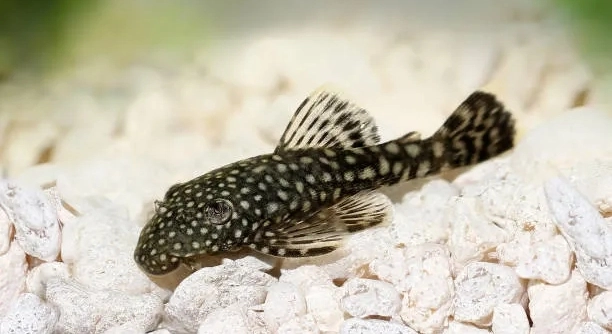
Keeping a pleco in a home aquarium can be very rewarding, but like any pet, they need careful attention. Watching for small changes in behavior or appearance can make a big difference in their overall health.
Early signs of pleco health decline can be identified by observing changes in appetite, activity levels, body coloration, fin condition, and skin texture. Prompt recognition of these indicators allows aquarists to provide timely interventions and prevent serious health complications.
Learning to notice subtle shifts in your pleco’s behavior and appearance can help you respond quickly and protect its wellbeing in your tank.
Changes in Appetite
When your pleco starts eating less or seems disinterested in food, it’s an important warning sign. Plecos normally have a steady appetite, grazing on algae or prepared foods. A sudden decrease in eating can be caused by stress, illness, or poor water conditions. Even subtle changes, like nibbling less than usual or ignoring favorite foods, should be noted. It’s helpful to monitor their feeding patterns daily. Sometimes, they may stop eating temporarily during water parameter changes, but prolonged refusal is concerning. Make sure to check the tank for factors that might affect their appetite, such as fluctuating temperatures, high ammonia levels, or overcrowding. Feeding a variety of foods like algae wafers, fresh vegetables, or sinking pellets can help encourage eating. Keeping a consistent feeding schedule also allows you to detect early changes more easily, ensuring your pleco remains healthy and active.
A reduced appetite in plecos often indicates stress or illness that needs prompt attention to prevent further decline.
Observing feeding habits gives insight into your pleco’s health. A consistent loss of appetite may signal internal parasites, bacterial infections, or nutritional deficiencies. Adjusting the diet and improving water conditions often helps, but if the pleco refuses to eat for multiple days, professional advice from an aquatic veterinarian is recommended. Recording feeding behavior over time can help detect small changes early, allowing intervention before problems worsen. Stress reduction, such as adding hiding spots or reducing aggressive tank mates, can restore normal feeding behavior. Keeping the environment stable and clean is critical for their digestion and overall wellbeing.
Abnormal Swimming Behavior
Plecos that swim erratically, float near the surface, or hide excessively may be signaling a health issue.
Changes in swimming patterns often reflect stress, infections, or poor water quality. Observing how and where your pleco moves in the tank helps detect early problems.
Abnormal swimming can take many forms, from sluggish movement at the bottom to constant darting or struggling near filters. It may indicate internal problems like swim bladder issues, parasites, or gill infections. Environmental factors, such as strong currents, sudden temperature drops, or high nitrate levels, can also influence swimming behavior. Monitoring tank conditions regularly, including temperature, pH, and oxygen levels, ensures the habitat supports healthy movement. Adding hiding places reduces stress and allows your pleco to rest, preventing fatigue that can worsen erratic swimming. Early observation and intervention, including adjusting tank conditions and consulting a professional when necessary, can prevent minor issues from becoming life-threatening. Consistent attention to their behavior helps maintain a stable and healthy environment.
Changes in Color
A pleco’s fading or dull coloration often signals stress or illness. Healthy plecos usually have consistent, vibrant colors. Sudden pale patches or darkened areas can indicate poor water quality, nutritional deficiencies, or skin infections.
Color changes can result from environmental stress, such as fluctuating temperatures or high nitrate levels. Diseases, including bacterial or fungal infections, also impact skin and fin pigmentation. Observing subtle shifts daily allows you to spot problems early. Providing a balanced diet, maintaining stable water conditions, and avoiding overcrowding can help restore natural coloration. Regular tank maintenance, including partial water changes and cleaning substrate, prevents buildup of harmful compounds that can affect your pleco’s skin. Stress reduction through hiding spaces or gentle handling supports recovery. Keeping a close eye on color changes helps identify issues before they escalate into serious health concerns.
Consistency in diet, tank care, and observation is key to maintaining vibrant colors. Pale or blotchy patterns often improve when the underlying issue is addressed promptly.
Fin Damage or Deterioration
Frayed, torn, or clamped fins are common signs of pleco health problems. Fin damage can stem from injuries, poor water quality, or infections.
Persistent fin deterioration often points to bacterial or fungal infections, which thrive in unclean tanks. Mechanical injuries from sharp decorations or aggressive tank mates also contribute. Monitoring fin condition helps identify early signs of disease. Treatment includes improving water quality, isolating affected fish if necessary, and applying antibacterial or antifungal treatments. Avoiding overcrowding and providing smooth decorations reduces future injuries. Consistent observation and swift intervention are essential to prevent further fin loss and support regeneration. Healthy fins indicate a pleco’s overall wellbeing.
Paying attention to minor tears or discoloration allows you to act quickly, protecting your pleco from prolonged stress and secondary infections. Proper nutrition and water management promote faster fin healing.
Unusual Breathing Patterns
Rapid or labored breathing in plecos often signals stress or poor water quality. Gasping at the surface or heavy gill movement can indicate low oxygen or high toxins in the tank.
Observing breathing patterns daily helps catch early warning signs. Aeration, water changes, and testing for ammonia, nitrites, and nitrates can prevent serious health issues.
Weight Loss or Thin Body
Noticeable weight loss or a thinning body is a clear sign of declining health. Malnutrition, parasites, or internal infections are common causes. Monitoring body shape over time ensures problems are detected before they worsen.
Lethargy and Low Activity
Persistent lethargy or inactivity suggests your pleco may be unwell. Healthy plecos are usually active, exploring the tank and grazing frequently.
Skin Lesions or Growths
Open sores, white spots, or unusual lumps on the skin indicate possible infection or parasites. Prompt action and proper treatment are essential to prevent further complications.
FAQ
How can I tell if my pleco is stressed?
Stress in plecos often shows through changes in behavior or appearance. Common signs include hiding more than usual, frayed fins, dull coloration, and irregular swimming patterns. Environmental changes, aggressive tank mates, poor water quality, or sudden temperature fluctuations are usually responsible. Monitoring your pleco daily helps detect stress early, allowing adjustments like adding hiding spots, improving filtration, or isolating aggressive tank mates. Maintaining stable water parameters and a consistent feeding schedule also reduces stress.
What should I do if my pleco stops eating?
Loss of appetite can indicate illness, parasites, or poor water conditions. Start by checking water parameters, including temperature, pH, ammonia, nitrites, and nitrates. Offering a variety of foods like algae wafers, vegetables, or sinking pellets can encourage feeding. If the pleco refuses to eat for more than a couple of days, consider consulting an aquatic veterinarian. Reducing stress, providing hiding places, and ensuring a clean environment often helps restore normal eating behavior.
Why is my pleco’s color fading?
Fading or dull coloration can result from stress, illness, or nutritional deficiencies. Poor water quality or fluctuating tank conditions often contribute to this problem. Regular water changes, stable temperatures, and a balanced diet can help restore natural colors. Infections like fungal or bacterial issues may also cause discoloration, requiring treatment. Observing changes early and addressing them promptly prevents permanent damage.
What causes fin damage in plecos?
Frayed, torn, or clamped fins are usually caused by physical injuries, infections, or poor water quality. Aggressive tank mates and rough decorations can tear fins, while bacterial or fungal infections worsen the condition. Improving water quality, isolating affected fish if necessary, and treating infections can help fins heal. Smooth decorations, gentle handling, and reducing overcrowding prevent further damage. Healthy fins indicate overall wellbeing, so regular inspection is important.
How do I know if my pleco has internal parasites?
Signs of internal parasites include weight loss, bloating, irregular swimming, and loss of appetite. Observing behavior and body condition over time is essential. Treatment often involves anti-parasitic medications and maintaining optimal water quality. Feeding nutritious foods and reducing stress help recovery. Early detection prevents severe health decline.
What is normal breathing for a pleco?
Normal breathing is steady and consistent, with gentle gill movement. Rapid, labored, or irregular breathing may indicate low oxygen, high ammonia, or gill infections. Improving aeration, performing water changes, and testing tank parameters often corrects minor issues. Persistent abnormal breathing requires further investigation.
Why does my pleco act lethargic?
Lethargy can result from illness, stress, poor water quality, or lack of food. Healthy plecos are typically active, exploring and grazing frequently. Ensuring proper water conditions, a varied diet, and a safe environment can restore energy levels. Persistent lethargy may indicate internal problems that need treatment.
When should I contact a vet for my pleco?
Consult a veterinarian if your pleco refuses food for multiple days, shows persistent fin deterioration, severe color changes, abnormal swimming, or skin lesions. Early professional intervention improves recovery chances and prevents complications from infections or parasites. Regular observation allows timely action.
Can water changes prevent health decline?
Yes, regular water changes remove harmful toxins, reduce ammonia and nitrites, and maintain stable conditions. Clean water supports immune function, reduces stress, and prevents common illnesses. Partial water changes performed weekly or biweekly are usually sufficient, depending on tank size and stocking levels.
How important is diet for pleco health?
A balanced diet is crucial. Plecos need algae, vegetables, and occasional protein sources. Inadequate nutrition leads to weight loss, dull colors, and weakened immunity. Feeding a variety of foods and ensuring consistent availability promotes long-term health and helps prevent common diseases.
What signs indicate a serious illness?
Persistent loss of appetite, extreme color changes, open sores, growths, frayed fins, erratic swimming, and lethargy indicate serious health problems. Early detection and intervention, including water adjustments, diet improvements, or veterinary care, are essential to prevent irreversible damage.
How do I maintain a healthy environment for my pleco?
Regular water testing, consistent temperature control, adequate hiding spots, and careful selection of tank mates create a stable environment. Avoid overcrowding and sharp decorations. Clean filters and perform partial water changes routinely. A healthy environment reduces stress, supports natural behaviors, and prevents disease.
Can stress cause multiple health issues in plecos?
Yes, stress weakens the immune system, affecting appetite, coloration, fins, and behavior. Minimizing stressors like aggressive tank mates, sudden environmental changes, and poor water quality can prevent multiple health problems. Observing your pleco daily allows quick adjustments before serious illness develops.
How quickly should I act if I notice a problem?
Immediate action is important. Minor signs like color fading or fin fraying should be addressed promptly to prevent escalation. Adjust water parameters, improve diet, and reduce stress. Delay in intervention can allow illness to progress, making treatment more difficult and recovery slower.
Is it normal for plecos to hide frequently?
Hiding is normal to some extent, especially during the day. Excessive hiding, combined with other symptoms like loss of appetite, dull colors, or abnormal swimming, may indicate stress or illness. Providing proper hiding spaces and monitoring behavior ensures your pleco remains healthy.
Can multiple health issues occur simultaneously?
Yes, plecos can experience several problems at once, such as poor appetite, fin damage, color changes, and abnormal swimming. Addressing each factor individually while improving overall tank conditions is key. Early observation and consistent care reduce the risk of compounded health problems.
How do I prevent common pleco diseases?
Maintain clean water, stable temperatures, balanced nutrition, and low-stress conditions. Avoid overcrowding and aggressive tank mates. Regular observation allows early detection of issues. Prompt intervention, combined with preventive care, keeps plecos healthy and reduces the risk of infections, parasites, and other common ailments.
What are the signs of gill disease?
Gill disease presents as rapid or labored breathing, gasping at the surface, pale or inflamed gills, and lethargy. Testing water quality, performing partial water changes, and consulting a veterinarian for proper treatment are critical. Early action helps prevent permanent damage or death.
Can plecos recover from minor health declines?
Yes, minor health issues often improve with proper care. Adjusting water quality, reducing stress, improving diet, and isolating sick fish if needed supports recovery. Consistent monitoring ensures early detection of new problems and promotes long-term health.
How do I track pleco health over time?
Keep a log of feeding habits, activity levels, color, fin condition, and swimming behavior. Regular observation and record-keeping allow detection of small changes before they become severe. Monitoring trends helps maintain overall health and prevent serious illnesses.
What is the most important factor in early detection?
Daily observation combined with stable environmental conditions is crucial. Noticing small changes in behavior, appetite, appearance, or breathing allows immediate action. Early detection reduces stress, prevents serious disease, and improves chances of recovery for your pleco.
Caring for a pleco requires consistent attention and observation. These fish may seem quiet and low-maintenance, but their health can change quickly. Small signs like changes in appetite, swimming patterns, or coloration are often the first indicators that something is wrong. By watching your pleco daily, you can catch potential problems early, which makes treatment easier and increases the chances of recovery. Healthy plecos tend to have steady eating habits, vibrant colors, and active movement in the tank. Noticing even minor deviations from their usual behavior can help you respond before conditions worsen. Regular observation does not require complicated routines; simply taking a few minutes each day to watch your fish can provide valuable insights into their overall well-being.
Maintaining a clean and stable environment is just as important as monitoring behavior. Water quality plays a major role in keeping plecos healthy. Ammonia, nitrite, and nitrate levels, along with temperature and pH, should be kept within recommended ranges. Providing hiding spaces, smooth decorations, and proper tank mates reduces stress and prevents injury. Diet also plays a key role in their health. Plecos need a variety of foods, including algae, vegetables, and occasional protein sources, to maintain weight, coloration, and immune function. Skipping meals or feeding an unbalanced diet over time can lead to health decline, even if the water conditions are good. By keeping both their environment and diet consistent, you create the best conditions for your pleco to thrive.
Early detection and proactive care are the most effective ways to ensure long-term health. Acting quickly on signs like fin damage, unusual breathing, lethargy, or skin changes can prevent minor issues from becoming serious illnesses. Routine care, including partial water changes, filter maintenance, and proper feeding, builds a strong foundation for your pleco’s health. Even when minor problems appear, consistent care and timely intervention can help your fish recover fully. Ultimately, taking the time to observe and understand your pleco’s habits, combined with maintaining a stable environment, supports a long and healthy life. Paying attention to details and responding promptly creates a safer, more comfortable home for your fish and helps you enjoy their presence in the aquarium for years to come.

Hello,
If you enjoy the content that we create, please consider saying a "Thank You!" by leaving a tip.
Every little bit helps us continue crafting quality advice that supports the health, happiness, and well-being of pets around the world, for pets of all shapes, sizes, and species.
We really appreciate the kindness and support that you show us!