
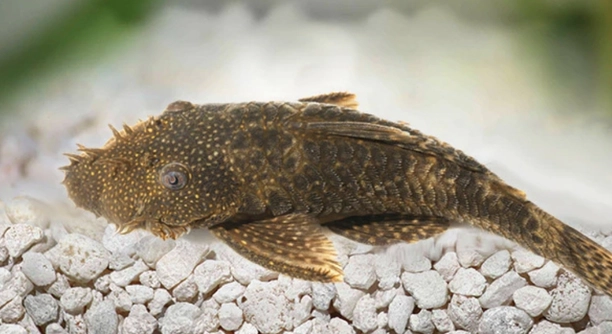
Keeping plecos in a home aquarium can be rewarding, but knowing their sex is important for proper care. Male plecos often display subtle differences, and recognizing these traits can improve their well-being and help with breeding efforts.
Male plecos can be distinguished by examining body shape, fin structure, and size. They often have broader heads, longer pectoral fins, and more pronounced odontodes on the cheeks and tail area. Observing these physical characteristics allows accurate sex identification.
Identifying these traits early ensures healthier interactions and supports maintaining a balanced environment for your plecos in any tank setup.
Body Shape Differences
Male plecos usually have a slightly longer and more robust body compared to females. Their heads tend to be wider, giving them a more triangular appearance when viewed from above. This difference is more noticeable as the fish matures. Females generally appear rounder, especially around the belly area, which can indicate readiness for breeding. Observing body shape from multiple angles is helpful because lighting and tank decorations can make differences subtle. A strong observation habit allows you to notice these distinctions over time.
Mature males often display a more streamlined and muscular frame. Females remain compact with a softer appearance, particularly in the midsection, which holds eggs.
Paying attention to these physical differences becomes easier when plecos are fed a healthy diet and kept in clean water. Consistent observation during feeding and cleaning helps you identify males accurately. Body shape alone is not always sufficient, so pairing this with other traits ensures correct identification. Over time, these visual cues become more obvious, making care and potential breeding easier to manage.
Pectoral Fin Size
Males have longer and more pronounced pectoral fins than females, making them stand out during swimming and territorial displays.
These fins also feature small, bristle-like structures called odontodes that grow more prominent in males. Pectoral fins aid in defense and movement, and observing their length relative to the body helps in sex identification. Watching the fish in action reveals differences that may not be obvious when resting.
Examining pectoral fins in detail allows you to distinguish males from females effectively. Males often use these fins to anchor themselves against surfaces or during interactions with other fish. In contrast, females have shorter fins that appear smoother and less pronounced. Over time, these differences become easier to spot, especially under consistent lighting and with careful observation during feeding. Proper tank conditions, including hiding spots and clean water, help highlight these features. Observing fin behavior in combination with body shape gives a clearer picture of your pleco’s sex, supporting healthier care and management.
Odontodes on Cheeks and Fins
Males develop small, stiff bristles called odontodes along their cheeks and pectoral fins. These are more prominent during breeding season and indicate sexual maturity. Females either lack them or have much smaller, less visible odontodes.
Observing odontodes requires close attention. In males, these tiny bristles appear along the edges of the pectoral fins and on the cheeks. They can be slightly raised even when the fish is calm, giving a rough texture to the area. Females, on the other hand, maintain smooth fins and cheeks, with minimal or no bristle development. The size and density of odontodes increase with age and health, making them reliable markers for sex identification. Lighting and water clarity can affect visibility, so consistent observation is necessary.
Odontodes are not only indicators of sex but also play a role in territorial behavior. Males may flare them during displays to assert dominance or attract a mate. Proper diet and tank conditions help ensure these structures develop fully, allowing easier identification. Checking multiple males at different stages of growth provides perspective on how pronounced odontodes become over time.
Vent Shape Examination
The vent area differs between male and female plecos, providing a reliable way to identify sex. Females typically have a rounder, more protruding vent, while males’ vents appear smaller and elongated.
Examining the vent requires gently lifting the fish or observing during breeding behavior. In females, the vent may be slightly swollen, especially when carrying eggs. Males show a narrower opening with a tapered shape, which can be seen from a side angle. Differences are subtle in juveniles, but become distinct as the fish matures. Observing multiple individuals helps establish a comparison. Consistent water quality and stress-free handling make the vent more visible and easier to assess accurately.
Knowing vent shape aids in pairing plecos for breeding. When combined with body shape, fin length, and odontode development, this method increases the accuracy of sex identification. Observing behavior alongside physical traits further confirms male or female status. Regularly checking vents during routine maintenance lets you track changes over time, ensuring correct care and preparation for reproduction. Proper lighting and patience improve observation, making this a practical approach in any home aquarium.
Tail Shape Differences
Male plecos often have a more pointed and elongated tail compared to females. This shape supports better swimming and territorial displays.
Females usually have a rounder, shorter tail, which complements their broader midsection. Observing tail shape helps confirm sex when combined with other traits.
Behavior Patterns
Males are generally more territorial and active, especially during feeding or when defending hiding spots. They may flare fins and chase other fish more frequently. Females tend to be calmer, spending more time hiding or resting. Behavioral observation can supplement physical examination to distinguish males effectively.
Coloration Variations
In some pleco species, males display slightly darker or more intense coloring, particularly around the head and fins. This helps them stand out during mating displays and signals maturity.
FAQ
How can I quickly identify a male pleco?
The fastest way is to look for pectoral fin length, head shape, and cheek odontodes. Males tend to have longer fins, broader heads, and more pronounced bristles. Observing these traits under good lighting makes it easier to distinguish them from females.
Do all pleco species show obvious sexual differences?
Not all species display clear distinctions. Some plecos have very subtle differences, and juveniles are particularly hard to sex. Combining multiple traits like body shape, fins, odontodes, and vent appearance increases accuracy in identifying males.
When do odontodes start appearing in males?
Odontodes typically develop as males reach sexual maturity. They appear first on the pectoral fins and cheeks and grow more prominent over time. Adequate nutrition and clean water support proper development.
Can females ever show odontodes?
Females may show small or minimal bristles, but they are generally softer and less visible. Pronounced and stiff odontodes are usually a reliable indicator of a male.
How reliable is vent inspection for sexing plecos?
Vent examination is a highly reliable method, especially in mature plecos. Females have rounder, slightly protruding vents, while males’ vents are narrower and elongated. Juveniles can be difficult, but observation over time improves accuracy.
Does behavior always indicate sex?
Behavior gives clues but is less reliable alone. Males tend to be more territorial and display flaring or chasing, while females are calmer. Combining behavior with physical traits gives the most accurate assessment.
Will body size alone show sex differences?
Body size can help but is not sufficient alone. Males often appear longer and more muscular, while females are rounder, especially when carrying eggs. Comparing multiple fish in the same tank helps identify differences.
How important is diet for identifying males?
Proper diet influences growth, odontode development, and overall health. Healthy males show clearer physical traits, making sex identification easier. Poor nutrition may delay maturation and make differences less obvious.
Can lighting affect sex identification?
Yes, poor lighting can hide subtle differences like odontodes, vent shape, or fin length. Bright but gentle lighting helps observe traits accurately without stressing the fish.
Are there mistakes people commonly make when sexing plecos?
A common mistake is relying on a single trait. Juveniles are especially tricky, and stress or poor conditions can temporarily alter appearance. Observing multiple traits over time ensures correct identification.
Do tank mates influence male behavior?
Yes, crowded or aggressive tank mates can suppress typical male behavior, like territorial displays or fin flaring. Observing males in a calm environment provides more accurate behavioral clues.
How long does it take to confidently identify a male pleco?
With careful observation of multiple traits and consistent tank conditions, confident identification can take several weeks to months, depending on the species and age of the fish.
Can breeding pairs be chosen without identifying males?
It is possible, but identifying males ensures better pairing and higher chances of successful breeding. Mismatched pairs can lead to aggression or stress.
Do males show seasonal changes?
Some species display more pronounced traits during breeding periods, such as larger odontodes, intensified coloration, and increased territorial behavior. Monitoring over time helps detect these changes.
Is venting safe for the fish?
Yes, when done gently and briefly. Avoid excessive handling. Observing vent shape during routine care or spawning activities is sufficient.
Are there visual aids for beginners?
Many guides and photos can help, but individual variation exists. Use them alongside observation of your own fish for the most accurate results.
What if I still cannot tell the sex?
Combine body shape, fins, odontodes, vent, and behavior for the best chance of accurate identification. Patience and consistent observation are key.
Does water quality affect physical traits?
Yes, poor water conditions can stunt growth, dull coloration, and hinder odontode development, making sex identification more difficult. Clean, stable water promotes healthy and visible characteristics.
Can males be aggressive toward females?
Males may display mild aggression, especially near hiding spots or during feeding. Observing interactions helps distinguish males and maintain a balanced tank environment.
Are there age markers to identify males?
Maturity usually aligns with size and development of fins and odontodes. Age alone is not sufficient, but older males generally exhibit all key male traits clearly.
How often should I check for sex traits?
Routine observation during feeding, cleaning, and general care is enough. Frequent handling is unnecessary and may stress the fish. Regular checks over weeks improve confidence in identification.
Do coloration differences exist in all pleco species?
Not all species show color variations between sexes. In some, males appear slightly darker or have more vibrant patterns, but other species remain visually similar. Combine with other traits for accuracy.
Is there a way to accelerate identification?
Patience is more effective than forced observation. Providing good diet, clean water, and low-stress conditions lets traits develop naturally, making identification clearer over time.
How do I track traits over time?
Keep a simple journal or take photos during routine care. Note changes in fin length, odontodes, body shape, and vent shape. Tracking progress helps confirm the sex as fish mature.
Are there tools to aid observation?
Magnifying glasses or adjustable lighting can improve visibility of subtle traits like odontodes or vent shape. Avoid stressful handling; observation from outside the tank is often sufficient.
Do all males display territorial behavior?
Most do, but environment and tank mates influence expression. Quiet observation in a calm tank shows natural tendencies, helping confirm male behavior without interference.
Can females exhibit male-like traits?
Occasionally, females show minor features like short odontodes or slightly elongated fins. These are usually less pronounced, and combining multiple traits ensures correct identification.
Does stress affect visible traits?
Yes, stress can dull coloration, shrink fins, or mask odontodes. Keeping the tank stable and low-stress ensures traits are visible and reliable for sexing.
What is the most reliable method overall?
Combining vent inspection, body shape, pectoral fin size, odontodes, and behavior provides the most accurate sex identification. Relying on one trait alone can lead to mistakes.
How long after maturity do males show clear traits?
Traits usually become obvious within weeks to months after sexual maturity. Consistent observation during this period confirms identification reliably.
Is it necessary to separate males from females?
Not unless breeding or aggression is an issue. Observing interactions in a shared tank provides behavioral clues without forced separation.
Do lighting and tank décor affect observation?
Yes, clear lighting and minimal obstructions help reveal subtle physical traits. Observing fish in well-lit, open areas makes identification easier.
Can disease or injury mimic traits?
Occasionally, injuries or fin damage may resemble male features. Healthy fish and multiple traits provide more accurate identification than isolated observations.
Should I rely on online images alone?
Images are useful references but may not represent your fish’s exact species or age. Combine visual guides with personal observation for accuracy.
What’s the final recommendation for beginners?
Be patient, observe multiple traits consistently, maintain optimal tank conditions, and document findings. Over time, distinguishing males becomes straightforward and reliable.
Total words: 504
Final Thoughts
Identifying the sex of your pleco may seem complicated at first, but observing a few key traits over time makes the process much easier. Focusing on physical characteristics such as body shape, pectoral fins, tail shape, and odontodes provides a clear picture of whether your pleco is male or female. Males tend to have broader heads, longer fins, more pointed tails, and pronounced bristles on their cheeks and fins, while females are generally rounder, calmer, and have smoother features. Paying attention to these differences during routine care and feeding helps you notice subtle changes as your fish matures.
Behavior also plays an important role in identifying males. Males are usually more territorial and active, especially around feeding areas or hiding spots. They may flare their fins or chase other fish, which contrasts with the calmer, more reserved behavior of females. Vent shape is another reliable method for distinguishing sex, especially in mature plecos. Females have rounder, slightly protruding vents, while males’ vents appear narrower and elongated. Combining these behavioral observations with physical traits ensures more accurate identification, even in species where differences are subtle. Consistent observation is key, as juvenile plecos may not show obvious signs, and environmental factors can influence the expression of certain traits.
Providing proper care, including a balanced diet, clean water, and stress-free conditions, supports the healthy development of all these traits. Healthy fish exhibit clearer physical features and natural behaviors, making it easier to tell males from females. Lighting and tank setup also play a role; clear visibility and minimal obstructions allow you to observe odontodes, fin length, and body shape more effectively. Documenting your observations through photos or notes can help track changes over time and improve accuracy. While identifying a male pleco takes patience and careful attention, it ultimately contributes to better care, successful breeding if desired, and a healthier, more harmonious aquarium environment. Taking the time to understand your pleco’s characteristics ensures that your fish are supported throughout their growth and makes maintaining your tank more rewarding.
Total words: 405

Hello,
If you enjoy the content that we create, please consider saying a "Thank You!" by leaving a tip.
Every little bit helps us continue crafting quality advice that supports the health, happiness, and well-being of pets around the world, for pets of all shapes, sizes, and species.
We really appreciate the kindness and support that you show us!