
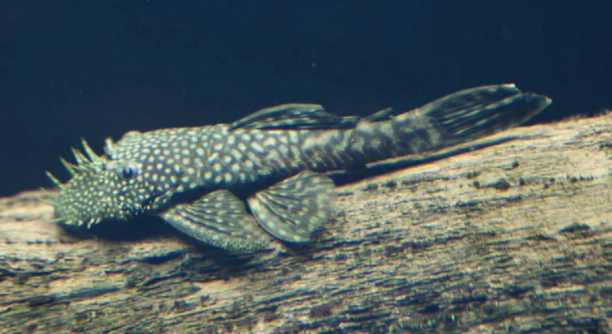
Are your plecos struggling to settle in your aquarium despite your careful setup? Water flow is a crucial factor that often goes unnoticed. Small mistakes in current management can create stress and impact their overall health.
Incorrect water flow can significantly affect plecos by altering their ability to feed, rest, and thrive. Too strong or too weak currents can cause exhaustion, limit oxygenation, and create unsuitable areas in the tank for natural behaviors.
Understanding these common mistakes will help you adjust your tank setup properly. Correcting water flow ensures a healthier and more comfortable environment for your plecos.
Overestimating Current Strength
Many pleco owners think a stronger current is better, assuming it simulates natural river conditions. While some flow is necessary, excessive current can exhaust plecos and prevent them from feeding properly. Strong currents push them into corners or against decorations, increasing stress. Juvenile plecos are especially vulnerable, as they are weaker swimmers and tire quickly. Even adult plecos may avoid open areas entirely, limiting access to food and hiding spots. Observing their swimming behavior can help determine if the current is too strong. If plecos cling constantly to surfaces or struggle to navigate, your flow likely needs adjustment. Balancing water movement ensures they can explore and feed naturally while still benefiting from oxygenated water. Adjusting filter outlets or adding flow deflectors are simple ways to reduce excessive currents. Proper flow encourages natural behavior, reduces stress, and supports long-term health without creating harsh or turbulent conditions that can harm your plecos.
Excessive water flow can lead to stress, poor feeding, and limited activity, affecting plecos’ overall well-being in the tank.
Reducing water flow doesn’t mean removing movement entirely. Plecos thrive with moderate currents that mimic gentle river conditions. By redirecting flow and providing sheltered areas, they can rest, graze, and interact with the environment comfortably. Observing behavior regularly helps identify problematic spots and adjust accordingly.
Ignoring Flow Patterns
Incorrect placement of filters or powerheads can create uneven currents. Some areas may be stagnant while others are too strong, leading plecos to avoid certain zones.
Uneven flow creates pockets of high stress and low oxygen, disrupting feeding and resting areas.
Plecos need consistent, moderate water movement across the tank. Uneven currents can prevent them from accessing food, cleaning surfaces, or finding comfortable resting areas. By adjusting filter outputs and adding decorations to break up strong currents, you can create a more uniform environment. Flow deflectors or strategically placed plants and driftwood help distribute water evenly. Observing pleco activity will indicate if they avoid certain regions, which signals flow imbalance. Ensuring consistent flow supports feeding, reduces stress, and allows plecos to display natural behaviors like grazing and resting. Taking time to fine-tune flow patterns leads to a healthier, more stable tank where plecos can thrive without constant struggle.
Overfiltering the Tank
Too many filters or excessively strong filtration can create unnaturally fast currents. Plecos struggle to swim against these conditions, which can lead to fatigue and stress.
Plecos are bottom dwellers and need areas where they can rest without being constantly pushed by water. Overfiltering creates strong surface currents that disrupt their grazing and hideout behavior. It can also stir up debris, making the tank feel unsettled. Balancing filtration ensures water remains clean without overwhelming the fish. Simple adjustments like lowering filter output or redirecting flow can create calmer zones where plecos feel secure and can move freely.
Maintaining the right filtration balance supports natural behavior and improves overall tank stability. Proper flow allows plecos to explore, feed, and rest without unnecessary effort. Observing how plecos respond to water currents will guide adjustments.
Neglecting Hiding Spots
Without sufficient hiding spots, plecos are forced into open currents constantly. This can lead to stress and limited feeding opportunities.
Plecos rely on driftwood, rocks, and plants to create sheltered areas where currents are gentler. Hiding spots allow them to rest, regulate energy, and feel secure while still accessing feeding zones. A lack of proper cover can make them constantly swim in strong flow, causing exhaustion and reduced activity. Strategically placing shelters near moderate flow areas ensures they can move naturally without being overexposed to water movement.
Providing multiple hiding places at different flow zones allows plecos to choose where they feel most comfortable. This improves their confidence and overall health. Observing their use of these areas helps refine tank setup and ensures stress is minimized. Creating a varied environment with gentle currents around hiding spots encourages natural behaviors and promotes long-term well-being for your plecos.
Flow Too Close to the Substrate
When water flow is directed strongly along the tank bottom, plecos may struggle to stay in place. This constant resistance can cause fatigue and limit their ability to feed effectively.
Strong substrate currents also stir up debris, making the environment less comfortable. Plecos prefer calmer zones near the bottom where they can rest and graze without fighting the current.
Uneven Surface Agitation
Surface agitation that is too intense reduces oxygen exchange in some areas. Plecos may avoid regions where bubbles or ripples are strong, limiting their access to feeding and resting zones.
Ignoring Tank Size
A small tank with strong currents leaves little room for plecos to swim freely. Restricted space increases stress, limits exploration, and reduces hiding options. Proper tank size allows for varied flow zones, giving plecos the choice to move to calmer areas while still benefiting from circulation.
Not Monitoring Behavior
Failing to observe plecos regularly can hide flow-related issues. Subtle signs like clinging, hiding, or erratic swimming indicate discomfort and stress caused by water currents.
FAQ
How do I know if my pleco is stressed by water flow?
Stressed plecos often cling to surfaces constantly or hide in corners. They may swim erratically, avoid open areas, or struggle against currents. Observing feeding behavior is also helpful; stressed fish may ignore food or eat less. Regular monitoring of their movement helps identify problematic flow zones.
What is the ideal water flow for plecos?
Plecos prefer moderate water flow with gentle currents. The flow should allow them to swim comfortably without being forced against tank surfaces. Bottom areas should have calmer water to support resting and grazing, while mid-level currents provide oxygenation without overwhelming the fish. Adjusting flow with deflectors or decorations helps create suitable zones.
Can too many decorations affect water flow?
Yes, decorations can block or redirect currents, creating stagnant zones or unexpected strong pockets. Proper placement ensures flow is evenly distributed while providing hiding spots. Driftwood, rocks, and plants should be arranged to allow plecos to rest, feed, and swim naturally without being caught in excessive turbulence.
How often should I adjust the filter or powerhead?
Adjustments should be made whenever you notice plecos avoiding certain areas or struggling against currents. Seasonal changes, plant growth, and tank additions can alter flow patterns. Small, gradual changes are better than large adjustments, as sudden shifts can increase stress and disrupt established behavior patterns.
Is surface agitation important for plecos?
Moderate surface agitation improves oxygen exchange, but excessive ripples can stress plecos. The goal is balanced circulation: oxygenated water at the surface while maintaining calm zones at the bottom where plecos rest. Using floating plants or strategically placed filter outlets can help control agitation levels.
Can plecos adapt to strong currents over time?
Some adaptation occurs, but excessive currents remain stressful, especially for juvenile or weaker plecos. They may learn to navigate better, but constant exposure can lead to fatigue, reduced feeding, and long-term health issues. Providing calmer zones ensures plecos can recover and maintain energy.
What tools can help manage water flow?
Flow deflectors, baffles, and adjustable filter outlets are useful for controlling current strength and direction. Plants and driftwood can break up strong currents naturally, creating zones of calm. Observing how plecos use these areas helps refine placement for maximum comfort and activity.
Should I consider pleco species when setting flow?
Yes, different species have varying tolerance to currents. Some river-dwelling plecos prefer stronger flow, while smaller or nocturnal species thrive in gentler currents. Researching the specific needs of your pleco species ensures that tank flow matches their natural preferences, supporting health and behavior.
How do I prevent stagnant zones in the tank?
Distribute water movement evenly across the tank using multiple outlets, powerheads, or adjusted filter outputs. Avoid corners with no circulation and ensure hiding spots don’t block water entirely. Observing where debris settles or plecos avoid can indicate stagnant areas needing adjustment.
Can adjusting flow improve pleco feeding?
Yes, moderate and consistent flow encourages plecos to feed in accessible areas. Too strong or uneven currents can push food away or make feeding difficult. Proper flow ensures they can graze naturally, maintain energy, and reduce stress while improving overall tank health.
How long should plecos be exposed to new flow adjustments?
After making changes, observe plecos for several days to assess their comfort and behavior. Gradual adaptation reduces stress, allowing them to explore new currents safely. Immediate changes can overwhelm them, so incremental adjustments are the most effective approach.
What signs indicate the tank flow is correct?
Plecos swim naturally, feed regularly, and use both hiding spots and open areas comfortably. They exhibit calm resting behavior at the bottom and show normal interaction with other tank mates. Balanced flow supports healthy activity without forcing constant effort against currents.
Can water flow affect breeding or spawning behavior?
Yes, strong currents can disrupt mating and nesting. Many pleco species prefer calm areas to lay eggs and care for fry. Ensuring gentle flow around breeding sites improves chances of successful reproduction while minimizing stress for adults.
How often should I check for flow issues?
Routine observation is key. Daily visual checks and weekly adjustments if necessary help prevent long-term stress. Monitoring how plecos use the tank ensures that flow remains suitable as plants grow, decorations shift, or equipment is upgraded.
Does water temperature interact with flow effects?
Higher temperatures can increase metabolic rate, making strong currents more exhausting. Cooler water may reduce activity, so it’s important to balance flow with temperature to prevent overexertion or reduced feeding. Proper monitoring ensures plecos remain comfortable in both aspects.
What is the main takeaway for pleco water flow management?
Plecos thrive in moderate, evenly distributed currents with calm resting zones. Observing behavior, adjusting equipment, and providing hiding spots ensures comfort, supports feeding, and promotes overall health. Consistent management reduces stress and creates a balanced environment tailored to your plecos’ needs.
This FAQ covers essential points for managing water flow, helping maintain a healthy, stress-free habitat for plecos while encouraging natural behaviors and long-term well-being.
Word count: 507
Final Thoughts
Proper water flow is one of the most important factors in keeping plecos healthy and comfortable in an aquarium. It affects their ability to feed, rest, and move freely. Many pleco owners focus on water quality and temperature, but overlook the impact of currents. Too strong a flow can tire them out, while too weak a flow may lead to stagnant areas and low oxygen levels. By observing your plecos and how they respond to different areas of the tank, you can identify zones where the water is either too fast or too calm. Simple adjustments, like redirecting filter outlets, adding flow deflectors, or rearranging decorations, can make a significant difference in their daily comfort. Plecos are bottom dwellers, so it is especially important to ensure calm areas near the substrate. These zones allow them to rest and feed without constantly battling currents, which supports their overall health and longevity.
Providing a balanced flow also supports natural behaviors. Plecos need a mix of gentle currents and calm areas to graze, explore, and interact with their environment. Uneven or excessive water movement can limit these behaviors, causing stress and reducing their willingness to feed or rest properly. Hiding spots like driftwood, rocks, and plants are essential not only for shelter but also for managing water movement. These features create breaks in the current and offer safe spaces where plecos can retreat when the flow is stronger elsewhere. Adjusting the placement of these objects can help distribute currents more evenly, while also enriching the tank environment. By paying attention to both water flow and the arrangement of decorations, you can create a habitat that meets the physical and behavioral needs of your plecos. The goal is to make the tank feel natural and comfortable without forcing the fish to exert unnecessary energy.
Regular observation is key to maintaining the right balance. Plecos often communicate discomfort through their behavior, such as clinging to surfaces, hiding excessively, or avoiding certain areas. Monitoring these signals allows you to fine-tune the water flow and make small adjustments as needed. Even minor changes, like lowering a filter output slightly or shifting driftwood, can have a noticeable impact. Over time, keeping water movement consistent and suitable for your specific pleco species encourages better feeding habits, more activity, and reduced stress. Remember that each species has unique needs, and what works for one pleco may not be ideal for another. Prioritizing a balanced, calm, and well-distributed flow ensures your plecos remain healthy, active, and comfortable, ultimately creating a more harmonious and thriving aquarium.
Word count: 415

Hello,
If you enjoy the content that we create, please consider saying a "Thank You!" by leaving a tip.
Every little bit helps us continue crafting quality advice that supports the health, happiness, and well-being of pets around the world, for pets of all shapes, sizes, and species.
We really appreciate the kindness and support that you show us!