
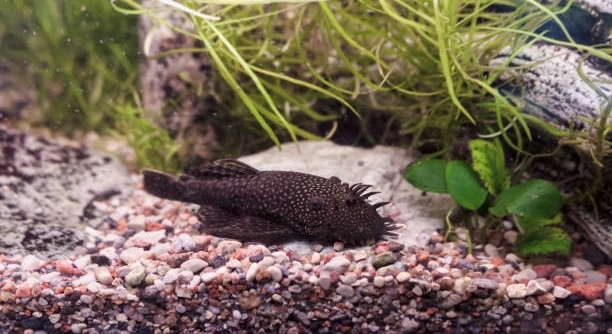
Is your pleco growing slower than you expected despite proper care and feeding routines? Many aquarists notice that their fish may not reach the size they anticipate over time, leaving them puzzled and concerned.
The most common reasons for a pleco’s stunted growth include insufficient tank size, poor water quality, and inadequate nutrition. Maintaining optimal conditions, providing a balanced diet, and monitoring environmental factors are essential for supporting healthy and consistent growth.
Understanding these elements can help you improve your pleco’s development and overall well-being, ensuring a thriving aquatic companion in your home aquarium.
Tank Size and Environment
A small tank can limit your pleco’s growth. These fish need enough space to move and explore comfortably. Overcrowding can stress them and slow development. Proper filtration is important to keep water clean, as poor water quality can harm growth. Temperature and pH levels also matter; plecos thrive in stable, slightly warm conditions. Regular water changes help maintain a healthy environment. Hiding spots, driftwood, and plants can reduce stress and provide natural stimulation.
Adequate space and clean water directly influence a pleco’s ability to grow at a normal rate.
Ensuring the right tank environment involves more than just size. Filtration systems must efficiently remove waste, and water chemistry should be checked weekly. Providing variety in the habitat, like caves or smooth surfaces, encourages natural behaviors. Stress reduction is key, as stressed fish may stop eating and develop slower. Keeping lighting moderate and avoiding sudden changes can also improve overall health.
Nutrition and Feeding
A poor diet can stunt pleco growth if they aren’t getting enough nutrients.
Providing a balanced diet with algae wafers, vegetables, and occasional protein is important for steady development. Consistent feeding schedules and portion control prevent overfeeding and water contamination, which can also impact growth.
Water Quality
Poor water conditions can hinder pleco growth. High ammonia, nitrite, or nitrate levels stress the fish and slow development. Regular testing and maintenance are essential.
Keeping water clean requires weekly checks and partial water changes. Filtration systems should be sufficient for tank size. Overfeeding leads to waste buildup, which affects water chemistry. Stable temperature and pH help plecos remain healthy. Avoid drastic fluctuations, as sudden changes can shock the fish. Using a reliable test kit ensures you catch any issues early, and adding beneficial bacteria can help maintain balance. Clean tanks support appetite and activity, encouraging steady growth.
Even small issues in water quality can have long-term effects on your pleco. Consistent monitoring prevents disease and stress, allowing your fish to thrive. Proper care, combined with attention to environmental stability, ensures that your pleco reaches its growth potential. Maintaining water clarity and chemistry creates a safe and supportive habitat for development. Monitoring daily behavior can also indicate when adjustments are needed.
Stress and Behavior
Stress directly affects growth in plecos, reducing feeding and activity. A calm environment promotes healthy development. Stable routines and minimal disturbances are important.
Frequent handling or loud noises can stress plecos, causing them to hide and eat less. Territorial disputes with tank mates may also limit growth, as stressed fish expend energy avoiding conflicts rather than eating. Providing hiding spots, driftwood, and consistent lighting can reduce anxiety. Observing behavior daily helps identify stress triggers. Adjusting tank layout or separating aggressive fish allows more peaceful interaction. Over time, calmer fish are more likely to maintain a regular feeding schedule, supporting steady growth.
Stress management is as vital as diet or tank size. Environmental stability, compatible tank mates, and quiet surroundings encourage natural behaviors and consistent feeding patterns. Stress-free plecos are more active, feed reliably, and grow steadily. Small adjustments, like rearranging decorations or reducing sudden movements near the tank, can significantly improve your pleco’s health. Ensuring they feel secure allows energy to focus on growth rather than survival instincts.
Age and Genetics
Younger plecos naturally grow faster than older ones. Growth rates also vary depending on the species and genetic background.
Some plecos are genetically predisposed to remain smaller. Understanding your fish’s breed helps set realistic growth expectations. Patience is necessary, as growth can appear slow but is normal for certain types.
Disease and Health Issues
Illnesses can stunt growth by affecting appetite and energy levels. Common infections include bacterial, parasitic, and fungal problems. Regular observation for unusual behavior, spots, or changes in eating habits is important. Prompt treatment can prevent long-term damage and allow the pleco to resume normal growth.
Lighting and Day-Night Cycle
Plecos need a stable light cycle to regulate their activity and metabolism. Consistent periods of light and darkness support normal feeding and resting behaviors, which indirectly influence growth rates. Avoid excessive lighting, which can stress the fish and disrupt natural rhythms.
FAQ
Why is my pleco still small even though I feed it well?
Feeding alone isn’t enough for healthy growth. Tank size, water quality, and stress levels play major roles. Overfeeding can also harm water quality, reducing appetite and activity. Providing a balanced diet along with a stable environment supports steady growth.
How often should I check water quality?
Weekly testing is ideal, but observing the tank daily helps catch early issues. Ammonia, nitrite, nitrate, and pH levels should stay stable. Partial water changes of 20–30% weekly help maintain clean water. Filtration and avoiding overstocking reduce the risk of spikes that can slow growth.
Can tank size really affect growth?
Yes. Plecos need room to swim and explore. Small tanks limit movement and create stress, both of which slow growth. Overcrowding can increase aggression and reduce feeding opportunities. A larger tank with enough hiding spots allows natural behavior and supports consistent development.
Do all plecos grow at the same rate?
Growth varies by species, genetics, and age. Some species naturally stay smaller, while others grow larger and faster. Younger plecos generally develop quicker than older ones. Understanding your pleco’s breed helps set realistic expectations for size and growth timeline.
How can I reduce stress in my pleco?
Provide hiding spots, stable lighting, and minimal disturbances near the tank. Avoid sudden changes in water conditions and limit handling. Peaceful tank mates reduce conflict and energy spent on defense, allowing your pleco to feed regularly and grow steadily.
What foods are best for pleco growth?
A mix of algae wafers, fresh vegetables like zucchini and cucumber, and occasional protein sources like shrimp pellets works well. Avoid relying solely on one type of food. Balanced nutrition ensures your pleco gets essential vitamins and minerals for healthy development.
Can diseases affect growth even if my tank looks fine?
Yes. Internal parasites, bacterial infections, or fungal issues can reduce appetite and slow metabolism. Regular observation for unusual behavior, lethargy, or visible signs of illness is important. Early treatment prevents long-term impacts on growth and overall health.
Is lighting really that important?
A consistent day-night cycle helps regulate metabolism and feeding schedules. Too much light can stress plecos, while too little can reduce activity. Providing 10–12 hours of moderate lighting with adequate dark periods encourages natural behavior and supports healthy growth.
How do I know if my pleco’s growth is normal?
Compare your pleco’s size to average growth charts for its species, but consider individual variation. Consistent appetite, activity, and healthy appearance are better indicators than size alone. Slow growth may be normal for some species or influenced by environmental factors.
Should I worry if my pleco hides a lot?
Hiding is normal behavior, especially during the day. However, constant hiding combined with reduced feeding may indicate stress, poor water conditions, or illness. Monitoring feeding habits, tank setup, and water quality ensures your pleco is healthy and growing properly.
How can I encourage growth naturally?
Maintain clean water, provide a balanced diet, ensure adequate tank space, and reduce stress. Adding enrichment like driftwood, plants, and caves stimulates natural behavior. Regular observation and small adjustments to the environment help your pleco thrive without forcing rapid growth.
Can plecos grow faster if I change their diet suddenly?
Sudden diet changes can cause stress or digestive problems. Gradual introduction of new foods is safer. Focus on providing variety and balance rather than rushing growth. Consistent nutrition combined with proper tank conditions supports steady, healthy development over time.
What is the role of tank mates in pleco growth?
Aggressive or overly active tank mates can stress plecos, limiting feeding and energy for growth. Choosing compatible species and monitoring interactions ensures your pleco feels secure. Less stress allows natural behavior and supports consistent development without interruptions from conflict.
Is it ever too late for a pleco to grow?
Older plecos may grow more slowly, but growth doesn’t completely stop unless they reach their species’ genetic limit. Maintaining proper care can still support overall health, weight, and minor growth, even in mature fish.
Final Thoughts
Watching a pleco grow can be rewarding, but it requires patience and attention to detail. Growth is influenced by multiple factors, including tank size, water quality, diet, stress, and genetics. Understanding each of these elements helps set realistic expectations for your fish. It is common to feel frustrated when a pleco doesn’t grow as quickly as anticipated, but small adjustments in care can lead to noticeable improvements. Maintaining stable water parameters and providing a balanced diet are the foundation of healthy growth. Plecos rely on clean, well-oxygenated water to stay active and feed regularly. Even small fluctuations in ammonia, nitrite, or pH can affect metabolism, leading to slower development over time.
Equally important is providing a suitable environment that allows your pleco to display natural behaviors. Adequate tank space reduces stress, and hiding spots give your fish a sense of security. Driftwood, plants, and gentle lighting can create a calm setting that encourages exploration and feeding. Stress can silently impact growth, and it is often overlooked by aquarists who focus mainly on diet. Observing your pleco’s behavior regularly can help identify signs of discomfort or stress before they affect health. Overcrowding, aggressive tank mates, or sudden changes in water chemistry are common stressors. By making incremental improvements, you allow your pleco to allocate energy to growth rather than coping with its environment.
Genetics and age also play a role in growth rates. Some species naturally grow larger or faster than others, and each pleco has its own limits based on genetic traits. Younger fish tend to grow more quickly, while older plecos may slow down, even with optimal care. While you cannot change genetics, you can optimize everything else that contributes to healthy development. Regular monitoring, a balanced diet, stable water conditions, and a peaceful tank environment collectively support consistent growth. Taking a holistic approach, rather than focusing on a single factor, ensures your pleco develops steadily and remains healthy. With consistent care and attention, plecos can reach their full potential while living a comfortable, low-stress life in your aquarium. This makes the effort worthwhile and helps build confidence in your ability to support a thriving aquatic companion.

Hello,
If you enjoy the content that we create, please consider saying a "Thank You!" by leaving a tip.
Every little bit helps us continue crafting quality advice that supports the health, happiness, and well-being of pets around the world, for pets of all shapes, sizes, and species.
We really appreciate the kindness and support that you show us!