
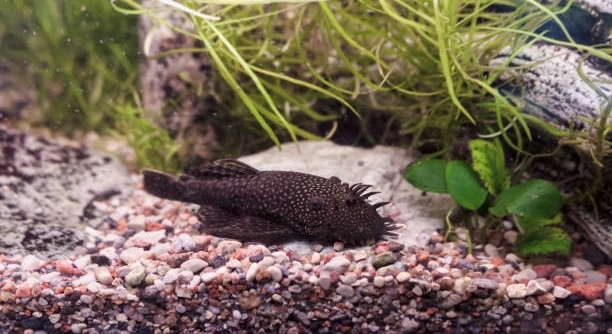
Is your pleco spending most of its time hiding behind decorations or clinging to the glass instead of exploring its surroundings? Observing subtle changes in behavior can reveal how comfortable your pleco feels in its new tank.
When a pleco begins settling in, it exhibits calm and consistent behaviors such as steady movement, active grazing on surfaces, and regular feeding patterns. Reduced stress markings, smoother breathing, and increased curiosity toward the environment indicate a healthy adaptation process.
From subtle shifts in movement to noticeable feeding habits, each cue offers insight into your pleco’s comfort and overall well-being within its aquatic home.
Increased Activity and Exploration
When a pleco begins feeling comfortable, you’ll notice it moving around more frequently, exploring every corner of the tank. It will swim along the glass, driftwood, and plants instead of hiding constantly. This activity shows confidence and familiarity with its environment. You might also see it cleaning surfaces, grazing on algae, and venturing out during the day. These small signs signal that your pleco is adjusting well. An active pleco means it feels secure, has access to proper water conditions, and is beginning to claim territory. This behavior is especially common once it recognizes that no immediate threats exist nearby.
As your pleco’s comfort grows, you may also notice smoother movements and longer exploration periods. Staying consistent with feeding times and maintaining clean water helps reinforce this sense of security. A settled pleco will show predictable patterns that align with its natural nocturnal instincts.
Active exploration not only reflects comfort but also helps your pleco maintain better physical health. Constant movement prevents stress-related issues and promotes a stronger immune system. When your pleco feels safe, it interacts more naturally with its surroundings, often becoming the calm center of your aquarium’s ecosystem. Watching these behaviors is a clear reminder that it’s thriving.
Steady Eating Habits
A pleco that eats consistently is showing comfort and trust. Once it feels safe, it will feed both on algae and provided foods without hesitation or hiding afterward.
When first introduced to a tank, plecos might refuse food due to stress or unfamiliar surroundings. Over time, steady eating indicates they’ve adapted and feel secure. You may notice your pleco feeding openly instead of waiting until the tank is dark. This visible feeding behavior demonstrates reduced anxiety and growing confidence. Offering a balanced diet of algae wafers, vegetables, and occasional protein supplements encourages regular feeding patterns. Always remove uneaten food to maintain water quality, as plecos are sensitive to changes. Observing these consistent eating routines helps you monitor their overall health. A well-fed, active pleco with a strong appetite is one of the most reliable signs that it has fully settled into its new home.
Calm Behavior and Reduced Hiding
When a pleco starts feeling at ease, it spends less time hiding and more time resting calmly in visible areas. Its movements appear smoother, and sudden darting or stress-related behavior becomes rare, showing a sense of safety and comfort within the tank.
A settled pleco won’t constantly seek shelter behind decorations or inside caves. Instead, it will occasionally rest in open spots, often attached to driftwood or glass. Calm behavior also includes slow fin movements and steady breathing. These are signs of reduced stress and proper adjustment to water parameters. If your pleco hides excessively or becomes inactive for long periods, it may indicate stress from poor water quality or sudden environmental changes. Maintaining consistent conditions and avoiding abrupt lighting shifts help preserve this calm demeanor. Over time, your pleco will learn its surroundings are secure, reinforcing its peaceful behavior.
This reduction in hiding allows for better observation of your pleco’s health. You’ll be able to notice early signs of changes in appetite, coloration, or movement. A relaxed pleco also helps maintain harmony with tank mates, as it no longer feels threatened or territorial. Calmness is not just comfort—it’s balance within its environment, and it reflects your care and consistency as an aquarist.
Normal Breathing and Color Stability
Normal breathing is a strong indicator that your pleco has adapted to its surroundings. When settled, its gill movements remain slow and steady instead of rapid or irregular, signaling balanced oxygen levels and reduced stress.
Color stability complements healthy breathing. A pleco that has adjusted will display rich, even tones across its body without sudden fading or blotches. Stress often causes pale or patchy coloring, while comfort brings out deeper hues and consistent patterns. Stable coloration is also influenced by good water quality, diet, and lighting. Regular maintenance ensures your pleco’s natural tones stay vibrant. If you observe steady breathing and rich coloration together, it means the environment supports its overall well-being. These subtle cues confirm that your pleco feels safe and has fully integrated into its aquatic habitat, thriving under stable and caring conditions.
Regular Feeding Schedule
When a pleco feels settled, it begins eating at consistent times, showing trust in its environment. You’ll notice it leaving its hiding spot as feeding time approaches, responding calmly to the routine without hesitation or signs of stress.
A predictable feeding schedule encourages better digestion and helps regulate behavior. Plecos thrive when they know food is available consistently. Over time, they associate your presence with feeding rather than danger, showing comfort and adaptation. Regular feeding also strengthens their immune system, supporting long-term health and steady growth.
Social Awareness
A comfortable pleco becomes more aware of its surroundings and tank mates. It won’t act skittish or overly territorial but instead moves calmly among other fish. Observing its measured responses shows it feels safe and adjusted to the shared space.
Clean and Healthy Skin
Clear, smooth skin indicates your pleco’s environment is balanced and comfortable. A settled pleco will show no white spots, lesions, or mucus buildup, proving it’s thriving under proper water conditions and stress-free living.
FAQ
How long does it take for a pleco to settle in?
The time it takes for a pleco to feel comfortable varies, usually ranging from one to three weeks. Some plecos adapt quickly, exploring the tank within days, while others need more time to feel secure. Factors like water quality, tank size, hiding spots, and compatibility with other fish influence this adjustment period. Providing stable conditions, regular feeding, and minimal sudden changes helps your pleco adapt faster. Observing consistent behaviors such as feeding, exploration, and calm resting are good indicators that your pleco has settled fully.
Why is my pleco hiding all the time?
Hiding is natural for plecos, especially when they’re new to a tank. Excessive hiding, however, may indicate stress from water parameters, overcrowding, or aggressive tank mates. Plecos need safe spaces like caves or driftwood to feel secure, but prolonged hiding beyond the first few weeks can suggest discomfort. Checking water temperature, pH, ammonia, and nitrite levels is essential. Gradual acclimation to new food and consistent feeding schedules also encourages them to leave their hiding spots. Ensuring the tank provides both shelter and open areas allows your pleco to explore at its own pace.
What are signs of stress in a pleco?
Stress can show through rapid breathing, unusual color fading, erratic swimming, or refusal to eat. A stressed pleco may scrape against decorations or stay in one corner for long periods. Poor water quality, sudden temperature changes, or aggressive tank mates are common stress factors. Observing behavior and physical signs daily allows early intervention. Adjusting tank conditions gradually, maintaining cleanliness, and providing hiding spots helps reduce stress. Stress can affect immunity and growth, so recognizing early signs and acting quickly ensures your pleco’s health and comfort in the aquarium.
How can I encourage my pleco to explore the tank?
Encouraging exploration starts with creating a safe, interesting environment. Include driftwood, plants, and smooth surfaces to graze on. Avoid sudden movements or bright lighting that might frighten your pleco. Feeding in different locations can also prompt movement and activity. Over time, gentle observation without interference lets your pleco build confidence. Consistent water quality and predictable routines reduce anxiety, making your pleco more willing to explore. Slowly rearranging the tank occasionally can stimulate curiosity while still providing safe zones. Each small change encourages natural behavior without causing stress, helping your pleco feel more secure.
Is it normal for plecos to be more active at night?
Yes, plecos are naturally nocturnal. Increased nighttime activity is normal and indicates comfort and healthy instincts. During the day, they may rest in hidden areas or cling to surfaces. If your pleco moves confidently at night and shows calm, steady behavior during the day, it suggests it has adapted well to its environment. Nighttime activity includes grazing on algae, exploring surfaces, and interacting with tank mates without aggression. Respecting this nocturnal pattern helps maintain their natural behavior and ensures you don’t misinterpret daytime resting as illness or stress.
Can water changes affect how quickly my pleco settles?
Frequent or large water changes can stress a pleco, especially if parameters fluctuate. Gradual water adjustments with stable temperature and pH help maintain comfort. Using a siphon to remove debris and replace only part of the water ensures minimal disruption. Maintaining consistency in water conditions supports feeding, exploration, and calm behavior. Sudden changes in hardness or chemistry may cause hiding, color fading, or irregular breathing. By introducing changes slowly and monitoring responses, you can create a safe environment that encourages faster settling and overall well-being.
What should I do if my pleco isn’t eating?
Refusal to eat often indicates stress, water issues, or unfamiliarity with food. Offer a mix of algae wafers, vegetables like zucchini or cucumber, and occasional protein sources. Ensure water temperature and quality are ideal. Reduce light intensity during feeding to make your pleco feel secure. Observing feeding behavior over several days helps identify preferences and ensures proper nutrition. Avoid overfeeding, as leftover food can deteriorate water quality. Patience is key; as your pleco adjusts and recognizes feeding routines, appetite usually returns, signaling comfort and adaptation.
How do I know my pleco is healthy and settled?
A settled, healthy pleco shows consistent feeding, calm resting, smooth swimming, and clear skin. Vibrant coloration, steady gill movement, and appropriate interaction with tank mates are signs of proper adjustment. Reduced hiding and regular exploration indicate confidence in its environment. Monitoring these behaviors daily helps track well-being. Maintaining stable water quality, offering a balanced diet, and providing adequate shelter all contribute to a comfortable habitat. When these behaviors align, you can be confident that your pleco has settled and thrives in its aquarium.
What role does tank size play in settling?
Tank size directly affects comfort and behavior. Plecos need enough space to explore, graze, and rest without feeling crowded. Larger tanks reduce territorial stress and allow natural movement patterns. Insufficient space can lead to hiding, aggression, or irregular feeding. Providing areas for both shelter and open swimming supports normal behaviors. The recommended minimum size depends on the pleco species, but ample room always aids faster settling, healthier growth, and reduced stress. Proper filtration and water flow complement tank size, ensuring the pleco adapts smoothly to its environment.
How important are decorations for a settling pleco?
Decorations like driftwood, caves, and plants offer shelter and grazing surfaces, reducing stress and promoting exploration. They simulate natural habitats, making plecos feel secure. Smooth, algae-covered surfaces encourage feeding and movement. Decorations also create territorial boundaries, minimizing conflicts with tank mates. Providing both hiding spaces and open areas allows your pleco to choose its comfort level, supporting healthy behavior. Carefully arranged décor contributes significantly to adaptation, calm behavior, and overall well-being. Watching your pleco interact with its environment reflects its comfort and adjustment progress.
This FAQ covers common concerns, providing practical guidance to ensure your pleco adjusts well and thrives in its tank environment.
Final Thoughts
Watching a pleco settle into a new tank is a process that requires patience and careful observation. Each pleco adjusts at its own pace, and understanding its behavior is key to supporting a healthy transition. Signs like regular feeding, calm resting, smooth swimming, and steady exploration indicate that your pleco feels safe and comfortable. On the other hand, prolonged hiding, rapid breathing, or unusual color changes can signal stress or environmental issues that need attention. Consistency in water quality, temperature, and feeding routines provides a stable environment that helps your pleco adapt more quickly. By paying attention to these cues, you can ensure that your pleco thrives and maintains good health, making the aquarium a balanced and peaceful space for all its inhabitants.
Providing an environment that meets both physical and behavioral needs is crucial. Plecos require clean water, suitable hiding spots, and surfaces for grazing to feel secure. Decorations like driftwood and plants not only offer shelter but also encourage natural behaviors, such as exploring and feeding. Gradually adjusting lighting and minimizing sudden changes reduces stress, allowing your pleco to gain confidence in its surroundings. Observing how it interacts with other tank mates can also provide insight into its comfort level. A pleco that swims calmly among other fish, explores open areas, and maintains its natural coloration is a clear sign of successful adaptation. Over time, these small daily observations help you understand your pleco’s personality and preferences, making care easier and more effective.
Settling in is more than just behavior; it reflects overall well-being. A pleco that adapts well will eat consistently, display vibrant colors, and move confidently throughout the tank. Ensuring that it receives a balanced diet, clean water, and appropriate shelter contributes to long-term health. Watching these cues allows you to respond quickly to any changes in behavior or appearance, preventing potential health problems. Remember that every pleco is different, and what works for one may take adjustment for another. By maintaining patience, consistency, and careful monitoring, you create an environment where your pleco can thrive naturally. Supporting your pleco through this adaptation process is rewarding, as it gradually reveals its full personality and natural behaviors. Over time, a well-settled pleco becomes an active, healthy, and confident presence in your aquarium, demonstrating that proper care and attention make a significant difference in its quality of life.

Hello,
If you enjoy the content that we create, please consider saying a "Thank You!" by leaving a tip.
Every little bit helps us continue crafting quality advice that supports the health, happiness, and well-being of pets around the world, for pets of all shapes, sizes, and species.
We really appreciate the kindness and support that you show us!