
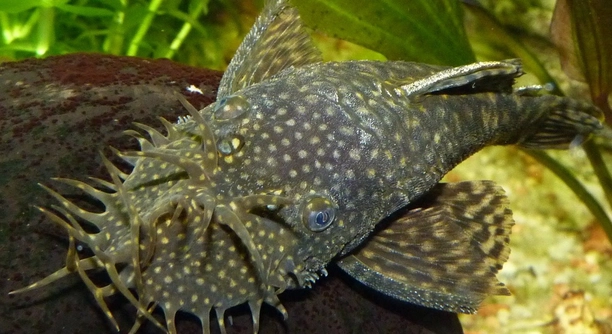
Have you ever noticed your pleco resting in the same spot for long hours, barely moving around the tank? Sometimes their inactivity can be worrying, especially when you expect them to explore or feed more actively.
Reduced activity in plecos is often linked to water quality, temperature fluctuations, or inadequate diet. Ensuring optimal tank conditions, proper nutrition, and minimal stress factors can restore normal behavior and support their overall health effectively.
Monitoring subtle changes in behavior and adjusting care routines can make a significant difference in your pleco’s well-being. Understanding the reasons behind their inactivity will help you support a happier, healthier fish.
Understanding Pleco Behavior
Plecos are naturally more active during nighttime, so noticing them resting during the day is often normal. They spend a lot of time hiding in caves or under decorations. However, sudden inactivity or unusual behavior can signal stress, illness, or unsuitable tank conditions. Observing their patterns closely helps identify changes early. Common signs of stress include clamped fins, lack of appetite, and erratic swimming. Water parameters such as pH, ammonia, nitrite, and nitrate levels play a crucial role in keeping plecos healthy. Maintaining proper temperature and ensuring adequate hiding spaces helps them feel secure. Feeding a balanced diet with sinking pellets, fresh vegetables, and occasional protein supplements ensures their energy levels remain steady. Even small improvements in water quality or diet can lead to noticeable changes in activity. Consistency in tank maintenance, feeding, and observation is key to preventing prolonged inactivity and maintaining their overall health.
Monitoring tank conditions closely can quickly reveal patterns in your pleco’s activity and help prevent health problems before they worsen.
Plecos are sensitive to environmental changes. Moving decorations, altering water flow, or changing tank mates can impact behavior. Providing a stable environment with minimal disturbances helps them feel secure. Observing their feeding habits and noting any changes in swimming or resting patterns allows you to address problems early. A diet rich in fiber from vegetables, occasional protein, and high-quality pellets supports healthy metabolism and encourages movement. Regular water testing, partial water changes, and careful cleaning routines prevent harmful buildup of ammonia and nitrites. Adjusting temperature gradually when needed avoids shock, and offering multiple hiding spots reduces stress. By paying attention to both physical and behavioral cues, you can ensure your pleco remains active and healthy, avoiding long periods of inactivity.
Adjusting Tank Conditions
Small adjustments in water parameters can make a big difference for pleco activity.
Ensuring clean water, stable temperature, and proper filtration encourages regular movement and feeding, reducing stress and supporting overall health.
Keeping the tank stable means monitoring pH, hardness, and temperature regularly. Sudden shifts can cause plecos to hide more or refuse food. A high-quality filter ensures proper oxygen levels and reduces harmful waste. Providing gentle water flow mimics natural habitats and promotes swimming. Overcrowding or incompatible tank mates can also cause stress, so maintaining an appropriate population is important. Hiding spots with caves, driftwood, or plants allow plecos to feel secure and rest comfortably. Gradual changes during maintenance, like partial water changes instead of full replacements, prevent shock and encourage normal behavior. Combining these measures with a balanced diet and careful observation helps your pleco stay active, healthy, and responsive. Regular attention to these factors ensures a stable environment, minimizing periods of lethargy and keeping your fish comfortable in its tank.
Checking Diet and Feeding Habits
A poor diet can make plecos inactive. Feeding them fresh vegetables, algae wafers, and occasional protein treats encourages movement and supports energy levels. Avoid overfeeding, as leftover food can pollute the water.
Plecos need a balanced diet to remain active. Leafy greens like spinach or zucchini provide essential fiber, while sinking pellets offer nutrients they can access easily. Protein sources like bloodworms or shrimp can be given occasionally. Feeding at consistent times helps them develop a routine, which can improve overall activity. Monitoring leftovers and removing uneaten food prevents water quality issues, which directly affect their behavior. Adjusting the diet based on age, size, and species ensures each pleco receives what it needs to thrive.
Observing how your pleco responds to different foods can help identify preferences and dietary gaps. Some plecos may eat more during the night, so timing feedings accordingly can encourage activity. Rotating vegetables and supplements keeps meals varied and nutritious. Feeding in small amounts multiple times a day may also prevent lethargy and digestive issues. Ensuring they have access to surfaces where algae naturally grows can stimulate grazing behavior. By paying attention to diet and feeding patterns, you can support your pleco’s activity and overall health.
Identifying Stress Factors
Stress in plecos can arise from overcrowding, aggressive tank mates, or sudden environmental changes. Keeping the tank stable is essential for their comfort.
Plecos become stressed when their environment is unpredictable. Rapid changes in temperature, water chemistry, or tank setup can cause hiding, reduced feeding, and inactivity. Overcrowded tanks create competition for food and territory, increasing anxiety. Aggressive fish may chase or nip at plecos, forcing them to hide constantly. Providing ample hiding spots and consistent maintenance routines minimizes stress. Observing behavior daily helps catch problems early, allowing for adjustments before health declines. Stress management is a key factor in maintaining a lively and healthy pleco population.
Improving Water Quality
Regular water changes are essential to keep plecos active and healthy. Removing debris and maintaining low nitrate levels reduces stress and prevents illness.
Testing water weekly helps catch imbalances early. Proper filtration and partial water changes maintain a stable, clean environment, supporting normal behavior and energy levels.
Providing Hiding Spots
Plecos need secure hiding places to feel safe. Driftwood, caves, and plants offer shelter and encourage natural behavior.
Providing multiple hiding spots allows plecos to rest during the day and explore at night. Secure, shaded areas reduce stress and improve activity, promoting overall health and comfort in the tank.
Monitoring Temperature
Stable water temperature is crucial for pleco activity. Sudden fluctuations can make them sluggish or stressed, affecting feeding and swimming patterns. Maintaining consistent warmth appropriate for the species ensures metabolism and energy levels remain steady, supporting normal behavior and overall health in the aquarium environment.
Observing Behavior Regularly
Watching your pleco daily helps identify early signs of stress or illness. Tracking patterns in activity, feeding, and interaction ensures timely interventions.
FAQ
Why is my pleco hiding all the time?
Plecos naturally hide during the day since they are mostly nocturnal. Hiding helps them feel secure and reduces stress. If your pleco is hiding excessively, check water quality, temperature, and tank mates. Adding more hiding spots like caves or driftwood can help them feel safe and encourage activity.
My pleco isn’t eating much. What should I do?
Reduced appetite often signals stress or poor water conditions. Make sure the tank is clean and stable, and offer a variety of foods such as algae wafers, fresh vegetables, and occasional protein treats. Feeding in small amounts several times a day may help. Observe for signs of illness like clamped fins or unusual swimming.
Can water temperature affect my pleco’s activity?
Yes, plecos are sensitive to temperature changes. Sudden drops or rises can make them sluggish or inactive. Keep the water within the recommended range for your species and avoid rapid changes during water changes or seasonal fluctuations. A stable, appropriate temperature supports metabolism, feeding, and overall activity.
How often should I perform water changes for my pleco?
Partial water changes of about 20–30% weekly are usually enough to maintain water quality. Remove uneaten food and debris during changes, and monitor ammonia, nitrite, nitrate, and pH levels regularly. Clean water prevents stress, supports healthy activity, and reduces the risk of illness.
Could tank mates be causing my pleco to be inactive?
Yes, aggressive or overly active tank mates can stress plecos, causing them to hide or reduce movement. Ensure compatible species and provide sufficient space, hiding spots, and territories. Observing interactions and adjusting the tank layout can improve your pleco’s comfort and activity levels.
Is my pleco too old to be active?
Older plecos may naturally move less, but inactivity shouldn’t be extreme. Monitor for other signs of illness, diet issues, or poor water conditions. Even senior plecos benefit from stable tanks, nutritious food, and hiding spots to encourage healthy movement.
How do I know if inactivity is due to illness?
Signs of illness include clamped fins, labored breathing, unusual spots or lesions, and prolonged hiding without feeding. Regular observation and water testing help distinguish normal behavior from health issues. Consult an aquarium professional or vet for persistent or severe symptoms.
Can feeding habits improve pleco activity?
Yes, a balanced diet directly affects energy levels. Include leafy greens, algae wafers, and occasional protein sources like shrimp or bloodworms. Rotate foods to keep nutrition varied, and feed at consistent times to encourage predictable activity. Proper diet helps prevent lethargy and digestive problems.
Should I change the tank setup if my pleco is inactive?
Only if needed. Excessive changes can increase stress. Introduce new decorations, hiding spots, or plants gradually, ensuring stability and comfort. Observing how your pleco responds helps determine whether the adjustments encourage activity or cause stress.
Can lighting affect my pleco’s behavior?
Plecos prefer dim lighting or shaded areas. Bright, constant light can stress them and reduce movement. Use subdued lighting or provide shaded hiding spots to allow natural nocturnal activity. Mimicking their natural environment helps them feel secure and promotes normal behavior.
How long does it take for a pleco to return to normal activity?
Recovery time depends on the cause of inactivity. Improving water quality, diet, or stress factors may take several days to weeks. Gradual observation and consistent care ensure your pleco returns to a healthier, more active state without unnecessary stress.
What should I do if my pleco is inactive despite proper care?
If all conditions are optimal and inactivity persists, consult an aquarium specialist or vet. Persistent lethargy can indicate underlying health issues or species-specific behavior patterns that need professional guidance. Keeping detailed notes on water parameters, feeding, and behavior helps professionals provide accurate advice.
This FAQ section provides practical advice for recognizing causes of inactivity, adjusting care routines, and supporting pleco health, ensuring your fish remains comfortable, active, and well-nourished.
Final Thoughts
Plecos are unique and fascinating fish, and their behavior can sometimes be puzzling. It is normal for them to rest during the day and move mostly at night, as they are naturally nocturnal. However, sudden or prolonged inactivity can signal that something in their environment needs attention. Observing their patterns carefully can help distinguish normal behavior from potential health or stress issues. Keeping track of their activity, feeding, and interactions with tank mates allows you to notice small changes early, which is essential for maintaining their well-being. Even small adjustments in tank conditions or care routines can make a noticeable difference in how lively and comfortable they appear.
Maintaining water quality is one of the most important aspects of caring for plecos. Regular testing for ammonia, nitrites, nitrates, and pH levels ensures the water remains safe and healthy. Partial water changes, proper filtration, and removal of uneaten food prevent harmful buildup and create a stable environment for your fish. Temperature control is also critical, as sudden changes can cause stress or inactivity. Providing hiding spots like caves, driftwood, or dense plants allows plecos to feel secure and encourages natural behaviors. By focusing on these factors consistently, you support your pleco’s energy levels, reduce stress, and promote overall health.
Diet plays a major role in pleco activity as well. Offering a variety of foods like algae wafers, fresh vegetables, and occasional protein supplements keeps them nourished and encourages movement. Feeding small amounts multiple times a day, rather than one large meal, can help prevent leftovers from polluting the water and support digestion. Observing which foods your pleco prefers and rotating options ensures they receive balanced nutrition. Alongside stable tank conditions and careful monitoring, a proper diet helps maintain energy and activity. Paying attention to these elements over time allows you to support a healthy, comfortable environment where your pleco can thrive and display its natural, lively behavior.

Hello,
If you enjoy the content that we create, please consider saying a "Thank You!" by leaving a tip.
Every little bit helps us continue crafting quality advice that supports the health, happiness, and well-being of pets around the world, for pets of all shapes, sizes, and species.
We really appreciate the kindness and support that you show us!