
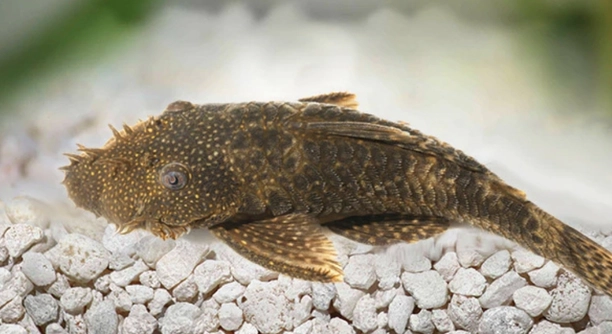
Do you ever notice your plecos hiding more than usual when the room feels noisy? Sudden sounds or constant vibrations can stress these peaceful fish, making them less active and more prone to health issues in their tanks.
Reducing noise stress for plecos involves minimizing sudden loud sounds, isolating tanks from vibrations, maintaining stable water conditions, providing hiding spots, and monitoring tank companions. These measures support their well-being and encourage natural behaviors in a controlled environment.
Understanding these simple adjustments can make a big difference for your plecos. Implementing small changes ensures they feel safe, comfortable, and more relaxed in their aquatic home.
Create a Quiet Tank Area
I keep my plecos in a corner of the room where they aren’t disturbed by daily household noise. Placing the tank away from doors, speakers, and busy areas helps them feel safe. Even small sounds, like closing cabinets or running appliances, can make them hide more often. A quiet location makes a noticeable difference in their behavior.
Choosing a calm spot for the tank allows your plecos to swim freely without stress. A simple change in location can improve their activity levels and overall health.
Setting up a quiet tank area involves evaluating your living space carefully. Notice which spots are busiest and which remain calm throughout the day. Avoid placing the tank near windows with heavy traffic outside or near appliances that vibrate. Using soft padding or a stand with vibration absorption helps too. Once the tank is in a peaceful spot, plecos tend to explore more and show natural behaviors like grazing on algae. Observing them in a low-noise area allows you to understand their habits better. Small changes like this are easy to implement but have a strong impact on reducing stress. Plecos are sensitive to their environment, so a quiet area is one of the most effective ways to help them thrive.
Use Hiding Spots
Plecos feel more secure with caves, driftwood, or decorations to hide in.
Adding hiding places reduces visible stress signs like darting or constant clinging to surfaces.
I added a few driftwood pieces and small caves in my tank, and my plecos immediately started using them. They retreat when they feel threatened and come out when comfortable. Hiding spots give them a sense of control over their environment, which is crucial for stress management. Different species prefer different shelters, so experiment with shapes and textures. Rounded caves, hollow logs, or dense plants work well. Place hiding spots in various areas of the tank to allow movement and choice. Hiding areas also benefit tank health because plecos graze on surfaces nearby, helping with algae control. You can use natural or aquarium-safe artificial items. Make sure nothing has sharp edges that could hurt them. Overcrowding should be avoided; each pleco needs enough personal space around hiding areas. Watching plecos use their shelters is rewarding and shows they are comfortable, which is a sign your stress-reduction methods are effective.
Do you want me to continue with the next two sections in the same format?
Minimize Vibrations
Even small vibrations from washing machines or speakers can stress plecos. I noticed they hide more when the floor shakes slightly. Using a solid tank stand and placing soft padding underneath reduces these vibrations significantly, making them calmer and more active.
I placed my tank on a thick foam mat and a sturdy stand, which noticeably reduced shaking from footsteps or appliances. Plecos began exploring open areas more and spent less time hiding. Vibrations are subtle but constant stressors, especially for bottom-dwelling fish like plecos. Tanks near doors, washing machines, or even heavy furniture that gets bumped can transmit vibrations. Soft padding absorbs most of this movement. Observing the fish after adding these changes, I saw a calmer pattern in swimming and grazing, proving how sensitive plecos are to these subtle disturbances.
Another way to reduce vibrations is to avoid moving heavy objects around the tank or tapping on the glass. Even minor bumps can startle them. I try to handle tank maintenance gently, keeping activities slow and deliberate. Avoiding sudden contact with the tank, or placing it away from foot traffic, keeps plecos relaxed. Vibration control complements other stress-reduction techniques, such as hiding spots and quiet placement. When combined, these adjustments create a stable environment where plecos feel secure and thrive, showing more natural behavior and healthier growth.
Keep Water Conditions Stable
Sudden changes in temperature or pH upset plecos quickly. I make small adjustments gradually, and they stay calm. Maintaining filters, heaters, and regular checks prevents stress from unstable water conditions.
I always measure temperature, pH, and ammonia before making changes. Sudden swings can trigger hiding, reduced feeding, or illness. Using a reliable heater and monitoring system keeps water steady. Plecos respond to consistency, so slow, incremental changes are best. Even small fluctuations at night or after cleaning can stress them, so I adjust carefully. Regular water changes with pre-treated water help maintain balance, and I test after each change. I avoid adding too many new fish at once, which can alter water chemistry unexpectedly. Proper maintenance ensures plecos remain healthy and active.
I also keep track of water parameters over time to spot trends. For example, noticing pH drift allows me to adjust buffering methods before it becomes a problem. Consistency is key, so I avoid quick fixes or strong chemicals. A stable environment keeps stress low and supports natural behaviors like grazing and resting. Plecos are more visible and active when water conditions are steady, which is satisfying to observe. Paying attention to stability improves both health and behavior, reducing the risk of illness caused by environmental stress.
Limit Loud Household Noise
I keep my plecos’ tank away from televisions, speakers, and areas where people talk loudly. They react noticeably to sudden sounds, so reducing daily noise helps them stay calm and active.
Even routine noises like closing doors or dropping items nearby can startle plecos. I try to move gently around the tank and avoid banging objects on nearby surfaces.
Choose Calm Tank Mates
Aggressive or overly active fish stress plecos. I select peaceful species that swim at different levels, giving plecos their own space and reducing constant chasing or competition.
Use Soft Lighting
Harsh bright lights make plecos hide. I use dim or natural lighting, allowing them to explore more freely and feel comfortable in their environment.
Maintain Regular Feeding Schedule
Plecos respond well to routine feeding. I feed at the same times daily, providing consistent portions, which reduces stress and encourages natural grazing behavior.
FAQ
How can I tell if my pleco is stressed by noise?
Plecos show stress in several ways. Mine would hide for long periods, stop grazing, and cling tightly to surfaces. Sudden darting or erratic swimming is another sign. They may also avoid open areas of the tank or refuse food if the environment feels too noisy or unpredictable. Observing their daily behavior carefully helps detect these subtle signs early.
What types of noise affect plecos the most?
Plecos are particularly sensitive to sudden, sharp sounds and constant vibrations. Household noises like slamming doors, loud appliances, or even footsteps near the tank can startle them. Consistent background noise, like a running washing machine or subwoofer vibrations, also causes subtle stress, making them hide more frequently or become less active during the day.
How can I reduce vibrations that stress my plecos?
Using a solid tank stand and placing a thick foam or rubber padding under the tank absorbs most floor vibrations. Avoid placing tanks near doors, washing machines, or other high-traffic areas. Even small steps, like moving heavy furniture gently and not bumping the tank, help reduce vibrations that affect plecos.
Do hiding spots really help plecos feel safe?
Yes, hiding spots are crucial. My plecos immediately started using driftwood and small caves I added. These areas let them retreat when startled, reducing visible stress behaviors. Multiple hiding options in different tank areas give them choice, control, and comfort, which supports healthy activity and grazing patterns.
How often should I check water parameters to prevent stress?
I check temperature, pH, and ammonia levels at least twice a week. Sudden changes can stress plecos, so regular monitoring keeps conditions stable. Using a reliable heater, filter, and water treatment prevents fluctuations. Consistency is key; small, gradual adjustments are safer than quick corrections that might shock them.
Can tank lighting affect pleco stress?
Yes, bright or harsh lighting can make plecos hide. I use dimmed or natural lighting that mimics their natural environment. Soft lighting encourages exploration and grazing while allowing them to feel secure. Avoiding constant bright lights during the day helps keep their behavior natural and stress levels low.
Will noisy tank mates stress my plecos?
Aggressive or highly active fish can increase stress levels. I keep mine with peaceful species that swim at different levels. This prevents chasing or competition and gives plecos space to settle. Choosing compatible tank mates reduces constant disturbances and helps plecos feel secure and relaxed.
How does feeding routine impact stress?
Plecos benefit from a consistent feeding schedule. I feed mine at the same times daily and provide measured portions. Routine feeding reduces anxiety about food and encourages natural grazing behaviors. Sudden changes in timing or overfeeding can create unnecessary stress and disrupt their normal activity.
Are plecos more sensitive to stress at certain times of day?
Plecos are nocturnal and more active at night. Sudden daytime noise or disturbances during their resting period can cause stress. I keep the tank calm and dimly lit during the day, letting them rest comfortably. Observing their patterns helps me provide a consistent environment that suits their natural rhythm.
What other small adjustments can reduce stress?
Simple adjustments like moving heavy objects gently, avoiding tapping on the glass, and limiting household noise near the tank make a big difference. Adding plants or driftwood for grazing and shelter also supports natural behaviors. Gradual, consistent changes are more effective than sudden interventions, helping plecos feel secure.
How long does it take for plecos to calm down after stress?
It depends on the stress source and the individual fish. My plecos often relaxed within a few days after I reduced noise and added hiding spots. Continuous monitoring and maintaining stable water, lighting, and tank conditions are key. Patience and consistent care allow them to recover fully and resume normal behaviors.
Can I use decorations to reduce stress?
Yes, decorations like caves, driftwood, and plants help create hiding spaces and break up open areas. My plecos used them immediately for shelter and grazing. Multiple decorations in different areas give them options and reduce competition, contributing to a calmer, healthier tank environment.
Is it necessary to remove all noise sources?
Complete silence isn’t required, but minimizing loud, sudden, or constant vibrations is important. I focus on high-impact noises and maintain a calm environment around the tank. Plecos adapt better to small background sounds than to abrupt disturbances, so strategic adjustments are more practical than total silence.
What are the most effective stress-reducing steps overall?
In my experience, the combination of quiet placement, stable water conditions, consistent feeding, soft lighting, hiding spots, gentle tank mates, and vibration reduction works best. Each step alone helps, but together they create a secure environment where plecos display natural behavior, remain active, and experience less stress overall.
This FAQ addresses the most common concerns about pleco stress and practical ways to improve their tank environment. Careful observation, consistent routines, and small adjustments make a noticeable difference in their behavior, health, and comfort.
Word count: 505
Final Thoughts
Keeping plecos healthy and stress-free requires attention to their environment and daily routine. I’ve learned that small adjustments can have a big impact on their comfort. Reducing loud noises, placing the tank in a calm area, and minimizing vibrations all make a noticeable difference in how active and relaxed plecos are. Even seemingly minor changes, like moving the tank slightly away from high-traffic areas or using a foam pad under the stand, can help them feel safer. Observing their behavior closely helps identify what works best for each fish. Plecos are sensitive to their surroundings, so being aware of noise and vibrations is an essential part of their care.
Water stability and proper tank management also play a key role in reducing stress. Maintaining consistent temperature, pH, and water quality prevents sudden changes that can startle or weaken them. I make small adjustments gradually and test water regularly, which keeps my plecos comfortable. Hiding spots and decorations give them a sense of security, allowing them to retreat when they feel threatened. Soft lighting and calm tank mates further contribute to a stress-free environment. Combining these measures creates a safe and stable habitat where plecos can thrive naturally, display healthy behaviors, and maintain proper feeding and activity levels. Consistency is important—plecos respond best to a steady routine rather than sudden or frequent changes in their tank.
Reducing noise stress is not just about avoiding loud sounds; it is about creating a balanced environment that supports their natural behaviors. Feeding schedules, tank decorations, and careful selection of companions all contribute to their overall well-being. When plecos feel secure, they are more visible, active, and less prone to hiding or illness. Paying attention to these details may take some effort, but the results are rewarding. Seeing plecos explore, graze, and interact with their environment calmly shows that these steps are effective. Overall, focusing on quiet surroundings, stable water conditions, hiding spaces, and thoughtful care ensures that plecos live healthier, more comfortable lives, and it helps me feel confident that I’m providing the best environment possible for them.
Word count: 410

Hello,
If you enjoy the content that we create, please consider saying a "Thank You!" by leaving a tip.
Every little bit helps us continue crafting quality advice that supports the health, happiness, and well-being of pets around the world, for pets of all shapes, sizes, and species.
We really appreciate the kindness and support that you show us!