
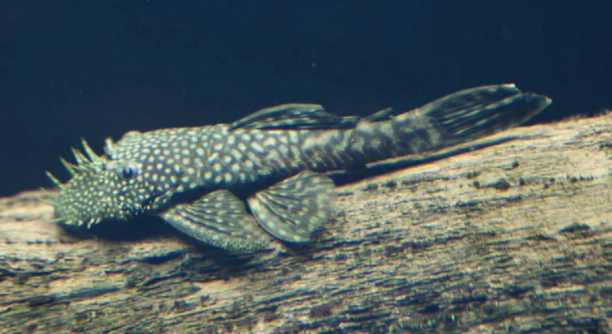
Do you ever notice that your pleco ignores the fresh leafy greens you place in its tank? Many fish owners experience frustration when their algae eater seems uninterested in vegetables. This behavior can be puzzling at first.
The primary reason plecos often avoid leafy greens is that their diet in captivity is usually supplemented with algae wafers or high-protein foods. These alternatives provide sufficient nutrition, reducing the fish’s need or desire to consume fresh vegetables, even when readily available.
Learning about their natural feeding habits and preferences can help you adjust your approach. Small changes in preparation or presentation may encourage your pleco to try the greens.
Understanding Pleco Preferences
Plecos are primarily algae eaters in the wild, but they are opportunistic feeders. In captivity, they quickly adapt to what is easiest to consume, like algae wafers or prepared foods. Many plecos may not immediately recognize leafy greens as a source of nutrition, especially if they are accustomed to pellets or tablets. Texture plays a role too; softer, thinner leaves tend to be eaten faster than tougher varieties. Some plecos are naturally picky, and this personality trait can influence their willingness to try vegetables. Temperature, water quality, and tank environment also affect feeding habits. If a pleco feels stressed, it may ignore new foods altogether. Even when greens are added regularly, some plecos may only nibble occasionally. Observing their behavior over time helps you understand what appeals to them. Rotating vegetables or lightly blanching leaves can sometimes make them more appealing and easier to digest.
Introducing leafy greens gradually helps plecos adapt without overwhelming them. Small portions are key.
Consistency and observation are critical. Trying different greens like spinach, zucchini, or romaine can reveal preferences. Preparing leaves by blanching or lightly soaking them in tank water can soften textures and reduce potential chemical residues. Attaching the greens to a clip or placing them near hiding spots encourages exploration without forcing the fish. Feeding at night may also increase interest, as plecos are naturally more active in low-light conditions. Keeping tank conditions stable supports appetite, while monitoring interactions ensures no aggression occurs around food. Over time, plecos often develop patterns, selectively feeding on items they find easiest to handle. By noting preferences and making minor adjustments, you can improve vegetable acceptance and balance their diet. This approach supports overall health, providing fiber and nutrients that supplements alone may not cover.
Preparing Greens for Plecos
Softening leaves before offering them makes plecos more likely to eat.
Blanching greens for a few seconds removes potential toxins and softens tough textures, making them easier for plecos to grasp. Cooling them in tank water afterward prevents shocking the fish. Attaching the leaves to a clip or stone keeps them in place for longer, allowing shy or slower feeders to explore them at their own pace. Regularly offering different types of vegetables exposes plecos to a variety of textures and flavors, gradually increasing acceptance. Monitoring feeding behavior ensures greens are eaten and not left to rot, which could impact water quality. These simple preparation methods often make a significant difference in a pleco’s willingness to try new foods.
Timing and Feeding Habits
Offering greens in the evening increases the chances of them being eaten. Plecos are naturally more active at night, and they may ignore food during bright daylight hours. Adjusting feeding times to match their activity levels encourages consumption without forcing them.
Plecos’ feeding behavior is influenced by their circadian rhythm. Observing when they are most active allows you to provide greens during periods when they are more likely to explore new foods. Some plecos may nibble for only a few minutes, while others take longer to investigate. Offering small portions multiple times a week rather than a large amount at once prevents waste and reduces water contamination. Placing the greens near hiding spots or areas where they typically feed also improves the chance they will be noticed. Over time, these adjustments can create a predictable feeding routine, increasing the likelihood your pleco will try leafy vegetables.
Consistency and patience are essential when adjusting feeding habits. Monitoring water quality alongside feeding ensures a safe environment, and slowly introducing new types of vegetables keeps the diet balanced. Tracking which greens are eaten most frequently can help plan future offerings. Blending familiar foods with new ones can stimulate interest. Some plecos may require weeks to accept new vegetables fully, while others adapt faster. Keeping portions manageable and providing variety encourages healthy eating patterns. Using methods like attaching greens to a clip or stone allows plecos to approach food at their own pace, supporting natural feeding behaviors without adding stress. By aligning feeding times with natural activity and offering food in accessible ways, plecos gradually become more willing to explore leafy greens.
Leaf Selection and Variety
Rotating types of greens prevents boredom and provides a range of nutrients. Offering spinach, romaine, or zucchini gives plecos options they may prefer over one repeated vegetable.
Leaf texture and thickness significantly affect acceptance. Softer, thinner leaves like spinach or butter lettuce are easier for plecos to grasp and consume. Tougher leaves such as kale or collard greens may require blanching to soften them. Variety also helps provide a balanced diet, as different leaves contain unique vitamins and minerals essential for health. Observing which types are eaten quickly and which are ignored helps identify preferences. Gradually introducing new leaves alongside familiar favorites encourages trial and acceptance. Some plecos may take time to adjust, but persistence combined with small portions prevents waste and maintains water quality. Attention to preparation, presentation, and rotation ensures that leafy greens become a consistent, beneficial part of a pleco’s diet.
Observing Your Pleco
Watching how your pleco interacts with food helps identify patterns. Some may nibble slowly, while others ignore certain vegetables entirely. Small adjustments can make a difference.
Tank setup influences feeding. Hiding spots or decorations near greens can encourage exploration, making plecos feel safer while trying new foods.
Avoiding Overfeeding
Giving too many alternatives like pellets or wafers can reduce interest in greens. Limiting high-protein foods during vegetable offerings increases the chance they will nibble on leaves. Feeding smaller portions at scheduled times encourages natural foraging behavior.
Cleaning and Maintenance
Uneaten greens can quickly pollute the tank. Removing leftovers after a few hours prevents water quality issues and keeps your pleco healthy.
FAQ
Why doesn’t my pleco eat leafy greens at all?
Many plecos are accustomed to prepared foods like wafers or pellets, which provide sufficient nutrition. They may not recognize leafy greens as food, especially if they are used to softer, processed textures. Gradually introducing vegetables and softening tough leaves can encourage them to try new options.
Which leafy greens are easiest for plecos to eat?
Softer leaves such as spinach, butter lettuce, and romaine are usually more appealing. Zucchini and cucumber slices also work well. Tougher leaves like kale or collard greens may need to be blanched briefly to make them easier for your pleco to grasp and consume.
How should I prepare vegetables for my pleco?
Blanching vegetables for a few seconds softens them and removes possible chemical residues. After blanching, cool the greens in tank water before offering them. Attaching the leaves to a clip or placing them near hiding spots ensures plecos can explore them safely and gradually.
How often should I offer leafy greens?
Providing vegetables two to three times a week is generally sufficient, depending on the size and appetite of your pleco. Offering small portions reduces waste and prevents water contamination while keeping the fish interested in trying new foods over time.
Can overfeeding pellets or wafers affect vegetable intake?
Yes, high-protein foods like wafers or pellets can make plecos less motivated to eat greens. Limiting these foods during vegetable offerings increases the likelihood that your pleco will nibble on leaves. Timing and portion control are key to balancing their diet.
How can I encourage picky plecos to try greens?
Start by offering small amounts alongside foods they already accept. Blanching tough leaves, attaching them to a clip, or placing them near hiding spots can make vegetables more accessible. Feeding during evening hours, when plecos are naturally more active, may also increase interest.
Is it safe if my pleco only eats pellets and ignores vegetables?
While plecos can survive on prepared foods, adding leafy greens provides fiber and extra nutrients. Observing their behavior and gradually introducing vegetables ensures they receive a more balanced diet. Some plecos may remain picky, but consistent exposure often improves acceptance.
What should I do if uneaten greens remain in the tank?
Remove leftovers after a few hours to prevent water quality issues. Rotating vegetables and monitoring which types are eaten most often helps prevent waste. Keeping the tank clean supports overall health and encourages plecos to explore new foods safely.
Can variety in leafy greens improve nutrition?
Yes, different vegetables provide unique vitamins and minerals. Offering a mix of spinach, romaine, zucchini, and occasional blanched kale ensures a more balanced nutrient intake while keeping feeding interesting for your pleco. Rotating vegetables gradually increases acceptance and prevents boredom.
How long does it usually take for a pleco to start eating greens?
Some plecos try new vegetables within days, while others may take weeks. Patience and consistency are essential. Small portions, softened textures, and careful placement increase the chances that your pleco will gradually incorporate leafy greens into its diet.
Can temperature or tank conditions affect feeding?
Yes, plecos are more likely to explore new foods when water conditions are stable and stress is minimized. Proper temperature, low stress, and a calm environment encourage natural feeding behaviors and help picky plecos consider vegetables as part of their diet.
Should I remove other food when offering greens?
Limiting high-protein alternatives like wafers or pellets during vegetable offerings encourages your pleco to focus on the leaves. Removing competing foods temporarily increases the chance they will explore and accept leafy greens, especially for picky or slow-eating fish.
What is the best way to monitor vegetable intake?
Observe feeding behavior and note which types are eaten most quickly. Removing uneaten portions after a few hours prevents spoilage. Keeping a small feeding log can help track preferences, adjust portion sizes, and ensure that your pleco receives a balanced diet consistently.
This FAQ addresses common issues with plecos ignoring leafy greens, offering practical, easy-to-apply solutions to improve acceptance and maintain a healthy diet.
Word count: 518
Final Thoughts
Feeding plecos leafy greens can be challenging, but understanding their natural habits makes the process much easier. Many plecos prefer prepared foods like pellets and wafers because these provide concentrated nutrition and are easy to eat. This doesn’t mean leafy greens are unnecessary—they add fiber, essential vitamins, and minerals that supplements alone may not cover. Recognizing that your pleco may not immediately take to vegetables helps set realistic expectations. Introducing greens gradually and offering them in ways that match your pleco’s natural behaviors can improve acceptance over time. Observing their preferences, activity patterns, and feeding habits allows you to adjust how and when you present vegetables. A little patience goes a long way in encouraging picky plecos to explore new foods without causing stress or disruption to their routine.
Preparation and presentation play a large role in whether plecos will eat leafy greens. Softer leaves like spinach, butter lettuce, or romaine are easier to grasp and chew, while tougher varieties such as kale or collard greens may need to be blanched to soften the texture. Cutting vegetables into smaller pieces or attaching them to clips or stones ensures they stay in place and are accessible. Feeding during evening hours, when plecos are naturally more active, can also increase the chances of consumption. Rotating different types of greens not only provides a variety of nutrients but also prevents boredom and encourages trial. Overfeeding pellets or wafers should be avoided during vegetable offerings, as high-protein foods can reduce the desire to try new items. With consistent care and observation, leafy greens can become a familiar and accepted part of your pleco’s diet.
Maintaining tank conditions is equally important for supporting healthy feeding behavior. Uneaten vegetables should be removed promptly to prevent water contamination, which can affect both fish health and appetite. Stable water temperature, clean surroundings, and a stress-free environment encourage natural foraging behaviors and make plecos more willing to try new foods. Monitoring which vegetables are eaten and adjusting offerings over time allows you to provide a balanced, nutritious diet. Even if your pleco remains selective, small adjustments like softening leaves, offering different types, and providing accessible placement can gradually increase acceptance. Feeding leafy greens is not always immediate, but with patience and observation, your pleco can benefit from a more diverse diet while remaining healthy and active.
Word count: 416

Hello,
If you enjoy the content that we create, please consider saying a "Thank You!" by leaving a tip.
Every little bit helps us continue crafting quality advice that supports the health, happiness, and well-being of pets around the world, for pets of all shapes, sizes, and species.
We really appreciate the kindness and support that you show us!