
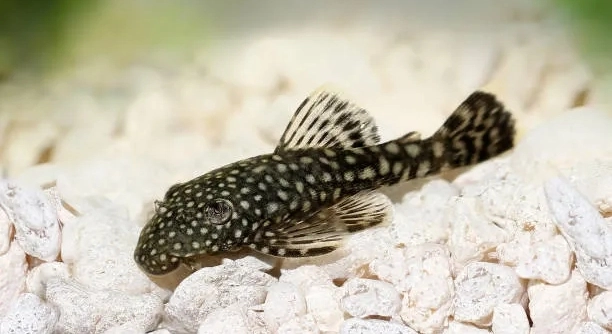
Is your pleco staying in one spot for hours, showing little to no movement? It can be worrying when a usually active fish suddenly becomes motionless in its tank, leaving you unsure about its well-being.
A pleco that is not moving may be experiencing stress, illness, or environmental issues. Common factors include poor water quality, improper temperature, insufficient oxygen, or infections. Addressing these causes promptly can improve the fish’s mobility and overall health.
Understanding why your pleco is inactive can prevent serious health problems. Simple adjustments to its tank and care routine can make a significant difference.
Common Reasons Your Pleco May Not Be Moving
A pleco that refuses to move often signals environmental or health issues. Water quality is a major factor; high ammonia or nitrite levels can make fish lethargic. Temperature fluctuations also affect activity, as plecos prefer stable, slightly warm conditions. Stress from overcrowding or aggressive tank mates can cause them to hide for extended periods. Illnesses like parasites, bacterial infections, or fungal growths often manifest as inactivity, sometimes with visible signs such as discoloration, spots, or unusual slime. Diet plays a role too; plecos require a balanced mix of algae, vegetables, and occasional protein. Lack of nutrition can weaken them, leading to reduced movement. Monitoring water parameters, maintaining a clean environment, and providing a proper diet are essential for keeping a pleco healthy. Observing subtle behavioral changes can help detect issues early, preventing more serious complications and ensuring your pleco remains active and thriving in its tank.
Addressing water quality, temperature, and diet often restores your pleco’s normal behavior within days.
Keeping a regular care schedule is vital. Feed appropriate amounts, remove uneaten food, and clean filters consistently. Watch how your pleco reacts to new decorations or tank changes, as sudden shifts can cause stress. Avoid overcrowding, and provide hiding spots like caves or driftwood. Small adjustments, like stabilizing temperature or adding fresh vegetables, can have a noticeable effect. Observing your pleco daily allows you to catch problems early, making treatment simpler and more effective.
When Illness Is the Issue
Signs of illness may include sluggish movement, faded colors, or abnormal breathing patterns.
Treating sickness early improves recovery. Isolate affected fish and adjust water conditions carefully.
Illness in plecos often stems from bacteria, parasites, or fungal infections. Bacterial infections may appear as sores or red patches, while parasites can cause scratching, frayed fins, or excessive slime. Fungal issues show as cotton-like growths on the body. Stress and poor water conditions weaken a pleco’s immune system, making it more susceptible to these problems. Quarantining new fish before introducing them to the main tank prevents spreading infections. Maintaining clean water, consistent temperature, and a nutritious diet helps reduce the risk of illness. In severe cases, veterinary advice may be needed for proper medication. Treatments can include medicated foods, water additives, or topical applications. Close observation during recovery ensures your pleco regains its energy and mobility safely. Regular monitoring and preventive care are key to long-term health, keeping your pleco active and resilient.
Adjusting Tank Conditions
Maintaining proper water temperature and pH is essential for pleco activity. Sudden changes can cause stress and inactivity. Stable, clean conditions help your pleco feel secure and encourage normal movement.
Temperature fluctuations or improper pH can quickly affect a pleco’s behavior. Ideal water temperature ranges between 72–78°F, and pH should stay around 6.5–7.5. Excessively hard or soft water can also cause discomfort, leading to reduced activity. Using a reliable heater, thermometer, and water testing kit ensures stability. Regular partial water changes remove toxins and maintain oxygen levels, which plecos need to stay active. Observing your fish’s daily behavior can indicate whether the tank environment is suitable.
Proper tank setup includes hiding spots, smooth surfaces, and adequate space. Plecos are nocturnal, so dim lighting and caves help them feel safe. Avoid overcrowding, which increases stress. Driftwood or rocks give places to explore, keeping them engaged. Regular monitoring and minor adjustments in tank conditions can significantly improve movement and overall health.
Diet and Nutrition
A balanced diet supports energy levels and activity. Poor feeding practices often lead to lethargy.
Plecos need a mix of algae, fresh vegetables, and occasional protein. Feeding too little or too much can reduce movement. Leafy greens like zucchini, cucumber, and spinach provide essential nutrients, while occasional sinking pellets or bloodworms offer protein. Uneaten food should be removed to prevent water contamination.
Variety is key to a pleco’s diet. Rotating vegetables and including occasional protein sources keeps them healthy and motivated to move. Overfeeding can create excess waste, leading to poor water quality, which further discourages activity. Fresh, clean food encourages natural foraging behavior, helping plecos remain active and maintain strong digestive systems. Observing eating habits helps detect issues early. Consistency in feeding schedules supports regular activity cycles and overall vitality.
Stress and Environmental Factors
Stress can significantly reduce pleco movement. Overcrowding, aggressive tank mates, or frequent disturbances may make them hide for long periods.
Lack of hiding spots or sudden changes in decorations can also increase stress. Providing caves, driftwood, and plants helps plecos feel secure, encouraging natural movement and reducing anxiety.
Monitoring Health Regularly
Observing your pleco daily allows you to detect changes early. Look for discoloration, frayed fins, unusual slime, or irregular breathing. These signs indicate health issues that require immediate attention, preventing serious illness and promoting recovery.
Isolation and Quarantine
Separating sick or new plecos prevents disease spread. Quarantine tanks help control treatment and maintain a healthy main tank environment.
FAQ
Why isn’t my pleco moving much during the day?
Plecos are naturally nocturnal, meaning they are most active at night. Daytime inactivity is normal, especially if the tank is brightly lit or noisy. Providing hiding spots, dim lighting, and a calm environment encourages movement when they feel safe.
Could poor water quality cause my pleco to stay still?
Yes. High ammonia, nitrite, or nitrate levels can make plecos lethargic. Regular water testing and partial water changes help maintain safe levels. Clean filters, proper aeration, and stable water parameters are essential to encourage healthy activity.
Is temperature affecting my pleco’s movement?
Plecos prefer stable temperatures between 72–78°F. Water that is too cold or fluctuates rapidly slows their metabolism, making them less active. Using a reliable heater and thermometer ensures consistent conditions. Gradual adjustments are better than sudden changes.
Can diet impact my pleco’s activity levels?
Absolutely. Plecos need a balanced diet of algae, vegetables, and occasional protein. Poor nutrition weakens them and reduces movement. Rotating fresh vegetables and supplementing with sinking pellets or occasional bloodworms promotes energy and regular activity. Remove uneaten food to prevent water contamination.
How do I know if my pleco is sick?
Signs of illness include faded colors, frayed fins, abnormal slime, slow breathing, or lack of appetite. Observing changes in behavior daily helps detect illness early. Isolating the fish in a quarantine tank and adjusting water conditions can prevent worsening problems.
Can stress make my pleco stop moving?
Yes. Stress from aggressive tank mates, overcrowding, or frequent disturbances can make plecos hide for long periods. Providing caves, driftwood, and plants creates safe spaces, helping them feel secure and more likely to move naturally.
Should I separate a sick pleco from the main tank?
Isolation is recommended. Quarantining sick fish prevents disease spread and allows easier treatment. Monitor water conditions, temperature, and diet in the quarantine tank to support recovery without affecting healthy fish.
How often should I check water parameters for my pleco?
Weekly testing is ideal for ammonia, nitrite, nitrate, and pH. Frequent checks help catch issues before they affect health. Consistent water quality supports movement and overall well-being, reducing stress and the risk of illness.
Do plecos need hiding spots to feel active?
Yes. Providing caves, driftwood, or plants allows plecos to feel secure. Safe areas encourage exploration and natural behavior, reducing stress-induced inactivity. A tank with multiple hiding spots promotes more regular movement.
Can overfeeding or underfeeding cause lethargy?
Both extremes affect activity. Overfeeding creates waste that harms water quality, while underfeeding deprives them of energy. Consistent, balanced feeding of vegetables and protein helps maintain health and movement.
How long should a pleco stay inactive before I worry?
Short periods of stillness are normal, especially during the day. If a pleco remains motionless for several days, shows abnormal behavior, or has physical symptoms, investigate water quality, diet, temperature, or illness immediately.
Will changing the tank layout help a lazy pleco?
Yes. Introducing hiding spots, driftwood, or new surfaces can stimulate activity. Avoid sudden, drastic changes; make gradual adjustments to reduce stress and encourage natural movement.
Can lighting affect pleco behavior?
Bright or constant lighting may make plecos hide more. Dim lighting during the day or maintaining a natural day-night cycle encourages regular activity while respecting their nocturnal habits.
Is it normal for plecos to stay at the bottom of the tank?
Yes. Bottom-dwelling is natural behavior. However, prolonged immobility or unusual positions may indicate stress, poor water conditions, or illness. Observing overall behavior helps determine if action is needed.
What should I do if my pleco refuses food?
Refusal to eat can signal stress or illness. Check water quality, temperature, and diet. Offering fresh vegetables or appropriate protein can stimulate feeding. If the problem persists, isolate the fish and consider veterinary advice.
How can I make my pleco more active?
Ensure stable water conditions, proper temperature, balanced diet, hiding spots, and low-stress environment. Gradual changes in decorations or tank enrichment can encourage exploration and natural nocturnal behavior.
Is it normal for older plecos to move less?
Aging plecos may naturally slow down, but sudden inactivity is concerning. Monitor for disease, water issues, or nutritional deficiencies. Older fish still require proper care to maintain health and some level of activity.
Can tank mates affect my pleco’s movement?
Aggressive or fast-moving fish can intimidate plecos, causing hiding and reduced activity. Providing separate spaces or calm tank mates allows plecos to feel secure and move more freely.
How long does it take for a pleco to recover from stress or illness?
Recovery depends on severity, water quality, diet, and proper care. Minor stress may resolve in days, while illness may require weeks. Quarantine, consistent care, and observation ensure the best chance for full recovery.
Are there any medications safe for inactive plecos?
Only use treatments specifically formulated for plecos or freshwater fish. Incorrect medications can worsen stress or water conditions. Always follow instructions and monitor the fish during treatment.
What daily care helps prevent inactivity?
Feeding balanced meals, checking water quality, maintaining temperature, observing behavior, and keeping a calm environment all contribute to active, healthy plecos. Small, consistent routines prevent lethargy and support long-term well-being.
Can changes in seasons affect my pleco’s movement?
Yes. Seasonal temperature changes or altered daylight cycles can impact activity. Maintaining stable tank conditions and gradual adjustments help keep plecos active year-round.
Should I worry if my pleco hides for days?
Hiding is normal, but extended inactivity with other symptoms signals potential issues. Investigate water quality, diet, stress, and illness to address problems promptly.
Is it normal for plecos to rest motionless on the substrate?
Yes, resting on the bottom is typical. Stillness becomes concerning only if accompanied by unusual behavior, poor appetite, or physical changes.
Can changing decorations too often stress my pleco?
Frequent or abrupt rearrangements can create stress, reducing activity. Gradual adjustments with sufficient hiding spots help plecos adapt without becoming lethargic.
How do I know if water oxygen levels are low?
Signs include slow movement, gasping at the surface, or listlessness. Improving aeration and water circulation restores oxygen and encourages normal activity.
Are plecos sensitive to tank vibrations or noises?
Yes. Frequent disturbances from tapping, loud noises, or equipment vibrations can stress plecos, leading to hiding or inactivity. Minimizing disturbances supports normal behavior.
Can poor filtration affect movement?
Yes. Insufficient filtration can degrade water quality, making plecos lethargic. Regular cleaning, proper filter sizing, and monitoring efficiency maintain a healthy environment and promote activity.
Do plecos need a night cycle to stay healthy?
Yes. A natural day-night cycle encourages normal nocturnal behavior. Continuous light can disrupt activity patterns and increase stress, reducing overall movement.
How do I balance hiding spots with open swimming areas?
Provide multiple caves and driftwood while leaving open areas for swimming. This balance reduces stress and encourages exploration without restricting natural behavior.
Can I use aquarium salt to improve activity?
Only in recommended amounts for freshwater species. Excessive salt can harm plecos. Use sparingly for minor health support while monitoring water parameters.
What is the best way to reintroduce a sick pleco to the main tank?
Ensure full recovery, stable water conditions, and proper acclimation. Gradual reintroduction reduces stress and prevents setbacks in activity.
Is inactivity always a sign of illness?
Not always. Normal nocturnal behavior or resting periods can appear as inactivity. Evaluate alongside other symptoms like appetite, color, and breathing.
How long can plecos survive without moving much?
Short periods of rest are fine. Extended lethargy with other warning signs can be dangerous. Timely intervention ensures survival and health.
Can plecos be lazy due to boredom?
Yes. Lack of environmental enrichment can reduce movement. Introducing driftwood, plants, and surfaces to explore encourages natural activity and mental stimulation.
Do plecos need companion species to stay active?
Not necessarily. Plecos can thrive alone if provided with hiding spots, proper diet, and enrichment. Overcrowding may increase stress and reduce activity instead.
Can changing water too often stress plecos?
Frequent or drastic changes can shock them. Partial, gradual water changes maintain stability, reduce stress, and promote consistent movement.
How can I tell if a pleco is improving?
Increased movement, regular feeding, brightening colors, and normal breathing indicate recovery. Monitor behavior daily to ensure health and activity continue to improve.
Are juvenile plecos more active than adults?
Typically, yes. Young plecos explore more and feed actively. Adults may move less, but sudden inactivity signals environmental or health problems.
Does tank size affect pleco activity?
Yes. Small tanks restrict movement and increase stress. Providing adequate space encourages exploration and natural behavior. Driftwood, rocks, and caves enhance activity in appropriately sized tanks.
Can adding live plants affect pleco movement?
Yes. Live plants provide hiding spots, improve water quality, and encourage natural foraging, promoting regular movement and overall well-being.
How do I motivate a pleco to feed?
Offer fresh vegetables, algae wafers, or occasional protein. Placing food near preferred hiding spots encourages feeding while reducing stress during mealtime.
Can my pleco recover fully from long-term inactivity?
With proper care, yes. Correcting water conditions, diet, temperature, and stress factors supports recovery. Recovery time varies depending on severity and underlying issues.
Is inactivity more common in certain pleco species?
Yes. Some species are naturally less active or more nocturnal. Understanding species-specific behavior helps distinguish normal rest from concerning lethargy.
Do plecos react to human presence in the tank?
Some may show curiosity, but many hide. Frequent tapping or disturbances can increase stress and reduce activity, so minimal interference is best.
Can over-decorating the tank reduce pleco movement?
Excess decorations can limit swimming space, causing hiding or lethargy. A balanced layout with open areas and hiding spots encourages natural behavior.
How do I track my pleco’s activity over time?
Keep a journal of feeding, movement patterns, and behavior changes. This helps identify stressors, illness, or environmental issues affecting activity.
Are plecos more active in groups?
Some species enjoy companionship, but overcrowding can increase stress. Providing sufficient space and hiding spots ensures healthy activity levels.
Can sudden loud noises make a pleco stop moving?
Yes. Plecos are sensitive to noise and vibrations. Sudden disturbances may cause hiding or freezing in place until they feel safe again.
What’s the best way to handle a pleco without causing stress?
Minimize handling. Use nets gently and only when necessary. Allow plecos to explore the tank freely to reduce stress and maintain normal movement.
Can medication affect pleco activity?
Yes. Some treatments may temporarily reduce activity. Monitor water quality and behavior closely during medication to ensure safe recovery.
How often should I clean the tank to maintain movement?
Regular cleaning, including partial water changes and filter maintenance, keeps water quality high. Clean conditions promote health, reduce stress, and encourage natural activity.
Do plecos respond to seasonal light changes?
Yes. Gradual changes in daylight or artificial lighting affect nocturnal activity. Maintaining a consistent day-night cycle supports healthy behavior.
Can stress from new tankmates cause long-term inactivity?
Yes. Aggressive or fast-moving fish can make plecos hide for extended periods. Proper tank planning and providing safe spaces reduce prolonged stress.
How do I prevent inactivity in a new pleco?
Acclimate slowly, provide hiding spots, maintain water stability, and monitor diet. Gradual introduction helps reduce stress and encourages natural movement.
Is inactivity always visible?
Not always. Plecos may appear still while subtly moving fins or breathing. Observing closely reveals whether inactivity is normal rest or a warning sign.
How do I know if my pleco is comfortable in the tank?
Regular movement, consistent feeding, normal coloration, and use of hiding spots indicate comfort. Sudden inactivity or avoidance signals stress or environmental problems.
Can plecos tolerate occasional disturbances?
Yes, if infrequent and minor. Consistent disturbances, noise, or abrupt tank changes increase stress and reduce movement.
What minor adjustments encourage activity?
Small additions like new hiding spots, fresh vegetables, or gentle water flow changes stimulate natural exploration and increase movement without causing stress.
Is inactivity a sign of aging?
Some slowing occurs with age, but sudden or extreme inactivity often indicates health or environmental issues needing attention.
Can plecos adapt to changes over time?
Yes, gradual changes in tank conditions, decorations, or tankmates allow plecos to adjust without long-term inactivity, promoting consistent movement and well-being.
Does pleco personality affect activity?
Individual temperament varies. Some are naturally more reserved or less active, while others explore frequently. Observing behavior helps distinguish normal rest from issues.
How do I balance care for multiple plecos?
Provide adequate space, hiding spots, and separate feeding areas. Monitor each pleco for signs of stress, illness, or reduced activity to ensure overall health.
Can plecos recover from long-term poor conditions?
With proper water quality, diet, temperature, and stress management, plecos can regain normal activity, though recovery time depends on the severity and duration of prior conditions.
What’s the first step if my pleco stops moving?
Check water parameters, temperature, diet, and stress factors. Addressing these immediately improves chances of restoring normal activity.
How do I maintain long-term pleco activity?
Consistent care, clean water, balanced diet, enrichment, and a calm environment encourage regular movement and prevent inactivity over time.
Can plecos become more active with enrichment?
Yes. Adding driftwood, rocks, and plants stimulates exploration and encourages natural nocturnal behaviors, promoting overall health and movement.
Does feeding schedule impact movement?
Yes. Regular, balanced feeding keeps plecos energized and active. Skipped or inconsistent meals may cause lethargy or stress-related inactivity.
How do I know if inactivity is serious?
Extended stillness, changes in color, appetite, or breathing indicate potential illness or stress. Prompt action ensures proper care and recovery.
Are plecos sensitive to chemical cleaners near the tank?
Yes. Chemicals, aerosols, or strong detergents can stress plecos and reduce movement. Keep tanks away from harmful substances to maintain a safe environment.
Can plecos be lazy even in perfect conditions?
Some individual plecos may appear less active, especially during daytime. However, consistent inactivity combined with other signs usually indicates an underlying issue.
What’s the role of oxygenation in pleco movement?
Adequate oxygen supports energy and activity. Poor aeration or stagnant water can make plecos lethargic. Adding air stones or improving circulation promotes movement.
Can plecos become active with regular interaction?
Gentle observation or placing food near hiding spots encourages activity without causing stress. Avoid frequent tapping or handling, which can reduce movement.
Do plecos react to tank decorations?
Yes. Smooth surfaces, caves, and driftwood offer comfort and stimulation. Poorly arranged or sharp decorations can cause stress and reduce activity.
Is inactivity reversible?
In most cases, yes. Correcting water quality, temperature, diet, and stress factors allows plecos to regain normal activity. Early intervention improves recovery speed.
How long does it take for a pleco to adjust to a new tank?
Adjustment varies from a few days to a couple of weeks. Providing hiding spots, stable conditions, and proper diet helps them settle and become active.
Can plecos become more active with social interaction?
Some respond positively to calm, compatible tankmates. Overcrowding or aggressive companions increase stress, reducing movement. Balance and monitoring are essential.
Do plecos show signs of happiness through movement?
Active exploration, regular feeding, and normal nocturnal behavior indicate comfort. Sudden reductions in movement often signal stress, illness, or environmental issues.
Are there specific times plecos are most active?
Plecos are primarily nocturnal. They become more active in the evening and at night, often foraging and exploring the tank. Daytime inactivity is usually normal.
Can seasonal temperature changes slow plecos down?
Yes. Temperature drops or fluctuations can reduce metabolism, making plecos less active. Stable conditions prevent inactivity related to environmental changes.
Does water hardness affect movement?
Extreme hardness or softness can stress plecos, reducing activity. Maintaining appropriate water hardness according to species needs supports health and natural movement.
Can plecos recover from extended hiding?
Yes, with proper care. Improving water quality, diet, tank setup, and minimizing stress encourages them to become more active over time.
Do plecos prefer quiet tanks?
Yes. Frequent noise, vibrations, or disturbances can reduce movement and increase hiding behavior. Quiet environments encourage natural activity.
How do I know if a pleco is exploring enough?
Observe interactions with decorations, feeding areas, and substrate. Regular exploration and use of hiding spots indicate healthy activity.
Is inactivity a sign of pain?
Potentially. Reduced movement, unusual positions, or flared fins can indicate discomfort. Investigating water conditions, diet, and illness is necessary.
Can plecos adapt to less-than-ideal conditions?
Some tolerance exists, but prolonged poor conditions reduce activity, stress the fish, and increase illness risk. Improving the environment restores normal behavior.
How do I keep plecos moving in a planted tank?
Provide open swimming areas alongside plants. Balance hiding spots with free space to encourage exploration while reducing stress.
Can water changes trigger hiding?
Yes, sudden water changes can cause temporary hiding or reduced movement. Gradual, partial changes minimize stress and maintain activity.
Do plecos have personality differences that affect activity?
Yes. Some are naturally more reserved, while others are curious and active. Observing individual behavior helps distinguish normal rest from concern.
Are plecos more active during feeding time?
Yes. Plecos respond to food placement and foraging opportunities. Proper feeding encourages movement and natural behaviors.
Can plecos recover from inactivity caused by stress alone?
Yes. Reducing stressors, providing hiding spots, and maintaining stable water conditions usually restores normal activity.
How often should I observe plecos for inactivity signs?
Daily observation helps detect changes early. Noting feeding, movement
Final Thoughts
Keeping a pleco healthy and active requires attention to several key factors. Water quality is one of the most important aspects. Regular testing and maintenance of ammonia, nitrite, nitrate, and pH levels help ensure a safe environment. Partial water changes and proper filtration are essential to remove waste and maintain clean conditions. Temperature should be consistent, ideally between 72–78°F, as sudden changes can slow a pleco’s metabolism and reduce movement. Providing a natural day-night cycle with dim lighting during the day supports their nocturnal habits and prevents stress. Even small adjustments in water conditions can have a significant impact on a pleco’s overall health and activity.
Diet also plays a central role in promoting mobility and vitality. Plecos need a mix of vegetables, algae, and occasional protein to stay strong and energetic. Leafy greens like zucchini, cucumber, and spinach provide essential nutrients, while protein sources such as sinking pellets or bloodworms help maintain muscle and energy. Overfeeding can create excess waste that degrades water quality, while underfeeding can weaken the fish and reduce activity. Removing uneaten food promptly and offering a balanced, varied diet encourages foraging behavior, which naturally increases movement. Observing how your pleco responds to different foods can also help you detect potential health or digestive issues before they become serious. A proper diet combined with clean, stable water conditions ensures your pleco remains active and healthy over the long term.
Environmental factors and stress management are equally important for maintaining activity. Plecos need hiding spots such as caves, driftwood, or plants to feel secure. Aggressive or fast-moving tank mates, overcrowding, and frequent disturbances can make them hide or become lethargic. Gradual changes in tank layout or decorations help them adjust without causing stress. Regular observation of behavior, movement, and feeding habits allows you to catch potential problems early. Quarantining sick or new fish protects the main tank and gives you better control over treatment. By paying attention to water quality, diet, hiding spaces, and stress levels, you can create an environment where your pleco feels comfortable and motivated to move. Consistent care and careful monitoring will help your pleco thrive, preventing inactivity and promoting long-term health.

Hello,
If you enjoy the content that we create, please consider saying a "Thank You!" by leaving a tip.
Every little bit helps us continue crafting quality advice that supports the health, happiness, and well-being of pets around the world, for pets of all shapes, sizes, and species.
We really appreciate the kindness and support that you show us!