
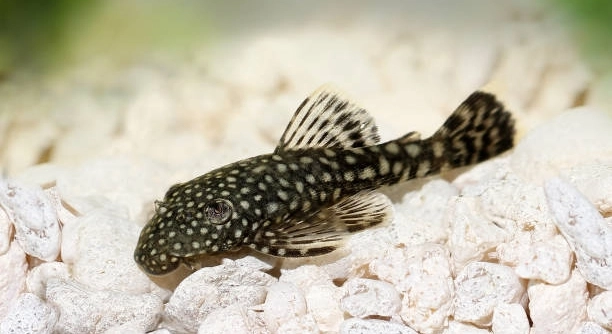
Plecos are peaceful fish that enjoy exploring their environment. Providing the right substrate can make them feel comfortable and encourage natural behaviors. Many aquarists look for options that are safe, natural, and easy to maintain.
Plecos thrive best on natural substrates that mimic their native habitats, such as sand, smooth gravel, driftwood, and clay-based options. These substrates support feeding habits, promote healthy bacterial growth, and prevent injury to their delicate undersides and fins.
Choosing the right substrate is just one way to enhance your pleco’s well-being and create a more enjoyable aquarium environment for both fish and owner.
Sand
Sand is one of the gentlest substrates for plecos. Its fine texture prevents injuries to their delicate undersides and fins. Many species enjoy sifting through sand to find leftover food, which helps keep the tank clean. Using sand also encourages natural behaviors like burrowing and exploring. There are different types of sand, including play sand, aquarium-specific sand, and river sand. It’s important to rinse the sand thoroughly before adding it to the tank to remove dust and debris that could cloud the water. Sand also allows for stable planting if you want to grow live plants. Avoid using sharp or coarse sand, as it can scrape the pleco’s body or fins. Overall, sand provides a natural and comfortable environment that plecos feel safe in. When maintained properly, it does not compact easily and allows for good water circulation, keeping the tank healthier. Many aquarists report that their plecos are more active and visible when kept on sand.
Sand allows plecos to dig and explore safely without risk of injury or stress.
Adding sand improves the tank’s appearance while providing a natural surface. It encourages feeding behaviors, lets plecos burrow, and keeps waste accessible. Its smooth texture supports sensitive fins, making plecos more comfortable. Over time, sand creates a stable environment that reduces water cloudiness. Regular cleaning prevents compaction, keeping bacteria and detritus balanced. This substrate works well with plants, driftwood, and rocks, enhancing both aesthetics and function. For plecos, sand closely resembles their natural river habitats, allowing them to act instinctively. Observing them on sand can reveal more of their behaviors, making the tank feel lively. Sand is versatile, affordable, and easy to maintain with routine siphoning. By choosing fine, non-toxic sand, you ensure safety and comfort. Many plecos even prefer it over gravel because it is soft and less stressful for resting or foraging. Properly selected sand supports long-term fish health and contributes to a clean, visually appealing aquarium.
Smooth Gravel
Smooth gravel offers a stable base for plecos and is less likely to compact compared to fine substrates. It comes in various sizes and colors, making it easy to match the tank’s design. Unlike sharp gravel, smooth pieces prevent scratches on the pleco’s body. Gravel can also anchor plants and decorations securely, preventing them from toppling. Plecos enjoy moving around and occasionally shifting the gravel while searching for food. It also allows water to flow between particles, which helps maintain oxygen levels and supports beneficial bacteria growth. Choosing a rounded, small- to medium-sized gravel ensures the plecos can move comfortably and prevents accidental ingestion. While gravel is not as soft as sand, it still provides a safe surface for resting and exploring. Some aquarists mix gravel with sand to create textured areas, giving plecos a variety of surfaces to interact with. Smooth gravel combines aesthetic appeal with functionality, making it a practical option for many freshwater tanks.
Smooth gravel provides structure while remaining safe for plecos’ sensitive bodies.
Plecos interact differently with smooth gravel compared to sand. Its firmness allows them to rest securely and move confidently without risk of injury. They often sift through it in search of food, which keeps the tank cleaner. Gravel supports plants and decorations, anchoring them while giving the tank a more defined look. Unlike coarse gravel, smooth pieces are safe for fins and body surfaces, reducing stress and potential damage. Gravel’s larger particles promote water circulation, which helps beneficial bacteria thrive, supporting the aquarium’s ecosystem. Many aquarists notice that plecos are more active when given gravel to explore. Mixing gravel with small patches of sand can create zones for resting, feeding, or digging, providing variety. Smooth gravel also makes tank maintenance easier because detritus collects on top rather than compacting, allowing for efficient cleaning. Its durability and stability make it a long-term choice for plecos, ensuring their comfort while maintaining a healthy environment.
Driftwood
Driftwood provides plecos with natural hiding spots and surfaces to graze. It softens water slightly, which can benefit certain species, and encourages natural scraping behavior, keeping them active and engaged in their environment.
Driftwood is not only decorative but functional. Plecos enjoy rasping on its surface, which helps wear down their teeth and provides minor nutrition from biofilm and algae growth. Different types, like Malaysian or Mopani wood, offer varied textures and shapes for exploration. It also creates shaded areas, reducing stress and making plecos feel secure. Submerging wood properly prevents tannins from clouding water excessively. Combining driftwood with substrates like sand or smooth gravel creates a more natural, comfortable habitat for these fish, promoting both health and natural behavior.
Adding driftwood encourages plecos to explore and feed naturally. Over time, it develops a coating of algae and biofilm that plecos nibble on regularly. Its irregular shapes allow resting spots, caves, and shelter for shy individuals. Driftwood also contributes to water chemistry by slowly releasing tannins, which can slightly lower pH and soften water, benefiting species from soft-water habitats. Properly prepared driftwood won’t rot quickly and is safe to use. Many plecos choose areas near or under wood as resting spots. When paired with substrates like sand or smooth gravel, it completes a naturalistic environment. Driftwood supports both mental stimulation and physical health, making it a valuable addition to any pleco tank.
Clay-Based Substrates
Clay-based substrates supply essential minerals like calcium and iron for plecos. They are safe to ingest and support natural behaviors such as digging and foraging.
Clay substrates stabilize tank structures and provide a consistent environment for plants. Plecos benefit from the slight softness, which protects delicate undersides and fins during movement. The minerals in clay can contribute to stronger bone structure over time and support healthy growth. Some types of clay are expandable or compressible, creating natural burrowing spaces. Unlike sand, clay particles hold shape, preventing easy displacement while still allowing plecos to move freely. Combining clay with other substrates, like sand patches, can give plecos a variety of textures to interact with. Its natural color and texture enhance the aquarium’s look while being functional.
Plecos interact with clay by digging, resting, and scraping surfaces for minor nutritional benefits. Its fine yet firm texture prevents injuries while providing traction for movement. Clay helps anchor live plants and decorations securely, offering a stable layout. Regular maintenance involves gentle stirring to prevent compaction and maintain oxygen flow to beneficial bacteria. Clay-based substrates also buffer water slightly, helping maintain balanced conditions and supporting healthy microbiomes. By incorporating clay, the tank offers both physical and environmental enrichment, keeping plecos active and comfortable. Many aquarists notice increased activity and natural behavior when clay is used correctly, making it a practical and health-supportive choice for plecos.
River Rocks
River rocks provide plecos with natural surfaces to explore and rest on. Their smooth, rounded shapes prevent injury and add texture to the tank environment.
These rocks create shaded areas and small crevices where plecos can hide. They also help anchor plants and decorations securely. River rocks are easy to clean and durable, making them a practical choice for long-term tank setups.
Leaf Litter
Leaf litter mimics natural riverbeds and provides hiding spots for plecos. It slowly decomposes, releasing tannins that slightly soften water and create a calm environment. Plecos graze on the biofilm that grows on the leaves, giving them a small supplemental food source.
Coconut Shells
Coconut shells offer plecos secure hiding spots and resting areas. They are easy to clean, durable, and can be partially buried or placed upright to create caves. Many plecos will choose coconut shells as a favorite retreat in the tank.
FAQ
What substrate is safest for plecos?
Sand and smooth gravel are generally the safest options. Their soft textures prevent injuries to plecos’ delicate undersides and fins. Clay-based substrates are also safe, offering minerals and slight softness that encourages natural digging behaviors without risk of harm.
Can plecos live on sharp gravel?
Sharp gravel is not recommended. It can scratch or damage plecos’ fins and undersides. If you already have sharp gravel, it’s best to replace it with smoother options or cover it with a layer of sand to protect your fish.
Do plecos need hiding spots in the substrate?
Yes, hiding spots are essential. Plecos feel secure when they have places to retreat, such as driftwood, coconut shells, or crevices formed by river rocks. Substrate alone can offer limited shelter, so combining it with these structures is ideal for their comfort.
How often should substrate be cleaned?
Cleaning frequency depends on the substrate type and tank size. Sand and clay substrates should be gently siphoned weekly to prevent compaction and remove debris. Gravel can be stirred and cleaned simultaneously. Over-cleaning can disrupt beneficial bacteria, so maintain balance carefully.
Can plecos eat substrate?
Some plecos may ingest small amounts while feeding. Sand, clay, and smooth gravel are safe if accidentally ingested, while sharp gravel should be avoided. Leaf litter and driftwood can also provide natural grazing opportunities, supplementing their diet without harm.
Is mixing substrates okay for plecos?
Mixing substrates can be beneficial. Combining sand with smooth gravel or clay patches creates varied textures for exploration and feeding. It also allows different areas for resting, digging, and grazing, which encourages natural behaviors and reduces stress.
Do substrates affect water quality?
Yes, substrates can impact water chemistry. Driftwood and leaf litter release tannins that slightly soften water and lower pH. Clay-based substrates release minerals, supporting plecos’ health. Regular maintenance ensures substrates contribute positively without causing water imbalance.
Which substrates promote algae growth?
Leaf litter, driftwood, and clay surfaces naturally promote biofilm and algae growth. Plecos graze on this layer, which supplements their diet. Sand and smooth gravel tend to accumulate less algae, making it easier to clean but offering less natural grazing opportunities.
Are live plants compatible with these substrates?
Yes, substrates like sand, clay, and smooth gravel provide a stable base for live plants. They help anchor roots while allowing plecos to move safely around them. Driftwood and rocks can complement plants by creating shaded areas and additional surfaces for algae growth.
How do I choose the right substrate for my pleco species?
Consider your pleco’s natural habitat. Species from soft, sandy riverbeds prefer sand and clay, while those from rocky environments enjoy smooth gravel and river rocks. Observing behavior and comfort is key; plecos will naturally explore and rest on substrates that suit them best.
Can substrates help reduce tank maintenance?
Yes, appropriate substrates make cleaning easier. Sand allows waste to remain on top for easy siphoning, while gravel can be stirred to release trapped debris. Leaf litter and driftwood create natural zones where detritus collects, simplifying maintenance while keeping plecos engaged.
Are there substrates to avoid entirely?
Avoid sharp, jagged gravel, crushed coral, and substrates with heavy dyes or coatings. These can injure plecos, alter water chemistry dramatically, or leach harmful substances into the tank, putting both fish and plants at risk. Safe, natural options are always preferable.
How long do substrates last in a pleco tank?
With proper care, sand, gravel, and clay substrates can last for many years. Driftwood and leaf litter will need occasional replacement as they decompose, but regular cleaning and maintenance extend the life of all substrates while keeping the tank healthy.
Can substrates influence pleco behavior?
Absolutely. Soft, varied substrates encourage natural digging, grazing, and resting behaviors. Driftwood and coconut shells provide hiding areas, while leaf litter supports foraging. Observing plecos’ interactions with their substrate helps ensure they are comfortable and active in their environment.
Do substrates affect breeding?
Yes, some plecos prefer certain substrates for spawning. Sand or clay allows digging and cave preparation, while driftwood or coconut shells provide safe, shaded areas. Choosing the right combination supports natural reproductive behaviors and increases the likelihood of successful breeding.
Is it safe to change substrates in an established tank?
Changing substrates is possible but should be done gradually. Move plecos to a temporary tank if needed and rinse the new substrate thoroughly. Introduce it slowly to maintain water parameters and prevent stress, ensuring a smooth transition for the fish.
Can I combine driftwood and clay for plecos?
Yes, this combination is highly beneficial. Clay offers minerals and digging opportunities, while driftwood provides hiding spots and grazing surfaces. Together, they create a natural environment that supports health, reduces stress, and encourages natural behaviors for plecos.
How does substrate depth affect plecos?
Depth matters. A shallow layer of gravel or sand is sufficient for movement and resting, while deeper sand or clay areas encourage burrowing and exploration. Avoid overly deep layers that compact and trap waste, which can lead to water quality issues or harmful bacteria buildup.
Are natural substrates expensive?
Not necessarily. Sand, gravel, and clay are affordable and widely available. Driftwood and coconut shells vary in price but are durable and long-lasting. Leaf litter can often be sourced locally, making natural substrates an accessible option for most aquarists.
Do plecos need a variety of substrates?
Variety is beneficial. Different textures and structures keep plecos engaged, support natural behaviors, and provide safe resting and hiding spots. Combining sand, gravel, clay, driftwood, and leaf litter creates an enriched environment that caters to their physical and mental needs.
Final Thoughts
Choosing the right substrate for your pleco is more important than many aquarists realize. Plecos are bottom-dwelling fish that interact constantly with the surface beneath them. A soft and natural substrate, such as sand or smooth gravel, helps protect their sensitive undersides and fins. These surfaces allow plecos to rest comfortably, dig lightly, and search for food without risk of injury. Clay-based substrates also provide slight softness while supplying beneficial minerals that support their health. By selecting a substrate that suits the species you have, you can create a safer and more comfortable environment that encourages natural behavior.
Natural decorations like driftwood, river rocks, coconut shells, and leaf litter complement the substrate by adding hiding spots and grazing surfaces. Driftwood and leaf litter slowly release tannins, slightly softening water and creating shaded areas that reduce stress. River rocks and coconut shells offer stable crevices and resting areas. Plecos respond to these natural structures by exploring, scraping, and grazing, which keeps them active and engaged. Combining a suitable substrate with these features allows you to mimic their natural habitat more closely. This approach not only enhances the fish’s well-being but also makes the tank more visually appealing and easier to maintain, as waste collects in predictable areas and beneficial bacteria thrive.
Maintaining substrates properly is essential for long-term success. Sand and clay should be gently stirred or siphoned regularly to prevent compaction, while gravel needs occasional cleaning to remove trapped debris. Driftwood and leaf litter may need replacement over time as they decompose, but this also contributes to a dynamic and healthy environment. Observing your plecos’ behavior can provide clues about whether the substrate meets their needs. If they rest comfortably, explore freely, and feed actively, it is a good sign they are content. Ultimately, the combination of appropriate substrate and natural decorations supports both physical health and natural instincts. By carefully considering these elements, you can ensure your plecos live in a safe, engaging, and balanced habitat. A well-chosen substrate is a simple yet effective way to promote long-term health and happiness in your aquarium.

Hello,
If you enjoy the content that we create, please consider saying a "Thank You!" by leaving a tip.
Every little bit helps us continue crafting quality advice that supports the health, happiness, and well-being of pets around the world, for pets of all shapes, sizes, and species.
We really appreciate the kindness and support that you show us!