
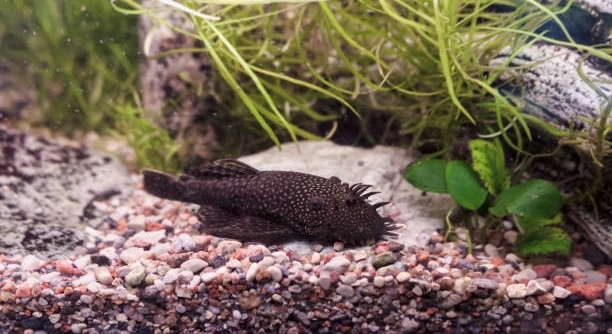
Have you ever set up a peaceful freshwater aquarium and wondered how all the creatures would get along? Adding new inhabitants can be exciting, but it’s important to know how different species interact and thrive together.
Bristlenose plecos can generally live with snails without major issues. These fish are primarily algae eaters and usually ignore snails, allowing them to coexist peacefully in a shared tank environment with proper care and adequate space.
Keeping both plecos and snails requires some attention to tank conditions and feeding habits to ensure both species remain healthy and active.
Tank Setup for Plecos and Snails
Creating a comfortable environment is key when housing bristlenose plecos with snails. Both species enjoy hiding places, so adding driftwood, rocks, and plants gives them spots to explore and rest. Plecos appreciate smooth surfaces for grazing algae, while snails benefit from surfaces to move across and feed. Filtration should be strong enough to maintain clean water, as both plecos and snails are sensitive to poor water quality. A heater can help maintain a stable temperature between 72 and 78°F, which suits most plecos and many common snail species. Lighting should encourage algae growth for natural grazing but not be so intense that it stresses the inhabitants. Monitoring water parameters like pH and ammonia levels helps prevent health issues. Overcrowding should be avoided; providing enough space reduces stress and limits accidental damage to delicate snail shells. Regular partial water changes are essential to maintain a balanced environment.
Proper tank setup prevents stress and ensures both plecos and snails thrive together without conflict.
Adding decorations and plants thoughtfully not only creates hiding spots but also encourages natural behavior, helping each species feel secure and active throughout the day.
Feeding Considerations
Plecos and snails have different dietary needs, which should be addressed carefully.
Bristlenose plecos mainly feed on algae, supplemented with vegetables like zucchini, cucumber, or spinach. Snails enjoy similar foods, but they also benefit from calcium sources to strengthen their shells. Feeding both species enough prevents competition and reduces the chance of leftover food decomposing. Avoid overfeeding, as uneaten food can harm water quality. Observing their eating habits helps ensure each species gets proper nutrition. Certain foods may need to be placed in different areas of the tank to allow both plecos and snails to access them comfortably. Providing sinking algae wafers for plecos and placing calcium-rich vegetables near snails allows peaceful coexistence. A balanced feeding routine keeps both species healthy, encourages growth, and maintains water cleanliness. By planning meals carefully and observing how your tank inhabitants interact with food, you can support a harmonious environment where both plecos and snails flourish.
Consistent feeding practices and attention to dietary needs are key to keeping your tank healthy and balanced.
Common Compatibility Issues
Even though plecos and snails usually coexist, some minor issues can arise. Plecos may occasionally disturb snail shells while exploring. Overcrowding or limited hiding spots can increase stress for both species. Monitoring interactions helps prevent unnecessary conflicts.
A common concern is accidental damage to snail shells. Bristlenose plecos are gentle, but active grazing around decorations or rocks may bump into snails. If snails are stressed, they may retreat into their shells for extended periods, affecting feeding and activity. Providing extra hiding spots and smooth surfaces can reduce these incidents. Water quality issues also affect both species, so maintaining stable parameters is essential to avoid stress-related behavior.
Another issue is competition for food. While both species can share vegetables and algae, plecos may dominate feeding areas, leaving snails with less access. Strategically placing food in different areas ensures each species gets enough nutrition without conflict. Observing feeding times and adjusting portions helps maintain a peaceful tank. Small interventions, like separating food zones or offering extra treats, can prevent stress and promote coexistence between plecos and snails.
Cleaning and Maintenance
Tank cleanliness is vital for plecos and snails to remain healthy.
Both species produce waste, and leftover food can quickly pollute the water. Regular water changes and substrate cleaning prevent ammonia spikes. A good filtration system keeps water clear and reduces harmful bacteria. Avoid harsh chemicals, as these can harm delicate snails and sensitive plecos. Observing water quality and performing routine maintenance keeps the tank balanced and safe.
Maintenance also includes monitoring decorations and plants. Algae growth provides natural food, but excessive buildup may need removal to prevent water quality issues. Snail shells benefit from calcium-rich decorations like limestone or cuttlebone. Checking filter efficiency and replacing media when needed ensures proper circulation. Regular cleaning of gravel or sand prevents debris accumulation, while pruning plants maintains space for swimming. Maintaining stable temperature and pH supports the health of both species, preventing stress-related illnesses. Consistent care promotes a thriving, harmonious environment where plecos and snails coexist comfortably.
Choosing Compatible Snail Species
Not all snails adapt well to tanks with bristlenose plecos. Mystery snails and nerite snails are typically more resilient, while delicate species may struggle. Picking hardy snails ensures a smoother coexistence and less stress for both.
Snails with strong shells are less likely to get damaged during pleco activity. Avoid overly small or thin-shelled species, as accidental bumps can harm them. Observing how your chosen snails respond during the first few days can help determine compatibility.
Tank Decorations and Hiding Spots
Providing plenty of hiding spaces prevents stress and encourages natural behavior. Driftwood, caves, and dense plants create areas for snails to retreat while plecos explore the tank freely. Both species benefit from a mix of open swimming space and secure hiding spots.
Monitoring Health and Behavior
Watch for signs of stress, shell damage, or unusual behavior. Healthy plecos and snails are active, eat regularly, and show natural movement.
Regular observation helps catch early issues such as poor water quality or dietary imbalances. Tracking changes in behavior ensures timely intervention, maintaining a stable environment where both species remain healthy and comfortable.
FAQ
Can bristlenose plecos and snails live in the same tank long-term?
Yes, bristlenose plecos and most common snail species can coexist long-term if the tank is set up properly. Both species prefer clean water, stable temperature, and plenty of hiding spots. Overcrowding or poor water conditions can cause stress, so maintaining a balanced environment is crucial. Monitoring interactions and food distribution helps prevent competition and ensures that both species remain healthy over time.
Do plecos ever eat snails?
Bristlenose plecos are primarily herbivores and focus on algae, plant matter, and vegetables. They rarely bother snails. Occasionally, accidental contact with snail shells may occur while grazing, but it is uncommon for plecos to actively harm snails. Choosing hardy snail species reduces the risk of injury and allows peaceful coexistence.
What are the best snails to keep with plecos?
Mystery snails, nerite snails, and apple snails are good options. These species have stronger shells and are more resilient to tank conditions and pleco movement. Delicate species, like ramshorn or some small freshwater snails, may be more prone to stress or shell damage. Observing behavior during the first few days can confirm compatibility.
How should I feed plecos and snails together?
Place sinking algae wafers or vegetables in multiple areas of the tank. Plecos will eat from the bottom, while snails can access the same food slowly without being pushed aside. Supplementing snails with calcium-rich foods or cuttlebone helps maintain strong shells. Avoid overfeeding, as uneaten food can quickly deteriorate water quality.
What tank size is suitable for plecos and snails?
A minimum 20-gallon tank is recommended for one adult bristlenose pleco and a few snails. Larger tanks provide more space for hiding, grazing, and swimming. Adequate space reduces stress and prevents accidental shell damage. If adding multiple plecos or a large snail population, increase tank size accordingly to maintain balance.
How often should I clean a tank with plecos and snails?
Perform partial water changes weekly or bi-weekly, depending on waste accumulation. Clean substrate gently to remove debris but avoid disturbing snails too much. Filtration should be checked regularly to maintain water clarity. A balanced maintenance routine keeps both species healthy and prevents algae or harmful bacteria buildup.
Can plecos damage snail shells accidentally?
Yes, though it’s usually accidental. Plecos are active grazers and may bump into snails while moving across rocks or decorations. Providing plenty of hiding spots and smooth surfaces reduces accidental collisions. Observing initial interactions helps identify if adjustments in decoration placement are needed.
Do snails clean up after plecos?
Snails contribute to the tank’s cleanliness by eating leftover algae and detritus, but they cannot replace regular cleaning. They complement plecos’ grazing habits and help reduce waste accumulation. Combining proper filtration, water changes, and snail activity ensures a healthier environment for both species.
How do I know if plecos and snails are stressed?
Signs include reduced activity, hiding for extended periods, or irregular eating habits. Snails may retract into their shells, and plecos may cling to surfaces without grazing. Regular observation and maintaining stable water parameters help prevent stress and keep both species thriving.
Can I keep multiple plecos with snails?
Yes, but tank size and hiding spots become even more important. Overcrowding increases stress and potential conflicts. Ensure each pleco has its own territory and provide sufficient food for all inhabitants. Spreading decorations and plants evenly allows both plecos and snails to coexist comfortably.
How do I maintain water quality with plecos and snails?
Regular water testing for ammonia, nitrites, nitrates, and pH is essential. Partial water changes, efficient filtration, and avoiding overfeeding help maintain clean water. Both species are sensitive to poor water conditions, so consistent monitoring ensures long-term health and reduces the risk of illness.
Are there any plants that work well with plecos and snails?
Hardier plants like Java fern, Anubias, and mosses work well. Plecos may nibble on softer plants, while snails feed lightly without harming them. Plants provide hiding spots, reduce stress, and contribute to overall tank health by absorbing excess nutrients.
Do plecos and snails require the same temperature?
Most common plecos and freshwater snails thrive between 72–78°F. Maintaining a stable temperature within this range supports both species’ metabolism and activity. Sudden fluctuations can stress both, so using a reliable heater and thermometer helps maintain a stable environment.
How often should I check on tank inhabitants?
Daily observation is recommended. Watching plecos and snails for activity, feeding, and signs of stress ensures any problems are caught early. Routine monitoring supports healthy growth, prevents conflicts, and allows you to adjust care as needed for a harmonious tank.
This FAQ covers the most common concerns when keeping bristlenose plecos with snails, helping ensure a peaceful, healthy aquarium environment.
Keeping bristlenose plecos with snails can be a smooth and low-stress experience if the tank is set up correctly. Both species generally get along because plecos focus on algae and vegetables, leaving snails mostly undisturbed. Creating an environment with plenty of hiding spots, open swimming areas, and smooth surfaces helps prevent accidental collisions and stress. Decorations like driftwood, rocks, and live plants not only provide shelter but also encourage natural behavior, allowing plecos and snails to explore without feeling threatened. Maintaining a proper tank size is also important. Crowding can lead to stress, so even if plecos and snails are peaceful, giving each enough space is essential for long-term health.
Feeding is another key factor in keeping both species healthy. Plecos are mostly herbivores and need algae, vegetables, or sinking wafers, while snails enjoy algae and calcium-rich foods for strong shells. Providing food in multiple areas of the tank prevents competition and ensures that everyone gets their share. Overfeeding should be avoided, as leftover food can quickly pollute the water and harm both species. Observing feeding behavior allows adjustments to portions or placement if plecos dominate certain areas. Calcium sources like cuttlebone or limestone help snails maintain strong shells, while vegetables and algae keep plecos active and grazing. Following a consistent feeding routine supports growth, energy, and overall health, making the tank a safe and balanced environment for all inhabitants.
Regular maintenance is essential to ensure long-term success. Both plecos and snails produce waste, so partial water changes and substrate cleaning help maintain water quality. A strong filter keeps the water clear and reduces harmful bacteria, while monitoring ammonia, nitrites, and nitrates prevents health issues. Checking decorations, plants, and hiding spots ensures the tank remains comfortable and safe. Observing behavior daily helps identify stress, illness, or compatibility problems early on. With proper care, these two species can coexist harmoniously for years. By providing a clean, well-structured tank with enough food and hiding spaces, bristlenose plecos and snails can thrive together, offering a balanced and visually appealing aquarium that is both active and peaceful.

Hello,
If you enjoy the content that we create, please consider saying a "Thank You!" by leaving a tip.
Every little bit helps us continue crafting quality advice that supports the health, happiness, and well-being of pets around the world, for pets of all shapes, sizes, and species.
We really appreciate the kindness and support that you show us!